1. Home
  2. CRM & Sales
  3. CRM Software

Category · CRM & Sales Software

CRM Software

Contact Management Platforms are essential tools for business and professional users seeking to efficiently organize and manage their interactions with clients, leads, and partners. These platforms are typically used to streamline workflows, enhance communication, and ensure compliance with data management standards.

14 rankings116 products scored6 criteria eachUpdated Sep 5, 2026
01

Top picks across CRM Software

The highest scorer from each vendor across all 14 rankings. Six little boxes show each one against its ranking average, and the full review sits under each card.

1

Salesforce

salesforce.com · Salesforce CRM #1 of 6 in Contact Management Platforms for Digital Marketing Agencies

Salesforce leads CRM market share but hides real costs.

Best forLarge enterprises needing highly customizable, scalable CRM with big ecosystems.

From $25 per user/mo #1 CRM by IDCAppExchangeEinstein AI
Top of its ranking

The world's top CRM platform for sales, service, and marketing, with deep customization and AI features.

Standout factSalesforce has been named the #1 CRM provider by IDC for 12 straight years. salesforce.com
Biggest catchExtra data storage can cost around $125 per month per 500MB block. salesforcenegotiations.com
20.7%CRM market sharebizsugar.com
6,000+AppExchange appsappexchange.salesforce.com

By the numbers

20.7%CRM market share, 2024
6,000+AppExchange apps
91%customers using an AppExchange app

Source: appexchange.salesforce.com

What changed

$125/mocost per extra 500MB storage block

Source: salesforcenegotiations.com

Upside

  • Named #1 CRM provider by IDC
  • AppExchange offers over 6,000 apps
  • Deep Einstein AI and Agentforce automation

Catch

  • Hidden storage and support costs add up
  • Steep learning curve for new users
  • Premium support can cost 20 to 30% extra
Pick it ifLarge enterprises needing highly customizable, scalable CRM with big ecosystems.
Skip it ifSmall businesses lacking budget or dedicated technical administrators.
PricingFrom $25/user/month, with added costs for storage and premium support

Editor's takeSalesforce held a 20.7 percent CRM market share in 2024, more than any competitor, according to IDC data. Its AppExchange marketplace lists more than 6,000 apps, and 91 percent of customers use at least one. Extra data storage and premium support plans can add significant costs beyond the list price.

How much does Salesforce CRM cost?

Plans start at $25 per user per month, with higher tiers for advanced features. Extra data storage costs around $125 per month per 500MB block, and premium support can add 20 to 30 percent to license fees.

Is Salesforce hard to learn?

Many new users find it complex. G2 reviewers describe a steep learning curve, especially without dedicated technical support or a trained administrator.

2

Jungo

ijungo.com · Jungo Mortgage CRM #1 of 10 in Contact Management Platforms for Mortgage Brokers

Jungo starts at $96/mo, plus a $249 setup fee.

Best forLoan officers wanting Salesforce power with pre-built mortgage tools.

From $96 per user/mo Salesforce-based CRMLOS integrationsannual contract
Top of its ranking

A Salesforce-based mortgage CRM with referral tracking, LOS integrations, and marketing automation.

Standout factJungo serves over 6,000 mortgage professionals. appexchange.salesforce.com
Biggest catchAll Jungo contracts run annual, with a one-time setup fee of $249 to $299. ijungo.com
6,000+Professionals servedappexchange.salesforce.com
$96/user/moStarting priceijungo.com

Starting price

$96/user/moBilled annually, plus a $249 setup fee

Connects to

EncompassCalyx PointLendingPadVelocityByte5 major LOS platforms total

Source: ijungo.com

Upside

  • Built on the Salesforce platform
  • Deep LOS integrations with Encompass
  • Automated referral tracking via Reffinity

Catch

  • Requires annual contract commitment
  • One-time setup fee applies
  • Steep learning curve for setup
Pick it ifLoan officers wanting Salesforce power with pre-built mortgage tools.
Skip it ifSmall teams avoiding Salesforce's learning curve or licensing costs.
PricingFrom $96/user/month billed annually, plus a $249 setup fee

Editor's takeJungo builds mortgage-specific tools on top of Salesforce, starting at $96 per user monthly when billed annually, plus a $249 setup fee. It integrates natively with Encompass, Calyx Point, and LendingPad, and taps the Salesforce AppExchange for added apps. Users report a steep learning curve, with some calling customization complicated without technical help.

How much does Jungo cost?

The Mortgage App starts at $96 per user per month, billed annually, plus a one-time setup fee of $249. All Jungo contracts require a minimum one-year commitment.

What loan origination systems does Jungo connect to?

Jungo integrates natively with Encompass, Calyx Point, Velocity, LendingPad, and Byte, according to its own mortgage CRM product page.

3

Procore

procore.com · Procore Construction Management #1 of 8 in Contact Management Platforms for Contractors

Unlimited users, but priced by annual construction volume

Best forLarge general contractors managing complex commercial projects

From $10,000 per year SOC 2ISO 27001enterprise
Top of its ranking

Construction management and contact platform with unlimited users, priced by a contractor's annual construction volume.

Standout factPricing is based on Annual Construction Volume, not per-user seats procore.com
Biggest catchEstimated annual costs range from $10,000 to over $60,000 depending on volume. countonacts.com
500+Marketplace integrationsprocore.com
$10k-$60k+Estimated annual costcountonacts.com
4.5/5 (Capterra)Review ratingjibble.io

Standout number

500+marketplace integrations and apps

Source: procore.com

True monthly cost

Estimated annual cost range

Low end (smaller ACV)$10,000
High end (larger ACV)$60,000+
TotalVaries by construction volume

Custom quote, unlimited users included

Upside

  • Unlimited users at no extra cost
  • 500+ marketplace integrations
  • 24/7 customer support

Catch

  • Pricing tied to construction volume
  • Steep learning curve, 3-6 months
  • Android app stability issues
Pick it ifLarge general contractors managing complex commercial projects
Skip it ifSmall residential builders or subcontractors with limited software budgets
PricingCustom quote by Annual Construction Volume, est. $10k-$60k+/yr

Editor's takeProcore ranks first among 8 contact management platforms for contractors with a 9.1 overall score. Its unlimited-user model and 500-plus integrations support large teams without per-seat costs. Pricing scales with Annual Construction Volume, estimated at $10,000 to $60,000 or more a year.

How does Procore pricing work?

Procore charges an annual fee based on Annual Construction Volume rather than per user, with estimated costs of $10,000 to $60,000 a year, per a third-party pricing breakdown.

Is there a limit on Procore users?

No. Procore uses an unlimited-user model, so teams can add members without extra per-seat fees.

4

Wealthbox

wealthbox.com · Wealthbox CRM for Financial Advisors #1 of 5 in Contact Management Platforms for Financial Advisors

Wealthbox feels like an iPhone, per-user pricing adds up.

Best forSolo advisors and small teams wanting an easy, modern CRM.

From $59 per user/mo SOC 2 Type 2financial advisor CRMmobile app
Top of its ranking

CRM built for financial advisors with AI insights, mobile app, and 100+ wealthtech integrations.

Standout factHolds 14 percent of the financial advisor CRM market, ranking second behind Redtail. familywealthreport.com
Biggest catchSupport runs through an online help center only, with no direct phone line. smartasset.com
14%CRM market sharefamilywealthreport.com
4.6/5G2 ratingg2.com
100+Wealthtech integrationswealthbox.com

Adoption

14%share of the financial advisor CRM market

Source: familywealthreport.com

Plans

Basic$59/user/mo
Premier$99/user/mo

Source: wealthbox.com

Upside

  • Apple-like, intuitive interface
  • SOC 2 Type 2 certified
  • 100+ wealthtech integrations

Catch

  • No phone support, ticket-based only
  • Per-user pricing costly at scale
  • Limited built-in financial planning tools
Pick it ifSolo advisors and small teams wanting an easy, modern CRM.
Skip it ifLarge enterprises needing deep customization or complex permissions.
PricingFrom $59/user/month, 30-day free trial, no free plan.

Editor's takeWealthbox ranks first among 5 tools in this category at 9.1 overall. Its interface is the standout, repeatedly compared to an iPhone for ease of use. Pricing is the tradeoff, since per-user fees can outpace flat-rate competitors like Redtail as teams grow.

Does Wealthbox integrate with custodians like Schwab and Fidelity?

Yes. Wealthbox integrates with over 100 custodial platforms and wealthtech applications, including deep data syncs that show account details directly in contact records.

Is Wealthbox SOC 2 certified?

Yes. Wealthbox is a SOC 2 Type 2 certified organization and encrypts all application traffic with 256-bit SSL, according to its security page.

5

Ascend by Wix

wix.com #2 of 6 in Contact Management Platforms for Digital Marketing Agencies

Wix discontinued Ascend as a unified suite in 2023.

Best forSolopreneurs on Wix wanting basic CRM and email in one dashboard.

From $10 per month small businessno-codepaid
#2 in its ranking

All-in-one CRM, email and automation suite built directly into Wix websites.

Standout factWix officially discontinued the unified Ascend Business Suite in early 2023, splitting it into separate modules. sec.gov
Biggest catchThe unified Ascend suite was discontinued in 2023, and its tools now live as separate products. sec.gov
20+Built-in toolstwipla.com
7Basic tier automation capecommerce-platforms.com
$10/moStarting price

In their words

“With Ascend by Wix, users get access to a complete set of built-in marketing and CRM tools designed to eliminate the need for third-party services.”

ballistic.media

Before you sign up

  • Already hosting your site on Wix
  • Need unlimited multi-step automations
  • Want basic CRM without third-party tools

Upside

  • Native data pull from Wix Stores, Bookings
  • Over 20 tools in one dashboard
  • No third-party connectors like Zapier needed

Catch

  • Unified suite discontinued as of 2023
  • Basic tier caps at 7 automations
  • Locks users into the Wix ecosystem
Pick it ifSolopreneurs on Wix wanting basic CRM and email in one dashboard.
Skip it ifBusinesses hosting outside Wix or needing advanced CRM customization.
PricingFrom $10/month, tiers up to $49/month

Editor's takeAscend's core idea, pulling CRM, email marketing and automation into the Wix dashboard so store, booking and form data sync without Zapier, still works well for a solo business owner. But the product itself has moved: Wix restructured the unified Ascend Business Suite into separate core features and standalone plans in early 2023, so buyers should check what is actually bundled today. Entry pricing starts at $10 a month, though the Basic tier caps automations at 7 simple workflows.

Is Ascend by Wix still sold as one product?

Not exactly. Wix officially discontinued the unified Ascend Business Suite in early 2023 and restructured its tools into separate core website features and standalone Email Marketing plans.

How many automations does the Basic Ascend plan allow?

Up to 7 automations, each with two steps. Reviewers recommend upgrading to a higher tier for unlimited automation templates and more complex workflows.

The evidence: 6 criteria, 1 penalty
8.8
Product Capability & DepthLooked for: We look for a comprehensive suite of marketing and sales tools that provide sufficient functionality for small to medium-sized businesses without requiring external software.Ascend by Wix delivers a broad spectrum of over 20 business tools, including a native CRM, email marketing, live chat, invoicing, and SEO wizards. While it successfully centralizes these features under one roof, individual tools lack the deep, advanced capabilities found in standalone, specialized software.twipla.com
9.4
Market Credibility & Trust SignalsLooked for: We evaluate the product's reputation, parent company stability, and aggregate user satisfaction across major third-party review platforms.As a product of Wix, Ascend benefits from the parent company's massive market presence and resources. Wix maintains strong aggregate user ratings across major review platforms like G2 and Capterra, indicating broad user trust and reliability in their ecosystem.stylefactoryproductions.com
9.0
Usability & Customer ExperienceLooked for: We assess how easily non-technical users can navigate the platform, set up campaigns, and manage customer data from a unified interface.Ascend is highly praised for its beginner-friendly, intuitive interface that integrates seamlessly directly into the main Wix dashboard. However, users occasionally note that certain features, like the chat tool, are buried within non-intuitive menus.tooltester.com
8.9
Value, Pricing & TransparencyLooked for: We look for clear, transparent pricing tiers that offer measurable return on investment and scalable features for growing businesses.Ascend requires a separate premium subscription on top of standard Wix hosting, with tiers at $10, $24, and $49 per month. While convenient, the lower tiers impose strict limitations on basic functions like automations and email sends, forcing upgrades.ecommerce-platforms.com
9.5
Ecosystem Integration & SynergyLooked for: We look for deep, native connectivity between the marketing suite and the core website builder, eliminating the need for complex API setups.Ascend's greatest strength is its native integration with the Wix website builder. It automatically pulls data from Wix Stores, Bookings, and Forms into a central CRM, creating a frictionless workflow without requiring third-party connectors like Zapier.ballistic.media
8.8
Marketing Automation & Lead NurturingLooked for: We look for robust workflow builders that allow businesses to automate routine tasks, send triggered communications, and nurture leads effectively.The platform offers a straightforward 'if this, then that' automation builder capable of handling abandoned cart emails, welcome sequences, and internal team reminders. It is highly effective for basic use cases but lacks the complex conditional branching of premium CRM competitors.doba.com

Score adjustments−0.11 points in total

−0.11Wix officially discontinued the unified 'Ascend Business Suite' in early 2023, restructuring the tools into separate core website features and standalone Email Marketing plans, making the exact product highly fragmented.sec.gov · severity 85/100
6

Pipedrive

pipedrive.com · Pipedrive CRM for Financial Advisors #2 of 5 in Contact Management Platforms for Financial Advisors

Pipedrive's terms prohibit storing clients' Social Security numbers

Best forSales-driven advisors focused on lead generation and pipeline visibility.

From $14 per user/mo SOC 2ISO 27001visual pipeline
#2 in its ranking

A visual, drag-and-drop sales CRM adapted for financial advisors managing prospect pipelines.

Standout factPipedrive's Terms of Service explicitly state clients must not use the service to store Social Security numbers or similar sensitive information. pipedrive.com
Biggest catchKey features like LeadBooster and Web Visitors are separate paid add-ons costing $32-41 a month extra. eesel.ai
$14-19.90/user/moEssential plan pricecapsulecrm.com
$32.50/moLeadBooster add-on priceeesel.ai

The thing people get wrong

Pipedrive can be used to store sensitive client financial data like SSNs

Its Terms of Service explicitly prohibit storing Social Security numbers and similar sensitive information

Source: pipedrive.com

Starting price

$14/user/moEssential plan; LeadBooster and Web Visitors cost extra

Upside

  • Highly visual, drag-and-drop pipeline
  • SOC 2, SOC 3, ISO 27001 certified
  • 400+ app marketplace

Catch

  • ToS prohibits storing SSNs or sensitive data
  • Key features require paid add-ons
  • No native financial planning tools
Pick it ifSales-driven advisors focused on lead generation and pipeline visibility.
Skip it ifAdvisors needing built-in compliance archiving or deep wealth management tools.
PricingFrom $14-19.90/user/mo, add-ons cost extra

Editor's takePipedrive brings a general sales CRM's visual pipeline to financial advisory work, which reviewers say beats clunkier legacy tools. That flexibility has a real limit, since its Terms of Service explicitly bar storing Social Security numbers. Add-ons like LeadBooster and Web Visitors tracking cost $32 to $41 a month extra.

Can financial advisors store client SSNs in Pipedrive?

No. Pipedrive's Terms of Service explicitly prohibit storing sensitive information like Social Security numbers, a compliance gap for wealth management use.

Are Pipedrive's add-ons expensive?

Essential ones can be. LeadBooster starts around $32.50 a month and Web Visitors tracking around $41 a month, on top of the base per-user price.

7

Activated Insights

activatedinsights.com · Activated Insights Home Care #1 of 10 in Contact Management Platforms for Home Care Agencies

Home care's benchmark leader, pricing needs a quote

Best forHome care agencies wanting satisfaction surveys and caregiver training.

Quote only EMR integrationcaregiver trainingenterprise
Top of its ranking

An experience management and training platform for home care agencies, built on the industry's benchmarking data.

Standout factExclusive senior care affiliate of Great Place to Work buttehomehealth.com
Biggest catchFull suite pricing is not public, and modules like Review Manager cost $149/mo separately. activatedinsights.com
500+eLearning coursesactivatedinsights.com
$149/moReview Manager add-onactivatedinsights.com

Connects to

AlayaCareAxisCarePointClickCareMatrixCareNot published total

Source: activatedinsights.com

Standout number

500+caregiver eLearning courses (via CareAcademy)

Source: activatedinsights.com

Upside

  • Exclusive Great Place to Work partner
  • Acquired CareAcademy for 500+ courses
  • Integrates with AlayaCare and AxisCare

Catch

  • Full suite pricing not public
  • Modular add-on costs accumulate
  • Requires a quote for full suite
Pick it ifHome care agencies wanting satisfaction surveys and caregiver training.
Skip it ifAgencies wanting a primary billing and scheduling platform.
PricingContact for pricing; Review Manager add-on ~$149/mo

Editor's takeActivated Insights, formerly Home Care Pulse, is the senior care affiliate of Great Place to Work and publishes the industry's annual benchmarking report. Its acquisition of CareAcademy adds over 500 eLearning courses for caregiver compliance and training. Full suite pricing is not public, and standalone modules like Review Manager cost $149 a month on top of any package agreement.

How much does Activated Insights cost?

Full suite pricing requires a quote. Standalone modules are sometimes priced separately, such as Review Manager at $149 a month, and general estimates put costs between $500 and $1,000, per third-party research.

Does Activated Insights include caregiver training?

Yes. Its 2025 acquisition of CareAcademy added over 500 eLearning courses, including specialized paths for dementia care and compliance, integrated directly into the platform.

The evidence: 5 criteria, 2 penalties
9.3
Product Capability & DepthLooked for: Comprehensive features for experience management, training, and quality assurance tailored to home care.The platform combines experience management surveys, reputation management, and caregiver training (via CareAcademy) into a unified suite for post-acute care.activatedinsights.comactivatedinsights.comselecthub.com
9.6
Market Credibility & Trust SignalsLooked for: Industry recognition, awards, partnerships, and longevity in the home care market.Formerly Home Care Pulse, the company is the industry standard for benchmarking, partnering with Great Place to Work and publishing the annual Home Care Benchmarking Report.buttehomehealth.comactivatedinsights.comprnewswire.com
8.9
Usability & Customer ExperienceLooked for: User-friendly interface, ease of setup, and quality of customer support.Users praise the interface for its user-friendly design and the value of the data provided, though the depth of reporting can require guidance to fully utilize.activatedinsights.comselecthub.comactivatedinsights.com
8.2
Value, Pricing & TransparencyLooked for: Clear pricing structures, public costs, and value for money relative to features.Pricing is primarily quote-based with some modules like Review Manager listed at $149/mo; full suite costs are not publicly transparent.activatedinsights.comactivatedinsights.comselecthub.com
9.0
Workforce Training & ComplianceLooked for: Ability to integrate with major home care EMRs and scheduling software.Seamless integrations with major platforms like AlayaCare, AxisCare, and PointClickCare allow for automated data syncing and survey triggers.activatedinsights.comprnewswire.comactivatedinsights.com

Score adjustments−0.07 points in total

−0.04Full platform pricing is not publicly available and requires a quote, creating a barrier for smaller agencies to assess affordability.selecthub.com · severity 50/100
−0.03Costs are modular, with specific tools like Review Manager priced separately ($149/mo), potentially leading to higher total cost of ownership.activatedinsights.com · severity 45/100
8

AgencyZoom

agencyzoom.com #2 of 10 in Contact Management Platforms for Insurance Agents

AgencyZoom bundles seven user seats into every plan

Best forIndependent P&C agencies wanting a purpose-built sales and retention CRM.

From $149 per month Vertafore ownedP&C specificAMS360 integration
#2 in its ranking

An insurance-specific sales platform automating lead pipelines, onboarding, and policy renewals for P&C agencies.

Standout factAgencyZoom was acquired by insurance technology leader Vertafore in November 2021. vertafore.com
Biggest catchPlans bundle up to seven user seats at a flat fee, so solo agents pay for unused capacity. binderlabs.co
$149/moEssential plan pricebinderlabs.co
7Seats included per tierbinderlabs.co

In their words

“a CRM built exclusively for independent insurance agencies — not a generic CRM adapted for insurance, but one designed from the ground up for how insurance agencies actually work”

aitoolshop.co

Plans

Growth$199/mo

up to 7 seats

Pro$349/mo

up to 7 seats

Source: binderlabs.co

Upside

  • Built exclusively for P&C agencies
  • Integrates with AMS360 and HawkSoft
  • 4.5/5 on G2, 4.7/5 on Capterra

Catch

  • Seven-seat bundles waste capacity for solo agents
  • Starting prices vary across directories
  • Not a full agency management system
Pick it ifIndependent P&C agencies wanting a purpose-built sales and retention CRM.
Skip it ifAgencies needing full accounting or a standalone agency management system.
PricingFrom $149-349/mo, bundles up to 7 seats

Editor's takeAgencyZoom was built from the ground up for independent P&C agencies, unifying lead pipelines, onboarding, and renewal tracking. Vertafore's 2021 acquisition backs it with corporate ownership and deeper ties to AMS360 and HawkSoft. Pricing bundles up to seven user seats per tier, so solo agents pay for capacity they don't use.

How many users does an AgencyZoom plan include?

Each published tier, from Essential to Pro, bundles up to seven user seats at a flat fee, which can mean paying for unused capacity as a solo agent.

Who owns AgencyZoom?

Vertafore, a major insurance technology company, acquired AgencyZoom in November 2021, adding backing and deeper agency management system integrations.

The evidence: 6 criteria, 3 penalties
9.1
Product Capability & DepthLooked for: Whether the platform covers the full sales, service, and retention workflow that a P&C insurance agency needs day to day.AgencyZoom bundles lead and pipeline management, client onboarding, workflow and task automation, renewal reminders, commission calculations, Google reviews generation, and producer goal/performance reporting into one insurance-specific platform, with an Enterprise tier for multi-location agencies.getapp.comwebcatalog.iovertafore.com
9.3
Market Credibility & Trust SignalsLooked for: Independent proof that real agencies trust the product, including reviews, ratings, and backing by an established company.AgencyZoom holds a 4.5/5 rating from 58 G2 reviews and 4.7/5 on Capterra, and was acquired by insurance technology leader Vertafore in November 2021, giving it long-term corporate backing.g2.comcapterra.com.auvertafore.com
9.0
Usability & Customer ExperienceLooked for: How easy the software is to learn and operate for agents, managers, and account staff in daily work.Reviewers describe an intuitive, easy-to-use interface with a drag-and-drop visual pipeline board and customizable dashboards; typical onboarding runs roughly two to four weeks according to third-party analysis.selecthub.comaitoolshop.cosonant.ai
8.6
Value, Pricing & TransparencyLooked for: Whether pricing is published clearly and delivers fair value for agencies of different sizes.Public sources list flat, agency-fee tiers commonly cited as Essential $149, Growth $199, and Pro $349 per month, each bundling up to seven users; some directories show lower entry points, indicating pricing has shifted over time.binderlabs.cobinderlabs.cosoftwareadvice.com
9.2
Integrations & Ecosystem StrengthLooked for: How well the platform connects to the agency management systems and insurtech tools agents already rely on.AgencyZoom integrates with major agency management and rating systems including AMS360, QQCatalyst, HawkSoft, NowCerts, PL Rating, Tarmika and Bridge, and as part of Vertafore lets leads, client and policy data flow between the CRM and connected systems.vertafore.comvertafore.comwebcatalog.io
9.4
Industry Focus & Vertical FitLooked for: How purpose-built the product is for the specific workflows of independent P&C insurance agencies.Rather than a generic CRM adapted for insurance, AgencyZoom is built exclusively for independent P&C agencies, handling new-business pipelines, renewal tracking, producer goal management and automated client communication, and is used by agencies from single-location to multi-location operations.aitoolshop.cogetapp.comcapterra.com

Score adjustments−0.11 points in total

−0.03Plans bundle up to seven user seats at a flat agency fee, so solo agents and small teams pay for capacity they do not use.binderlabs.co · severity 45/100
−0.05The platform manages the sales pipeline but is not a full agency management system and does not handle inbound phone calls.sonant.ai · severity 40/100
−0.03Published starting prices differ across directories (e.g. $79, $149, and older $49 figures), creating inconsistent pricing signals for buyers.softwareadvice.com · severity 35/100
9

Guidewire

guidewire.com · Guidewire P&C Insurance Software #3 of 10 in Contact Management Platforms for Insurance Agents

Guidewire runs 500+ insurers, but hides all pricing

Best forLarge global P&C insurance carriers needing a core system

Quote only SOC 2Gartner LeaderP&C insurance
#3 in its ranking

AI-enabled core insurance platform running underwriting, policy, billing, and claims for 500+ P&C insurers.

Standout factMore than 500 insurers across 38 countries run on Guidewire, with over 1,000 implementations. ir.guidewire.com
Biggest catchEnterprise implementation can exceed $1 million once customization, training, and data migration are added. itqlick.com
500+ across 38 countriesInsurers running Guidewireir.guidewire.com
175+Marketplace partner appsguidewire.com
$1M+Estimated enterprise implementation costitqlick.com

Standout number

500+insurers running Guidewire across 38 countries

Source: ir.guidewire.com

In their words

“implementation costs for SMBs can range from $100,000 to $500,000, while enterprises might face implementation costs exceeding $1 million”

itqlick.com

Upside

  • Leader in 2024 Gartner SaaS P&C Magic Quadrant
  • End-to-end policy, billing, and claims core
  • ISO 27001 and SOC 2 Type II certified

Catch

  • No public pricing
  • Enterprise implementation can top $1 million
  • Requires specialist partners to configure
Pick it ifLarge global P&C insurance carriers needing a core system
Skip it ifIndependent agencies, brokerages, or individual agents
PricingCustom quote only. SMB implementation estimated at $100,000-$500,000, enterprise over $1 million.

Editor's takeGuidewire InsuranceSuite bundles PolicyCenter, ClaimCenter, BillingCenter, and more into one core system, now with no-code product design and AI embedded in claims handling. It was named a Leader in the inaugural 2024 Gartner Magic Quadrant for SaaS P&C Core Platforms, and more than 500 insurers across 38 countries run on it. Pricing is never published, and independent estimates put enterprise implementation above $1 million once customization, training, and data migration are factored in.

How much does Guidewire cost to implement?

It is not published. Independent estimates put SMB implementation at $100,000 to $500,000, and enterprise deployments can exceed $1 million once customization and data migration are included.

Is Guidewire recognized by industry analysts?

Yes. It was named a Leader in the inaugural 2024 Gartner Magic Quadrant for SaaS P&C Core Platforms in North America, according to Guidewire's own investor relations announcement.

The evidence: 6 criteria, 2 penalties
9.3
Product Capability & DepthLooked for: Whether the platform fully covers the core insurance operations a property and casualty insurer needs, from quoting to claims payout.InsuranceSuite bundles PolicyCenter, ClaimCenter, BillingCenter, PricingCenter and UnderwritingCenter to run underwriting, policy administration, billing and claims across all P&C lines, adding no-code product design (Advanced Product Designer) and insurance-grade AI embedded in the claims lifecycle.guidewire.comguidewire.comguidewire.com
9.6
Market Credibility & Trust SignalsLooked for: Independent recognition, scale of adoption and public track record that show insurers trust this platform for mission-critical work.Guidewire was named a Leader in the inaugural 2024 Gartner Magic Quadrant for SaaS P&C Core Platforms (North America); it reports more than 500 insurers in 38 countries running on it with a 1,000+ implementation record, and trades publicly as NYSE: GWRE.ir.guidewire.comir.guidewire.com
8.8
Usability & Customer ExperienceLooked for: How easily business and technical users can configure, operate and get value from the system without heavy manual effort.The suite offers no-code product tooling, wizard-based dynamic claim intake and user-friendly billing summary screens; verified Gartner Peer Insights reviewers highlight strong governance, compliance support and productivity gains, though these strengths depend on skilled configuration.guidewire.comgartner.comguidewire.com
8.0
Value, Pricing & TransparencyLooked for: Clear, publicly available pricing and evidence that buyers understand total cost before committing.Guidewire publishes no list pricing and routes buyers to demos and sales contact; third-party estimates put implementation between $100,000 and $500,000 for SMBs and over $1 million for enterprises once customization, training and data migration are added.guidewire.comitqlick.com
9.4
Security, Compliance & Data ProtectionLooked for: Whether the cloud platform holds recognized security and privacy certifications suited to regulated insurers.Guidewire Cloud holds ISO 27001, SOC 1 Type I, SOC 2 Type II and PCI certifications, and has added the ISO 27701 privacy certification, with a dedicated trust and security resource center for customers.guidewire.comguidewire.com
9.2
Integrations & Ecosystem StrengthLooked for: The size and reach of the partner, marketplace and skilled-workforce ecosystem available to extend and implement the platform.The Guidewire Marketplace offers more than 175 partner apps, and the ecosystem is backed by 30,000+ trained partner professionals plus 750+ dedicated Guidewire consultants, with prebuilt accelerators and expanding APIs for InsuranceSuite applications.guidewire.comguidewire.comguidewire.com

Score adjustments−0.08 points in total

−0.04No public list pricing is provided; buyers must engage sales, and independent estimates indicate implementation can exceed $1 million for enterprises, reducing upfront cost clarity.itqlick.com · severity 55/100
−0.04A verified enterprise reviewer noted the vendor offer did not include a program plan, pointing to onboarding planning gaps.gartner.com · severity 35/100
10

EZLynx

ezlynx.com · EZLynx: Comparative Rater - Agency Management Systems #2 of 10 in Contact Management Platforms for Insurance Brokers

EZLynx connects to more than 330 insurance carriers

Best forP&C agencies needing real-time comparative rating for auto and home.

From $350 per month 330+ carrierscomparative raterRetention Center
#2 in its ranking

A comparative rater and agency management system connecting P&C agencies to 330+ carriers.

Standout factEZLynx serves over 37,000 agencies and processes more than 14 million rating transactions monthly. globenewswire.com
Biggest catchImplementation can take 6 to 8 weeks, and support response times are frequently described as slow. agencymate.com
330+Carriers connectedezlynx.com
37,000+Agencies servedglobenewswire.com

Standout number

330+insurance carriers connected for real-time rating

Source: ezlynx.com

Adoption

37,000+agencies using EZLynx, 14M+ rating transactions monthly

Source: globenewswire.com

Upside

  • Real-time rating across 330+ carriers
  • Serves 37,000+ agencies monthly
  • Retention Center lifts retention ~8%

Catch

  • Slow customer support response times
  • 6-8 week implementation timeline
  • Steep learning curve for new users
Pick it ifP&C agencies needing real-time comparative rating for auto and home.
Skip it ifAgencies primarily focused on Life and Health products.
PricingFrom about $350/mo, custom quotes available

Editor's takeEZLynx connects to more than 330 insurance carriers for real-time rating, a scale used by over 37,000 agencies. That same platform processes more than 14 million rating transactions every month. The tradeoff comes in onboarding, since implementation commonly takes 6 to 8 weeks with frequent support complaints.

How many carriers does EZLynx connect to?

Over 330 insurance carriers for real-time comparative rating, more than any other comparative rater according to the vendor.

How long does EZLynx take to implement?

Around 6 to 8 weeks on average, and users report support response times can be slow during and after onboarding.

02

Every ranking in CRM Software

Each card shows the top three. The eye opens a quick look. Open a ranking for every product, the evidence and the comparison table.

1 ProcoreUnlimited users, but priced by annual construction volume 9.1/10
Visit ↗
2 JobTreadJobTread charges $199/mo plus $20 per extra user. 8.8/10
Visit ↗
3 LeapLeap processes $4 billion in contractor estimates a year 8.8/10
Visit ↗
See all 8 ranked
1 SalesforceSalesforce leads CRM market share but hides real costs. 9.3/10
Visit ↗
2 Ascend by WixWix discontinued Ascend as a unified suite in 2023. 9.0/10
Visit ↗
3 ClickUpClickUp CRM includes a genuine free forever plan 8.8/10
Visit ↗
See all 6 ranked
1 WealthboxWealthbox feels like an iPhone, per-user pricing adds up. 9.1/10
Visit ↗
2 PipedrivePipedrive's terms prohibit storing clients' Social Security numbers 9.0/10
Visit ↗
3 SalesforceSalesforce ranks #1 on G2, but pricing needs a quote 8.9/10
Visit ↗
See all 5 ranked
1 Activated InsightsHome care's benchmark leader, pricing needs a quote 9.0/10
Visit ↗
2 CareSmartz360CareSmartz360 prices by client count, not per user 8.9/10
Visit ↗
3 Aaniie3x caregiver retention claimed, priced from $195 a month 8.8/10
Visit ↗
See all 10 ranked
1 SalesforceSalesforce Insurance Brokerage costs $350 per user monthly 9.2/10
Visit ↗
2 AgencyZoomAgencyZoom bundles seven user seats into every plan 9.0/10
Visit ↗
3 GuidewireGuidewire runs 500+ insurers, but hides all pricing 9.0/10
Visit ↗
See all 10 ranked
1 SalesforceSalesforce Insurance CRM costs $325/user, but unifies policy data. 9.2/10
Visit ↗
2 EZLynxEZLynx connects to more than 330 insurance carriers 9.0/10
Visit ↗
3 AgencyBlocAgencyBloc serves 6,500+ agencies, but has no mobile app 8.9/10
Visit ↗
See all 10 ranked
1 SalesforceSalesforce Mortgage CRM excels, but Shield security costs 30% more. 9.1/10
Visit ↗
2 HomebotHomebot pricing starts at $125, plus a co-sponsor fee 8.9/10
Visit ↗
3 BNTouchBNTouch bundles 35+ mortgage tools since 2003 8.8/10
Visit ↗
See all 10 ranked
1 JungoJungo starts at $96/mo, plus a $249 setup fee. 9.2/10
Visit ↗
2 Salesforce Mortgage CRMSalesforce Mortgage CRM costs $325/user, on top of add-ons 9.1/10
Visit ↗
3 ShapeShape's API access costs an extra $500 a month 9.0/10
Visit ↗
See all 10 ranked
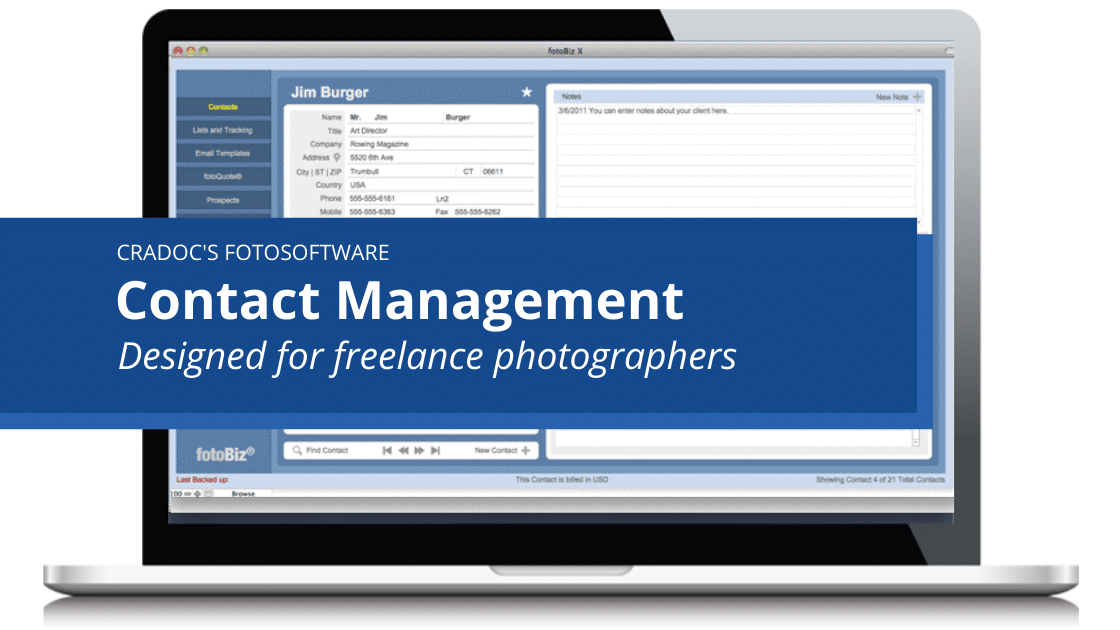
1 fotoBiz XOne-time $299.99 fee, but desktop only, no cloud 8.8/10
Visit ↗
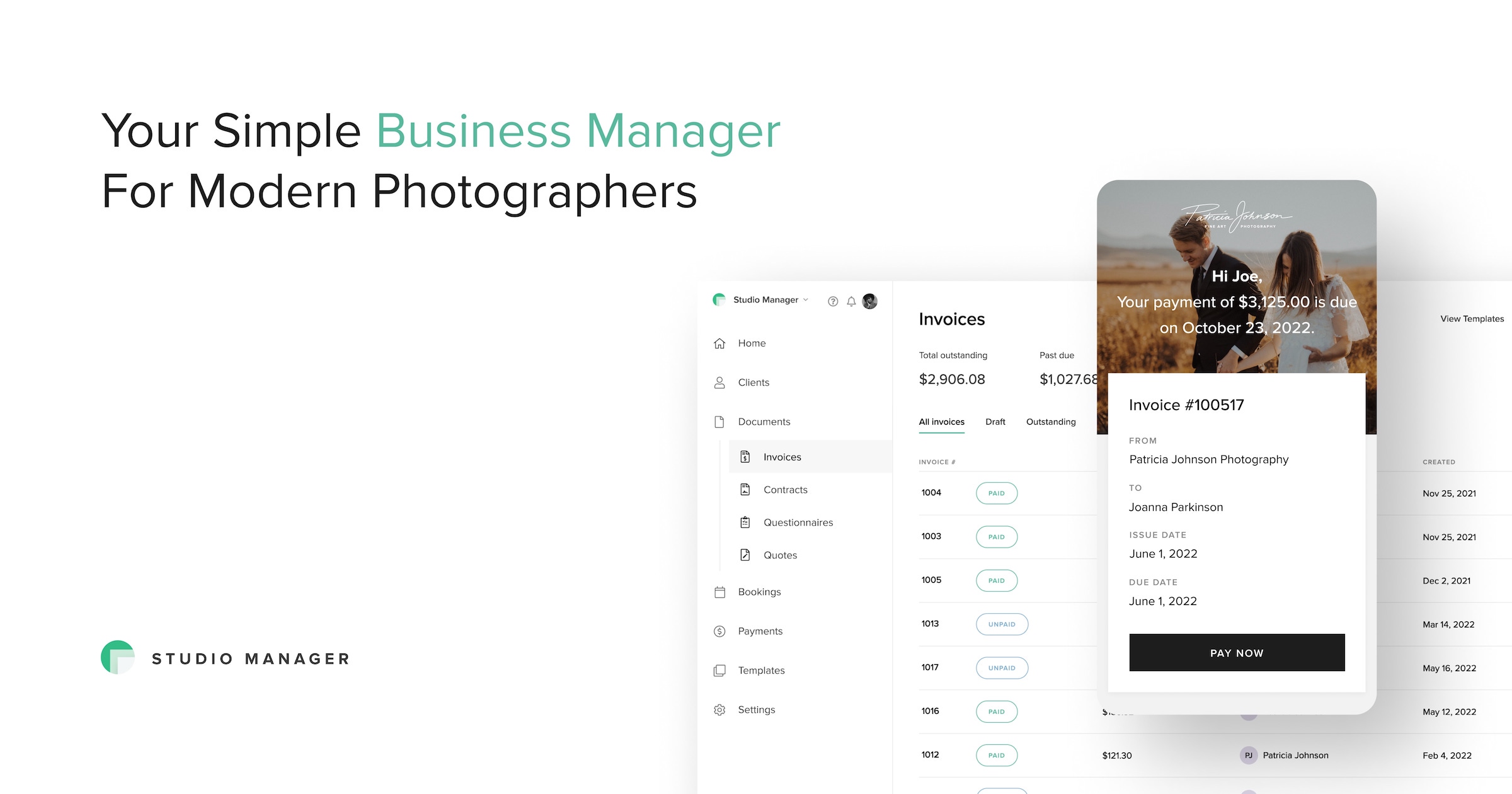
2 PixiesetPixieset Studio Manager serves 800,000+ photographers worldwide 8.8/10
Visit ↗
3 Studio NinjaStudio Ninja publishes pricing most photography CRMs hide 8.8/10
Visit ↗
See all 8 ranked
1 FieldPulseRanked #1 for support, but pricing hides behind a form. 9.0/10
Visit ↗
2 JobberJobber's support answers in under a minute, on average 8.9/10
Visit ↗
3 KnowifyKnowify syncs bi-directionally with QuickBooks Online 8.8/10
Visit ↗
See all 10 ranked
1 GrataGrata sources deals from 19M firms, pricing stays opaque 8.9/10
Visit ↗
2 SatuitSatuit publishes pricing where rivals hide it, from $150 8.9/10
Visit ↗
3 Allvue$8.5 trillion in assets tracked, but pricing stays hidden 8.8/10
Visit ↗
See all 7 ranked
1 SalesforceSalesforce Recruiting scales to $165-330 per user monthly 9.2/10
Visit ↗
2 Giig HireGiig Hire's free plan has no candidate or job limits 8.9/10
Visit ↗
3 LoxoLoxo owns an 800 million person talent graph in-house 8.9/10
Visit ↗
See all 10 ranked
1 AccuLynxAccuLynx runs $55 to $85 per user monthly 8.8/10
Visit ↗
2 JobNimbusJobNimbus hides pricing, but 8,000+ roofers still trust it 8.8/10
Visit ↗
3 Centerpoint ConnectCenterpoint Connect replaces five tools, hides its price 8.7/10
Visit ↗
See all 10 ranked
1 HubSpotHubSpot's free CRM holds 1 million contacts, no expiry 8.6/10
Visit ↗
2 OrderryOrderry syncs Shopify natively, no Zapier needed 8.6/10
Visit ↗
See all 2 ranked
03

About CRM Software

What the category is, how it developed, and what to look for. Two minutes, or the long read.

Customer Relationship Management (CRM) software is the foundational technology used by organizations to capture, track, and analyze interactions with current and potential customers. At its core, this category covers the systems of record for revenue-generating relationships, specifically managing the acquisition pipeline, sales execution, and the data architecture that underpins customer engagement. It solves the critical problem of fragmented customer data by unifying contact information, communication history, and opportunity status into a single, accessible source of truth.

Read the full category guide

What Is CRM Software?

CRM Software sits distinctively between Marketing Automation Platforms (which feed leads into the CRM) and ERP systems (which handle post-sale fulfillment, finance, and inventory). While Marketing Automation focuses on aggregate audience engagement and ERP focuses on back-office resource planning, CRM focuses on the one-to-one management of sales opportunities and relationship lifecycles. The category includes both general-purpose platforms adaptable to any B2B or B2C sales model and highly specialized vertical solutions designed for regulatory-heavy industries like healthcare, finance, and insurance.

For modern enterprises, CRM is no longer just a digital Rolodex; it is the operational engine of revenue. It provides the analytics required to forecast earnings, the workflow automation needed to scale sales teams, and the historical context necessary to prevent customer churn. From small businesses needing to organize contacts to multinational corporations orchestrating complex deal cycles, CRM Software is the non-negotiable infrastructure of commercial growth.

History of CRM Software

The evolution of CRM Software from the 1990s to the present is a narrative of shifting power—from the vendor to the buyer, and from the database to the intelligent agent. In the early 1990s, the landscape was dominated by Contact Management Software and Sales Force Automation (SFA) tools. These early on-premise solutions filled a critical gap: businesses had moved beyond physical filing systems but lacked a unified digital method to track sales activities. The primary value proposition was organizational memory—ensuring that if a salesperson left, their client data didn't leave with them.

The late 1990s marked the first seismic shift with the emergence of the "Software as a Service" (SaaS) model. A pioneering vendor launched the first fully cloud-based CRM in 1999, challenging the assumption that serious enterprise software required expensive on-premise servers and lengthy installation periods. This democratization of technology allowed mid-market companies to access tools previously reserved for the Fortune 500, sparking a "Cloud Wars" era that would define the next two decades.

The 2000s and 2010s were characterized by massive market consolidation. Large ERP incumbents, realizing they were losing the front-office battle, aggressively acquired niche CRM providers to bolster their portfolios. This period saw the integration of marketing and service modules into the sales core, expanding CRM from a sales tool into a "Customer Experience" suite. However, this expansion often resulted in "feature bloat," leading to a counter-movement of vertical-specific SaaS solutions. These niche players attacked the generalist platforms by offering pre-configured workflows for specific industries, such as construction or healthcare, arguing that a generic tool required too much customization to be viable.

Today, the market has shifted again, moving from "systems of record" to "systems of intelligence." Buyers no longer pay just for data storage; they pay for predictive insights. The expectation has evolved from "tell me what happened" to "tell me what to do next," driven by the integration of artificial intelligence and machine learning that can analyze vast datasets to score leads, recommend next actions, and forecast revenue with unprecedented accuracy.

What to Look For

Evaluating CRM software requires a disciplined approach to filter through aggressive marketing and feature bloat. The most critical evaluation criteria is workflow alignment. A platform may have thousands of features, but if it requires your team to click five times to log a call when your current process takes two, adoption will fail. Buyers must map their specific sales motion—whether it is high-velocity transactional sales or long-cycle consultative selling—against the tool's interface. Look for "clicks-to-completion" metrics for common tasks during demos.

Data portability and API openness are equally vital. A CRM is useless if it creates a data silo. You must verify the robustness of the API. Does it support bi-directional sync with your email client, calendar, and marketing tools in real-time? Beware of "native integrations" that are actually shallow links; ask to see exactly which data fields map over and how conflict resolution is handled when data differs between systems.

Red flags often appear in the contract and support terms. Be wary of vendors that obscure their data storage limits. Many "per user" pricing models have low caps on file storage or record counts, triggering expensive overage fees once you scale. Another major warning sign is a lack of sandbox environments in lower-tier plans. Testing configuration changes in a live environment is a recipe for data disaster; a reputable vendor should provide a safe testing space.

Key questions to ask vendors should pierce the veil of their sales pitch. Ask, "What is the ratio of active users to purchased licenses across your client base?" This reveals true adoption rates. Ask, "Can you show me the process for exporting all my data, including relational links, if I decide to leave?" If the answer involves a paid service request or a CSV dump that breaks data relationships, you are looking at a vendor that relies on lock-in rather than value.

Industry-Specific Use Cases

Retail & E-commerce

In the retail and e-commerce sector, CRM Software functions less as a sales pipeline and more as a unified customer data platform (CDP) and loyalty engine. The primary need here is omnichannel identity resolution—the ability to recognize that the customer browsing on a mobile app is the same person who bought a product in-store last week. Retailers evaluate CRMs based on their ability to ingest high-volume transactional data from Point of Sale (POS) systems and e-commerce platforms in real-time. Unlike B2B sales, where the focus is on managing a long deal cycle with a human buyer, retail CRM focuses on recency, frequency, and monetary (RFM) analysis to trigger automated marketing journeys.

A critical evaluation priority is the system's ability to handle loyalty program management and "clienteling"—giving in-store associates access to a customer's online purchase history to make personalized recommendations. Unique considerations include scalability for millions of consumer records (B2C scale) and strict compliance with consumer privacy laws like GDPR and CCPA, as retail data often contains highly sensitive personal identifiers.

Healthcare

For healthcare organizations, CRM Software is the backbone of patient engagement and referral management. The workflow here is distinct: it is not about "closing deals" but about managing the patient journey from initial inquiry to care delivery and post-treatment follow-up. A generic sales pipeline is often ill-suited for this; instead, healthcare buyers look for "Referral Management" capabilities that track incoming patients from different provider networks. The absolute non-negotiable requirement is HIPAA compliance (in the US) and similar data privacy standards globally. The CRM must sign a Business Associate Agreement (BAA) and offer enterprise-grade encryption for Protected Health Information (PHI).

Evaluation priorities focus on integration with Electronic Health Records (EHR) systems. A CRM that cannot read/write to the EHR creates dangerous data gaps. Furthermore, healthcare CRMs often need "household" management features to track family relationships, as care decisions are often made by guardians or family units rather than individuals.

Financial Services

Financial services, including wealth management, banking, and insurance, utilize CRM for relationship intelligence and householding. In wealth management, for example, the "deal" is never truly closed; the relationship is perpetual. Therefore, the CRM must handle complex data structures that link individuals to households, trusts, and business entities. This "many-to-many" relationship mapping is a specific pain point that generic tools often fail to handle gracefully. Financial CRM users prioritize features that surface "share of wallet" insights and life-event triggers (e.g., a client selling a business or having a child).

Compliance is paramount. Financial services CRMs must support WORM (Write Once, Read Many) compliant storage for audit trails to satisfy SEC or FINRA regulations. Unique considerations include "tear sheets" generation—one-page summaries of client assets and interactions for advisor meetings—and secure document exchange portals that integrate directly with the CRM record.

Manufacturing

In manufacturing, CRM usage shifts toward forecasting accuracy and supply chain visibility. Manufacturers often sell through a two-tier distribution model (selling to distributors who then sell to end-users). Consequently, their CRM needs to track not just direct sales, but "sell-through" data from partners. A generic CRM that only sees direct customers will miss 80% of the market picture. Manufacturing buyers prioritize Partner Relationship Management (PRM) portals where distributors can register deals and update inventory forecasts.

Another specific need is the integration with Configure, Price, Quote (CPQ) tools. Manufacturing products are complex and customizable; the CRM must be able to handle complex quoting workflows that reference live inventory and pricing data from the ERP. Evaluation criteria heavily weigh the system's ability to forecast demand based on pipeline probability, as this directly informs production schedules and raw material procurement.

Professional Services

For law firms, consultancies, and agencies, the CRM is the engine of project-based selling and expert utilization. The "product" is the firm's people and expertise. Therefore, Professional Services CRMs must bridge the gap between the sales pipeline and resource management. When a deal is marked "Closed-Won," it should trigger a project workflow, alerting practice leads to staff the engagement. Evaluation priorities include conflict-of-interest checking (critical for legal and accounting firms) and integration with time-tracking and billing software.

A unique consideration is the concept of "relationship scoring." In professional services, who knows whom is often more valuable than the data itself. Firms look for CRMs that can passively scrape email traffic to map the strength of relationships between partners and prospects, ensuring that business development efforts leverage the firm's strongest existing connections rather than cold outreach.

Subcategory Overview

Contact Management Platforms for Home Care Agencies

This niche serves agencies that provide non-medical home care, necessitating a platform that handles high-volume scheduling and caregiver matching rather than just sales. What makes this genuinely different from generic CRM is the requirement for Electronic Visit Verification (EVV) integration. In many jurisdictions, agencies cannot get paid by Medicaid or insurers unless they digitally verify that a caregiver was physically present at the client's home. Generic CRMs lack the geolocation and telephony features required to capture this proof of service.

A workflow that only this specialized tool handles well is the "caregiver matching" process. When a new client is onboarded, the system must filter thousands of caregivers not just by availability, but by certification level, language, pet allergies, and proximity. A generic sales tool cannot perform this multidimensional resource querying. The specific pain point driving buyers here is compliance risk and payroll leakage—agencies using generic tools often face audit failures or pay for unverified shifts. For a deeper look, read our guide to Contact Management Platforms for Home Care Agencies.

Contact Management Platforms for Contractors

General contractors and construction firms face a unique sales cycle that revolves around "bid management" rather than traditional lead nurturing. Unlike generic CRMs, these platforms are built to handle the tender process and document-heavy change orders. A generic CRM treats a deal as a single dollar value, but a contractor needs to break that deal down into materials, labor, and subcontractor costs—often integrating directly with blueprints and estimation tools.

The workflow unique to this niche is the transition from "bid" to "project." Once a bid is won, the platform must instantly convert the estimate into a project budget and schedule, accessible via mobile devices by field crews. Generic tools fail here because they lack offline mobile field access for crews working in areas with poor signal. The driving pain point is the disconnect between the office sales team and the field crew; generic tools leave field data trapped on paper, leading to massive billing delays. Learn more about Contact Management Platforms for Contractors.

Contact Management Platforms for Plumbers

While similar to contractor software, platforms for plumbers are hyper-specialized around dispatch and emergency response. The sales cycle here is often measured in minutes, not months. A customer calls with a leak, and the "sale" is actually a dispatch order. Generic CRMs are too slow and cumbersome for this high-velocity, transactional workflow. These tools feature visual dispatch boards that look more like air traffic control screens than sales pipelines.

A workflow unique to this category is the "visual price book" presentation. Plumbers in the field need to present options (Good, Better, Best) to a homeowner on an iPad, with pricing that automatically updates based on parts margins. Generic CRMs cannot support this visual, tiered quoting interface in the field. The specific pain point is missed upsell opportunities—without a specialized tool to present tiered options professionally, plumbers often default to the cheapest fix, leaving revenue on the table. Explore the tools in our guide to Contact Management Platforms for Plumbers.

Contact Management Platforms for Private Equity Firms

Private Equity (PE) operates on "deal flow" and "intermediary management," not traditional sales. A generic CRM is built for a linear funnel (Lead -> Opportunity -> Close), but PE deal-making is non-linear and relationship-centric. These platforms specialize in relationship intelligence—automatically mapping who knows whom across the firm's entire network of lawyers, bankers, and founders. They enrich contact data passively to show relationship strength scores, ensuring partners don't step on each other's toes.

The unique workflow is "intermediary coverage." PE firms need to track which investment bankers are showing them deals and the quality of those deals over time. A generic CRM struggles to track this "performance of the source" data effectively. The driving pain point is institutional memory loss—when a deal surfaces, partners need to know instantly if their firm looked at it three years ago and why they passed. Generic tools bury this context. Read more in our guide to Contact Management Platforms for Private Equity Firms.

Contact Management Platforms for Insurance Agents

Insurance agents require a system that acts as an "Agency Management System" (AMS) capable of handling policy lifecycles and carrier downloads. Unlike a generic sales, an insurance "sale" is a complex policy with renewal dates, riders, and carrier-specific details. The critical differentiator is integration with ACORD forms and the ability to process "daily downloads"—automated data feeds from major insurance carriers (via Ivans or similar networks) that update policy details without manual entry.

The workflow unique to this tool is the automated "renewal chaser." The system identifies policies expiring in 60 days, auto-generates a renewal quote comparison, and emails the client—all without agent intervention. Generic CRMs require heavy customization to track policy expiration dates and cannot ingest carrier data feeds, forcing manual data entry. The specific pain point is E&O (Errors and Omissions) liability caused by manual data entry errors in generic systems. Find out more about Contact Management Platforms for Insurance Agents.

Integration & API Ecosystem

In the modern tech stack, a CRM that stands alone is a liability. Integration capability is the single most significant predictor of CRM ROI. According to MuleSoft's Connectivity Benchmark Report, data silos remain a persistent challenge, with 81% of IT leaders reporting that silos hinder digital transformation efforts [1]. A CRM must act as the central nervous system, pushing and pulling data from marketing platforms, ERPs, and support ticketing systems.

Analyst Insight: Forrester highlights that effective integration fosters coherent inter-departmental communication, noting that companies with multiple poorly integrated systems face significantly higher communication challenges [2].

Scenario: Consider a mid-sized professional services firm with 50 employees. They use a generic CRM for sales, a separate tool for project management (like Asana), and QuickBooks for invoicing. Without a robust API integration, when a salesperson closes a deal, they manually email the project manager to set up the project. The project manager then manually re-enters the client data into their system. This manual handoff introduces a critical failure point: the "billing contact" field is typed incorrectly. Two months later, invoices bounce, cash flow is delayed, and the client is frustrated. A well-designed integration would automatically trigger the project creation and invoice setup the moment the opportunity stage moves to "Closed-Won," mapping fields precisely to prevent human error.

Security & Compliance

As CRMs increasingly host sensitive personal identifiable information (PII), they have become prime targets for cyberattacks. The cost of failure is astronomical; the IBM Cost of a Data Breach Report 2024 indicates the global average cost of a data breach has reached $4.88 million [3]. Security is no longer just an IT concern—it is a boardroom liability. Enterprise buyers must demand SOC 2 Type II compliance, data encryption at rest and in transit, and granular role-based access controls.

Expert Insight: Gartner analyst research emphasizes that compliance with privacy regulations like GDPR and CCPA is a top driver for data management investments, noting that poor data governance can lead to massive regulatory fines and reputational damage [4].

Scenario: A healthcare provider using a standard CRM stores patient intake forms as attachments. A sales rep downloads these forms to a personal laptop to work from home. The laptop is stolen. Because the CRM lacked "Mobile Device Management" (MDM) enforcement or automatic session timeouts, the thief accesses thousands of unencrypted patient records. If the organization had utilized a HIPAA-compliant CRM with mandated two-factor authentication and restricted download permissions, this breach would have been a non-event. The fallout involves notifying thousands of patients, paying federal fines, and suffering irreparable brand damage.

Pricing Models & TCO

CRM pricing is notoriously opaque. While the "sticker price" might be $50/user/month, the Total Cost of Ownership (TCO) is often 3x to 5x that amount. Hidden costs include storage overages, API call limits, "sandbox" environments for testing, and premium support tiers. Nucleus Research found that for every dollar spent on CRM implementation, the average return is $8.71, but this ROI is only achievable if TCO is managed correctly against adoption [5].

Analyst Insight: Forrester reports often highlight "high cost of ownership over time" as a primary dissatisfaction factor for enterprise CRM users, driven by unexpected add-on fees for essential features like mobile access or reporting [6].

Scenario: A rapidly growing logistics company with 25 users selects a CRM based on a $75/user annual contract. They budget $22,500/year. However, they fail to calculate storage costs for the high-resolution document scans they attach to records. Six months in, they hit the 10GB storage cap. The vendor charges $125/month for every additional 500MB. Suddenly, their storage fees exceed their license fees. Additionally, they need a "Sandboxes" feature to test a new workflow safely, which forces an upgrade to the "Enterprise" tier at $150/user. Their actual year-one spend balloons to over $60,000—nearly triple the initial budget.

Implementation & Change Management

The graveyard of failed technology projects is full of CRM implementations that ignored the human element. Industry statistics consistently show that CRM failure rates hover between 30% and 70%, with Gartner famously citing a failure rate near 50% for complex implementations [7]. The primary culprit is rarely the software itself, but rather "poor user adoption" and a lack of change management.

Expert Insight: A study by Forrester indicates that training and change management are often underfunded, yet they are the single biggest predictors of project success. Without user buy-in, the system becomes a "ghost town" of stale data [8].

Scenario: A manufacturing firm implements a sophisticated CRM to replace Excel spreadsheets. The executive team mandates its use but provides no training and does not retire the old spreadsheets. The sales team, finding the CRM fields "too mandatory" and time-consuming, continues to run their deals in Excel, entering only the bare minimum into the CRM on Friday afternoons to appease management. The result is "garbage in, garbage out." The forecasting dashboard shows zero revenue because no one updated their opportunities. The company spent $100,000 on software that is effectively an expensive address book, while the real business data remains siloed on individual laptops.

Vendor Evaluation Criteria

Selecting a vendor is a marriage, not a transaction. You are betting your revenue infrastructure on their roadmap. Critical criteria extend beyond features to ecosystem viability and support responsiveness. Does the vendor have a thriving marketplace of third-party apps? If not, you will pay for expensive custom development for every new tool you want to connect. Support SLAs are also vital; knowing the difference between "email support" (24-hour turnaround) and "premium phone support" (1-hour response) can be the difference between a minor glitch and a lost sales day.

Expert Insight: Gartner's Magic Quadrant reports emphasize "Completeness of Vision" and "Ability to Execute." They warn buyers against selecting "visionary" niche players who may lack the financial stability to support enterprise-scale deployments over 5-10 years [9].

Scenario: A financial services firm evaluates two vendors. Vendor A is an established giant with a massive partner ecosystem but a clunky interface. Vendor B is a sleek, modern startup with AI features but no third-party consultant network. They choose Vendor B for the user experience. Two years later, they need to integrate a legacy banking core system. Vendor B has no pre-built connector and no partners who know how to build one. The firm is forced to hire expensive freelance developers to build a custom bridge, which breaks every time Vendor B pushes an update. The "cheaper, modern" choice ends up costing significantly more in technical debt and maintenance.

Emerging Trends and Contrarian Take

Emerging Trends 2025-2026: The next frontier for CRM is the transition to Agentic AI. We are moving beyond "Generative AI" that writes emails to autonomous agents that execute multi-step workflows. By 2026, CRM agents will autonomously research leads, update records based on email context, and even initiate routine outreach without human prompts. Another major shift is Hyper-Specialization via Industry Clouds. The "one-size-fits-all" behemoths are rapidly decomposing their monoliths into industry-specific clouds (e.g., "Manufacturing Cloud," "Non-Profit Cloud") to combat the rise of vertical SaaS competitors.

Contrarian Take: The CRM as a "System of Record" is dying; the future belongs to "Systems of Action." Most organizations treat their CRM as a glorified database—a passive repository where sales reps go to die (administratively speaking). The industry is obsessed with "360-degree views" and "data lakes," but the counterintuitive truth is that more data often leads to less selling. The mid-market is massively overserved by complex platforms that demand endless data entry. The most successful sales teams of 2026 will likely use "headless" CRM technology—systems that exist entirely in the background, harvesting data from email, voice, and chat, while the rep never actually logs into a "CRM" interface. If your CRM requires your best earners to spend 20% of their week on data entry, you are paying a "productivity tax" that no software feature can offset.

Common Mistakes

Over-Customization Syndrome: Buyers often try to bend the software to replicate their exact legacy processes, rather than adapting their processes to the software's best practices. This leads to "Frankenstein" systems that cannot be upgraded because custom code breaks with every vendor release.

Ignoring the End-User: Buying committees often consist of executives and IT leaders, with zero input from the sales reps who will use the tool daily. If the interface is clunky or mobile access is poor, reps will revolt. Adoption is a bottom-up phenomenon, not a top-down mandate.

Dirty Data Migration: Companies frequently underestimate the effort required to clean data before importing it. Migrating thousands of duplicate contacts, invalid emails, and unformatted phone numbers into a new system immediately erodes trust. Users will ignore the new CRM if they see "junk" data on day one.

Questions to Ask in a Demo

  • "Can you show me the exact workflow for a rep to log a meeting and update a deal stage from their phone?" (If they switch to the desktop view or hesitate, the mobile app is likely weak.)
  • "Show me how to export all of my data, including activity logs and notes, in a readable format." (Tests data ownership and lock-in.)
  • "What features shown today are native, and which require third-party add-ons or premium tiers?" (Clarifies hidden costs.)
  • "How does the system handle duplicate detection during mass imports?" (Tests data hygiene capabilities.)
  • "Can you demonstrate a live integration with [Your Email Provider] right now?" (Verifies the most critical integration isn't just slideware.)

Before Signing the Contract

Final Decision Checklist: Ensure you have a clearly defined "Implementation Success Manager" from the vendor. Verify that the Service Level Agreement (SLA) guarantees at least 99.9% uptime with financial penalties for breaches. Confirm that your data resides in a jurisdiction compliant with your local laws (data residency).

Negotiation Points: Never accept the list price on multi-year contracts. Push for a "price protection cap" that limits how much the vendor can increase renewal fees (e.g., "renewal increases capped at 3% or CPI"). Ask for the "Sandbox" environment to be included for free. Negotiate the "true-up" period—ensure you aren't charged instantly for adding a temporary user during a busy season.

Deal-Breakers: Lack of an API access in the base tier is a non-starter. Proprietary data formats that make leaving difficult are unacceptable. If the vendor refuses to sign a Data Processing Agreement (DPA) for GDPR/CCPA compliance, walk away immediately.

Closing

Selecting the right CRM software is one of the most consequential infrastructure decisions a business can make. It requires balancing current needs with future scalability, and navigating a minefield of hidden costs and feature bloat. If you need guidance navigating these choices or have specific questions about your unique use case, please reach out.

Email: albert@whatarethebest.com

04

Research

Original reporting on this corner of the market.

All research

Sales representatives spend only 28% of their week actually selling

Jan 20, 2026

60% of market development funds go unused every quarter, leaving $35B untouched

May 25, 2026

Only 29% of sales enablement teams can directly tie their programs to revenue

May 11, 2026
05

Questions people ask

Which CRM Software is best?

Salesforce holds the highest score in the category at 9.3, in Contact Management Platforms for Digital Marketing Agencies. The right pick depends on the ranking that matches your use case, so start with the ranking list above.

Why are there 14 separate rankings?

Buyers in CRM Software have different jobs, so each ranking is scoped to one of them and weights the six criteria for that job. The same product can hold different ranks in different rankings.

How are the scores produced?

Documentation, pricing pages, security pages and third-party reviews are reviewed against six criteria. Each criterion records what was found and links its sources. Penalties pull the score down and are shown with their evidence. Rank follows the score. Full methodology.

06

More in CRM & Sales

The whole group