
- Home
- All categories
- Ecommerce & Retail Software
Software group
Ecommerce & Retail Software
This guide covers the 8 major subcategories of ecommerce and retail software — from store builders and POS systems to inventory management, marketplace tools, and subscription platforms. Each product is scored across 6 weighted categories with cited evidence.
01
Pick your category
8 categories, each with its own rankings. Open one to see them all.
Ecommerce Store Builders
All-in-one platforms providing visual interface, hosting, and checkout infrastructure for launching and managing online stores without extensive coding.
Inventory & Order Management Systems
Centralized tools for tracking stock levels, automating reorder points, and orchestrating multi-warehouse fulfillment across sales channels.
Marketplace Management Software
Middleware connecting merchant inventory to Amazon, eBay, Walmart, and other marketplaces with automated listing syndication and repricing.
Product Information Management (PIM) Tools
Systems for centralizing product data — descriptions, images, specifications — and syndicating consistent content across every sales channel.
Retail POS & Point of Sale Software
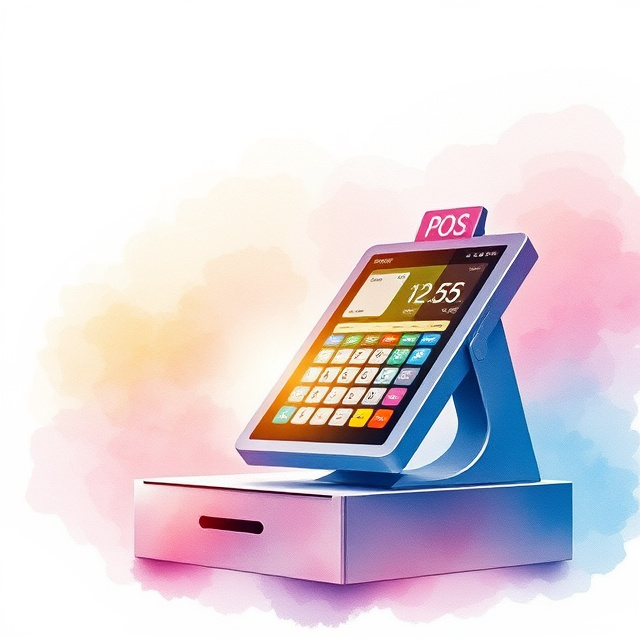
Cloud-based point-of-sale systems for processing in-store transactions, syncing real-time sales data with online inventory, and bridging the gap between physical retail and digital commerce to prevent overselling.
Shipping, Fulfillment & 3PL Software
Platforms automating carrier rate shopping, label generation, warehouse operations, and last-mile delivery across fulfillment networks.
Shopping Cart & Checkout Platforms
Specialized checkout infrastructure optimizing conversion rates through one-click payments, abandoned cart recovery, and multi-currency support.
Subscription & Membership Commerce Platforms
Recurring billing engines managing subscription lifecycles — trials, upgrades, dunning, churn reduction — for membership and box-commerce businesses.
02
Top picks in Ecommerce & Retail
The highest scorer from each vendor across 31 rankings. Tap Quick look for the facts, the catch and the price without leaving this page.
03
Not sure which category? Start here
Find the line that sounds like you. One click opens the ranking to read first.
If you are
D2C brand launching online
Open Ecommerce Store Builders
Also worth a look: Shopping Cart & Checkout Platforms
If you are
Retailer with physical + online
Open Retail POS & Point of Sale Software
Also worth a look: Inventory & Order Management Systems
If you are
Amazon / eBay / Walmart seller
Open Marketplace Management Software
Also worth a look: Shipping, Fulfillment & 3PL Software
If you are
Multi-channel brand (own site + marketplaces)
Open Inventory & Order Management Systems
Also worth a look: Product Information Management (PIM) Tools
If you are
Subscription / membership business
Open Subscription & Membership Commerce Platforms
Also worth a look: Shopping Cart & Checkout Platforms
If you are
High-SKU catalog (1,000+ products)
Open Product Information Management (PIM) Tools
Also worth a look: Inventory & Order Management Systems
If you are
Scaling fulfillment / 3PL outsourcing
Open Shipping, Fulfillment & 3PL Software
Also worth a look: Inventory & Order Management Systems
If you are
Optimizing checkout conversion
Open Shopping Cart & Checkout Platforms
Also worth a look: Ecommerce Store Builders
04
Ecommerce by Industry Use Case
What each kind of team should weigh first.
D2C BrandsThe commerce platform is the primary brand touchpoint.Prioritize: Brand experience & customer data ownership
B2B WholesaleMust support complex pricing tiers, punchout catalogs (Ariba, Coupa), approval workflows, parent-child accounts, and invoice/ACH payment.Prioritize: Complex pricing & procurement workflows
Omnichannel RetailersThe challenge is unified inventory visibility — real-time bi-directional sync with POS and WMS for BOPIS, ship-from-store, and Endless Aisle.Prioritize: Unified inventory & distributed order management
Marketplace SellersFocused on channel syndication and automated repricing to win the Buy Box.Prioritize: Channel syndication & repricing automation
Subscription BusinessesCritical metric is churn reduction — distinguishing voluntary from involuntary churn.Prioritize: Churn reduction & dunning automation
05
What Is Ecommerce & Retail Software?
The short version, then the long read for anyone who wants it.
Ecommerce and Retail Software is the infrastructure that powers buying and selling across digital and physical channels. While often reduced to a “shopping cart,” enterprise-grade commerce software solves a far more complex set of problems: orchestrating inventory, processing transactions, managing customer data, and synchronizing logistics across a fragmented supply chain.
Read the full guide (1,337 words)
This software bridges a brand’s backend operations — supply chain, warehousing, finance — with the frontend customer experience. It serves everyone from D2C startups to multinational B2B manufacturers and omnichannel retailers. The imperative is not merely to capture an order, but to ensure its profitability by optimizing fulfillment logic, minimizing inventory distortion, and maximizing customer lifetime value.
A Brief History
The category emerged with Electronic Data Interchange (EDI) in the 1960s–70s, but the true precursor to modern ecommerce appeared in 1979, when Michael Aldrich connected a modified television to a transaction-processing computer via telephone line.[1] The 1990s brought the “Monolithic Era” of rigid, on-premise platforms.[2] The mid-2000s introduced the SaaS revolution, shifting from CapEx to OpEx. Flat-fee shipping memberships in 2005 fundamentally altered consumer expectations.[3]
The current era is defined by “Headless” and “Composable” commerce — decoupling the frontend presentation layer from the backend commerce engine via APIs. Businesses implementing headless commerce report a 20% decrease in load times on average, and a 1-second improvement in page load can increase conversions by 2%.[11]
What to Look For & Red Flags
Evaluating ecommerce software requires looking beyond the feature list to the underlying architecture and ecosystem. The most critical evaluation criterion for modern buyers is extensibility. No single platform can natively handle every requirement of a complex business. Assess the quality of the platform’s APIs — are they well-documented? Do they have rate limits that will throttle performance during peak traffic like Black Friday?
Another critical factor is Inventory Visibility and Latency. In an omnichannel environment, the platform must serve as the “single source of truth” for inventory. If a product sells out in a physical store, how many minutes (or seconds) does it take for that data to reflect on the website? High latency leads to “overselling” — accepting orders for out-of-stock items — which destroys customer trust.
Red Flag: Be wary of “All-in-One” suites claiming best-in-class for every function. Rarely is a vendor the market leader in CMS, email marketing, shipping, AND POS simultaneously. Also watch for proprietary coding languages that lock you into a small developer pool, driving up TCO.
Key Questions to Ask Vendors
- “What is your API rate limit, and what happens when we exceed it during a flash sale?”
- “Can you demonstrate the workflow for a split shipment fulfilled from two locations?”
- “How does the platform handle multi-currency reconciliation at the database level?”
- “What is the guaranteed SLA response time for a Severity 1 outage on weekends?”
The Total Cost of Ownership (TCO)
One of the most common pitfalls is fixating on licensing fees while ignoring the submerged bulk of the TCO iceberg. Implementation costs for enterprise commerce platforms often range from 3–5x the annual license cost.[15] Integration costs typically account for roughly 5% of 3-year TCO, but brittle integrations can cause operational costs to skyrocket.[16]
Inventory Accuracy: The Trillion-Dollar Problem
“Inventory distortion” — the combined cost of out-of-stocks and overstocks — is projected to reach $1.7 trillion globally.[13] Retailers deploying AI for inventory management achieve sales growth 2.3x higher than competitors using traditional methods.[14]
International Expansion
Cross-border ecommerce is expected to reach nearly $4.81 trillion by 2032.[17] Key considerations include Merchant of Record (MoR) services for tax compliance, localized payment methods (iDEAL in Netherlands, Boleto in Brazil), “Landed Cost” calculation at checkout, and GDPR/accessibility compliance.[18]
Post-Purchase Experience
Return rates in ecommerce hover between 16.9%–24.5% depending on category.[19][20] 92% of customers are more likely to purchase again if returns are easy.[21] Effective post-purchase communication drives 15–30% higher retention.[22]
Industry-Specific Use Cases
D2C Brands
The commerce platform is the primary brand touchpoint. Prioritize experience-led commerce with rich media support, headless frontend flexibility, deep parcel carrier integrations, and ownership of customer data for retargeting.[4]
B2B Wholesale
Must support complex pricing tiers, punchout catalogs (Ariba, Coupa), approval workflows, parent-child accounts, and invoice/ACH payment. B2B ecommerce is projected to reach over $36 trillion by 2026.[5]
Omnichannel Retailers
The challenge is unified inventory visibility — real-time bi-directional sync with POS and WMS for BOPIS, ship-from-store, and Endless Aisle. Requires distributed order management (DOM) to route orders intelligently.[7]
Marketplace Sellers
Focused on channel syndication and automated repricing to win the Buy Box. Must track inventory across FBA and FBM pools, calculate net margin after variable marketplace commissions.[8]
Subscription Businesses
Critical metric is churn reduction — distinguishing voluntary from involuntary churn. Require automated dunning, card updater services, and flexible logic (skip, swap, change frequency). Economy projected to hit $1.5T by 2033.[9]
Common Mistakes & Contract Red Flags
Overbuying and Feature Bloat
Buyers often insist on enterprise-grade features they’re not operationally ready to use — paying for a Ferrari to drive in a school zone. This increases complexity and TCO without delivering value.
Underestimating Data Migration
Customer password hashes often cannot be migrated (forcing all customers to reset passwords, killing conversion). 40% of companies struggle with data accuracy during replatforming.[26]
Ignoring Change Management
New platforms fail when teams are not trained or bought in. A technically superior system that staff resist using delivers worse results than a mediocre system the team embraces. Budget 15–20% of project cost for training and internal advocacy.
Deal-Breakers to Watch For
Auto-Renewal Clauses with 90-day cancellation notice periods. Data Ownership clauses making export expensive. GMV Revenue Share that penalizes your success — if your business grows 10×, does the vendor’s fee also grow 10×?
Questions for the Demo
- “Show me your API response time latency during peak loads for the last two years.”
- “Show me how a non-technical marketing user can change the checkout flow without engineering support.”
- “Which roadmap features are committed for the next 12 months vs. aspirational?”
Negotiation Points
Push for flat-rate pricing over GMV-based models when your growth trajectory is strong. Request data portability guarantees in writing. Negotiate SLA commitments with financial penalties for downtime during peak shopping periods (Black Friday, Cyber Monday). Ask for a proof-of-concept period before committing to annual contracts.
References & Sources
- The Fulfillment Lab — History of ecommerce; Michael Aldrich’s 1979 invention of electronic shopping via modified television and telephone line.
- IWD Agency — The history of ecommerce: how did it all begin? Overview of monolithic on-premise commerce platforms in the 1990s–2000s era.
- Miva Blog — The history of ecommerce: from 1991 to today. Amazon Prime launch and the reshaping of consumer expectations for delivery speed.
- Unicommerce — Key challenges D2C brands face and how to overcome them. Direct-to-consumer platform requirements and customer data ownership trends.
- SaleSso — Ecommerce business statistics. B2B ecommerce market size projected to exceed $36 trillion by 2026.
- Ultra Commerce — B2B ecommerce platform capabilities. Complex pricing, quoting, and procurement workflow requirements for B2B commerce.
- ContactPigeon — Omnichannel statistics. Distributed order management and unified inventory visibility requirements across channels.
- SellerActive — Multichannel automated repricing capabilities. Channel syndication, Buy Box mechanics, and multi-marketplace margin analysis.
- Swell — Subscription commerce statistics. Subscription commerce projected to reach $1.5 trillion by 2033.
- Optimized Payments — 6 common challenges that disrupt recurring billing. Payment retry logic, dunning management, and churn reduction strategies.
- Swell — Headless commerce trends & statistics. 20% decrease in page load times; 1-second improvement yields 2% conversion lift.
- Salesforce — Composable vs. headless commerce. API-first architecture patterns and modular commerce stack design.
- IHL Group — Fixing inventory distortion: are we there yet? Combined cost of out-of-stocks and overstocks projected to reach $1.7 trillion globally.
- IHL Group — Retail inventory crisis persists despite $172 billion in improvements. AI-driven inventory optimization achieving 2.3× higher sales growth.
- Better Commerce — Understanding the total cost of ownership. Enterprise platform implementation costs range from 3–5× annual license cost.
- Visualsoft — Ecommerce TCO 10-point checklist. Integration costs average ~5% of 3-year TCO; brittle integrations amplify operational costs.
- Coherent Market Insights — Cross-border ecommerce market forecast. Expected to reach $4.81 trillion by 2032.
- YouTube — Cross-border commerce compliance deep dive. Merchant of Record services, localized payments, landed cost calculation, and GDPR considerations.
- Return Prime — Ecommerce return trends. Return rates between 16.9%–24.5% depending on category.
- Red Stag Fulfillment — Average return rates for ecommerce. Supporting data on return rate ranges by product category.
- Rocket Returns — Ecommerce return rates 2025: complete industry analysis & benchmarks. 92% of consumers more likely to purchase again when returns are easy.
- Marketing LTB — Customer retention statistics. Post-purchase communication drives 15–30% higher customer retention.
- inRiver — Composable commerce resources. Modular PIM architecture and product data syndication across channels.
- Digital Sense AI — AI in ecommerce. Personalization engines, demand forecasting, and dynamic pricing powered by machine learning.
- commercetools — AI trends shaping agentic commerce. Autonomous purchasing agents, conversational commerce, and AI-first platform architecture.
- Crystallize — PIM statistics. 40% of companies report data accuracy struggles during commerce platform migration.
06
Questions people ask
What’s the difference between an ecommerce store builder and a shopping cart platform?
Store builders like Shopify and BigCommerce are all-in-one platforms that provide hosting, storefront design, payment processing, and basic inventory management in a single package. Shopping cart and checkout platforms are specialized tools focused narrowly on optimizing the checkout experience — conversion rates, abandoned cart recovery, one-click payments, and multi-currency support. If you’re launching a new online store from scratch, start with a store builder. If you already have a website or headless frontend and need to bolt on a high-performance checkout flow, a dedicated cart platform is the better fit.
Do I need a PIM tool if I already use Shopify?
If you sell fewer than a few hundred SKUs on a single channel, Shopify’s built-in product fields are probably sufficient. A Product Information Management (PIM) tool becomes essential when you manage thousands of SKUs, sell across multiple channels (your own store, Amazon, Walmart, wholesale portals), or need to maintain rich product data — multiple images, size charts, localized descriptions, and compliance specs. PIM systems centralize that data in one place and syndicate it consistently everywhere, eliminating the manual spreadsheet chaos that leads to listing errors and returns.
How do ecommerce platforms handle multi-currency and international tax?
Most modern platforms offer multi-currency storefronts that display localized prices based on the buyer’s location, but the depth varies significantly. Some handle only display currency conversion while leaving tax and duties to the merchant. Enterprise platforms and Merchant of Record services (like FastSpring or Paddle) automate VAT/GST collection, landed cost calculation, and cross-border tax remittance. The cross-border ecommerce market is projected to reach $4.81 trillion by 2032, so if international sales are part of your roadmap, evaluate platforms specifically on their tax engine, currency settlement, and GDPR compliance — not just whether they can show a price in euros.
What should I budget for total cost of ownership beyond the subscription fee?
The subscription sticker price is typically 20–30% of your real cost. Implementation and customization for enterprise platforms can run 3–5× the annual license fee. Integration costs — connecting your ERP, warehouse management system, payment gateway, and marketing tools — average roughly 5% of the 3-year total cost of ownership. On top of that, factor in transaction fees (payment processing, marketplace commissions), theme or template customization, ongoing developer support, and staff training. Always request a full TCO breakdown before signing, not just the monthly rate.
Can I use marketplace management software alongside my own online store?
Absolutely — that’s the primary use case. Marketplace management software acts as middleware that connects your product catalog and inventory to Amazon, eBay, Walmart, and other marketplaces while keeping your own storefront as the primary channel. These tools automate listing syndication, repricing, and order routing so you don’t manually update each channel. The key is pairing it with an inventory and order management system to maintain a single source of truth for stock levels, preventing overselling when an item sells on one channel before the others update.

Organizations employing modular architectures outpace competitors by 80% on feature speed

C.H. Robinson expects to save $336 million from artificial intelligence implementation
Hospitality faces a global shortfall of 9 million workers by 2035

Merchants now lose $29 for every new customer acquired, up 222% from 2013
 A
A
#1 of 14 in E-commerce Store Builders for Ecommerce Brands
Accio
accio.comAlibaba's AI sourcing agent hides pricing off its site.
An AI sourcing agent from Alibaba that finds suppliers, negotiates terms, and analyzes B2B market trends.
Best forB2B buyers and importers needing AI-driven supplier sourcing and vetting.
Not forRetailers wanting a direct B2C storefront or full dropshipping automation.
10 million+Monthly active usersprnewswire.com
4.7/5App Store ratingapps.apple.com
Starting price
$9.90/moStarter plan, listed only inside the app
Six criteria vs category average
Dark tick = category average
Why it wins
- Automates supplier sourcing across Alibaba platforms
- Deep integration with 1688, Taobao, AliExpress
- Real-time market insights and pricing data
Where it slips
- Pricing not shown on main website
- Limited mostly to Alibaba-owned marketplaces
- Some reviews call it repackaged Alibaba filters
One factAccio reached over 10 million monthly active users by March 2026. prnewswire.com
One catchPricing details are missing from Accio's main marketing website. automateed.com
Quote onlyNot published on main site (app lists plans from $9.90/mo)
The takeAccio automates B2B sourcing across Alibaba's platforms, drawing on data from 1688, Taobao, and AliExpress. It reached 10 million monthly active users within about a year of launch. Pricing stays hidden until users check the app or create an account.
The evidence: 6 criteria, 1 penalty
9.8
Product Capability & DepthLooked for: A comprehensive suite of AI tools capable of handling complex B2B sourcing workflows, supplier matching, and market analysis.Accio functions as a robust AI sourcing agent that automates the entire procurement workflow. It offers Deep Search for multi-platform supplier discovery, Business Research for trend validation, and integrates directly with Alibaba, 1688, Taobao, and AliExpress.play.google.com
9.8
Market Credibility & Trust SignalsLooked for: Strong industry backing, widespread user adoption, and verified trust signals in the global B2B marketplace sector.Accio is backed by Alibaba International and rapidly reached over 10 million monthly active users globally by March 2026. It is trusted by millions of business users to streamline their sourcing.prnewswire.com
9.8
Usability & Customer ExperienceLooked for: An intuitive, user-friendly interface that simplifies complex global procurement tasks without requiring extensive technical knowledge.The platform provides a conversational Agent Mode that requires no complex setup or coding. Users praise its ability to save time, with mobile apps rating highly (4.6-4.7/5 on Apple App Store) for ease of use.apps.apple.com
9.8
Value, Pricing & TransparencyLooked for: Clear, accessible pricing structures with a strong return on investment for small-to-medium enterprises.While the mobile app lists subscription tiers (Starter at $9.90/mo, Pro at $19.90/mo), pricing details are notably absent from the main website without creating an account or logging in.automateed.com
9.8
Integrations & Ecosystem StrengthLooked for: Seamless connectivity with major wholesale marketplaces and external communication tools for logistics and marketing.Accio is deeply integrated with Alibaba's proprietary ecosystem (1688, Taobao, AliExpress) and allows AI agents to connect with channels like Telegram, WhatsApp, and Discord for operational execution.accio.com
9.8
Security, Compliance & Data ProtectionLooked for: Robust security protocols, data sovereignty options, and compliance management for enterprise-grade operations.Accio Work utilizes a security-first approach with sandboxed environments and granular permission management. High-stakes financial actions require explicit user approval, and it respects data sovereignty.digitalcommerce360.com
Score adjustments−0.04 points in total
−0.04Lack of transparent pricing on the primary web platform; users must navigate to mobile app stores or create accounts to find subscription costs.automateed.com · severity 55/100
Is Accio free to use?
Accio does not publish pricing on its main website. The mobile app lists a Starter plan at $9.90 per month and a Pro plan at $19.90 per month, based on third-party review sources.
What platforms does Accio connect to?
Accio integrates directly with Alibaba.com, 1688, Taobao, and AliExpress for supplier sourcing. It also connects to Telegram, Discord, and WeChat so agents can operate inside existing chat tools.
 S
S
#2 of 14 in E-commerce Store Builders for Ecommerce Brands
Shopify
shopify.comShopify Magic AI is free, but it hallucinates SEO data
Free AI tools built into Shopify's admin for drafting content, editing product images, and generating theme code.
Best forDropshippers and solo founders wanting fast AI-assisted store setup
Not forUsers who prefer deep, manual control over design elements
~$1TCumulative global sales processedredstagfulfillment.com
30%US ecommerce market shareomnisend.com
11,905Shopify App Store appsuptek.com
By the numbers
~$1Tcumulative global sales processed
30%of US ecommerce runs on Shopify
11,905apps in the Shopify App Store
Source: redstagfulfillment.com
The thing people get wrong
Shopify Magic can safely auto-generate all your SEO metadata
Shopify support confirms the AI can hallucinate technical SEO data and product codes with no setting to prevent it
Source: community.shopify.com
Six criteria vs category average
Dark tick = category average
Why it wins
- AI tools included free on all plans
- Native integration in admin dashboard
- Generates custom Liquid code blocks
Where it slips
- AI hallucinates technical SEO metadata
- Cannot generate a full store instantly
- Extra 2% fee on external gateways
One factShopify Magic tools are included free on every subscription plan, regardless of tier. help.shopify.com
One catchShopify's AI has been documented hallucinating technical SEO metadata and altering product codes. community.shopify.com
paidFrom $39 per month, Shopify Magic AI tools included free
The takeShopify Magic bundles AI text generation, background removal, and Liquid code generation directly into the admin dashboard at no extra cost, unlike bolt-on AI subscriptions from competitors. Shopify itself has processed roughly $1 trillion in cumulative sales and powers about 30% of US ecommerce. The catch is reliability: Shopify's own support confirmed there is no setting to stop the AI from hallucinating SEO data or ignoring character limits, a real risk for catalog integrity.
The evidence: 6 criteria, 2 penalties
9.8
Product Capability & DepthLooked for: An assessment of the AI features natively available for building and managing a Shopify storefront.Shopify Magic provides built-in text generation, image background removal, and theme suggestions. However, it functions more as an assistive content tool than a comprehensive AI site generator, requiring merchants to manually assemble sections.dropmagic.aihelp.shopify.com
9.8
Market Credibility & Trust SignalsLooked for: Verifiable adoption metrics, market share, and enterprise presence indicating strong industry trust.Shopify commands massive market presence, powering between 4.8 million and 6.5 million active stores globally. It processes over $1 trillion in cumulative order value and dominates the US market.omnisend.comredstagfulfillment.com
9.8
Usability & Customer ExperienceLooked for: The ease of integrating AI features into the merchant's daily workflow without requiring advanced technical skills.The AI tools are seamlessly integrated directly into the Shopify admin dashboard, media editor, and theme editor. This eliminates the friction of jumping between external applications or copy-pasting data.tooltester.comautophoto.ai
9.8
Value, Pricing & TransparencyLooked for: Clarity of platform costs, including subscription tiers, payment processing rates, and hidden fees.Shopify Magic AI features are included for free on all standard plans. However, overall platform value is impacted by rigid third-party transaction fees that penalize merchants who don't use Shopify Payments.help.shopify.comcommunity.shopify.com
9.8
Integrations & Ecosystem StrengthLooked for: The breadth and depth of third-party apps and plugins available to extend the platform's core capabilities.The Shopify App Store is one of the largest ecommerce ecosystems globally, hosting nearly 12,000 active applications that address marketing, fulfillment, dropshipping, and advanced design.uptek.comthruways.co
9.5
AI Limitations & ReliabilityLooked for: Documented constraints, accuracy issues, or scalability problems with the built-in AI tools.The AI image editor lacks bulk processing and offers inconsistent quality for complex images. Furthermore, the text generation AI has been documented hallucinating technical SEO data and ignoring user constraints.eesel.aicommunity.shopify.com
Score adjustments−0.14 points in total
−0.09Sidekick and Magic AI tools documented to hallucinate technical SEO metadata, alter alphanumeric product codes, and ignore character limits, risking catalog integrity.community.shopify.com · severity 80/100
−0.05Shopify enforces an unavoidable 0.6% to 2.0% transaction fee on merchants using third-party payment gateways, heavily criticized as anti-competitive.community.shopify.com · severity 65/100
Does Shopify Magic cost extra?
No. Shopify Magic's AI tools are included free on every subscription plan, starting at $39 per month for the base Shopify plan.
Can Shopify's AI make mistakes in product data?
Yes. Shopify support has confirmed the AI can hallucinate technical SEO metadata and alter alphanumeric product codes, with no setting available to fully prevent it.
 W
W
#3 of 14 in E-commerce Store Builders for Ecommerce Brands
Weebly
weebly.comWeebly is the only builder with a free ecommerce plan
Website builder powering 50M+ sites with a free ecommerce plan and Square POS sync.
Best forAbsolute beginners wanting a low-cost online store fast.
Not forFast-growing brands needing advanced scalability and app ecosystems.
50M+Websites poweredtechradar.com
$10/moStarting paid priceweebly.com
Before you sign up
- Want a free plan with real ecommerce
- Need AI website building tools
- Already use Square POS
Six criteria vs category average
Dark tick = category average
Why it wins
- Free plan includes ecommerce features
- Seamless Square POS integration
- Intuitive drag-and-drop interface
Where it slips
- Templates seen as outdated
- No AI website building tools
- 3% transaction fee on Pro plan
One factWeebly is the only major website builder offering a free plan with full ecommerce access. techradar.com
One catchTemplates are widely reported as outdated and rigid, often requiring workarounds for significant changes. websitebuilderexpert.com
freemiumFree plan with ecommerce, paid from $10-$26/mo
The takeWeebly remains the only major website builder offering a free plan with full ecommerce access. That accessibility pairs with deep Square POS integration for businesses selling online and in person. Templates, though, are widely reported as outdated and rigid, with no AI building tools added since the Square acquisition.
The evidence: 6 criteria, 3 penalties
9.8
Product Capability & DepthLooked for: We evaluate the feature set, design flexibility, and functional completeness relative to modern website building standards.Weebly offers a solid drag-and-drop builder with built-in ecommerce, but research indicates its template designs are outdated and it lacks modern AI features found in competitors.weebly.comweebly.comtechradar.com
9.8
Market Credibility & Trust SignalsLooked for: We assess the product's longevity, user base size, and corporate backing to determine long-term reliability.Weebly powers over 50 million websites and is owned by Square (Block, Inc.), providing exceptional stability and market trust.techradar.comtechradar.comwebnots.com
9.8
Usability & Customer ExperienceLooked for: We examine the learning curve, ease of navigation, and quality of support resources for non-technical users.Research consistently highlights Weebly's interface as one of the easiest to use, with a 'flawless' drag-and-drop editor ideal for beginners.weebly.comfirstsiteguide.comtooltester.com
9.8
Value, Pricing & TransparencyLooked for: We analyze pricing tiers, hidden costs, and the value provided relative to the cost, specifically looking for free tier utility.Weebly is unique in offering a free plan that includes ecommerce capabilities, though higher tiers can become less competitive in value.weebly.comtechradar.comweebly.com
9.8
Integrations & Ecosystem StrengthLooked for: We look for the breadth of third-party apps and the depth of integration with parent company tools.The platform benefits from deep integration with Square's payment and POS systems, alongside a dedicated App Center for third-party tools.weebly.comtechradar.comfirstsiteguide.com
9.8
Security, Compliance & Data ProtectionLooked for: We verify the presence of essential security features like SSL, DDoS protection, and compliance standards.Weebly provides automatic SSL certificates, DDoS mitigation, and handles security infrastructure, removing the burden from the user.weebly.comweebly.com
Score adjustments−0.19 points in total
−0.09Templates are widely reported as outdated and rigid compared to competitors, with limited design flexibility.websitebuilderexpert.com · severity 65/100
−0.07The platform lacks modern AI website building tools and has seen feature stagnation since the Square acquisition.websitebuilderexpert.com · severity 55/100
−0.03A 3% transaction fee is applied to sales on the Pro plan, which is not removed until upgrading to higher tiers.nocodera.com · severity 45/100
Does Weebly's free plan support ecommerce?
Yes. Weebly is the only major website builder currently offering a free plan with full ecommerce access, though paid plans add more storage and remove fees.
Does Weebly have AI website building tools?
No. Unlike Wix or Squarespace, Weebly does not offer an AI site builder, and reviewers note its templates feel outdated by comparison.
 W
W
#1 of 13 in E-commerce Store Builders for Ecommerce Businesses
Wix
wix.comWix skips extra transaction fees but locks in templates.
An all-in-one ecommerce builder with drag-and-drop design, no added gateway fees, and up to 50,000 products.
Best forBeginners and small to medium stores wanting an all-in-one builder.
Not forMassive stores needing thousands of variants or easy template switching.
258 million+Registered usersmagecomp.com
$1.76 billion2024 revenueuptek.com
Six criteria vs category average
Dark tick = category average
Why it wins
- No added fees on third-party gateways
- Drag-and-drop editor needs no coding
- Over 800 professionally designed templates
Where it slips
- Cannot switch templates without a rebuild
- App market has about 500 apps only
- Storage capped at 50 to 100GB
One factWix adds zero transaction fees for using third-party payment gateways. wix.com
One catchSwitching templates after launch means rebuilding the whole site. support.wix.com
paidFrom $29/mo for the Core ecommerce plan
The takeWix charges no extra fee for outside payment gateways, unlike many rivals. The editor supports up to 50,000 products and over 800 templates, according to third-party trackers. Its app market holds roughly 500 apps, far fewer than Shopify's library.
The evidence: 6 criteria, 3 penalties
9.8
Product Capability & DepthLooked for: We evaluate the platform's core eCommerce features, including storefront customization, product management limits, and built-in sales tools.Wix offers a robust drag-and-drop editor with over 500 templates and supports up to 50,000 products on standard plans, though it lacks the deep inventory complexity of enterprise-first platforms.wix.comwix.comwithorb.com
9.8
Market Credibility & Trust SignalsLooked for: We assess the company's financial stability, user base size, and market presence to ensure long-term reliability.Wix is a publicly traded NASDAQ company with over 258 million registered users and $1.76 billion in 2024 revenue, powering millions of live websites globally.forbes.comuptek.commagecomp.com
9.8
Usability & Customer ExperienceLooked for: We examine the ease of use for non-technical users, quality of support, and interface intuitiveness.Wix is renowned for its intuitive drag-and-drop editor and 24/7 customer support, though the inability to switch templates without rebuilding the site is a significant usability friction point.support.wix.comperiodontalperfection.grtheretailexec.com
9.8
Value, Pricing & TransparencyLooked for: We analyze pricing tiers, transaction fees, and hidden costs relative to the features provided.Plans range from $29 to $159/month with no additional transaction fees for third-party payment gateways, offering excellent value compared to competitors who charge extra.wix.comwix.comwebsitebuilderexpert.com
9.8
Integrations & Ecosystem StrengthLooked for: We evaluate the availability and quality of third-party apps and integrations to extend store functionality.The Wix App Market offers over 500 apps for marketing and logistics, which is substantial but significantly smaller than the ecosystems of primary competitors.wix.comuptek.comsqmagazine.co.uk
9.5
Security, Compliance & Data ProtectionLooked for: We verify the platform's adherence to industry security standards, data encryption, and compliance certifications.Wix maintains enterprise-grade security with PCI DSS Level 1 certification, SOC 2 Type 2 compliance, and ISO 27001/27018 certifications.support.wix.comsupport.wix.comvismarketing.co.uk
Score adjustments−0.20 points in total
−0.08Users cannot switch their website template after the site is created; changing the design requires creating a new site and manually migrating content.support.wix.com · severity 75/100
−0.07Standard eCommerce plans (Core and Business) have a storage limit of 50GB to 100GB, unlike the unlimited storage often found in competitor plans.davydovconsulting.com · severity 50/100
−0.05The app ecosystem is significantly smaller than market leaders, with approximately 500 apps compared to thousands on platforms like Shopify.uptek.com · severity 45/100
Does Wix charge extra for using Stripe or PayPal?
No. Wix does not add extra transaction fees when merchants use third-party payment gateways. Wix Payments itself charges 2.9% plus $0.30 per transaction, per the company's payments page.
Can I change my Wix template later?
Not directly. Wix does not allow switching templates on an existing site. Users must build a new site and manually transfer content and settings, according to Wix support documentation.
 1
1
#2 of 13 in E-commerce Store Builders for Ecommerce Businesses
10Web
10web.io10Web builds WooCommerce stores in minutes, caps visitors
AI generates full WooCommerce WordPress stores on managed Google Cloud hosting in minutes.
Best forFreelancers and small businesses wanting fast, AI-built WordPress stores.
Not forTotal beginners uncomfortable working inside the WordPress ecosystem.
Starting price
$11/moAI Ecommerce Starter, overage fees apply past visitor cap
Six criteria vs category average
Dark tick = category average
Why it wins
- AI builds WooCommerce stores in minutes
- Google Cloud hosting, 99.9% uptime
- Automated Amazon S3 backups included
Where it slips
- Strict visitor limits trigger overage fees
- Learning curve for WordPress beginners
- No custom email hosting included
One fact10Web generates a fully functional WordPress site in 2 to 3 minutes, complete with pages and images. max-productive.ai
One catchTraffic overages cost $2 per extra 10,000 monthly visitors once a plan's cap is exceeded. hostingcharges.in
paidAI Ecommerce Starter plan from $11/mo
The take10Web ranks second among ecommerce store builders with a 9.5 score. Its AI generates a working WooCommerce store in 2 to 3 minutes on Google Cloud hosting. Traffic caps trigger $2 overage fees per extra 10,000 visitors, worth checking before scaling.
The evidence: 6 criteria, 2 penalties
9.8
Product Capability & DepthLooked for: We evaluate whether the platform provides robust, scalable ecommerce tools combined with advanced AI site generation features.10Web automatically generates WordPress sites with WooCommerce pre-configured, including product pages, inventory management, and an Elementor-based drag-and-drop editor. It also features Figma-to-WordPress and AI site cloning capabilities.max-productive.ai10web.io
9.8
Market Credibility & Trust SignalsLooked for: We look for verifiable market adoption, strong user reviews across reliable platforms, and transparent service records.10Web powers over 2 million websites and holds high ratings on major review platforms like G2 and Trustpilot. Users heavily praise their proactive customer support and server performance.10web.iog2.com
9.8
Usability & Customer ExperienceLooked for: We assess how easily users can navigate the platform, build their stores, and get help from customer support.While AI speeds up the initial setup drastically, managing the underlying WordPress infrastructure carries a learning curve for complete beginners. However, 24/7 live chat support is highly responsive and consistently praised.techradar.comdurable.com
9.8
Value, Pricing & TransparencyLooked for: We look for fair, transparent pricing structures without hidden fees, assessing the overall value relative to the cost.Plans are competitive, starting around $10-$11/month annually for bundled Google Cloud hosting, AI, and WordPress tools. However, hard traffic caps trigger automatic overage fees and email hosting is not included.max-productive.aihostingcharges.in
9.4
Hosting Performance & InfrastructureLooked for: We evaluate the underlying server infrastructure, uptime guarantees, and automated speed optimization capabilities.Hosted entirely on the Google Cloud Platform with 99.9% uptime, 10Web automatically optimizes websites to achieve a 90+ PageSpeed score via caching, image compression, and code minification.techradar.commax-productive.ai
8.2
Security & Data ProtectionLooked for: We investigate the platform's measures to protect user data, secure transactions, and ensure website recoverability.10Web offers robust security including free SSL, DDoS protection, vulnerability scanning, and automated real-time backups securely stored on Amazon S3.help.10web.iohostingstep.com
Score adjustments−0.08 points in total
−0.04Plans have strict traffic limits (e.g., 10,000 visitors/month on Starter). Overage fees of $2 per extra 10,000 visitors apply automatically.keetdo.com · severity 55/100
−0.04The platform relies on WordPress, which inherently presents a steeper learning curve for absolute beginners compared to purely visual builders.durable.com · severity 40/100
How much does 10Web's ecommerce builder cost?
The AI Ecommerce Starter plan begins at $11 per month. Plans include a visitor cap, and overage fees of $2 apply per extra 10,000 monthly visitors.
How fast does 10Web build a store?
The AI generates a fully functional WordPress site with WooCommerce, pages, and images in about 2 to 3 minutes, according to the vendor's own benchmark.
 S
S
#3 of 13 in E-commerce Store Builders for Ecommerce Businesses
SITE123
site123.comSITE123 hides full pricing until you create an account
Beginner-friendly ecommerce website builder with a guided editor and 24/7 live chat support.
Best forNon-technical beginners wanting a simple store built quickly.
Not forUsers wanting extensive design freedom or custom code access.
80+Currencies supportedtop10.com
1M+Users servedsonary.com
Before you sign up
- Want a guided, foolproof editor
- Need full pricing before signup
- Want a true drag-and-drop builder
Six criteria vs category average
Dark tick = category average
Why it wins
- Extremely intuitive for beginners
- 24/7 live chat support
- Supports 80+ global currencies
Where it slips
- Pricing hidden until account signup
- No true drag-and-drop editor
- Entry plan keeps footer branding
One factSITE123 natively supports pricing in over 80 international currencies. top10.com
One catchUsers must sign up for a plan just to see SITE123's full pricing details. forbes.com
paidFrom $12.80/month, full pricing hidden until signup
The takeSITE123 trades design freedom for speed, using a guided editor that lets beginners launch a store in a day. Its 24/7 live chat support draws consistent praise for patience and expertise with first-time builders. Pricing is the weak spot, since full plan details stay hidden until a user creates an account.
The evidence: 6 criteria, 2 penalties
9.8
Product Capability & DepthLooked for: A comprehensive suite of essential e-commerce tools, including inventory tracking, flexible product options, and localized currency support.SITE123 delivers a solid foundation of essential e-commerce tools, including multi-currency support, tax configurations, and inventory management. While it excels in basic store functionality and supports digital product sales on higher tiers, its rigid, section-based editor limits deep customization and advanced design freedom compared to its competitors.top10.comexperte.com
9.8
Market Credibility & Trust SignalsLooked for: Established market presence, high user volume, and positive sentiment across reputable software review platforms.SITE123 has built significant trust since its launch in 2015, amassing over 1 million users. It maintains strong ratings (averaging 4.4/5 or higher) across major software review platforms like Capterra, G2, and Trustpilot, with users consistently praising its reliability and uptime.capterra.iesonary.com
9.8
Usability & Customer ExperienceLooked for: A frictionless, intuitive setup process that allows non-technical users to launch an online store quickly without coding.The platform is incredibly user-friendly, utilizing a guided, section-based editor that completely removes the intimidation of web design. Users can construct a functional, mobile-responsive e-commerce store in hours, making it nearly foolproof for absolute beginners with zero technical background.gizmodo.com
9.8
Value, Pricing & TransparencyLooked for: Clear, transparent pricing tiers that offer competitive value for the e-commerce features provided.SITE123 struggles with pricing transparency. Its entry-level paid plans are somewhat deceptive, as they retain footer branding and lack advanced e-commerce capabilities. To unlock full online store features, users must upgrade to higher-priced tiers (Professional/Gold), making it noticeably more expensive than competitors like Squarespace or Wix for equivalent functionality.forbes.comforbes.com
8.8
Integrations & Payment EcosystemLooked for: Seamless integration with major global payment gateways and essential third-party marketing or fulfillment tools.SITE123 offers native integrations with leading global payment processors, including Stripe, Braintree, 2Checkout, PayPal, and Amazon Pay. While its general third-party app marketplace is somewhat limited compared to industry giants, its payment gateway infrastructure is secure, standard-compliant, and well-suited for global transactions.site123.comsonary.com
9.5
Support, Training & OnboardingLooked for: Highly accessible, responsive, and effective customer support channels that guide users through platform hurdles.Customer support is SITE123's standout asset. The platform provides 24/7 live chat support with exceptionally fast response times. Reviewers overwhelmingly highlight the patience, professionalism, and deep expertise of the support agents, which is particularly beneficial for novice users building their first online store.site123.com
Score adjustments−0.12 points in total
−0.05Lack of transparent pricing upfront; users must sign up to see full pricing, and entry-level premium plans still contain platform branding.forbes.com · severity 65/100
−0.07Strict design limitations due to the absence of a drag-and-drop editor, forcing users to rely on rigid section templates.experte.com · severity 55/100
Can I see SITE123's pricing before signing up?
Not fully. Users must create an account to view complete plan pricing, and entry-level paid plans still display SITE123 branding in the footer.
Does SITE123 support multiple currencies?
Yes. The platform natively supports pricing in more than 80 international currencies, useful for stores selling to a global audience.
 W
W
#5 of 14 in E-commerce Store Builders for Ecommerce Brands
Wegic
wegic.aiWegic builds a website in 90 seconds using GPT-4o
AI website builder that turns chat prompts into live, multi-page sites using GPT-4o.
Best forFreelancers wanting instant, chat-generated landing pages without coding.
Not forLarge e-commerce brands needing complex inventory management.
500,000+Websites poweredtheailibrary.co
230+Countries reachedtheailibrary.co
~90 secondsSite generation timefivetaco.com
Plans
Free$0
70 credits
Most chosenStarter$23.90/mo
billed annually
Premium$41.90/mo
billed annually
Source: wegic.ai
Six criteria vs category average
Dark tick = category average
Why it wins
- Builds multi-page sites in 90 seconds
- Zero-code conversational interface
- Auto-configures Stripe and PayPal
Where it slips
- Struggles with pixel-precise edits
- Credits lost on failed AI edits
- Weak native inventory management
One factPowers over 500,000 websites in more than 230 countries. theailibrary.co
One catchCredits get used up even when an AI edit fails or crashes. producthunt.com
paidFrom $23.90/month billed annually (Starter plan)
The takeWegic turns a chat prompt into a live, multi-page website in about 90 seconds using GPT-4o. It has scaled to over 500,000 sites in 230-plus countries and won a 2024 Golden Kitty Award. Reviewers report slow loading times and note that credits get consumed even when an AI edit fails.
The evidence: 6 criteria, 2 penalties
9.8
Product Capability & DepthLooked for: We assess the breadth of website building tools, core underlying AI models, and the platform's ability to generate fully functional multi-page websites.Wegic utilizes OpenAI's GPT-4o model to generate responsive, multi-page websites from chat prompts in under 90 seconds. It introduces an innovative 'AI Team' concept for ongoing design and development, natively supporting over 20 languages and featuring built-in SEO optimization and custom domain hosting.fivetaco.comwegic.ai
9.8
Market Credibility & Trust SignalsLooked for: We evaluate user adoption rates, global reach, industry awards, and verified customer feedback to determine the platform's market standing.Wegic demonstrates exceptional market traction, powering over 500,000 websites across more than 230 countries. It solidified its reputation among early adopters and tech communities by winning the 2024 Golden Kitty Award on Product Hunt.theailibrary.co
9.8
Usability & Customer ExperienceLooked for: We examine the learning curve, interface intuitiveness, edit precision, and overall platform performance during the site generation process.The conversational interface drastically lowers the barrier to entry, allowing non-technical users to build sites via chat. However, users report that precise, granular edits can be frustrating via text prompts, and some note slow platform loading times or technical glitches during updates.skywork.aiproducthunt.com
9.8
Value, Pricing & TransparencyLooked for: We analyze subscription costs, free tier availability, hidden fees, and the overall return on investment for small businesses and creators.Wegic offers a transparent model starting with a free tier (70 credits), a Starter plan at $23.90/month (billed annually), and a Premium plan at $41.90/month. While highly competitive with no hidden fees for SSL or domains, some users report frustration with platform credits being consumed on failed AI edits.wegic.aiproducthunt.com
8.7
Autonomous Optimization & AI ManagementLooked for: We assess the platform's ability to independently maintain, update, and optimize website performance post-launch using artificial intelligence.Wegic's 'Ultra' features an autonomous self-optimizing algorithm that uses real-time visitor data to refine layouts, run A/B testing, and adjust CTAs 24/7 without manual intervention. It also deploys AI avatars to handle visitor queries automatically.productcool.comyoutube.com
9.4
E-commerce & Monetization ReadinessLooked for: We review the built-in capabilities for launching online stores, processing payments, and managing digital products or services.Wegic seamlessly integrates with major payment gateways like Stripe and PayPal without requiring manual coding. The AI automatically detects product types and sets up relevant checkout flows, though it currently lacks the complex inventory management found in dedicated enterprise e-commerce platforms.theailibrary.coskywork.ai
Score adjustments−0.10 points in total
−0.04Platform credits are consumed even when AI edits fail or crash, leading to wasted financial resources for users.producthunt.com · severity 60/100
−0.06Users report slow platform performance, long loading times, and occasional technical glitches preventing successful website updates.producthunt.com · severity 55/100
How fast does Wegic build a website?
Wegic can generate a multi-page website in about 90 seconds using GPT-4o, according to third-party reviews of the platform.
Does Wegic charge credits for failed edits?
Yes. Reviewers on Product Hunt report that platform credits are consumed even when an AI edit fails or the update doesn't go through.
 H
H
#4 of 13 in E-commerce Store Builders for Ecommerce Businesses
Hostinger
hostinger.comZero transaction fees, but no third-party app store
An AI-built ecommerce site builder with zero transaction fees, fast LiteSpeed hosting and a 1,000-product cap.
Best forSmall businesses seeking an affordable, all-in-one site builder
Not forLarge enterprises needing complex inventory management
4M+Customers served globallyca.trustpilot.com
1,000 itemsProduct limit per storehostinger.com
The thing people get wrong
Hostinger stores can add unlimited third-party apps like other builders
There is no third-party app store. Functionality is limited to built-in tools
Source: websitebuilderexpert.com
Six criteria vs category average
Dark tick = category average
Why it wins
- Zero transaction fees on sales
- AI site creation in under a minute
- Fastest loading speeds in testing
Where it slips
- No third-party app store
- Capped at 1,000 products
- Renewal prices rise sharply
One factTech.co testing found Hostinger delivered the fastest site loading speed of all builders tested durable.co
One catchThere is no third-party app store, so users cannot add extra plugins or tools. websitebuilderexpert.com
paidFrom ~$2.99/mo intro price, 0% transaction fees, renewal prices rise
The takeHostinger pairs an AI builder that generates a working site in under 60 seconds with 0% transaction fees, a real cost advantage over platforms that take a cut of every sale. Tech.co's 2025 testing found it delivered the fastest load speeds of any builder tested, thanks to LiteSpeed servers. The catch is extensibility, since there is no third-party app store, the product catalog caps at 1,000 items, and renewal prices climb well above the promotional rate.
The evidence: 6 criteria, 3 penalties
9.8
Product Capability & DepthLooked for: We evaluate the core features, store management tools, and customization options available for building a functional online store.Hostinger offers an AI-driven builder with drag-and-drop editing, supporting up to 1,000 products including physical, digital, and service-based items.hostinger.comhostinger.comhostinger.com
9.8
Market Credibility & Trust SignalsLooked for: We assess the brand's reputation, user trust, longevity in the market, and third-party validation.Hostinger is a well-established provider serving over 4 million customers with high ratings across major review platforms like Trustpilot.techradar.comtrustpilot.comca.trustpilot.com
9.8
Usability & Customer ExperienceLooked for: We analyze the ease of setup, interface intuitiveness, and quality of customer support resources.The platform is designed for absolute beginners, featuring an AI onboarding wizard that builds a site in under a minute and a grid-based drag-and-drop editor.hostinger.comdurable.cohostinger.com
9.8
Value, Pricing & TransparencyLooked for: We examine the cost-to-feature ratio, transaction fees, and transparency regarding renewal rates.Hostinger offers one of the most competitive price points in the industry with zero transaction fees, though renewal prices are higher than introductory offers.hostinger.comaffihub.iowebsitebuilderexpert.com
9.8
Integrations & Ecosystem StrengthLooked for: We look for third-party app marketplaces, payment gateway options, and external tool connectivity.While it supports essential integrations like Google Analytics and Printful, the lack of a third-party app store severely limits extensibility compared to market leaders.hostinger.comwebsitebuilderexpert.comhostinger.com
8.2
Performance & InfrastructureLooked for: We evaluate server speed, uptime guarantees, and technical infrastructure supporting the store.Hostinger leverages LiteSpeed servers and a global CDN, consistently delivering top-tier load speeds and reliability.hostinger.comaffihub.iodurable.co
Score adjustments−0.24 points in total
−0.08The platform lacks a third-party app store, preventing users from adding external functionality or plugins common in other builders.websitebuilderexpert.com · severity 70/100
−0.09Users cannot easily create 301 redirects within the builder; support documentation suggests deleting the site and moving to WordPress for this feature.reddit.com · severity 65/100
−0.07The store is limited to a maximum of 1,000 products, making it unsuitable for larger catalogs.hostinger.com · severity 50/100
Does Hostinger charge transaction fees?
No. Hostinger charges 0% transaction fees on sales, unlike many competitors that take a cut per order, according to an AffiHub pricing breakdown.
Can I add third-party apps to a Hostinger store?
Not through an app marketplace. Hostinger has no third-party app store, so extending functionality beyond built-in tools like Printful is limited, according to a WebsiteBuilderExpert review.
 W
W
#6 of 13 in E-commerce Store Builders for Ecommerce Businesses
WooCommerce
woocommerce.comWooCommerce is free, plugins can add hundreds per year
Free, open-source WordPress plugin powering roughly a third of online stores worldwide.
Best forWordPress users wanting full data ownership and unlimited products
Not forBeginners wanting a fully hosted, maintenance-free store
33.4%Global e-commerce market sharecloudways.com
6M+Active websitescloudways.com
2,700+ThemeForest compatible themestooltester.com
Starting price
$0Core plugin free; functional store runs $160-250/yr in hosting
Six criteria vs category average
Dark tick = category average
Why it wins
- Core plugin is completely free
- Unlimited product listings
- Massive theme and extension ecosystem
Where it slips
- Overwhelming setup for beginners
- Premium extensions get pricey
- Needs ongoing technical maintenance
One factPowers over 33.4 percent of all online stores globally cloudways.com
One catchSetup UI is described as overwhelming, and premium extensions can cost $100-300 each per year. tooltester.com
freeCore plugin free, functional store runs $160-250/yr in hosting
The takeWooCommerce turns any WordPress site into a store with no product limits and no vendor lock-in, a combination that has made it the world's most-used e-commerce platform at roughly a third of global market share. The core plugin is free, and a basic functional store can run on $160 to $250 a year in hosting and a theme. Reaching feature parity with hosted platforms usually means adding premium extensions, which average $100 to $300 a year each, and reviewers consistently call the initial setup UI overwhelming for beginners.
The evidence: 6 criteria, 3 penalties
9.8
Product Capability & DepthLooked for: Comprehensive e-commerce functionality, diverse product type support, and robust catalog management tools out of the box.WooCommerce provides extensive capabilities allowing merchants to sell physical items, digital downloads, and subscriptions. It supports multiple currencies, automatic tax calculations, and flexible payment gateways. A major advantage is the lack of artificial caps, permitting an unlimited number of product listings and variations without tier-based upcharges.dcpweb.co.ukwebappick.com
9.8
Market Credibility & Trust SignalsLooked for: Verifiable market share data, live store counts, and widespread global adoption across different business sizes.WooCommerce is a dominant force in the global e-commerce landscape. Data indicates it powers over 33.4% of all online stores globally, translating to roughly 4.5 to 6 million active websites. It is especially popular among small business owners, though it also services high-volume enterprises, processing tens of billions in annual gross merchandise volume.cloudways.comcloudways.com
9.8
Usability & Customer ExperienceLooked for: An intuitive user interface, accessible learning curve for non-technical users, and straightforward store setup.While integrating seamlessly into the familiar WordPress dashboard, WooCommerce presents a steep learning curve for beginners. Documented user reviews frequently highlight that the user interface can feel overwhelming when configuring shipping, taxes, and integrations. The reliance on multiple plugins to achieve basic functionality also adds to administrative complexity.softwareadvice.comg2.com
9.8
Value, Pricing & TransparencyLooked for: Clear base costs, value of the core product, and the financial transparency of necessary third-party extensions.The core WooCommerce plugin is entirely free and open-source, offering an incredibly low barrier to entry. A functional store can run for $160-$250 annually for just hosting and domains. However, merchants frequently face 'hidden costs' because essential features (like advanced shipping or subscriptions) require premium extensions that average $100-$300 per year each.herothemes.comtooltester.com
9.5
Scalability & PerformanceLooked for: The platform's capability to maintain fast load times and handle large product catalogs and concurrent user traffic.WooCommerce does not impose hard caps on products, and scaled stores manage over 100,000 items. However, unoptimized stores relying on cheap shared hosting or bloated with plugins face severe performance bottlenecks and database fatigue once catalogs hit 5,000-10,000 items. High-velocity growth requires enterprise-grade cloud hosting and Redis object caching.whitelabelcoders.comcda.group
8.6
Ecosystem & ExtensibilityLooked for: The size, variety, and quality of third-party plugins, themes, and integrations available to extend the platform.WooCommerce boasts an unrivaled ecosystem of extensions, themes, and community support. There are hundreds of official extensions in the WooCommerce marketplace, thousands of free plugins on WordPress.org, and over 2,700 premium themes on ThemeForest. This massive ecosystem allows merchants to integrate with nearly any third-party marketing, ERP, or payment tool.tooltester.comqodeinteractive.com
Score adjustments−0.16 points in total
−0.05Hidden costs associated with necessary premium add-ons for functionality that is standard in competing platforms, making scaling expensive.tooltester.com · severity 65/100
−0.06Steep learning curve and complex, overwhelming UI for beginners, requiring significant time and effort to master basic setups.softwareadvice.com · severity 60/100
−0.05Unoptimized stores experience severe database slowdowns when catalogs exceed 5,000 products, requiring costly hosting upgrades and technical intervention.whitelabelcoders.com · severity 50/100
Is WooCommerce really free?
The core plugin is, yes. A basic functional store can run for about $160 to $250 a year covering hosting, domain, and a premium theme, though many essential features need paid extensions on top.
Does WooCommerce struggle with large product catalogs?
Unoptimized stores can. Performance benchmarks show slowdowns once catalogs exceed roughly 5,000 to 10,000 products on shared hosting, requiring better infrastructure to scale.
 S
S
#7 of 13 in E-commerce Store Builders for Ecommerce Businesses
Squarespace
squarespace.comSquarespace sold for $7.2B, still skips phone support
All-in-one ecommerce builder with award-winning templates, scheduling, and membership tools for creative brands.
Best forCreatives wanting visually stunning, design-led online stores
Not forMassive catalogs needing robust filtering and search
The thing people get wrong
Squarespace never charges commerce transaction fees
Digital product fees run up to 7% unless you are on the Advanced plan
Source: minimist.ca
Six criteria vs category average
Dark tick = category average
Why it wins
- 180+ award-winning design templates
- Built-in scheduling and memberships
- 0% commerce fees on Core and up
Where it slips
- No phone support available
- Up to 7% fee on digital products
- 10,000 product limit per site
One factPermira acquired Squarespace in an all-cash deal valued at approximately $7.2 billion squarespace.com
One catchSquarespace offers no phone support, only live chat and email. elfsight.com
paidFrom $25/mo (Basic) to $139/mo (Advanced), 0% fees on Core+
The takeSquarespace ranks 7th of 13 in this category at 9.3. Its Finish Layer animation tools set the bar for design-conscious brands. High-volume sellers will hit its product cap and payment gateway limits sooner than on Shopify.
The evidence: 6 criteria, 3 penalties
9.8
Product Capability & DepthLooked for: We evaluate the breadth of built-in ecommerce features, inventory limits, and support for diverse product types like digital goods and services.Squarespace supports physical, digital, and service-based products with a site-wide limit of 10,000 items. It natively integrates scheduling, courses, and memberships, though it lacks the deep third-party app ecosystem found in competitors like Shopify.squarespace.comsquarespace.comsupport.squarespace.com
9.8
Market Credibility & Trust SignalsLooked for: We assess the company's financial stability, user base size, and reputation among verified users and industry experts.Squarespace is a major industry player, acquired by Permira for $7.2 billion in 2024. It maintains high user ratings (4.5/5 on G2) and powers millions of websites, signaling exceptional market stability and trust.squarespace.comg2.com
9.8
Usability & Customer ExperienceLooked for: We analyze the ease of setup, editor intuitiveness, and the availability and quality of customer support channels.The platform is widely praised for its drag-and-drop 'Fluid Engine' and ease of use. However, support is limited to live chat and email, with no direct phone support available for users.techradar.comelfsight.comg2.com
9.8
Value, Pricing & TransparencyLooked for: We examine pricing tiers, transaction fees, and hidden costs associated with essential features.Pricing ranges from $25 to $139/month. While higher-tier plans remove commerce transaction fees, lower tiers incur fees, and digital products/memberships have their own separate transaction fees (up to 7%) unless on the highest plan.squarespace.comminimist.caminimist.ca
8.8
Design Excellence & Visual ControlLooked for: We evaluate the quality of templates, design flexibility, and tools available for visual customization without coding.Squarespace leads the market with 180+ award-winning templates and the 'Finish Layer' toolkit, allowing for professional-grade animations and layout transforms without custom code.octaadsmedia.comsquarespace.com
8.3
Sales, Marketing & EcosystemLooked for: We review the strength of marketing tools, payment gateway options, and the broader integration ecosystem.Includes strong built-in email marketing and SEO tools. However, payment gateway options are limited primarily to Stripe, PayPal, and Squarespace Payments, lacking the global diversity of competitors.support.squarespace.comsqspthemes.comsquarespace.com
Score adjustments−0.14 points in total
−0.04Significant transaction fees (up to 7%) apply to digital products and memberships on all but the most expensive 'Advanced' plan.minimist.ca · severity 60/100
−0.05Squarespace does not offer phone support, limiting immediate assistance options to live chat and email.elfsight.com · severity 50/100
−0.05Payment gateway options are restrictive, primarily supporting only Stripe and PayPal, which limits flexibility for some international merchants.oyecommerz.com · severity 45/100
Does Squarespace charge fees on digital products?
Yes, on lower tiers. Digital product fees run 7% on Basic, 5% on Core, and drop to 0% only on Advanced.
Can I call Squarespace support?
No. Squarespace offers only live chat and email support, with no phone line for general inquiries.
Ecommerce by Industry Use Case
D2C Brands
The commerce platform is the primary brand touchpoint. Prioritize experience-led commerce with rich media support, headless frontend flexibility, deep parcel carrier integrations, and ownership of customer data for retargeting.
What to weigh firstBrand experience & customer data ownership
Ecommerce by Industry Use Case
B2B Wholesale
Must support complex pricing tiers, punchout catalogs (Ariba, Coupa), approval workflows, parent-child accounts, and invoice/ACH payment. B2B ecommerce is projected to reach over $36 trillion by 2026.
What to weigh firstComplex pricing & procurement workflows
Ecommerce by Industry Use Case
Omnichannel Retailers
The challenge is unified inventory visibility, real-time bi-directional sync with POS and WMS for BOPIS, ship-from-store, and Endless Aisle. Requires distributed order management (DOM) to route orders intelligently.
What to weigh firstUnified inventory & distributed order management
Ecommerce by Industry Use Case
Marketplace Sellers
Focused on channel syndication and automated repricing to win the Buy Box. Must track inventory across FBA and FBM pools, calculate net margin after variable marketplace commissions.
What to weigh firstChannel syndication & repricing automation
Ecommerce by Industry Use Case
Subscription Businesses
Critical metric is churn reduction, distinguishing voluntary from involuntary churn. Require automated dunning, card updater services, and flexible logic (skip, swap, change frequency). Economy projected to hit $1.5T by 2033.
What to weigh firstChurn reduction & dunning automation
Other groups
Accounting & FinanceAI, Automation & Machine LearningBusiness Intelligence & AnalyticsCloud Storage, Backup & File ManagementCRM & SalesCustomer Support & SuccessCybersecurity, Privacy & ComplianceDesign, Creative & Media ProductionField Service & OperationsHR & People ManagementMarketing & AdvertisingProject Management & Productivity