1. Home
  2. Business Intelligence & Analytics
  3. API Management & Developer Platforms

Category · Business Intelligence & Analytics Software

API Management & Developer Platforms

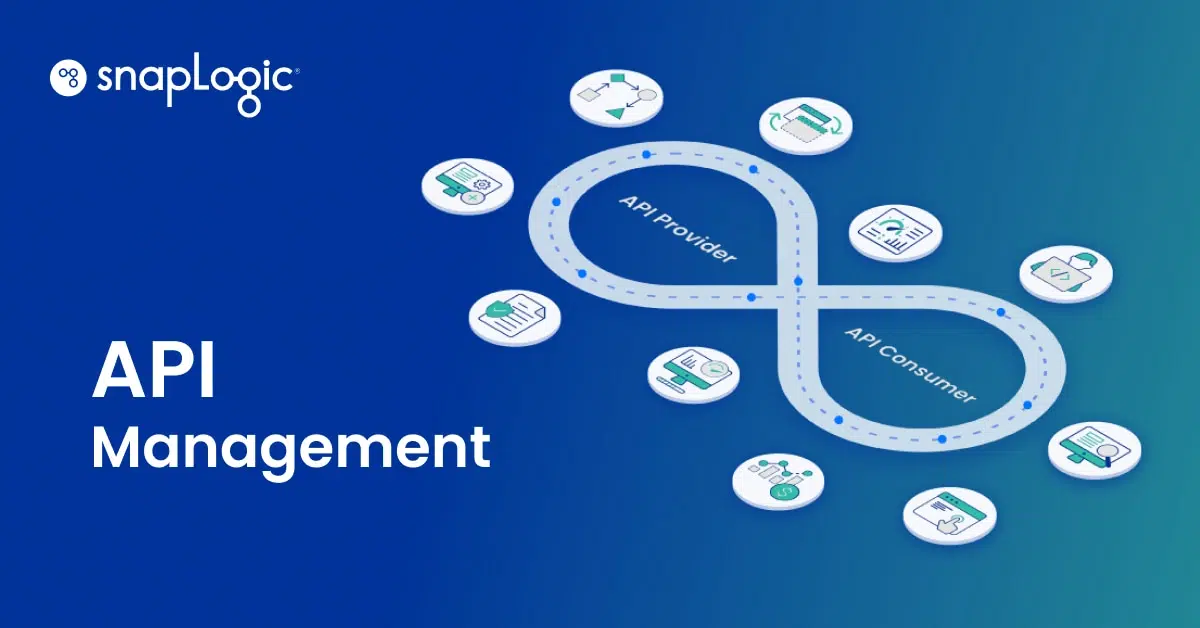
API management and gateway platforms provide the secure, scalable infrastructure required to expose, monitor, and govern internal and external APIs. These systems centralize authentication, traffic routing, rate limiting, and version control so development teams can deliver services to partners, mobile apps, and internal applications without creating security gaps or performance bottlenecks.

4 rankings37 products scored6 criteria eachUpdated Sep 9, 2026
01

Top picks across API Management & Developer Platforms

The highest scorer from each vendor across all 4 rankings. Six little boxes show each one against its ranking average, and the full review sits under each card.

1

WaveSpeedAI

wavespeed.ai · WaveSpeedAI API Platform #1 of 10 in API Management & Gateway Platforms for Ecommerce Businesses

WaveSpeedAI cuts cold starts to about 100ms

Best forDevelopers building high-speed multimodal AI generation pipelines.

From $0 pay-as-you-goSOC 2API-first
Top of its ranking

Pay-as-you-go API platform giving unified access to 600+ image, video, and audio AI models.

Standout factCold start latency runs around 100 milliseconds with pre-loaded models. scribehow.com
Biggest catchBronze-tier accounts allow only 3 concurrent tasks, causing 429 errors. wavespeed.ai
600+AI modelsscribehow.com
~100msCold start latencyscribehow.com
5,000Max concurrent tasks, Ultra tierwavespeed.ai

Standout number

600+AI models via one API

Source: scribehow.com

Learning curve

AfternoonWeeks

Technical UI, Bronze tier capped at 3 concurrent tasks

Upside

  • 600+ AI models via one API
  • Sub-2-second image generation
  • SOC 2 Type II compliant

Catch

  • Bronze tier limits 3 concurrent tasks
  • UI leans technical for beginners
  • No monthly free plan
Pick it ifDevelopers building high-speed multimodal AI generation pipelines.
Skip it ifProjects needing fully isolated, on-premises AI hosting.
PricingPay-per-use, from $0.01 per API call

Editor's takeWaveSpeedAI unifies more than 600 AI models behind one API, covering image, video, and audio generation. Pre-loaded models cut cold-start latency to about 100 milliseconds. New accounts on the Bronze tier are capped at 3 concurrent tasks, which can trigger rate-limit errors.

How many AI models does WaveSpeedAI support?

More than 600 pre-optimized models, with some sources citing up to 700, covering image, video, audio, and 3D generation through a single REST API.

What happens if I exceed the Bronze tier limit?

Bronze accounts can run only 3 tasks at once. A 4th task waits in queue rather than running immediately, according to WaveSpeedAI's own documentation.

The evidence: 6 criteria, 1 penalty
9.5
Product Capability & DepthLooked for: A comprehensive evaluation of the supported models, multi-modal capabilities, and core infrastructure offerings.WaveSpeedAI aggregates over 600 optimized AI models (including WAN 2.6, FLUX, Kling, and Seedream) covering image, video, audio, and 3D generation. Real-world tests confirm sub-2-second image generation and sub-2-minute video generation via a unified API.scribehow.comunifuncs.com
9.6
Market Credibility & Trust SignalsLooked for: Documented evidence of enterprise adoption, uptime guarantees, security compliance, and verified user testimonials.The platform boasts SOC 2 Type II compliance, end-to-end encryption, and a 99.99% uptime SLA. It is actively utilized by established AI media companies like Freepik and Novita AI, with users reporting up to 67% cost reductions for video generation.wavespeed.aiwavespeed.ai
9.1
Usability & Customer ExperienceLooked for: Analysis of the platform's learning curve, interface design, support resources, and ease of onboarding for both developers and creators.WaveSpeedAI offers SDKs, a desktop app, and $1 in free trial credits for seamless onboarding. However, reviews indicate the web UI is highly technical and rate limits on the default Bronze tier (max 3 concurrent tasks) frequently trigger '429 Too Many Requests' errors for new users.videoweb.aiwavespeed.ai
8.8
Value, Pricing & TransparencyLooked for: An assessment of the pricing model, cost efficiency, transparency of fees, and overall return on investment for high-volume users.The platform operates on a transparent, pay-as-you-go credit system with no monthly subscriptions. Costs are highly competitive, roughly $0.006 per FLUX image and $0.01/second for Wan 2.2 video, with an API endpoint specifically designed to estimate costs before generation.scribehow.comwavespeed.ai
9.8
Developer Experience & API QualityLooked for: Evidence of well-documented APIs, comprehensive SDKs, integration support, and tools that simplify complex AI workflows.Developers benefit from a unified REST API that abstracts hundreds of models, complete with Python and Node.js SDKs, ComfyUI/N8N integrations, and advanced features like webhooks and real-time streaming.unifuncs.comwavespeed.ai
9.5
Scalability & PerformanceLooked for: Objective benchmarks of inference speeds, cold start times, hardware optimization, and concurrent task limits at enterprise tiers.WaveSpeedAI effectively eliminates cold start times, maintaining latency around 100ms by keeping models pre-loaded. It automatically scales GPU resources and supports up to 5,000 concurrent tasks on its Ultra enterprise tier.scribehow.comwavespeed.ai

Score adjustments−0.05 points in total

−0.05Non-technical users face a steep learning curve due to a highly technical web interface, and default Bronze tiers have restrictive limits (3 concurrent tasks) leading to frequent '429 Too Many Requests' errors.wavespeed.ai · severity 45/100
2

Airwallex

airwallex.com · API #2 of 10 in API Management & Gateway Platforms for Ecommerce Businesses

Airwallex moves $235B a year, freezes accounts without warning

Best forGlobal e-commerce platforms needing cross-border automated payouts

Quote only SOC 2enterpriseAI features
#2 in its ranking

API-first global payments platform for cross-border FX, card issuing, and payouts to 120+ countries.

Standout factAirwallex processed more than $235 billion in annualized transaction volume, doubling in a year. pulse2.com
Biggest catchUsers report account freezes lasting up to 180 days with slow support. medium.com
$235BAnnualized transaction volumepulse2.com
$8BCompany valuationpulse2.com

Standout number

$235Bannualized transaction volume, 2025

Source: pulse2.com

The thing people get wrong

Airwallex fees are as opaque as a traditional bank

FX markup is published at 0.5% to 1.0% above interbank rate

Source: corporatealliance.com

Upside

  • FX markup as low as 0.5%
  • 160+ local payment methods
  • AI-ready developer MCP server

Catch

  • Account freezes reported up to 180 days
  • Support slow during compliance reviews
  • International card fees run higher
Pick it ifGlobal e-commerce platforms needing cross-border automated payouts
Skip it ifStrictly domestic businesses without international customers
PricingQuote-based, FX markup 0.5% to 1.0% above interbank rate

Editor's takeAirwallex scores 9.8 out of 10 for developer experience, the top mark among payment APIs rated here. It processed more than $235 billion in annualized volume in 2025, doubling from the year before. Users report account freezes lasting up to 180 days, with slow support during compliance reviews.

How much does Airwallex charge for currency conversion?

The FX markup runs 0.5 percent to 1.0 percent above the interbank rate, depending on the currency pair and account tier.

Can Airwallex freeze a business account?

Yes. Some users report sudden account suspensions with funds frozen for up to 180 days, often tied to risk-compliance triggers.

The evidence: 6 criteria, 1 penalty
9.5
Product Capability & DepthLooked for: We evaluate the breadth of payment routing, multi-currency support, and embedded finance features available through the API.Airwallex provides a robust API-first platform supporting 160+ local payment methods, payouts to 120+ countries, and like-for-like settlement in 20+ currencies without forced conversion. Its modular infrastructure covers card issuing, usage-based billing, global accounts, and real-time FX.airwallex.comairwallex.com
9.7
Market Credibility & Trust SignalsLooked for: We look for institutional backing, market valuation, processing volume, and documented adoption by enterprise clients.Airwallex is a massive player in the fintech space, valued at $8 billion following a $330M Series G funding round in late 2025. It serves over 150,000 businesses globally and processes more than $235 billion in annualized transaction volume.pulse2.compulse2.com
9.1
Usability & Customer ExperienceLooked for: We assess platform ease-of-use, customer support responsiveness, and overall user satisfaction in managing global financial workflows.While users praise the clean UI and seamless API integration for multi-currency handling, there is a significant volume of complaints regarding aggressive risk compliance algorithms. Users report sudden account suspensions with frozen funds for up to 180 days, exacerbated by highly unresponsive support.medium.comreddit.com
8.7
Value, Pricing & TransparencyLooked for: We analyze the clarity of the fee structure, foreign exchange markups, subscription tiers, and overall cost-efficiency compared to traditional banking.Airwallex offers a transparent, tiered pricing model (Explore, Grow, Accelerate) with competitive FX markups ranging from 0.5% to 1.0% above interbank rates. Domestic card processing fees are standard (e.g., 2.80% + $0.30 in the US), though international card fees can be high.corporatealliance.comairwallex.com
9.8
Developer Experience & API QualityLooked for: We evaluate the quality of API documentation, sandbox environments, integration tools, and modern developer workflows.Airwallex excels in modern developer tooling. It recently launched a Developer Model Context Protocol (MCP) server that integrates directly with AI coding agents, providing contextual API knowledge, sandbox simulation, and reducing hallucinated code.npmjs.comairwallex.com
9.6
Security, Compliance & Data ProtectionLooked for: We verify adherence to global security frameworks, regulatory compliance, fraud prevention systems, and data encryption standards.The platform maintains stringent security protocols, holding PCI DSS Level 1 certification and SOC 2 Type II compliance since 2021. It employs mandatory 2FA, data encryption at rest and in transit, and an AI-powered fraud optimization engine.airwallex.comapps.shopify.com

Score adjustments−0.09 points in total

−0.09High volume of user complaints regarding sudden, unnotified account suspensions, frozen funds for up to 180 days, and highly unresponsive customer support during critical compliance reviews.medium.com · severity 85/100
3

Moz

moz.com · Moz API #3 of 10 in API Management & Gateway Platforms for Ecommerce Businesses

Moz API starts at $5, throttles parallel requests

Best forDevelopers and agencies building custom SEO reporting dashboards

Free tier From $5 per month Domain AuthoritySEO APIaffordable
#3 in its ranking

SEO data API with Domain Authority metrics and a 45.5 trillion link index, priced from $5 a month.

Standout factThe link index covers 45.5 trillion links across 1 billion domains. marketingmonk.so
Biggest catchStrict throttling limits parallel requests, forcing sequential processing. moz.com
$5/moStarting pricealternatives.co
45.5 trillionLink index sizemarketingmonk.so
1.25 billionMonthly keyword volumes trackedbloggerspassion.com

Standout number

45.5Tlinks in the Moz index

Source: marketingmonk.so

Starting price

$5/mofree tier available, scales up to $10,000/mo

Upside

  • Industry-standard Domain Authority metric
  • 45.5 trillion link index
  • Starts at $5/month

Catch

  • Throttles parallel requests
  • No default daily keyword tracking
  • Fewer AI features than rivals
Pick it ifDevelopers and agencies building custom SEO reporting dashboards
Skip it ifBusinesses needing general ecommerce payment or inventory APIs
PricingFrom $5/month, free tier (50 rows), up to $10,000/month

Editor's takeMoz built Domain Authority into an industry-standard metric, and its API taps a 45.5 trillion link index across a billion domains. Pricing starts at just $5 a month, well under enterprise tools like Ahrefs that gate API access behind Enterprise plans. The API throttles parallel requests, so high-speed batch queries need to run sequentially instead of all at once.

How much does Moz API cost?

Plans start at $5 a month, with a free tier covering 50 rows, according to a third-party pricing comparison. Higher tiers scale up to around $10,000 a month for large-volume enterprise use.

Does Moz API support parallel requests?

Not without limits. The API throttles parallel requests, according to Moz's own best-practices documentation, so high-speed scraping workflows generally need to process queries sequentially instead of all at once.

The evidence: 6 criteria, 1 penalty
9.4
Product Capability & DepthLooked for: We evaluate the breadth of SEO endpoints, data accuracy, and functional capabilities for competitive analysis.Moz API provides programmatic access to Domain Authority, keyword rankings, and an index of 45.5 trillion links. It lacks some advanced AI visibility features and daily keyword tracking found in premium competitors.marketingmonk.so
9.6
Market Credibility & Trust SignalsLooked for: We look for industry adoption, trusted proprietary metrics, and positive third-party software reviews.Moz's proprietary Domain Authority (DA) and Page Authority (PA) are universally recognized industry standards. The company has been established since 2004 and serves thousands of developers with high aggregate user ratings.marketingmonk.so
9.1
Usability & Customer ExperienceLooked for: We assess the ease of integration, clarity of documentation, and availability of testing environments.Moz recently unified its endpoints into a V3 API, simplifying access via JSON-RPC. While integration is easier, developers must navigate rate limits and legacy V1/V2 transitions.moz.com
8.7
Value, Pricing & TransparencyLooked for: We analyze pricing transparency, entry-level affordability, and scalability compared to direct competitors.Pricing is incredibly transparent and affordable, starting with a free tier (50 rows) and paid plans from $5/month up to $10,000/month. This severely undercuts competitors like Ahrefs, which restrict full API to Enterprise plans.alternatives.co
9.8
Developer Experience & API QualityLooked for: We review rate limiting, request methods, SDK availability, and overall technical friction.The API uses standard POST requests and JSON structures, accompanied by Postman collections for easy testing. However, strict throttling on parallel requests limits aggressive data fetching capabilities.moz.com
9.0
Data Index & Update FrequencyLooked for: We verify the size of the backlink/keyword indexes and the frequency at which they are updated.The index boasts 45.5 trillion links and 1.25 billion monthly keyword volumes. High-quality pages are re-crawled every 90 days, and new links appear within 3 days.bloggerspassion.com

Score adjustments−0.05 points in total

−0.05API throttling penalizes parallel requests, requiring users to limit batch queries or process them sequentially.moz.com · severity 50/100
4

Amazon API Gateway

aws.amazon.com #1 of 12 in API Management & Gateway Platforms for Marketing Agencies

Amazon API Gateway holds 10% of the API market.

Best forDevelopers building serverless apps natively on AWS.

SOC 2ISO 27001free tier
Top of its ranking

Fully managed AWS service for creating, publishing and securing APIs at scale.

Standout factAmazon API Gateway serves over 58,000 companies, a 10% market share. 6sense.com
Biggest catchREST APIs cost $3.50 per million requests, about 71% more than HTTP APIs. awsforengineers.com
10.09%API management market share6sense.com
58,000+Companies using it6sense.com
$3.50/million requestsREST API costawsforengineers.com

Standout number

58,000+companies using it

Source: 6sense.com

What it costs as you grow

$0 (1M calls/mo)Free tier
$1.00/million requestsHTTP API
$3.50/million requestsREST API

Source: awsforengineers.com

Upside

  • Free tier: 1M calls/mo
  • Deep AWS Lambda integration
  • ISO and PCI-DSS certified

Catch

  • REST APIs cost more
  • 10MB payload limit
  • Console UI feels clunky
Pick it ifDevelopers building serverless apps natively on AWS.
Skip it ifTeams wanting a cloud-agnostic, no-code API platform.
PricingPay-as-you-go. Free tier covers 1 million calls monthly for 12 months.

Editor's takeAmazon API Gateway holds 10% of the API management market and serves over 58,000 companies. It handles scale and security well, but REST APIs cost significantly more than HTTP APIs, and a 10MB payload limit forces workarounds for large files.

How much does Amazon API Gateway cost?

It uses pay-as-you-go pricing with a free tier of 1 million calls a month for 12 months. REST APIs cost $3.50 per million requests, HTTP APIs about $1.00.

What is the payload size limit?

The hard limit is 10MB. Larger file uploads need a workaround, such as routing through S3 presigned URLs.

5

MuleSoft

mulesoft.com · MuleSoft API Manager #3 of 12 in API Management & Gateway Platforms for Marketing Agencies

MuleSoft can cost $500,000 a year, reviewers report

Best forLarge enterprises heavily invested in the Salesforce platform

Quote only SOC 2FIPS 140-2Salesforce integration
#3 in its ranking

Enterprise API management platform with deep Salesforce integration, named a Leader in Gartner's Magic Quadrant for a decade.

Standout factMuleSoft has been named a Gartner Magic Quadrant Leader for 10 consecutive years. salesforce.com
Biggest catchEnterprise licensing can reach $80,000 to $500,000 a year. peerspot.com
10 yearsGartner Leader streaksalesforce.com
$80K-$500KEstimated annual cost (enterprise)peerspot.com

In their words

“MuleSoft API Manager pricing is perceived as expensive, with licensing fees ranging around $80,000 per year, and costs can reach up to $500,000 annually.”

peerspot.com

Standout number

10 yearsas a Gartner Magic Quadrant Leader

Source: salesforce.com

Upside

  • Leader in Gartner's Magic Quadrant, 10 years running
  • Deep native Salesforce integration
  • FIPS 140-2 and GDPR governance support

Catch

  • Licensing can reach $500,000/year
  • Steep learning curve, complex features
  • Lags on API monetization tools
Pick it ifLarge enterprises heavily invested in the Salesforce platform
Skip it ifStartups wanting a cheap, lightweight API gateway
PricingCustom quote, estimated $80,000-$500,000/year for enterprises

Editor's takeMuleSoft has been named a Leader in Gartner's Magic Quadrant for API Management for 10 consecutive years, and its Anypoint Exchange gives teams thousands of reusable connectors. It supports FIPS 140-2 certified environments and governance rulesets aligned with HIPAA, GDPR, and SOC 2. Licensing is expensive, with estimates from PeerSpot citing costs between $80,000 and $500,000 a year depending on scale.

How much does MuleSoft API Manager cost?

MuleSoft does not publish pricing and requires a custom quote. Third-party estimates from PeerSpot cite enterprise licensing costs between $80,000 and $500,000 a year, based on a vCore consumption model.

Does MuleSoft integrate well with Salesforce?

Yes, deeply. As a Salesforce company, MuleSoft offers native integration with the Salesforce platform, including new AI agent capabilities, according to G2 reviewer feedback, making it a natural fit for Salesforce-centric organizations.

6

Azure API Management

azure.microsoft.com #1 of 7 in API Management & Gateway Platforms for Contractors

Azure APIM gates full VNet security behind Premium tier

Best forOrganizations deep in the Microsoft ecosystem exposing APIs and AI models centrally

From $1 Gartner LeaderGenAI gatewayISO 27001
Top of its ranking

A hybrid API management platform with GenAI gateway features like token limiting and semantic caching.

Standout factMicrosoft has been named a Gartner Magic Quadrant Leader for Integration Platform as a Service for seven consecutive years. azure.microsoft.com
Biggest catchFull Virtual Network integration is restricted to the pricier Premium tier, adding real cost for secure deployments. reddit.com
$1.41/million requestsStarting priceazure.microsoft.com
7 yearsGartner Leader streakazure.microsoft.com
€3.65/hourPremium tier pricedev.to

Standout number

7 yearsas a Gartner iPaaS Magic Quadrant Leader

Source: azure.microsoft.com

Learning curve

AfternoonWeeks

XML-based policy expressions and manual developer portal publishing

Upside

  • 7-time Gartner iPaaS Magic Quadrant Leader
  • GenAI token limiting and semantic caching
  • Deep Azure Active Directory integration

Catch

  • Full VNet needs the Premium tier
  • Consumption tier has cold-start latency
  • Steep learning curve for policy expressions
Pick it ifOrganizations deep in the Microsoft ecosystem exposing APIs and AI models centrally
Skip it ifBeginners, or teams primarily operating outside Microsoft environments
PricingFrom $1.41 per million requests, VNet needs Premium tier

Editor's takeAzure API Management has been a Gartner Magic Quadrant Leader for Integration Platform as a Service for seven consecutive years, and it now ships purpose-built GenAI Gateway features like token-limit policies and semantic caching for Azure OpenAI endpoints, cutting token consumption on repeated prompts. It supports OAuth 2.0, OpenID Connect, and deep Azure Active Directory integration, backed by ISO 27001 and SOC certifications. The tradeoff is cost structure, since full Virtual Network integration for secure enterprise deployments is gated behind the pricier Premium tier, and the Consumption tier suffers documented cold-start latency.

Does Azure API Management support GenAI workloads?

Yes. It includes GenAI Gateway capabilities such as an Azure OpenAI Token Limit Policy and a semantic caching policy that caches responses for similar prompts, reducing token consumption. These are purpose-built additions for managing large language model traffic through the same gateway.

Do I need the Premium tier for VNet integration?

For full Virtual Network isolation, yes. Standard v2 offers VNet integration for outbound traffic only and costs roughly a quarter of Premium's hourly rate, but complete network isolation across environments like CI/CD and test still requires the more expensive Premium tier.

The evidence: 6 criteria, 3 penalties
9.4
Product Capability & DepthLooked for: We evaluate the breadth of API lifecycle management features, including gateway performance, policy flexibility, and hybrid deployment options.Azure API Management offers a comprehensive hybrid, multi-cloud platform with advanced policies, versioning, and new GenAI-specific gateway capabilities like token limiting and semantic caching.azure.microsoft.comdocs.microsoft.comlearn.microsoft.com
9.6
Market Credibility & Trust SignalsLooked for: We assess industry recognition, analyst rankings, and adoption by major enterprise organizations.Microsoft has been named a Leader in the Gartner Magic Quadrant for Integration Platform as a Service for seven consecutive years (2025), validating its dominance.gartner.comazure.microsoft.comazure.microsoft.com
8.7
Usability & Customer ExperienceLooked for: We examine the developer portal experience, ease of policy configuration, and management interface quality.While the platform is robust, users report challenges with the learning curve for policies and limitations in the developer portal's content management system.docs.microsoft.comg2.comsonrai.com.au
8.5
Value, Pricing & TransparencyLooked for: We analyze pricing structures, tier differentiation, and the cost-to-feature ratio for essential capabilities like networking.Pricing is tiered (Consumption to Premium), but essential features like full VNet integration are historically gated behind the expensive Premium tier.azure.microsoft.comdev.toreddit.com
9.2
GenAI Gateway & InnovationLooked for: We evaluate specific features designed for managing Generative AI workloads and Large Language Models.Azure API Management has introduced specialized GenAI capabilities including token-based rate limiting, semantic caching, and load balancing for AI models.techcommunity.microsoft.comapiscene.io
9.3
Security, Compliance & Data ProtectionLooked for: We verify security standards, authentication protocols, and compliance certifications relevant to enterprise APIs.The platform supports OAuth 2.0, OpenID Connect, and Azure AD integration, backed by comprehensive compliance certifications like ISO 27001 and SOC.trustedinstitute.comlearn.microsoft.com

Score adjustments−0.18 points in total

−0.05Full Virtual Network (VNet) integration is restricted to the expensive Premium tier, creating a significant cost barrier for secure enterprise deployments.reddit.com · severity 70/100
−0.08The Consumption tier suffers from documented 'cold start' latency issues, making it unsuitable for some low-latency real-time applications.learn.microsoft.com · severity 60/100
−0.05The developer portal content management system is manual and prone to overwrite issues when multiple users edit simultaneously.sonrai.com.au · severity 45/100
7

Azure API Management

learn.microsoft.com #3 of 8 in API Management & Gateway Platforms for SaaS Companies

Azure APIM's Premium tier costs $2,795 monthly, a 4x jump

Best forEnterprises already using Azure that need VNet integration and GenAI API governance

FedRAMP HighHIPAA compliantGenAI gateway
#3 in its ranking

Hybrid, multicloud API gateway with GenAI governance features for enterprise API management.

Standout factPremium tier costs about $2,795 per month, a 4x jump from Standard. azure.microsoft.com
Biggest catchThe Consumption tier has cold starts that can exceed 10 seconds. learn.microsoft.com
4th consecutive year (2023)Gartner MQ Leadertechcommunity.microsoft.com
$2,795/monthPremium tier priceazure.microsoft.com
4xStandard to Premium jumptrustradius.com

What changed

4xprice jump from Standard to Premium tier

Source: trustradius.com

Compliance

✓ HIPAA✓ FedRAMP High✓ PCI DSS

Source: learn.microsoft.com

Upside

  • Native integration with Azure Logic Apps
  • GenAI gateway with token limits and caching
  • FedRAMP High and HIPAA compliant

Catch

  • Premium tier costs about $2,795 monthly
  • Consumption tier suffers cold starts
  • XML-based policies have a steep curve
Pick it ifEnterprises already using Azure that need VNet integration and GenAI API governance
Skip it ifStartups on tight budgets or teams without Azure infrastructure
PricingFrom about $0.04 per call, Premium tier about $2,795 per month

Editor's takeAzure API Management has been named a Gartner Magic Quadrant Leader for API management multiple years running. New GenAI gateway features add token rate limiting and semantic caching for LLM backends. The Premium tier costs about $2,795 a month, a 4x jump from Standard, and the cheaper Consumption tier can suffer cold starts over 10 seconds.

How much does Azure API Management cost?

Pricing starts around $0.04 per call on a pay-as-you-go basis. The Premium tier costs about $2,795 per month, a 4x jump from the Standard tier, according to Azure's pricing page.

Does Azure API Management support AI workloads?

Yes. Its GenAI gateway adds token rate limiting, semantic caching, and token metric emission for large language model backends, according to Microsoft's documentation.

The evidence: 6 criteria, 3 penalties
9.4
Product Capability & DepthLooked for: Comprehensive API lifecycle management features including gateway, portal, and policy enforcement tailored for enterprise needs.Offers full lifecycle management with advanced policies, new GenAI gateway features like token limiting, and support for REST, GraphQL, and WebSocket protocols.learn.microsoft.comlearn.microsoft.comlearn.microsoft.com
9.7
Market Credibility & Trust SignalsLooked for: Industry recognition, analyst reports, and adoption by major enterprises as a trusted platform.Consistently named a Leader in the Gartner Magic Quadrant for API Management (9th consecutive time in 2024) and recognized as a Leader in the Forrester Wave Q3 2024.newsroom.ibm.comtechcommunity.microsoft.com
8.7
Usability & Customer ExperienceLooked for: Ease of configuration, developer portal experience, and effective debugging tools for developers.Provides a VS Code extension for management, but users report friction with debugging traces and a learning curve for XML-based policies.learn.microsoft.comsonrai.com.aulearn.microsoft.com
8.4
Value, Pricing & TransparencyLooked for: Flexible pricing tiers matching value delivered, from startup to enterprise scales.Offers a serverless consumption model, but the Premium tier is expensive (~$2,800/mo) with a steep price jump from lower tiers.azure.microsoft.comazure.microsoft.comtrustradius.com
9.5
Security, Compliance & Data ProtectionLooked for: Enterprise-grade security standards, compliance certifications, and robust access control mechanisms.Supports OAuth 2.0, OIDC, and holds major certifications like HIPAA, PCI DSS, and FedRAMP High, with VNet integration in specific tiers.learn.microsoft.comlearn.microsoft.comcloudthat.com
9.3
Integrations & Ecosystem StrengthLooked for: Native integrations with cloud services and support for CI/CD workflows.Deeply integrated with Azure Logic Apps, Functions, and Monitor, plus support for CI/CD via ARM templates and Bicep.learn.microsoft.comazure.microsoft.com

Score adjustments−0.18 points in total

−0.09The Consumption tier suffers from documented cold start latency issues (often exceeding 10 seconds), which can impact real-time applications.learn.microsoft.com · severity 65/100
−0.04The Premium tier is significantly expensive (~$2,800/month), creating a high cost barrier for features like multi-region support and full VNet integration.azure.microsoft.com · severity 60/100
−0.05Debugging and tracing workflows are reported as cumbersome, requiring header injection and blob storage access that is difficult to use in production environments.sonrai.com.au · severity 50/100
8

F5

f5.com · F5 API Management Solutions #2 of 7 in API Management & Gateway Platforms for Contractors

F5 scored a perfect 100% in independent security testing

Best forLarge enterprises and telecoms securing hundreds of APIs at scale.

Quote only SOC 2ISO certifiedGartner Leader
#2 in its ranking

An enterprise API gateway built on NGINX, combining high-speed routing with top-rated security.

Standout factNGINX sustains 50% higher requests per second than Kong in benchmark tests. f5.com
Biggest catchMid-market buyers report sticker shock from quotes, and the interface has a steep learning curve. trustradius.com
100%SecureIQLab vulnerability scoref5.com
+50%Throughput vs Kongf5.com
$24,720/yrWAAP module priceconsole.cloud.google.com

Standout number

100%SecureIQLab vulnerability assessment score

Source: f5.com

What changed

50%requests per second vs Kong

Source: f5.com

Upside

  • Perfect SecureIQLab vulnerability score
  • Automated shadow API discovery
  • 50% higher throughput than Kong in tests

Catch

  • Complex interface, steep learning curve
  • High cost intimidates mid-market buyers
  • Documentation can be sparse
Pick it ifLarge enterprises and telecoms securing hundreds of APIs at scale.
Skip it ifSmall startups wanting a simple, low-cost API proxy.
PricingQuote-based; WAAP module runs about $24,720/year.

Editor's takeF5's Distributed Cloud WAAP earned a perfect vulnerability score from SecureIQLab, one of only seven vendors to pass. Built on NGINX, it sustains 50% higher requests per second than Kong in benchmark tests. Mid-market buyers report sticker shock from quotes, and G2 reviewers call the interface complex to learn.

Is F5's API gateway fast?

Benchmarks show NGINX-based gateways sustaining 50% higher requests per second than Kong, with roughly a third of the latency at high percentiles.

How much does F5 API management cost?

Enterprise pricing needs a custom quote. One module, Distributed Cloud WAAP, lists at about $24,720 a year on the cloud marketplace.

The evidence: 6 criteria, 3 penalties
9.1
Product Capability & DepthLooked for: We evaluate the breadth of API lifecycle management features, including gateway capabilities, portal customization, and protocol support.F5 delivers a comprehensive hybrid solution combining NGINX's high-performance gateway with advanced lifecycle management, supporting REST, SOAP, and gRPC protocols alongside robust API discovery tools.f5.comf5.comf5.com
9.6
Market Credibility & Trust SignalsLooked for: We assess industry recognition, analyst reports, and the vendor's reputation for reliability and security in the enterprise space.F5 is a dominant market leader, consistently recognized as a Gartner Magic Quadrant Leader for WAAP and achieving perfect security scores in independent lab testing.f5.comf5.com
8.2
Usability & Customer ExperienceLooked for: We examine the ease of use, interface design, learning curve, and quality of customer support resources.While powerful, the platform is frequently described as complex with a steep learning curve, and some users report inconsistent support experiences.f5.comg2.comtrustradius.com
8.0
Value, Pricing & TransparencyLooked for: We analyze pricing structures, transparency of costs, and the perceived return on investment for different business sizes.F5 is a premium enterprise solution with pricing that can be prohibitive for mid-market companies, often causing 'sticker shock' during the quoting process.f5.comtrustradius.comconsole.cloud.google.com
9.8
Security, Compliance & Data ProtectionLooked for: We evaluate the product's ability to secure APIs against threats, manage compliance, and protect sensitive data.Security is F5's standout capability, featuring industry-leading WAAP integration, automated shadow API discovery, and perfect vulnerability assessment scores.f5.comf5.comf5.com
9.4
Scalability & PerformanceLooked for: We test the platform's ability to handle high traffic volumes, latency requirements, and distributed deployment needs.Built on NGINX, the solution demonstrates superior performance benchmarks, significantly outperforming competitors in latency and throughput tests.f5.comf5.comf5.com

Score adjustments−0.16 points in total

−0.05Mid-market customers report 'sticker shock' and intimidation regarding the high cost of quotes, indicating a barrier for non-enterprise buyers.trustradius.com · severity 70/100
−0.06Users consistently report that the user interface is complex and difficult to learn, creating a barrier to entry for new administrators.g2.com · severity 60/100
−0.05Some users have documented struggles with account team consistency and sales team turnover leading to missteps.trustradius.com · severity 45/100
9

Workato

workato.com · API Management by Workato #3 of 7 in API Management & Gateway Platforms for Contractors

Workato meets PCI-DSS v4.0, freezes on 400k records

Best forBusinesses wanting IT and business teams to co-manage APIs

From $15,000 per year API managementPCI-DSS Level 1low-code
#3 in its ranking

Low-code API management and integration platform with PCI-DSS Level 1 and global data residency.

Standout factWorkato achieved PCI DSS Level 1 (v4.0) service provider compliance alongside ISO 27001 and ISO 27701 certification. workato.com
Biggest catchUsers report the platform freezing for hours when syncing large batches, such as 400,000 records. g2.com
$15,000-$50,000Estimated annual costtekpon.com
6Data center regionsdocs.workato.com
~6 hoursReported freeze during 400k-record syncg2.com

Compliance

✓ PCI-DSS Level 1 v4.0✓ HIPAA✓ ISO 27001✓ SOC 2

Source: workato.com

In their words

“Workato errors out/freezes when the job-queue increases, we've seen the platform freeze for around 6 hrs when we'd synced an initial batch of 400k records”

g2.com

Upside

  • PCI-DSS Level 1 v4.0 and HIPAA compliant
  • Global data residency in 6 regions
  • Low-code recipe interface

Catch

  • Freezes reported on 400k-record syncs
  • Concurrency limits trigger 429 errors
  • No public pricing, $15k-$50k/yr estimated
Pick it ifBusinesses wanting IT and business teams to co-manage APIs
Skip it ifEnterprises needing complex on-premise data integration
PricingCustom quotes, estimated $15,000-$50,000/year

Editor's takeWorkato pairs API management with its integration platform, letting teams expose automation recipes as governed APIs without custom code. Security credentials are extensive, including PCI-DSS Level 1 v4.0, HIPAA, and data hosting across six global regions. High-volume operations are the stress point though, with users reporting the platform freezing for roughly 6 hours during a 400,000-record sync and hitting 429 errors when concurrency limits are exceeded.

Can Workato handle high-volume data syncs?

It can, but users have reported freezes lasting hours during very large syncs, such as 400,000 records, and concurrency limits that trigger 429 errors.

Does Workato support data residency requirements?

Yes. It offers data hosting in the US, EU, Japan, Singapore, Australia, and Israel.

The evidence: 4 criteria, 3 penalties
8.9
Usability & Customer ExperienceLooked for: We look for ease of adoption, interface intuitiveness, and the quality of support resources for both technical and non-technical users.Users praise the low-code 'recipe' interface for its intuitiveness, though some report a steep learning curve for complex integrations and advanced configurations.workato.comg2.comworkato.com
8.2
Value, Pricing & TransparencyLooked for: We evaluate pricing clarity, public availability of costs, and the perceived value relative to expense.Workato does not publicly list pricing, utilizing a custom quote model that users describe as expensive, with estimated starting costs around $15,000-$50,000 per year.workato.comtekpon.comg2.com
8.6
Scalability & PerformanceLooked for: We assess the system's ability to handle high concurrency, large data volumes, and maintain stability under load.While generally scalable, users have documented specific limitations such as strict concurrency caps leading to 429 errors and performance freezes during massive record syncs.workato.comg2.comsupport.reltio.com
9.6
Security, Compliance & Data ProtectionLooked for: We examine the platform's security certifications, data residency options, and compliance with global standards.Workato maintains an industry-leading security posture with PCI-DSS Level 1 (v4.0), HIPAA, SOC 2 Type II, and ISO 27001 certifications, plus global data residency options.workato.comworkato.comdocs.workato.com

Score adjustments−0.15 points in total

−0.04Pricing is not publicly transparent and is reported to be expensive for high-volume use cases, with costs often exceeding $15k-$50k/year.tekpon.com · severity 60/100
−0.06Users have reported platform freezes during high-volume data syncs (e.g., 400k records) and strict concurrency limits that trigger 429 errors.g2.com · severity 55/100
−0.05Despite being a low-code platform, users consistently report a steep learning curve for advanced features and complex custom connectors.g2.com · severity 45/100
02

Every ranking in API Management & Developer Platforms

Each card shows the top three. The eye opens a quick look. Open a ranking for every product, the evidence and the comparison table.

1 Azure API ManagementAzure APIM gates full VNet security behind Premium tier 9.0/10
Visit ↗
2 F5F5 scored a perfect 100% in independent security testing 8.9/10
Visit ↗
3 WorkatoWorkato meets PCI-DSS v4.0, freezes on 400k records 8.8/10
Visit ↗
See all 7 ranked
1 WaveSpeedAIWaveSpeedAI cuts cold starts to about 100ms 9.4/10
Visit ↗
2 AirwallexAirwallex moves $235B a year, freezes accounts without warning 9.3/10
Visit ↗
3 MozMoz API starts at $5, throttles parallel requests 9.3/10
Visit ↗
See all 10 ranked
1 Amazon API GatewayAmazon API Gateway holds 10% of the API market. 9.2/10
Visit ↗
2 MozMoz API starts at $5, indexes 45.5 trillion links 9.2/10
Visit ↗
3 MuleSoftMuleSoft can cost $500,000 a year, reviewers report 9.1/10
Visit ↗
See all 12 ranked
1 AirwallexAirwallex powers 100,000+ businesses, but freezes accounts. 9.2/10
Visit ↗
2 MozMoz API holds SOC 2 Type II and GDPR compliance 9.2/10
Visit ↗
3 Azure API ManagementAzure APIM's Premium tier costs $2,795 monthly, a 4x jump 9.0/10
Visit ↗
See all 8 ranked
03

About API Management & Developer Platforms

What the category is, how it developed, and what to look for. Two minutes, or the long read.

In the modern enterprise, the Application Programming Interface (API) has transcended its role as mere middleware to become the fundamental currency of digital exchange. Yet, for many organizations, the machinery governing these exchanges—API Management and Developer Platforms—remains misunderstood, often conflated with simple load balancing or basic documentation portals. This guide provides a rigorous architectural and operational analysis of the category, designed for decision-makers who require precision over marketing fluff.

Read the full category guide

The Definitive Guide to API Management & Developer Platforms

What Is API Management & Developer Platforms?

This category covers software used to oversee the full lifecycle of Application Programming Interfaces (APIs) as valid business assets: defining interface contracts, enforcing security policies (authentication, authorization, throttling), mediating traffic between consumers and backend services, monitoring usage analytics, and facilitating developer onboarding through documentation and self-service portals. It sits between the raw infrastructure layer (Load Balancers, Ingress Controllers) and the application logic layer (Microservices, Monoliths). It includes both general-purpose enterprise gateways designed for hybrid cloud environments and vertical-specific platforms tailored for regulatory-heavy industries like banking (Open Banking) and healthcare (FHIR compliance).

The core problem this software solves is "API Sprawl" and the associated governance vacuum. As organizations decompose monolithic architectures into microservices, the number of interaction points explodes. Without a management layer, these interaction points become security liabilities and operational black holes. API Management platforms centralize control, allowing teams to treat APIs as managed products rather than ad-hoc code scripts. They are utilized by DevOps teams to enforce stability, Security Architects to ensure compliance, and Product Managers to monetize digital assets.

History: From SOA Governance to the API Economy

The lineage of modern API management can be traced back to the Service-Oriented Architecture (SOA) movement of the late 1990s and early 2000s. During this era, "governance" was heavy, centralized, and often implemented through cumbersome Enterprise Service Buses (ESBs) relying on SOAP (Simple Object Access Protocol) and XML. These systems were built for stability and reuse within the firewall but lacked the agility required for the coming web explosion.

The paradigm shifted significantly around 2006-2010, driven by the rise of public cloud computing and the mobile revolution. Developers began favoring REST (Representational State Transfer) over SOAP for its lightweight nature and ease of consumption. This era birthed the "API Economy," where companies like Salesforce and eBay proved that APIs could be revenue channels, not just technical plumbing. Early entrants in the API management space, such as Mashery (founded 2006) and Apigee (founded 2004), pivoted from general integration to focus specifically on the "developer experience" (DX) gap—providing tools that made it easy for third parties to consume services.

The 2010s saw massive consolidation as major tech incumbents recognized APIs as strategic control points. Intel acquired Mashery (later sold to TIBCO), CA Technologies acquired Layer 7, and Google acquired Apigee in a landmark $625 million deal in 2016. This wave signaled the transition of API management from a niche tool for tech startups to a critical component of enterprise IT stacks. Simultaneously, the market began to bifurcate: "heavy" full-lifecycle management suites for enterprises versus lightweight, high-performance gateways (like Kong and Tyk) built for microservices and Kubernetes environments.

By 2020 and leading into 2025, the narrative shifted again toward "federated" API management. The monolithic gateway became a bottleneck. The modern expectation is no longer just "give me a database proxy," but "give me a distributed control plane." We are now witnessing the rise of API platforms that manage not just REST, but a mesh of protocols including GraphQL, gRPC, and asynchronous events (Kafka), all while preparing for the non-human consumer: the AI agent.

What to Look For

Evaluating API Management platforms requires piercing through the "feature parity" illusion. Most vendors check the same boxes on paper (Gateway, Portal, Analytics), but the architectural differences determine long-term viability.

Critical Evaluation Criteria:

  • Gateway Performance and Latency: The gateway is a proxy that sits in the critical path of every request. You must evaluate the added latency (overhead) introduced by the platform. High-performance gateways should add no more than single-digit milliseconds of overhead. Look for benchmarks on throughput (Requests Per Second) under load, specifically how the system behaves when complex policies (like JWT validation + rate limiting + log transformation) are applied simultaneously.
  • Deployment Flexibility (The Hybrid Imperative): Very few modern enterprises operate solely on-premise or solely in one public cloud. Look for "hybrid" capabilities where the control plane (management dashboard) is centralized (SaaS), but the data planes (gateways) can be deployed anywhere—AWS, Azure, on-prem Kubernetes clusters, or edge locations. This ensures sensitive traffic stays local to the compute environment, reducing latency and compliance risks.
  • Observability Integration: A standalone analytics dashboard is insufficient. The platform must export metrics, logs, and traces to your existing observability stack (Datadog, Prometheus, Grafana, Splunk) via standard protocols like OpenTelemetry. The ability to trace a request ID from the mobile app, through the gateway, down to the microservice and database is non-negotiable for debugging distributed systems.

Red Flags and Warning Signs:

  • Proprietary Configuration Languages: Be wary of vendors that require you to write policy logic in a proprietary, non-standard language that locks you into their ecosystem. Modern best practice favors standard languages (Lua, Rego, JavaScript) or declarative configuration formats (YAML/JSON) compatible with GitOps workflows.
  • The "Black Box" Gateway: Avoid platforms that do not allow visibility into the gateway's internal processing logic. If you cannot troubleshoot why a specific request was rejected or why a transformation failed without opening a support ticket, the tool will cripple your operations during an outage.
  • Gateway-Saurus Architecture: If the vendor suggests routing internal east-west traffic (service-to-service) through the same heavy centralized gateway used for external traffic, this is an architectural red flag. It creates a massive single point of failure and hair-pinning network traffic.

Key Questions to Ask Vendors:

  • "Does your licensing model penalize us for architectural patterns like microservices (which naturally generate high call volumes)?"
  • "Can we update API configurations and policies via a CI/CD pipeline without touching the UI?"
  • "How does the platform handle 'headless' governance for APIs that do not need a human-readable developer portal?"

Industry-Specific Use Cases

Retail & E-commerce

In retail, API management is the nervous system of the "Omnichannel" strategy. The primary challenge here is **inventory synchronization latency**. When a customer buys an item online for in-store pickup (BOPIS), the inventory count must update across the ERP, the e-commerce storefront, and the Point of Sale (POS) system instantly. A delay of even seconds can lead to overselling and customer dissatisfaction. Retailers prioritize gateways that support high-volume, low-latency event streaming (often bridging REST to Kafka) to handle the "Black Friday" spikes. Furthermore, they require robust "Backend for Frontend" (BFF) capabilities, where the gateway aggregates data from multiple microservices (pricing, inventory, recommendations) into a single, optimized response for a mobile app to reduce battery drain and network round-trips.

Healthcare

Healthcare API management is entirely dominated by interoperability standards and patient consent. The specific need here is deep support for **FHIR (Fast Healthcare Interoperability Resources)** standards. Unlike generic JSON, FHIR resources have complex nesting and validation rules. A generic API gateway often fails to parse or validate these schemas efficiently. Healthcare buyers must look for platforms that offer out-of-the-box FHIR servers or adaptors. Crucially, the evaluation priority is **Consent Management**. The platform must be able to check a patient's consent directive (often stored in a separate system) in real-time before authorizing an API call from a third-party diabetes management app. If the gateway cannot granulary allow/deny access to specific fields (e.g., allow "medications" but hide "mental health history") based on dynamic consent scopes, it is unsuitable for modern healthcare.

Financial Services

For banks and fintechs, security is not just a feature; it is a regulatory mandate enforced by frameworks like **PSD2 (Europe)**, **CDR (Australia)**, and open banking standards globally. Financial institutions require API platforms that are certified for **Financial-grade API (FAPI)** security profiles. This involves support for advanced OAuth 2.0 flows, such as Mutual TLS (mTLS) for client authentication and sender-constrained access tokens. A generic API key is insufficient. Financial services also heavily utilize the gateway for "legacy modernization"—wrapping ancient COBOL or SOAP mainframe systems in modern REST interfaces so that mobile banking apps can consume them. The ability to transform XML to JSON and handle complex SOAP payloads without adding significant latency is a unique consideration for this sector.

Manufacturing

Manufacturing use cases revolve around the **IT/OT Convergence**—bridging Information Technology (enterprise apps) with Operational Technology (factory floor machines). The unique consideration here is protocol translation. Factory machines often speak obscure industrial protocols (Modbus, OPC UA) or lightweight messaging protocols like **MQTT**, not HTTP/REST. A manufacturing-grade API platform must often act as an edge gateway, sitting physically within the factory, translating MQTT streams from sensors into REST or WebSocket data that can be consumed by cloud-based predictive maintenance systems (Digital Twins). Reliability in disconnected environments is critical; the edge gateway must be able to buffer data if the connection to the cloud is lost and sync when connectivity is restored.

Professional Services

For law firms, consultancies, and marketing agencies, the focus is on **client-facing transparency and automated reporting**. These firms use API platforms to expose project data, billing milestones, and performance metrics directly to client dashboards, replacing manual weekly email reports. The evaluation priority is **Multi-tenancy and granular access control**. The platform must ensure that Client A can absolutely never access Client B's data, even though they might be hitting the same "Project Status" API endpoint. Integration with billing systems is also key; professional services often "meter" API access as a value-add service, requiring the platform to feed precise usage data into invoicing software.

Subcategory Overview

While the core technology of API management remains consistent—gateways, developer portals, and analytics—specific user bases require distinct workflows that generic "enterprise" tools often ignore. Below is a breakdown of four specialized subcategories, detailing why buyers migrate toward them.

API Management & Gateway Platforms for Marketing Agencies

Marketing agencies face a unique data aggregation problem: they must pull performance metrics from dozens of disparate platforms (Facebook Ads, Google Analytics, LinkedIn, TikTok) for hundreds of different clients simultaneously. A generic API gateway is designed to expose your own data, but agencies primarily need to consume and normalize third-party data. The niche tools in this space specialize in automated token management for multi-tenant retrieval. In a generic tool, managing OAuth refresh tokens for 500 client accounts across 20 platforms is a manual nightmare that leads to broken reporting dashboards. Specialized platforms automate the "dance" of keeping thousands of third-party connections alive and normalize the messy JSON responses from different ad networks into a standardized schema for reporting. This workflow—fetching and cleaning external data for client reporting—is what drives agencies to our guide to API management tools for marketing agencies rather than generic infrastructure tools.

API Management & Gateway Platforms for Contractors

For construction and field service contractors, the critical workflow is offline synchronization. Field technicians and site managers operate in environments with intermittent or non-existent internet connectivity (basements, remote sites). A generic API gateway assumes a constant "always-on" connection. Specialized tools for contractors include "Store and Forward" capabilities directly in the mobile SDKs or edge gateways. They allow a field app to queue API calls (e.g., "Upload Site Inspection Photo") locally and reliably sync them to the backend once connectivity is restored, handling conflict resolution if two workers updated the same record. This prevention of data loss during offline work is the specific pain point that directs buyers toward API management platforms for contractors.

API Management & Gateway Platforms for SaaS Companies

SaaS companies are not just using APIs; they are selling them. For them, the API is the product. Generic internal gateways often lack robust monetization engines. SaaS-specific platforms differentiate themselves by handling the complex logic of usage-based billing—for example, "charge $0.01 per call for the first 10,000 calls, then $0.005 thereafter, but only for endpoints A and B." They integrate tightly with subscription management systems (like Stripe or Chargebee) to automate the provisioning of API keys upon payment. The pain point driving buyers here is "Revenue Leakage"—the inability to accurately meter and bill for API consumption. This focus on commercialization is detailed further in our guide to API platforms for SaaS companies.

API Management & Gateway Platforms for Ecommerce Businesses

Modern ecommerce is moving toward "Headless" and "Composable" architectures, separating the frontend experience from the backend commerce logic. The differentiator for ecommerce-focused API platforms is traffic orchestration during peak events (like Flash Sales). A generic gateway might apply a simple rate limit (e.g., "100 calls per second"). However, ecommerce tools offer sophisticated "virtual waiting rooms" or "priority lane" logic that can identify high-value shopping carts and prioritize their API traffic over generic bot scrapers. This ability to protect revenue-generating transactions during massive traffic spikes is why retailers consult API gateway tools for ecommerce businesses.

Deep Dive: Integration & API Ecosystem

Integration is the graveyard of API projects. It is not enough to simply "connect" systems; the architecture of how they connect determines scalability. A major shift in this domain is the move away from the "Gateway-saurus"—a term coined by industry analysts to describe bloated gateways that attempt to do too much business logic. Instead, modern integration relies on "Smart Endpoints and Dumb Pipes," where the gateway handles strictly cross-cutting concerns (auth, logging) while business logic remains in the microservices.

Statistic: According to the 2024 MuleSoft Connectivity Benchmark Report [1], 95% of IT leaders report that integration hurdles are slowing down AI adoption, and the average enterprise now has nearly 1,000 distinct applications, only 29% of which are integrated. This fragmentation effectively paralyzes data strategy.

Expert Insight: As Mark O'Neill from Gartner notes, "Organizations that lack a robust API strategy will struggle to make effective use of AI." The integration challenge is no longer just about connecting App A to App B; it is about creating a fabric where AI agents can autonomously discover and consume services [2].

Scenario: Consider a mid-sized professional services firm with 50 employees that attempts to integrate their CRM (Salesforce) with a legacy on-premise billing system and a modern project management tool (Asana). They initially build "point-to-point" integrations: a script that pushes a closed deal from CRM to Billing, and another script that pushes it to Asana. This works until the billing system needs an update. The point-to-point script breaks, causing invoices to fail silently for three days. Because there was no central API integration layer, there was no unified error logging. The finance team only notices when cash flow dips. A proper API management layer would have decoupled these systems: the CRM pushes an event to the Gateway, which then routes it to Billing and Asana reliably. If the Billing API is down, the Gateway queues the message and retries later, alerting the admin immediately. This architectural resilience is what you are buying.

Deep Dive: Security & Compliance

API Security is currently the single largest vulnerability in enterprise software. Traditional firewalls (WAFs) protect against SQL injection but are often blind to API-specific logic attacks, such as Broken Object Level Authorization (BOLA), where User A changes an ID in the URL to access User B's data.

Statistic: The Salt Security State of API Security Report 2024 [3] reveals a staggering statistic: 95% of respondents experienced API security problems in production APIs, and 23% suffered a data breach as a direct result. Furthermore, the volume of APIs within organizations grew by 167% in just 12 months, vastly outpacing security teams' ability to secure them manually.

Expert Insight: Forrester Research emphasizes that "API security is more than just securing endpoints; it's about enabling API-led business strategy." They warn that many organizations equate API discovery tools with actual protection, leaving them vulnerable to business logic abuse [4].

Scenario: A fintech startup launches a mobile app allowing users to transfer funds. They use a standard API Gateway to check for a valid access token (authentication). However, they fail to implement granular authorization checks at the gateway or service level. A malicious actor discovers they can iterate through transaction IDs in the API call (`GET /transactions/1001`, `GET /transactions/1002`). The gateway sees a valid token and allows the traffic. The attacker scrapes thousands of transaction records. A robust API management platform would implement rate limiting (throttling the attacker after 50 calls) and utilize AI-based anomaly detection to flag that one user is accessing unrelated record IDs, blocking the IP address automatically.

Deep Dive: Pricing Models & TCO

Pricing in this category is notoriously complex and often opaque. The Total Cost of Ownership (TCO) is rarely just the license fee; it includes data throughput costs, operational overhead, and "hidden" metrics like data retention.

Statistic: Industry analysis suggests that hidden operational costs can bloat TCO by 3-4x the sticker price. For example, cloud-native secrets management solutions can cost tens of thousands annually in engineering time and efficiency losses if not centralized, far exceeding the raw infrastructure cost [5].

Expert Insight: Gartner analysts consistently advise clients to look beyond the "per-call" metric. "The main skill is to build a platform where you can combine the best tools... avoiding the 'gateway-saurus' that becomes an overweight monolith," suggests Erik Wilde, formerly of Axway/Catalyst, highlighting that the cost of complexity often outweighs the cost of the software license [6].

Scenario: Let's calculate the TCO for a hypothetical 25-person developer team building a high-traffic SaaS app. Option A (Usage-Based Cloud Gateway): AWS API Gateway charges roughly $3.50 per million calls. If the app hits 500 million calls/month (common for chatty microservices), the monthly bill is $1,750. However, adding a WAF (Web Application Firewall), caching, and CloudWatch logs can easily triple this to ~$5,000/month. Option B (Enterprise License): A flat-rate license might cost $4,000/month. On the surface, it looks more expensive than the base API cost. But, if the team runs a microservices architecture where services talk to each other 10x more than the outside world, the usage-based bill in Option A could explode to $15,000+ as traffic scales. Reality Check: The 25-person team chooses Option A to start. Six months later, a misconfigured frontend loop generates 1 billion unnecessary calls over a weekend. They wake up to a $10,000 overage bill. A flat-rate or self-hosted gateway model would have absorbed this spike without financial penalty. Buyers must model their "worst-case" traffic spikes, not just average usage.

Deep Dive: Implementation & Change Management

Buying the tool is the easy part; getting 500 developers to actually use it is the challenge. "Shadow APIs"—APIs built and deployed outside the governance process—are the primary symptom of failed implementation.

Statistic: The 2024 Postman State of the API Report [7] indicates that 74% of organizations now identify as "API-first," up from 66% the previous year. However, collaboration remains a bottleneck, with 39% of developers citing inconsistent documentation as a major roadblock.

Expert Insight: Successful implementation requires a shift from "Gatekeeper" to "Gardener." As noted in MuleSoft's Connectivity Benchmark [1], IT teams that focus on enabling self-service (via reusable assets and templates) deliver projects 3x faster than those that enforce rigid centralized approvals.

Scenario: A large logistics company buys a top-tier API Management platform. The Central IT team configures it and mandates that "all APIs must be registered here." The registration process involves a 20-field form and a 3-day manual review. The Result: Developers bypass the gateway entirely, deploying APIs directly on cloud instances to meet deadlines. The platform sits empty, an expensive shelf-ware. The Fix: The implementation should have started with value, not control. If the platform team had automated the registration via a CI/CD pipeline script (e.g., "Deploying code automatically registers the endpoint and generates a documentation skeleton"), developers would have adopted it because it saved them time, not because they were forced to.

Deep Dive: Vendor Evaluation Criteria

When selecting a vendor, the technical features (OAuth support, speed) are table stakes. The differentiator is often the ecosystem and support for "Day 2" operations.

Statistic: The global API management market is projected to grow from roughly $7.44 billion in 2024 to over $108 billion by 2033 [8]. This explosive growth means many new, immature vendors are entering the space. Sticking to established leaders or highly-specialized niche players is safer than betting on a generalist newcomer.

Expert Insight: According to Gartner's Magic Quadrant analysis [9], "Completeness of Vision" often hinges on how well a vendor supports the entire lifecycle, including the emerging requirement to manage APIs for Generative AI. Vendors ignoring the AI consumption layer are likely to become obsolete quickly.

Scenario: A healthcare buyer evaluates Vendor X and Vendor Y. Both handle FHIR standards. Vendor X is cheaper but has a generic support team. Vendor Y is 20% more expensive but offers a "Customer Success Manager" with specific healthcare compliance expertise. The Decision: The buyer chooses Vendor X. Three months later, a new interoperability regulation requires a specific change to patient consent headers. Vendor X's support team doesn't understand the regulation, forcing the buyer's engineering team to spend weeks building a custom workaround. The "cheaper" choice cost $50k in engineering time. Always evaluate the vendor's domain expertise, not just their software.

Emerging Trends and Contrarian Take

Emerging Trends (2025-2026): The most significant shift is the rise of AI Agents as the primary API consumers. Historically, APIs were designed for human developers to read documents and write code. By 2026, a significant portion of API traffic will come from autonomous AI agents (like AutoGPT or custom enterprise agents) querying data. This necessitates "machine-readable" governance—APIs that can self-describe their limitations, pricing, and data structures to an AI agent in real-time. Additionally, we are seeing Gateway-less Service Mesh architectures gaining traction for internal traffic, pushing traditional gateways strictly to the edge (North-South traffic) while sidecars handle internal (East-West) communication.

Contrarian Take: The "Developer Portal" as we know it is dying. For the last decade, the industry obsessed over building beautiful, static web portals for human developers to read documentation. This is becoming a legacy concept. The future is IDE-native discovery and AI-assisted integration. Developers don't want to leave their code editor to browse a website; they want their IDE (VS Code, Cursor) to auto-discover available internal APIs, generate the connection code, and mock the data instantly via AI plugins. Companies pouring millions into building "the perfect static portal" are solving a 2015 problem. The ROI is shifting rapidly toward investing in the metadata that allows AI tools to "read" your API, rather than HTML pages for humans.

Common Mistakes

1. Over-Governance Early On Applying banking-grade security and strict approval workflows to a non-critical internal API is the fastest way to kill adoption. Start with "monitoring only" mode to gain visibility without friction, then ratchet up governance on critical paths.

2. Treating APIs as "Projects" instead of "Products" A project has an end date; a product has a lifecycle. Many teams launch an API and then disband the team. When the underlying database changes six months later, the API breaks because no one is "owning" it. APIs need persistent product managers.

3. Ignoring "Zombie APIs" As highlighted by Salt Security [10], unmanaged or forgotten APIs ("Zombies") are a top attack vector. Teams often deprecate an API version (e.g., v1) but leave the endpoint active "just in case" a client is still using it. Attackers find these unpatched endpoints and exploit them. A rigorous decommissioning process is mandatory.

Questions to Ask in a Demo

  • "Show me exactly how I debug a failed transaction. Can I see the raw request/response payloads in the dashboard, and how is PII (Personally Identifiable Information) masked in those logs?"
  • "If your control plane goes down (the SaaS dashboard), does my data plane (the gateway processing traffic) continue to function 100% autonomously? For how long?"
  • "Demonstrate how I can roll back a faulty API policy change in under 60 seconds using the CLI or API, not the UI."
  • "Does your rate limiting engine support distributed counters across multiple geographic regions, or is the limit local to each data center?" (Crucial for preventing global DDoS attacks).

Before Signing the Contract

04

Research

Original reporting on this corner of the market.

All research

Spotify's annual churn rate hits 30.9% despite 205 million premium subscribers

May 22, 2026

90% of autonomous analytics initiatives lack necessary governance structures

May 20, 2026

A typical enterprise software deal requires 266 touchpoints before signing a contract

May 17, 2026
05

Questions people ask

Which API Management & Developer Platforms is best?

WaveSpeedAI holds the highest score in the category at 9.4, in API Management & Gateway Platforms for Ecommerce Businesses. The right pick depends on the ranking that matches your use case, so start with the ranking list above.

Why are there 4 separate rankings?

Buyers in API Management & Developer Platforms have different jobs, so each ranking is scoped to one of them and weights the six criteria for that job. The same product can hold different ranks in different rankings.

How are the scores produced?

Documentation, pricing pages, security pages and third-party reviews are reviewed against six criteria. Each criterion records what was found and links its sources. Penalties pull the score down and are shown with their evidence. Rank follows the score. Full methodology.

06

More in Business Intelligence & Analytics

The whole group