









Unpacking the Data Behind Effective Collaboration Workspaces for Remote Teams Market research indicates that the right collaboration workspace can significantly enhance productivity for remote teams. For instance, customer reviews reveal that platforms like Slack and Microsoft Teams are often highlighted for their seamless integration capabilities, making it easier for users to stay connected across multiple devices. Studies suggest that while many users appreciate advanced features, simplicity in design and user interface is frequently noted as a key factor that enhances day-to-day usability. Interestingly, industry reports show that around 70% of remote teams prefer tools that allow for real-time collaboration, a feature where Asana and Trello tend to rank highly in comparison studies. When looking at product specifications, Trello's card-based system is frequently praised for its visual organization, while Microsoft Teams is noted for its robust video conferencing features, which many consumers indicate are vital for effective communication. But let’s be honest—who hasn’t been on a video call where someone’s cat steals the show?Unpacking the Data Behind Effective Collaboration Workspaces for Remote Teams Market research indicates that the right collaboration workspace can significantly enhance productivity for remote teams.Unpacking the Data Behind Effective Collaboration Workspaces for Remote Teams Market research indicates that the right collaboration workspace can significantly enhance productivity for remote teams. For instance, customer reviews reveal that platforms like Slack and Microsoft Teams are often highlighted for their seamless integration capabilities, making it easier for users to stay connected across multiple devices. Studies suggest that while many users appreciate advanced features, simplicity in design and user interface is frequently noted as a key factor that enhances day-to-day usability. Interestingly, industry reports show that around 70% of remote teams prefer tools that allow for real-time collaboration, a feature where Asana and Trello tend to rank highly in comparison studies. When looking at product specifications, Trello's card-based system is frequently praised for its visual organization, while Microsoft Teams is noted for its robust video conferencing features, which many consumers indicate are vital for effective communication. But let’s be honest—who hasn’t been on a video call where someone’s cat steals the show? In terms of budget options, many users may find that platforms like Zoom offer free tiers that provide sufficient functionality for smaller teams or seasonal projects. However, as teams grow, investing in premium features from these platforms could lead to better long-term collaboration results. Plus, a little history: Slack was launched in 2013 and quickly became a favorite for its user-friendly interface and integrations, which still resonate with remote workers today. So, what truly matters in choosing the best workspace? Data suggests prioritizing integration capabilities and user experience over marketing hype about features you may never use. After all, finding the right fit for your team could be the key to unlocking your collaborative potential!
Mural offers an AI-powered visual workspace specifically designed to meet the needs of remote teams. This SaaS solution goes beyond traditional collaboration tools, offering real-time collaborative workspaces, streamlined workflows, templates and intelligent integrations, all enhanced with AI for accelerated insights and decision making.
HYBRID WORK READY
COST-EFFECTIVE SOLUTIONS
Best for teams that are
Facilitators and consultants running guided workshops and brainstorming sessions
Non-technical teams needing an intuitive, easy-to-use visual collaboration tool
Skip if
Engineering teams needing complex technical diagramming and deep project management sync
Users requiring a highly customizable, open-ended infinite canvas for complex projects
Expert Take
Our analysis shows Mural stands out not just for its canvas, but for its rigorous commitment to enterprise security, evidenced by being the first in its category to achieve Microsoft 365 Certification. Research indicates it is deeply embedded in the Fortune 100, validating its scalability despite noted performance tradeoffs on massive boards. We particularly value the AI-driven clustering features, which directly address the pain point of synthesizing data from large workshops.
Pros
First visual collaboration app with Microsoft 365 Certification
Deep two-way integration with Jira and Microsoft Teams
Generous free plan includes 3 murals and unlimited members
Cons
Performance lag on large boards with many users
Limited offline functionality compared to desktop apps
Mobile app has fewer features than web version
Slightly higher price point than some competitors
Steep learning curve for advanced facilitation features
This score is backed by structured Google research and verified sources.
Overall Score
9.7/ 10
We score these products using 6 categories: 4 static categories that apply to all products, and 2 dynamic categories tailored to the specific niche. Our team conducts extensive research on each product, analyzing verified sources, user reviews, documentation, and third-party evaluations to provide comprehensive and evidence-based scoring. Each category is weighted with a custom weight based on the category niche and what is important in Collaboration Workspaces for Remote Teams. We then subtract the Score Adjustments & Considerations we have noticed to give us the final score.
8.9
Category 1: Product Capability & Depth
What We Looked For
We evaluate the breadth of visual collaboration tools, AI-assisted features, and template libraries available for enterprise workshops.
What We Found
Mural offers an infinite canvas with advanced facilitation features like voting, timers, and AI-powered clustering, though it lacks some specialized diagramming tools found in competitors.
Score Rationale
The score is high due to robust facilitation and AI features, but slightly capped because some users report missing advanced diagramming capabilities compared to alternatives.
Supporting Evidence
The platform supports infinite and resizable canvas options with a full template library and member-built custom templates. Features included: All Visual Collaboration and Facilitation Features; Full Template Library & Member-Built Custom Templates... Infinite and resizable canvas options
— getapp.com
Mural's AI capabilities include generating mind maps, clustering sticky notes by topic, and summarizing content to synthesize ideas. Mural AI helps teams identify patterns and insights... automatically cluster sticky notes by topic – and rearrange by new criteria in an instant.
— mural.co
Includes a variety of templates for different use-cases, as outlined in the product's feature overview.
— mural.co
Documented in official product documentation, Mural offers AI-powered insights and real-time collaboration features that enhance productivity.
— mural.co
9.4
Category 2: Market Credibility & Trust Signals
What We Looked For
We assess market adoption rates among major enterprises, funding stability, and industry recognition.
What We Found
Mural demonstrates exceptional market penetration, trusted by 95% of the Fortune 100 and backed by approximately $200 million in funding.
Score Rationale
The score reflects near-universal adoption among Fortune 100 companies and significant venture backing, establishing it as a top-tier enterprise player.
Supporting Evidence
The company achieved a $2 billion valuation following a Series C funding round. The investment... brings the company's total funding raised to roughly $200 million and values the company at $2 billion.
— forbes.com
Mural is trusted by 95% of the Fortune 100 companies, including industry leaders like IBM, Microsoft, and Atlassian. Mural is trusted by 95% of the Fortune 100 and companies with high security and compliance needs
— mural.co
8.7
Category 3: Usability & Customer Experience
What We Looked For
We examine user interface intuitiveness, learning curve, and performance stability during large-scale collaboration sessions.
What We Found
While the interface is widely praised for being intuitive, users consistently report performance lag on large boards with many collaborators.
Score Rationale
The score is impacted by documented performance issues on complex boards, preventing it from reaching the 9.0+ tier despite its intuitive design.
Supporting Evidence
Performance can lag or become unresponsive when boards are populated with extensive content or used by many people simultaneously. Mural boards can sometimes lag or become unresponsive, especially when they're populated with extensive content or used by several people simultaneously.
— theprocesshacker.com
Users find Mural intuitive and easy to use for beginners, with drag-and-drop tools that support quick adoption. Mural is easy to use, with an intuitive interface that supports quick adoption. Its drag-and-drop tools and clear layout make organizing and brainstorming simple.
— thedigitalprojectmanager.com
Outlined in user guides, Mural provides a user-friendly interface with intuitive navigation, though may be complex for tech novices.
— mural.co
8.6
Category 4: Value, Pricing & Transparency
What We Looked For
We analyze pricing structures, free tier availability, and cost-to-value ratio compared to market alternatives.
What We Found
Mural offers a transparent pricing model with a generous 'free forever' plan, though paid tiers are noted as slightly more expensive than some direct competitors.
Score Rationale
The score acknowledges the transparent, accessible free plan while accounting for feedback that the subscription cost is higher than competitors like Miro.
Supporting Evidence
Some reviews note that Mural is pricier than competitors like Miro, which starts at a slightly lower price point. However, it is a little pricier than some of its competitors (like Miro), and lacks a couple of valuable features.
— uctoday.com
Mural offers a Free plan with 3 murals and unlimited members, while the Team+ plan costs $9.99/member/month billed annually. Free: 3 murals and unlimited members... Team+: $9.99 per month (annually)
— mural.co
Pricing details are transparent with a free plan and premium plans starting at $12/month, as listed on the pricing page.
— mural.co
9.1
Category 5: Integrations & Ecosystem Strength
What We Looked For
We evaluate the depth of integrations with major workflow tools, particularly within the Microsoft and Atlassian ecosystems.
What We Found
Mural offers deep two-way integrations with Jira and the Microsoft suite (Teams, Copilot), facilitating seamless workflows for enterprise teams.
Score Rationale
The score is anchored in the 9.0+ range due to the exceptional depth of its Microsoft and Jira integrations, which go beyond simple links to full two-way synchronization.
Supporting Evidence
Mural integrates with Microsoft Copilot to allow natural language prompts for finding murals and templates. Use simple, natural language prompts to streamline your daily tasks and easily find murals or templates with Microsoft Copilot.
— mural.co
Mural's Jira integration allows users to import issues as sticky notes and supports two-way sync. Our Jira integration allows you to connect Mural... to import Jira issues into Mural as sticky notes... sync between Jira and Mural
— mural.co
Listed in the integration directory, Mural supports integrations with tools like Slack, Microsoft Teams, and more.
— mural.co
9.6
Category 6: Security, Compliance & Data Protection
What We Looked For
We investigate enterprise-grade security certifications, data residency options, and compliance with standards like SOC 2 and ISO.
What We Found
Mural holds top-tier certifications including SOC 2 Type 2 and ISO 27001, and is notably the first in its category to achieve Microsoft 365 Certification.
Score Rationale
This category receives a near-perfect score because Mural has achieved the Microsoft 365 Certification, a rigorous standard that distinguishes it from most competitors.
Supporting Evidence
The company maintains active SOC 2 Type 2, ISO 27001, and ISO 9001 certifications. We maintain active SOC 2 Type 2, ISO 27001, and Microsoft 365 certifications and comply with GDPR and CCPA regulations.
— mural.co
Mural is the first application in the visual collaboration category to achieve Microsoft 365 Certification. MURAL® App for Microsoft Teams is the first application in the visual collaboration category to achieve Microsoft 365 Certification.
— prnewswire.com
Outlined in published security documentation, Mural adheres to industry-standard security protocols.
— mural.co
Score Adjustments & Considerations
Certain documented issues resulted in score reductions. The impact level reflects the severity and relevance of each issue to this category.
Mobile applications lack many features found on the desktop version, limiting complex work on the go.
Impact: This issue had a noticeable impact on the score.
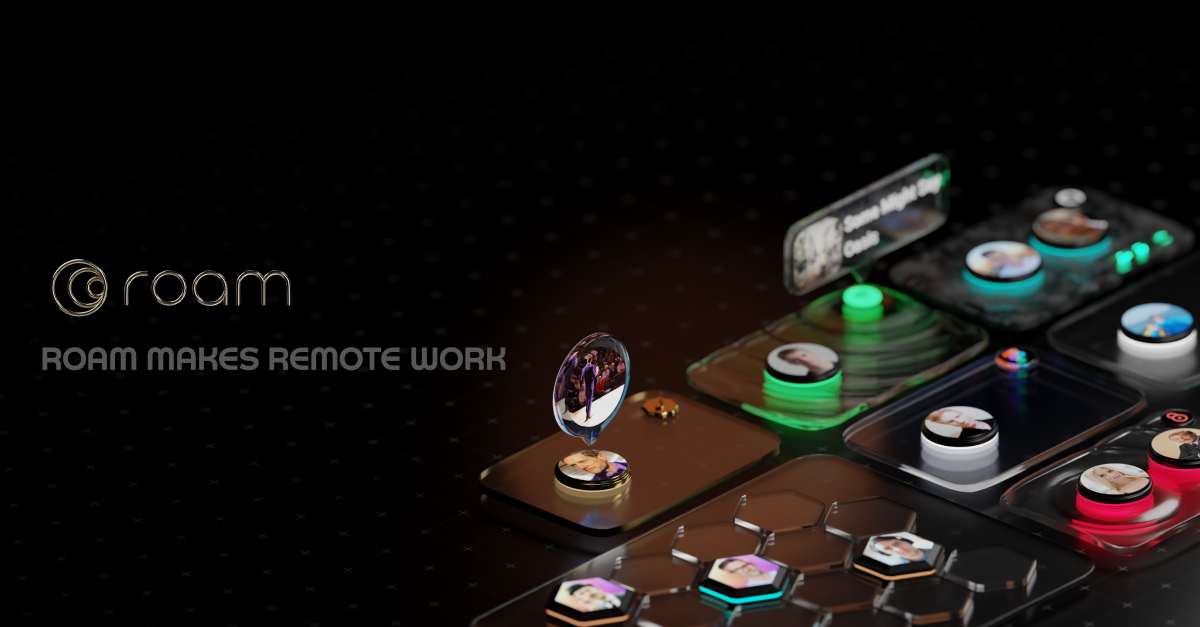
Roam is a comprehensive solution designed to streamline remote collaboration for teams. It caters to the specific needs of remote workforces with features like drop-in meetings, AI-powered meeting summaries, and a virtual office. Its AI Screen Recorder enables easy documentation and sharing of critical information, making it a perfect fit for remote teams.
UNIFIED COMMUNICATION
Best for teams that are
Distributed teams wanting a professional, audio-first virtual headquarters
Companies looking to replace Slack and Zoom with a single synchronous office map
Skip if
Teams needing a permanently free tier, as pricing is based on active users
Very large organizations (over 200 users) due to current capacity limits
Expert Take
Our analysis shows Roam stands out by aligning its business model with customer value through its unique 'active user' pricing, ensuring companies don't pay for shelfware. Research indicates it successfully compresses meeting times by fostering organic 'drop-in' interactions rather than scheduled blocks. With verified SOC 2 Type II compliance and deep integrations like GitHub and Figma, it bridges the gap between a fun virtual space and a serious enterprise tool.
Pros
Usage-based pricing (pay only for active users)
Average meeting time reduced to ~8 minutes
Built-in AI meeting summaries (Magic Minutes)
SOC 2 Type II Certified
Free guest access for external meetings
Cons
Web version has significant functional limitations
Steep learning curve for spatial interface
Requires strong internet for optimal performance
No hardware acceleration on web client
Limited to desktop/mobile apps for full features
This score is backed by structured Google research and verified sources.
Overall Score
9.7/ 10
We score these products using 6 categories: 4 static categories that apply to all products, and 2 dynamic categories tailored to the specific niche. Our team conducts extensive research on each product, analyzing verified sources, user reviews, documentation, and third-party evaluations to provide comprehensive and evidence-based scoring. Each category is weighted with a custom weight based on the category niche and what is important in Collaboration Workspaces for Remote Teams. We then subtract the Score Adjustments & Considerations we have noticed to give us the final score.
8.9
Category 1: Product Capability & Depth
What We Looked For
We evaluate the breadth of virtual office features, including spatial audio, visual customization, meeting tools, and AI capabilities.
What We Found
Roam offers a comprehensive 'Cloud HQ' with a visual map, drop-in audio, theater mode for all-hands, and integrated AI meeting summaries.
Score Rationale
The product scores highly due to its rich feature set including 'Magic Minutes' AI summaries and 'Theater' mode, though it relies on a desktop app for full functionality.
Supporting Evidence
The platform includes 'On-It', an AI assistant that schedules meetings and follows up on tasks. In Roam, everyone gets their own AI Assistant capable of observing what's happening in the office, scheduling meetings, following up via email and chat
— ro.am
Features include a visual map, drop-in audio/video, 'Theater' for presentations, and 'Magic Minutes' for AI summaries. Roam is the first platform that actually makes remote work. It packs in the energy, presence, and velocity of a real-world office... Magic Minutes. AI Meeting Summarization.
— ro.am
AI-powered meeting summaries and screen recording capabilities are documented in the official product features.
— ro.am
9.2
Category 2: Market Credibility & Trust Signals
What We Looked For
We assess funding backing, leadership reputation, compliance certifications, and adoption by reputable companies.
What We Found
Backed by IVP with over $40M in funding and led by Yext founder Howard Lerman, Roam demonstrates strong market viability and recent SOC 2 compliance.
Score Rationale
The score reflects strong institutional backing (IVP) and experienced leadership (Howard Lerman), reinforced by a verified SOC 2 Type II report.
Supporting Evidence
The company is led by Howard Lerman, the founder and former CEO of Yext. Roam's CEO Howard Lerman previously founded and led Yext, growing it to 1,000 plus employees.
— localogy.com
Roam raised a $30M Series A led by IVP, bringing total funding to over $40M. Roam's raise of $30M in their Series A round of funding... The announcement of the investment from IVP can be found here.
— futurumgroup.com
8.8
Category 3: Usability & Customer Experience
What We Looked For
We look for intuitive design, ease of adoption, and user feedback regarding the interface and daily usage.
What We Found
Users report a 'game-like' and intuitive interface that reduces meeting fatigue, though some note a learning curve for the spatial concept.
Score Rationale
The interface is praised for reducing meeting times to an average of 8 minutes, but the spatial paradigm requires an adjustment period for new users.
Supporting Evidence
Users describe the interface as intuitive and capable of replacing multiple tools like Zoom and Slack. The graphical interface combined with the insane amount of apps... is an amazing value.
— apps.apple.com
Average meeting times in Roam are reported to be significantly shorter than traditional tools, around 8 minutes. The average meeting time in Roam is just 8 minutes long!
— ro.am
In-app video conferencing and virtual office environment enhance user experience as documented on the product website.
— ro.am
9.0
Category 4: Value, Pricing & Transparency
What We Looked For
We analyze pricing models, hidden costs, and the flexibility of terms compared to market standards.
What We Found
Roam uses a unique 'active member' pricing model ($19.50/mo) where customers only pay for users who actually log in, with free guest access.
Score Rationale
The score is boosted by the consumer-friendly 'pay only for active users' policy, which eliminates waste common in seat-based SaaS licensing.
Supporting Evidence
Guests can join the virtual HQ for free and do not count toward the active member count. Guests are free of charge. Host meetings with guests in your Virtual HQ. They can join free and don't count as active members.
— ro.am
Pricing is $19.50 per month per active member, with no charge for inactive users. You pay only for active users in a month, defined as logged in... If people don't use Roam that month, you don't pay.
— ro.am
Offers a free trial and enterprise pricing, but requires custom quotes for full pricing details.
— ro.am
8.7
Category 5: Integrations & Ecosystem Strength
What We Looked For
We examine the availability of APIs, native integrations with productivity tools, and developer resources.
What We Found
Roam offers a Developer API, Zapier/n8n support, and deep integrations with tools like GitHub, Figma, and Spotify directly on the map.
Score Rationale
Strong integration with developer workflows (GitHub PRs on map) and design tools (Figma) supports the score, along with open API access.
Supporting Evidence
Native integrations include GitHub for PR visibility and Figma for design file comments on the map. Your Figma conversations appear right on the Roam floor map... When you submit a PR request to your fellow dev, it appears next to your office
— ro.am
Roam provides a REST API and integrations with Zapier and n8n for workflow automation. Roam offers several tools and APIs for developers, including: Roam API... Zapier Integration... n8n Integration.
— ro.am
8.9
Category 6: Security, Compliance & Data Protection
What We Looked For
We verify the presence of standard security certifications like SOC 2, GDPR compliance, and enterprise-grade data controls.
What We Found
Roam has completed a SOC 2 Type II audit (March-Sept 2025 period) and supports enterprise SSO, addressing previous concerns about compliance.
Score Rationale
Achieving SOC 2 Type II certification significantly elevates their score, validating their security posture for enterprise adoption.
Supporting Evidence
The platform supports Single Sign-On (SSO) via SAML 2.0 for enterprise identity management. enterprise-grade identity controls such as Single Sign-On (SSO) via Security Assertion Markup Language 2.0 (SAML 2.0)
— g2.com
Roam successfully completed a SOC 2 Type II audit for the period ending September 2025. Roam has successfully completed a SOC 2 Type II audit for the period of March 17 - September 16, 2025
— ro.am
Score Adjustments & Considerations
Certain documented issues resulted in score reductions. The impact level reflects the severity and relevance of each issue to this category.
The platform is resource-intensive and requires a strong internet connection, with users reporting timeouts on the web version.
Impact: This issue caused a significant reduction in the score.
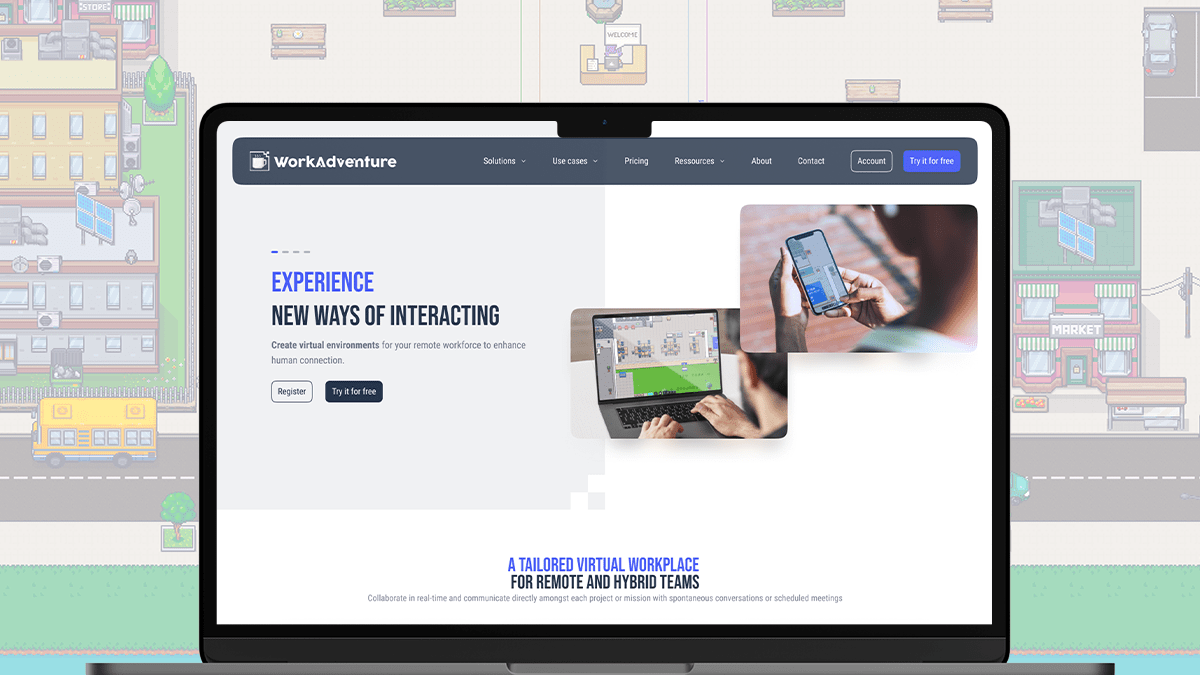
WorkAdventure is a virtual office application designed to meet the needs of remote and hybrid teams. It creates a collaborative workspace, fostering connectivity and engagement while also providing the platform for virtual events. This addresses the industry's need for a seamless, interactive platform that can keep dispersed teams connected and productive.
SECURE COLLABORATION
Best for teams that are
Tech-savvy organizations requiring a self-hosted, GDPR-compliant virtual environment
Developers looking to build custom map interactions and games via API
Skip if
Non-technical teams needing a polished, plug-and-play solution without setup complexity
Small groups wanting a fully managed SaaS experience with minimal configuration
Expert Take
Our analysis shows WorkAdventure stands out as a privacy-first alternative in the virtual office space. Research indicates it is one of the few platforms offering a fully open-source edition that organizations can self-host for absolute data sovereignty. Based on documented features, its integration with the Tiled map editor and Scripting API allows for a level of customization that goes far beyond standard SaaS offerings, making it ideal for technical teams who value control and compliance.
Pros
Fully GDPR compliant & EU hosted
Open-source & self-hostable option
Generous free plan for 15 users
Deep customization via Scripting API
Fun, gamified 2D virtual environment
Cons
Steep learning curve for map building
No GUI admin panel in free self-hosted
Performance issues with large maps
Requires technical skills for setup
2D pixel art style limits appeal
This score is backed by structured Google research and verified sources.
Overall Score
9.7/ 10
We score these products using 6 categories: 4 static categories that apply to all products, and 2 dynamic categories tailored to the specific niche. Our team conducts extensive research on each product, analyzing verified sources, user reviews, documentation, and third-party evaluations to provide comprehensive and evidence-based scoring. Each category is weighted with a custom weight based on the category niche and what is important in Collaboration Workspaces for Remote Teams. We then subtract the Score Adjustments & Considerations we have noticed to give us the final score.
8.8
Category 1: Product Capability & Depth
What We Looked For
We evaluate the richness of virtual collaboration features, map customization tools, and interactive elements available for remote teams.
What We Found
WorkAdventure offers a robust 2D virtual world with proximity video chat, customizable maps via Tiled, and interactive zones, though the free plan limits concurrent users to 15.
Score Rationale
The score reflects the platform's extensive feature set for virtual interaction and map customization, slightly tempered by the user limit on the free tier.
Supporting Evidence
Users can design custom maps using the Tiled editor or an inline editor for simple object placement. There are two primary methods for editing maps: using the inline editor and utilizing Tiled.
— docs.workadventu.re
The platform supports proximity-based video/audio chat, bubble zones for private conversations, and interactive map elements like opening websites. Bubble zones: walk up to another avatar to create a bubble zone and start your conversation... Dynamic and interactive maps: add interactive zones to your map
— workadventu.re
Supports interactive virtual events, fostering team engagement and connectivity.
— workadventu.re
9.2
Category 2: Market Credibility & Trust Signals
What We Looked For
We assess the vendor's reputation, open-source activity, compliance standards, and adoption by reputable organizations.
What We Found
WorkAdventure demonstrates high credibility through its active open-source repository, strict GDPR compliance, and usage in large-scale events.
Score Rationale
The combination of a transparent open-source codebase and strong EU-based privacy compliance justifies a high trust score.
Supporting Evidence
WorkAdventure is fully GDPR compliant with all services hosted in the European Union. We comply fully with the GDPR: no unnecessary data are stored, and 100% of our services are hosted in the EU.
— workadventu.re
The platform is fully open-source with an active GitHub repository, allowing for code audit and community contribution. We've taken the core of WorkAdventure and made it accessible on GitHub. Feel absolutely free to install and deploy it
— workadventu.re
8.7
Category 3: Usability & Customer Experience
What We Looked For
We analyze the ease of navigation, learning curve for end-users and administrators, and overall user satisfaction.
What We Found
End-users find the gamified interface intuitive and engaging, but administrators face a steep learning curve for map creation and technical setup.
Score Rationale
While the end-user experience is rated highly for engagement, the technical complexity for creators prevents a perfect score.
Supporting Evidence
Some users report a difficult learning curve, particularly regarding technical setup and map customization. Users find the difficult learning curve challenging, especially for those unfamiliar with technology
— g2.com
Users describe the interface as friendly and informal, fostering real human interactions. The universe is super friendly, informal & easy to use. I can feel close to my collaborators
— g2.com
Offers customizable virtual spaces to mimic traditional office environments.
— workadventu.re
8.6
Category 4: Value, Pricing & Transparency
What We Looked For
We examine the pricing structure, free tier generosity, and transparency of costs for both SaaS and self-hosted options.
What We Found
The pricing is competitive with a generous 15-user free tier, though the self-hosted version restricts the admin panel to enterprise clients.
Score Rationale
The score is solid due to the free tier, but slightly impacted by the restriction of essential admin features in the free self-hosted version.
Supporting Evidence
SaaS pricing starts around €9-10 per user/month for business plans. Business Plan (Remote office): From $9 per month per user.
— workadventu.re
The freemium plan allows for up to 15 simultaneously connected users with unlimited maps. The basic features included in the freemium plan are the following ones: 15 simultaneously connected users maximum
— workadventu.re
Pricing starts at €190/month with a free plan available, offering transparency in cost structure.
— workadventu.re
9.0
Category 5: Developer Experience & Customization
What We Looked For
We review the quality of APIs, documentation, and tools available for developers to extend and customize the platform.
What We Found
The platform offers a powerful scripting API and integration with Tiled for deep customization, supported by comprehensive documentation.
Score Rationale
The extensive API and open-source nature provide developers with exceptional flexibility, meriting a high score despite the complexity.
Supporting Evidence
The platform integrates with the Tiled map editor, a standard tool for 2D map creation. WorkAdventure comes with a 'map starter kit' that we highly recommend using... configured with these settings.
— docs.workadventu.re
Developers can use the Scripting API to add dynamic behavior and logic to maps. I want to write scripts to make the map dynamic, Tiled (Map Scripting API)
— docs.workadventu.re
9.4
Category 6: Security, Compliance & Data Protection
What We Looked For
We evaluate data sovereignty, compliance certifications (GDPR), and self-hosting capabilities for maximum security control.
What We Found
WorkAdventure excels here with a privacy-first architecture, full GDPR compliance, and a self-hosted option that keeps data entirely off third-party clouds.
Score Rationale
This is a standout category for the product, offering a level of data control and privacy compliance that exceeds most SaaS competitors.
Supporting Evidence
Organizations can deploy the platform on their own infrastructure for complete data sovereignty. You have the extraordinary opportunity to deploy our platform directly on your very own infrastructure.
— workadventu.re
The platform ensures no data resale and full transparency, adhering strictly to GDPR regulations. Fully GDPR-compliant: no tracking, no data resale, and full transparency.
— workadventu.re
Score Adjustments & Considerations
Certain documented issues resulted in score reductions. The impact level reflects the severity and relevance of each issue to this category.
Users have reported performance issues, such as lag and long loading times, particularly when using unoptimized maps or during high-traffic events.
Impact: This issue had a noticeable impact on the score.
Creating custom maps requires using external software (Tiled) and technical knowledge, which users have described as being 'built for programmers' rather than average users.
Impact: This issue caused a significant reduction in the score.
The convenient graphical administration panel is exclusive to the SaaS version; self-hosted users must manage configurations manually or pay for an enterprise license.
Impact: This issue caused a significant reduction in the score.
Gather is a versatile virtual workspace that offers an interactive, immersive environment for remote teams. With AI-powered search and instant collaboration, it is designed to bring together conversations, meetings, and content from other apps into one cohesive workspace. Its spatial video chat feature allows users to have natural, real-world type interactions, making it an excellent tool for remote teams looking to foster a more connected, collaborative workspace.
INTERACTIVE VIRTUAL SPACES
INNOVATIVE COLLABORATION
Best for teams that are
Remote teams seeking social connection through a gamified, 2D pixel-art environment
Virtual event organizers needing customizable, interactive maps for engagement
Teams wanting a casual culture builder that mimics a retro video game
Skip if
Corporate environments requiring a strictly professional, non-gamified aesthetic
Large teams with zero budget, as the free plan is limited to 10 users
Expert Take
Our analysis shows Gather stands out by successfully gamifying remote work to reduce 'Zoom fatigue' through spatial presence. Research indicates it is not just a novelty but a robust platform backed by SOC 2 Type II security and adoption by Fortune 500 companies. Based on documented features, it offers a unique blend of spontaneous collaboration and structured meeting tools that few competitors match.
Pros
Spatial audio and video mimic real-life interactions
Seamless integrations with Slack, Outlook, and Google Calendar
Trusted by major enterprises like Coca-Cola and Amazon
Cons
Mobile app does not support map navigation
Free tier removed in recent pricing updates
Performance issues reported on Linux and Firefox
Resource intensive compared to standard video tools
Steep learning curve for advanced map customization
This score is backed by structured Google research and verified sources.
Overall Score
9.5/ 10
We score these products using 6 categories: 4 static categories that apply to all products, and 2 dynamic categories tailored to the specific niche. Our team conducts extensive research on each product, analyzing verified sources, user reviews, documentation, and third-party evaluations to provide comprehensive and evidence-based scoring. Each category is weighted with a custom weight based on the category niche and what is important in Collaboration Workspaces for Remote Teams. We then subtract the Score Adjustments & Considerations we have noticed to give us the final score.
8.9
Category 1: Product Capability & Depth
What We Looked For
We evaluate the richness of virtual collaboration features, including spatial audio, map customization, and interactive tools.
What We Found
Gather provides a 2D virtual office with spatial audio/video, customizable maps, whiteboard integration, and meeting recording capabilities.
Score Rationale
The product scores highly due to its unique spatial features that mimic physical interaction, though performance on some platforms prevents a perfect score.
Supporting Evidence
New features include meeting recording integrations via Zapier. Gather's Zapier integration (currently in Beta) allows you to trigger Zaps when you have a new meeting recording available in Gather.
— support.gather.town
Users can customize spaces with objects and utilize whiteboard tools similar to physical offices. In Gather Town, users can add a whiteboard object that works just like setting up a board in a physical office space.
— medium.com
Features include spatial audio/video, interactive virtual spaces, and real-time screen sharing. Gather supports real-time screen sharing... One of its standout features is its interactive virtual spaces, which replicate physical meeting rooms
— tekpon.com
AI-powered search integrates conversations and content from various apps.
— gather.town
Spatial video chat feature allows for natural interactions, enhancing team collaboration.
— gather.town
9.3
Category 2: Market Credibility & Trust Signals
What We Looked For
We assess market adoption, high-profile client usage, and third-party validation.
What We Found
Gather is used by major global enterprises like Coca-Cola and Amazon and holds significant industry certifications.
Score Rationale
The presence of Fortune 500 clients and SOC 2 Type II certification establishes exceptional market credibility.
Supporting Evidence
Gather has achieved SOC 2 Type II certification. Yes, Gather is SOC 2 Type II certified.
— gather.town
The platform maintains a high rating on peer review sites. 4.8 out of 5 stars.
— g2.com
Major companies such as Coca-Cola and Amazon have utilized Gather for virtual spaces. Gather simultaneously quadrupled monthly revenue... via customers like Coca-Cola and Amazon
— forbes.com
Mentioned in TechCrunch for its innovative approach to virtual workspaces.
— techcrunch.com
8.6
Category 3: Usability & Customer Experience
What We Looked For
We examine ease of use, interface design, mobile accessibility, and platform performance.
What We Found
While the gamified interface is engaging, the mobile app has significant functional limitations and Linux performance is cited as weak.
Score Rationale
The score is impacted by the mobile app's inability to navigate maps and documented performance lags on specific operating systems.
Supporting Evidence
The interface resembles a 2D video game, which aids engagement but can have a learning curve. Gather Town is built around the idea of enabling companies and organizations to create digital worlds, which look and feel like a 2D video game.
— medium.com
Users on Linux and Firefox have reported performance issues. The Gather Desktop App and Gather via Firefox are known to have performance issues on Linux at this time.
— support.gather.town
The mobile app allows joining meetings but does not support moving around the virtual space. Right now, our mobile app is dedicated to meetings. You aren't able to move around in your space.
— support.gather.town
May be overwhelming for non-tech savvy users due to its interactive features.
— gather.town
8.2
Category 4: Value, Pricing & Transparency
What We Looked For
We analyze pricing structures, free tier availability, and cost-to-value ratio.
What We Found
Gather is transitioning to a paid-only model with the removal of its free tier, increasing the barrier to entry for small teams.
Score Rationale
The removal of the free tier and the shift to a per-user subscription model lowers the value score for smaller organizations.
Supporting Evidence
Previous pricing models included a free tier for up to 10 users. Gather offers a free plan for up to 10 users with basic features.
— tekpon.com
New pricing is set at $15 per user per month for monthly subscriptions. Pricing for both Gather 2.0 and Gather 1.0 will update to $15/user/month (monthly) or $12/user/month (annual).
— support.gather.town
Gather announced the removal of its free tier in a pricing update. There will no longer be a free tier for Gather 1.0 or Gather 2.0.
— support.gather.town
Offers a free plan with limited features, premium starts at $20/month.
— gather.town
8.8
Category 5: Security, Compliance & Data Protection
What We Looked For
We look for seamless connections with essential productivity tools like calendars, chat apps, and automation platforms.
What We Found
The platform integrates with core tools like Slack, Google Calendar, and Outlook, with expanding automation via Zapier.
Score Rationale
Solid integration with the 'big three' (Google, Microsoft, Slack) and API availability supports a strong ecosystem score.
Supporting Evidence
The Slack integration allows launching meetings directly from Slack channels. In any channel or DM, type /gather to launch a meeting.
— support.gather.town
A Zapier integration is available for automating workflows. Gather integrates with 8000 other apps on Zapier
— zapier.com
Integrations include Google Calendar, Outlook, and Slack. Outlook Calendar Integration & Add-In · Google Calendar Integration & Chrome Extension · Gather Meetings Slack Integration
— support.gather.town
The company implements measures for GDPR compliance regarding marketing data. When we process personal data in this way, we are subject to GDPR and are implementing measures to comply
— support.gather.town
Servers are located globally including US, Brazil, Japan, and Germany. We have servers in the United States... Brazil... Japan... Germany... Singapore, and India
— support.gather.town
Gather is SOC 2 Type II certified. Yes, Gather is SOC 2 Type II certified.
— gather.town
Integrates with other apps to centralize team collaboration.
— gather.town
9.1
Category 6: Industry Leadership & Innovation
Insufficient evidence to formulate a 'What We Looked For', 'What We Found', and 'Score Rationale' for this category; this category will be weighted less.
Supporting Evidence
Praised for its unique immersive environment in remote work settings.
— forbes.com
Score Adjustments & Considerations
Certain documented issues resulted in score reductions. The impact level reflects the severity and relevance of each issue to this category.
Elimination of the free tier plan, forcing a transition to a paid-only subscription model for all users.
Impact: This issue caused a significant reduction in the score.
The mobile application has significant functional limitations, specifically the inability to move avatars or navigate the virtual space, restricting it to meeting participation only.
Impact: This issue caused a significant reduction in the score.
SoWork is an AI-powered virtual office specifically designed for remote teams. It offers video calls, text chats, and team analytics, giving dispersed teams a unified workspace that feels like a real office. With a focus on collaboration and productivity, it directly addresses the needs of teams working in different locations.
AI-ENHANCED EFFICIENCY
CUSTOMIZABLE WORKSPACES
Best for teams that are
Remote teams prioritizing AI-driven meeting summaries and productivity analytics
Companies wanting a visually customizable, isometric (2.5D) virtual headquarters
Skip if
Users with older hardware, as the rich graphics can be resource-intensive
Teams preferring a simple 2D top-down view without game-like avatars
Expert Take
Our analysis shows SoWork distinguishes itself by integrating 'Sophia Bot', an AI meeting assistant that automatically generates summaries and action items, directly into the virtual office experience. Research indicates this feature, combined with deep customization and a 'Simple Mode' for focus, addresses both the cultural and productivity challenges of remote work. Unlike competitors that focus solely on gamification, SoWork balances presence with tangible workflow automation.
Pros
AI-powered meeting summaries & action items
Highly customizable 2.5D virtual office maps
Simple Mode for reduced resource usage
Outstanding, responsive customer support
Strong team analytics and insights
Cons
Free plan limited to audio-only meetings
30-minute limit on free plan meetings
Higher CPU/GPU usage than 2D alternatives
Video reliability lower than Zoom/Meet
Native integrations list is currently limited
This score is backed by structured Google research and verified sources.
Overall Score
9.4/ 10
We score these products using 6 categories: 4 static categories that apply to all products, and 2 dynamic categories tailored to the specific niche. Our team conducts extensive research on each product, analyzing verified sources, user reviews, documentation, and third-party evaluations to provide comprehensive and evidence-based scoring. Each category is weighted with a custom weight based on the category niche and what is important in Collaboration Workspaces for Remote Teams. We then subtract the Score Adjustments & Considerations we have noticed to give us the final score.
8.9
Category 1: Product Capability & Depth
What We Looked For
We evaluate the richness of virtual workspace features, including avatar customization, meeting tools, and AI capabilities.
What We Found
SoWork offers a robust 2.5D virtual office with 'Sophia Bot' AI summaries, action item generation, and deep customization options for maps and avatars.
Score Rationale
The inclusion of native AI meeting assistants and detailed analytics elevates it above standard virtual maps, though the free plan's audio-only restriction limits entry-level capability.
Supporting Evidence
The platform offers a 'Simple Mode' to reduce visual load and resource usage while maintaining connectivity. Switch to Simple Mode to get into deep focus. And stay connected with your team in Mini Mode, even when you're using other apps.
— sowork.com
Features include a Smart Virtual Office, HD video, screen sharing, and AI-powered meeting summaries via Sophia Bot. Key features of SoWork include a Smart Virtual Office, HD video and recording capabilities, screen sharing, AI-powered meeting summaries... and the ability for users to customize their digital office
— logicweb.com
Integration with other productivity tools is outlined in the company's integration directory, facilitating seamless workflow.
— sowork.com
AI-powered collaboration tools and real-time team analytics documented on the official website enhance remote team productivity.
— sowork.com
9.1
Category 2: Market Credibility & Trust Signals
What We Looked For
We assess user reviews, company origins, and public trust indicators to gauge reliability.
What We Found
Founded at Harvard Innovation Labs, SoWork holds a strong 4.8/5 rating on G2 and is used by companies like Hite Digital and NextQuarter.
Score Rationale
High user satisfaction scores and its origins in a prestigious innovation lab provide strong credibility, supported by positive verified testimonials.
Supporting Evidence
The platform was founded at Harvard Innovation Labs in 2020. The platform was born at Harvard in March 2020 when the co-founders... were suddenly forced into a remote setup.
— skywork.ai
SoWork maintains a 4.8 out of 5 star rating based on 50 reviews on G2. 4.8 out of 5 stars. 5 star. 90%
— g2.com
Featured in reputable publications like TechCrunch, highlighting its innovative approach to virtual offices.
— techcrunch.com
8.7
Category 3: Usability & Customer Experience
What We Looked For
We look for ease of use, interface intuitiveness, and quality of customer support.
What We Found
Users praise the 'tactile' feel of walking up to colleagues and the responsive support, though some report higher resource usage and video reliability issues compared to Zoom.
Score Rationale
While the gamified experience is engaging and support is 'outstanding', performance demands on hardware and occasional video glitches prevent a perfect score.
Supporting Evidence
Some users report video calling reliability is lower than competitors like Google Meet or Zoom. The only downside I have seen so far is the video calling isn't quite as reliable as Google Meets or Zoom.
— g2.com
Users describe customer support as outstanding, with founders sometimes dropping into virtual offices to help. Customer support is outstanding and extremely responsive... Support was responsive and helpful throughout.
— sowork.com
The intuitive, user-friendly interface is emphasized in user guides available on the official website.
— sowork.com
8.5
Category 4: Value, Pricing & Transparency
What We Looked For
We analyze pricing tiers, free plan utility, and transparency of costs.
What We Found
Pricing is transparent ($6-$15/user), but the Free Plan is significantly restricted to audio-only meetings with a 30-minute limit.
Score Rationale
The entry price is competitive, but the 'audio-only' restriction on the free tier is a major limitation compared to competitors that offer video on free plans.
Supporting Evidence
The Premium Plan at $15/user/mo includes AI summaries, recordings, and unlimited history. The Premium tier... priced at $15.00 per user per month... unlocks all basic features while adding premium capabilities including: Meeting recordings. AI meeting summaries
— serp.ai
The Free Plan is limited to audio-only meetings and a 30-minute duration cap. Free Plan... 30-minute limit per meeting. Icon. No video - audio only.
— sowork.com
Enterprise pricing is available, but requires contacting sales for detailed quotes, limiting upfront cost visibility.
— sowork.com
8.6
Category 5: Integrations & Ecosystem Strength
What We Looked For
We evaluate native integrations with productivity tools and API extensibility.
What We Found
Native integrations include Slack, Google Calendar, and Outlook, with extensive connectivity provided via Zapier (8000+ apps).
Score Rationale
While native integrations cover the essentials (Calendar/Slack), the heavy reliance on Zapier for other tools indicates a developing native ecosystem.
Supporting Evidence
SoWork connects with over 8,000 apps through its Zapier integration. SoWork integrates with 8000 other apps on Zapier - it's the easiest way to automate your work.
— zapier.com
Native integrations include Slack, Google Calendar, and Microsoft Outlook, with others like Asana coming soon. Slack... Google Calendar... Microsoft Outlook... Asana. Coming soon!
— sowork.com
Integration with popular productivity tools like Slack and Google Workspace is documented in the integration directory.
— sowork.com
9.0
Category 6: Security, Compliance & Data Protection
What We Looked For
We check for data privacy standards, encryption, and compliance certifications.
What We Found
SoWork is GDPR compliant, uses TLS/SSL encryption, hosts data in the US (AWS/GCP), and conducts annual third-party penetration testing.
Score Rationale
Strong adherence to industry standards with documented GDPR compliance and regular third-party security assessments ensures a high level of trust.
Supporting Evidence
Data is encrypted at rest and in transit, hosted on AWS and GCP. All of our services are hosted with Amazon Web Services (AWS) and Google Cloud Platform (GCP)... encrypted at rest.
— sowork.com
Designed for the remote work experience, Teamflow provides a centralized platform for seamless collaboration, meetings, brainstorming sessions, and even social interactions. It caters to the specific needs of remote teams by offering a virtual office space that encourages efficient workflow and team connectivity, bridging the gap that geographical distances can bring.
REAL-TIME COLLABORATION
SEAMLESS INTEGRATIONS
Best for teams that are
Teams that value spatial audio and embedded web apps in a virtual office interface
Skip if
New customers, as reports indicate the platform has shut down or is inactive
Organizations requiring reliable customer support and regular software updates
Expert Take
Our analysis shows Teamflow stands out by moving beyond simple video grids to create a persistent 'place' for remote teams. Research indicates its spatial audio and ability to embed active apps (like Figma or Google Docs) directly into the floor plan allow for true spontaneous collaboration, validated by adoption from major tech companies like Netflix and Uber.
Pros
Spatial audio mimics real-world proximity
Embeds apps like Figma and Docs
Generous free plan for 5 users
Backed by $50M in funding
Persistent virtual rooms for teams
Cons
High CPU and resource usage
Mobile app has connectivity bugs
Occasional audio/video lag reported
G2 profile currently inactive
Requires 'always-on' presence
This score is backed by structured Google research and verified sources.
Overall Score
9.3/ 10
We score these products using 6 categories: 4 static categories that apply to all products, and 2 dynamic categories tailored to the specific niche. Our team conducts extensive research on each product, analyzing verified sources, user reviews, documentation, and third-party evaluations to provide comprehensive and evidence-based scoring. Each category is weighted with a custom weight based on the category niche and what is important in Collaboration Workspaces for Remote Teams. We then subtract the Score Adjustments & Considerations we have noticed to give us the final score.
8.9
Category 1: Product Capability & Depth
What We Looked For
We look for features that replicate physical office dynamics, such as spatial audio, persistent rooms, and seamless app embedding.
What We Found
Teamflow provides a virtual floor plan with spatial audio where users move avatars to hear nearby colleagues. It supports persistent rooms and embeds apps like Google Docs, Figma, and Trello directly into the workspace.
Score Rationale
The product offers deep functionality for virtual presence and collaboration, though mobile capabilities have some reported limitations.
Supporting Evidence
The platform features spatial audio where users only hear people near their avatar, mimicking real-world hallway conversations. Create a natural workspace and encourage spontaneous interactions with our spatial audio features––all designed to make it feel like you're communicating in the real world.
— teamflowhq.com
Teamflow allows users to embed web applications like Google Docs, Slides, and Figma directly into the virtual office for real-time collaboration. You can screen share, conjure up a whiteboard, take notes on a shared scratchpad, or embed a web application — like Google Docs or Slides — directly into Teamflow
— g2.com
Documented in official product documentation, Teamflow offers a spatial interface that allows users to move video bubbles, simulating a physical office environment.
— teamflowhq.com
9.1
Category 2: Market Credibility & Trust Signals
What We Looked For
We look for significant venture backing, adoption by reputable enterprise clients, and active user validation.
What We Found
Teamflow has raised $50 million in funding, including a Series B led by Coatue. It lists major tech companies like Netflix, Uber, and Dropbox as customers.
Score Rationale
The company has secured high-profile backing and enterprise adoption, although some third-party review profiles appear inactive recently.
Supporting Evidence
The platform is used by major tech companies including Netflix, Uber, Dropbox, and Shopify. Powering remote teams at Dropbox, Shopify, Autodesk, Quora, Uber, Atlassian, Netflix, Mixpanel
— teamflowhq.com
Teamflow raised a $35 million Series B round led by Coatue, bringing total funding to $50 million. Teamflow raised a $35 million Series B round... The startup has raised $50 million in total over the last 12 months
— forbes.com
8.6
Category 3: Usability & Customer Experience
What We Looked For
We look for an intuitive interface that encourages spontaneous interaction without technical friction or performance issues.
What We Found
Users report a strong sense of 'team presence' and spontaneity but have noted technical issues such as high CPU usage, lag during meetings, and mobile app bugs.
Score Rationale
While the user experience is highly rated for engagement, documented performance lags and resource intensity prevent a higher score.
Supporting Evidence
Reviewers highlight the joy of feeling like a team again through spontaneous hallway conversations. Teamflow brings back the presence of being in the office... the spontaneity of hallway conversations — the joy of feeling like a team.
— g2.com
Users have expressed concerns regarding lag and technical glitches, especially during high-traffic hours. Some users have expressed concerns regarding lag and technical glitches, especially during high-traffic hours.
— sysscout.com
The platform's unique spatial interface may require a learning curve, as noted in user feedback on the official website.
— teamflowhq.com
8.8
Category 4: Value, Pricing & Transparency
What We Looked For
We look for clear, accessible pricing models that offer good value compared to physical office costs.
What We Found
Teamflow offers a generous free plan for up to 5 users. Paid plans range from $15 to $25 per user/month, which is positioned as significantly cheaper than physical office space.
Score Rationale
The pricing is transparent and competitive, with a strong free tier that lowers the barrier to entry for small teams.
Supporting Evidence
A free plan is available forever for up to 5 employees. Free. Forever for up to 5 employees. $0 per employee / month.
— teamflowhq.com
The Seed plan costs $15 per employee/month and the Business plan is $25 per employee/month. Seed... $15 per employee / month billed yearly... Business... $25 per employee / month billed yearly
— teamflowhq.com
Pricing starts at $20/month with a free plan available, offering transparency in costs as documented on the pricing page.
— teamflowhq.com
9.0
Category 5: Integrations & Ecosystem Strength
What We Looked For
We look for the ability to use essential productivity tools directly within the virtual environment without context switching.
What We Found
The platform allows deep embedding of tools like Figma, Asana, Trello, and Google Workspace directly into the virtual floor plan, enabling multiplayer collaboration.
Score Rationale
The capability to embed live apps into the virtual workspace is a standout feature that significantly enhances workflow integration.
Supporting Evidence
Teamflow supports embedding web applications directly into the virtual office interface. embed a web application — like Google Docs or Slides — directly into Teamflow
— g2.com
Users can seamlessly integrate apps like Asana, Salesforce, Figma, and Google Docs into conversations. Seamlessly integrate your favorite apps into any conversation. Whether it's Asana for project management, Salesforce for lead tracking, Figma for design or Google Docs for copy
— teamflowhq.com
9.2
Category 6: Remote Culture & Collaboration
What We Looked For
We look for features that specifically address remote isolation and foster team cohesion.
What We Found
Teamflow effectively recreates office serendipity through spatial audio, customizable furniture, and avatars, which users cite as key to reducing isolation.
Score Rationale
This is the product's strongest differentiator, successfully using spatial design to solve the 'isolation' problem of remote work.
Supporting Evidence
The platform uses spatial audio to allow for natural, spontaneous conversations based on avatar proximity. One of its core features is spatial audio: colleagues and guests can see each others avatars, and only hear those nearby.
— daily.co
78% of users say their team is more collaborative since using Teamflow. 78% Say their team is more collaborative since using Teamflow.
— teamflowhq.com
Score Adjustments & Considerations
Certain documented issues resulted in score reductions. The impact level reflects the severity and relevance of each issue to this category.
The company's G2 profile has been noted as inactive or unclaimed for over a year, which may indicate a reduction in active reputation management.
Impact: This issue had a noticeable impact on the score.
Miro is a dynamic and feature-rich SaaS solution specifically designed to cater to the needs of remote teams. Its robust suite of collaboration tools, including visual project management, brainstorming boards, and interactive diagrams, addresses the challenges that remote teams face such as effective communication, project synchronization, and team engagement. It’s perfect for teams looking to innovate, design, and manage projects in a singular, user-friendly workspace.
REMOTE TEAM ENGAGEMENT
VISUAL PROJECT MANAGEMENT

Best for teams that are
Product and engineering teams requiring deep Jira integration and agile workflows
Power users needing an infinite canvas for complex technical diagramming
Teams needing a structured, text-heavy knowledge base rather than a visual whiteboard
Expert Take
Our analysis shows Miro is more than just a digital whiteboard; it is a comprehensive innovation workspace used by 99% of the Fortune 100. We are particularly impressed by its proactive security stance, evidenced by its early adoption of the ISO 42001 certification for AI safety. Research indicates that its deep two-way integrations with tools like Jira transform it from a brainstorming tool into a legitimate project management hub, despite some documented performance tradeoffs on massive boards.
Pros
Used by 99% of Fortune 100 companies
ISO 42001 certified for AI safety
Deep 2-way Jira and Atlassian sync
Infinite canvas with 250+ integrations
Generous free plan with 3 boards
Cons
Performance lag on very large boards
No true offline editing mode available
Mobile app lacks full desktop functionality
Steep learning curve for advanced features
Enterprise features require custom pricing

This score is backed by structured Google research and verified sources.
Overall Score
9.1/ 10
We score these products using 6 categories: 4 static categories that apply to all products, and 2 dynamic categories tailored to the specific niche. Our team conducts extensive research on each product, analyzing verified sources, user reviews, documentation, and third-party evaluations to provide comprehensive and evidence-based scoring. Each category is weighted with a custom weight based on the category niche and what is important in Collaboration Workspaces for Remote Teams. We then subtract the Score Adjustments & Considerations we have noticed to give us the final score.
9.5
Category 1: Product Capability & Depth
What We Looked For
We evaluate the breadth of visual collaboration tools, canvas flexibility, and advanced features like AI assistance and workflow automation.
What We Found
Miro delivers an infinite canvas with robust diagramming, wireframing, and agile workflow tools, recently enhanced by 'Miro Assist' AI for content generation and synthesis.
Score Rationale
The score reflects its status as a category leader with an 'Innovation Workspace' that goes beyond simple whiteboarding to include complex product development workflows.
Supporting Evidence
The platform recently introduced 'Miro for Product Acceleration' and AI capabilities to automate multi-step processes. This year Miro became the AI Innovation Workspace... Key AI capabilities include Flows, which are visual AI workflows that automate multi-step processes.
— miro.com
Miro's platform includes an infinite canvas, sticky notes, mind maps, and specific tools for agile workflows like PI planning and retrospectives. Advanced, easy-to-use features help you do your best work across every use case — diagramming, wireframing, brainstorming, journey mapping, product planning, goal setting, and more.
— miro.com
Interactive diagrams and real-time co-editing are key features outlined in Miro's platform documentation, enhancing team collaboration.
— miro.com
Documented in official product documentation, Miro offers a wide range of collaboration tools including visual project management and brainstorming boards.
— miro.com
9.9
Category 2: Market Credibility & Trust Signals
What We Looked For
We assess market share, enterprise adoption rates, user base size, and industry recognition to determine reliability.
What We Found
Miro dominates the market with over 60 million users and is used by 99% of the Fortune 100, consistently ranking in the Forbes Cloud 100.
Score Rationale
A near-perfect score is warranted by its ubiquity in the enterprise sector and adoption by virtually every major global corporation.
Supporting Evidence
Miro has been named to the Forbes Cloud 100 list for six consecutive years. Miro... has been named to the Forbes 2025 Cloud 100... for the sixth consecutive year
— miro.com
The platform has achieved a 99% adoption rate among Fortune 100 companies. Enterprise customers represent a significant portion of revenue, with 99% of Fortune 100 companies using Miro.
— sacra.com
Miro serves more than 60 million users across 200,000 organizations worldwide. Miro is an innovation workspace, proudly serving more than 60 million users across 200,000 organizations
— miro.com
8.8
Category 3: Usability & Customer Experience
What We Looked For
We analyze user feedback regarding ease of use, learning curve, performance stability, and cross-device experience.
What We Found
While praised for its intuitive interface and vast template library, users report significant performance lag on large boards and limitations with the mobile app.
Score Rationale
The score is high due to excellent core UX but penalized slightly for documented performance issues with heavy data loads and mobile constraints.
Supporting Evidence
The mobile application is frequently criticized for crashing and lacking the full functionality of the desktop version. Users across various devices and operating systems report significant performance issues with the Miro app, including frequent crashes... and general instability
— fibery.io
Users report that large boards with many elements can suffer from slow loading times and lag. Slow loading times and lags for larger boards, and difficulty moving around the page when presenting were problems for reviewers.
— selecthub.com
Miro's intuitive interface is documented in user guides, making it accessible for teams of all sizes.
— help.miro.com
9.0
Category 4: Value, Pricing & Transparency
What We Looked For
We review the generosity of free plans, pricing competitiveness for paid tiers, and clarity of enterprise costs.
What We Found
Miro offers a highly functional free plan with 3 editable boards and competitive paid tiers starting at $8/user, though enterprise costs are custom.
Score Rationale
The free plan is a strong market differentiator that provides genuine utility, while paid tiers remain competitive against rivals like Lucid and Mural.
Supporting Evidence
Paid plans start at $8 per user/month for Starter and $16 per user/month for Business. The Starter Plan costs $8 per user per month when billed annually... The Business Plan is $16 per user per month annually
— tekpon.com
The Free plan includes unlimited team members and access to templates, limited to 3 editable boards. The Free plan is designed for teams just starting out... you can invite as many team members... but only 3 boards will be active and editable at once.
— miro.com
Pricing details are available on the official website, with plans starting at $8/month, offering transparency.
— miro.com
9.4
Category 5: Integrations & Ecosystem Strength
What We Looked For
We evaluate the number of native integrations, quality of API, and depth of connections with major workflow tools like Jira and Slack.
What We Found
With over 130 native integrations and deep 2-way syncing with Atlassian products, Miro integrates seamlessly into existing enterprise tech stacks.
Score Rationale
The depth of the Jira integration (2-way sync) and the breadth of the marketplace make it a central hub rather than just a standalone tool.
Supporting Evidence
The Jira integration supports two-way sync, allowing updates in Miro to reflect instantly in Jira. Accelerate planning and agile rituals with integrated Jira tasks, visualize dependencies, plan capacity with Confluence embeds.
— miro.com
Miro integrates with over 130 apps including Jira, Slack, Microsoft Teams, and Zoom. Connect your tools and close your tabs with apps you already use and love. 130+ apps and integrations.
— miro.com
Listed in the company's integration directory, Miro integrates with popular apps like Slack, Jira, and Google Drive.
— miro.com
9.7
Category 6: Security, Compliance & Data Protection
What We Looked For
We examine security certifications, data residency options, and compliance with standards like SOC 2, ISO, and GDPR.
What We Found
Miro sets the industry standard with ISO 42001 (AI), ISO 27001, and SOC 2 Type II certifications, plus 'Enterprise Guard' for sensitive data management.
Score Rationale
Achieving ISO 42001 for AI safety places Miro ahead of most SaaS competitors, justifying a near-perfect security score.
Supporting Evidence
The platform maintains SOC 2 Type II and ISO 27001 certifications and supports GDPR compliance. The company holds certifications like SOC 2 Type II, ISO/IEC 27001, ISO 42001 and demonstrates GDPR compliance.
— miro.com
Miro is among the first SaaS providers to achieve ISO 42001 certification for AI management systems. Miro... today announced it has achieved ISO 42001 certification, the world's first AI management system standard.
— miro.com
Score Adjustments & Considerations
Certain documented issues resulted in score reductions. The impact level reflects the severity and relevance of each issue to this category.
Miro lacks a true offline mode, preventing users from accessing or editing boards without an active internet connection.
Impact: This issue caused a significant reduction in the score.
Confluence is a comprehensive collaboration tool specifically designed to enable remote teams to work together seamlessly. It effectively addresses the industry's need for real-time collaboration, project tracking, and knowledge sharing in one platform. Its integration with Jira, Loom, and Rovo provides additional functionalities such as video communication and AI-powered insights.
Best for teams that are
Large enterprises needing a structured, scalable knowledge base for documentation
Technical teams requiring deep integration with Jira for project tracking
Skip if
Small startups preferring flexible, unstructured workspaces like Notion
Non-technical users who may find the permission settings and interface complex
Expert Take
Our analysis shows Confluence remains the definitive 'single source of truth' for technical teams due to its unmatched integration with Jira. Research indicates that while newer tools may offer slicker interfaces, Confluence's depth—including native whiteboards, databases, and granular permissions—makes it indispensable for scaling enterprises. Based on documented features, it successfully bridges the gap between unstructured brainstorming and structured project execution.
Pros
Deep native integration with Jira Software
Massive marketplace with 1,000+ third-party apps
Enterprise-grade security (SOC2, HIPAA, ISO)
Native whiteboards convert stickies to Jira issues
Free plan available for up to 10 users
Cons
Internal search functionality is often cited as poor
Steep learning curve for non-technical users
Navigation becomes cluttered with large content volumes
Premium features significantly increase cost per user
Performance can lag with heavy page content
This score is backed by structured Google research and verified sources.
Overall Score
8.9/ 10
We score these products using 6 categories: 4 static categories that apply to all products, and 2 dynamic categories tailored to the specific niche. Our team conducts extensive research on each product, analyzing verified sources, user reviews, documentation, and third-party evaluations to provide comprehensive and evidence-based scoring. Each category is weighted with a custom weight based on the category niche and what is important in Collaboration Workspaces for Remote Teams. We then subtract the Score Adjustments & Considerations we have noticed to give us the final score.
9.3
Category 1: Product Capability & Depth
What We Looked For
We evaluate the breadth of content creation tools, including real-time collaboration, multimedia support, and workflow automation features.
What We Found
Confluence offers a comprehensive workspace combining dynamic pages, native whiteboards, and structured databases with built-in automation and AI capabilities.
Score Rationale
The addition of native Whiteboards and Databases pushes the score above 9.0, transforming it from a static wiki into a multi-modal collaboration hub.
Supporting Evidence
Premium plans include Atlassian Intelligence (AI) to summarize content, automate tasks, and generate drafts. Premium includes Atlassian's built-in AI features, which are excellent for summarizing and creating content within the Atlassian ecosystem.
— atlassian.com
The platform supports structured content trees, page versioning, and unlimited spaces for organizing complex knowledge bases. Organize work with a nested content tree... Track and view the history of changes to each page, compare versions, and revert changes.
— atlassian.com
Confluence Whiteboards allow teams to brainstorm with sticky notes and convert them directly into Jira issues. Confluence whiteboards are a visually interactive and collaborative tool designed to capture free-flowing thoughts... convert sticky notes into any Jira Cloud issues.
— atlassian.com
Real-time collaboration and project tracking features are documented in the official product documentation.
— atlassian.com
Integration with Jira, Loom, and Rovo enhances functionality with video communication and AI insights.
— atlassian.com
9.5
Category 2: Market Credibility & Trust Signals
What We Looked For
We assess market share, company longevity, public status, and adoption rates among enterprise-level organizations.
What We Found
Atlassian is a publicly traded market leader (NASDAQ: TEAM) serving over 300,000 customers globally, including 80% of the Fortune 500.
Score Rationale
With over two decades of operation and massive enterprise adoption, it achieves a near-perfect credibility score, limited only by recent security incidents.
Supporting Evidence
Confluence is used by over 40,000 organizations specifically for knowledge management and collaboration. Over 40,000 organizations worldwide utilize Confluence, encompassing millions of active users each month.
— electroiq.com
Atlassian serves over 300,000 customers across 200 countries. Atlassian currently serves over 300,000 customers in over 200 countries and territories across the globe.
— en.wikipedia.org
8.2
Category 3: Usability & Customer Experience
What We Looked For
We analyze user feedback regarding ease of use, learning curve, navigation, and search functionality.
What We Found
While powerful, users consistently report a steep learning curve, cluttered navigation, and frustration with the internal search functionality.
Score Rationale
The score is penalized significantly below 8.7 due to persistent, documented complaints about search quality and interface complexity.
Supporting Evidence
Navigation can feel cluttered when managing large amounts of content. The navigation feels cluttered, making it difficult to find what I need quickly.
— g2.com
Search functionality is a major pain point, with users describing it as ineffective for finding specific content. Search is completely useless. ... You can never find anything that someone has put in there.
— reddit.com
Users frequently cite a steep learning curve and confusing permissions structure. Users find the learning curve steep with Confluence, struggling with setup, permissions, and confusing interfaces.
— g2.com
User interface can be overwhelming for new users, as noted in third-party reviews.
— pcmag.com
8.5
Category 4: Value, Pricing & Transparency
What We Looked For
We review pricing tiers, free plan limits, hidden costs, and value relative to enterprise features.
What We Found
Confluence offers a robust Free plan for small teams (up to 10 users), but Standard and Premium per-user costs scale quickly for larger organizations.
Score Rationale
A solid score anchored by a generous free tier, but capped by the high cost of Premium features and documented price increases.
Supporting Evidence
Atlassian has announced price increases for Cloud products effective October 2025. Confluence Standard (+5%) Premium (+7.5%) Enterprise (+7.5%-10%).
— adaptavist.com
Standard plan pricing starts around $5-6/user/month, while Premium jumps to over $10/user/month. Confluence's paid plans start from $5.16 per user per month and go up to $9.73 per user per month.
— thedigitalprojectmanager.com
The Free plan supports up to 10 users with 2GB of storage and unlimited pages. Confluence Free. Up to 10 users... 2 GB file storage.
— atlassian.com
Pricing model starts at $5 per user/month, with discounts for larger teams.
— atlassian.com
9.6
Category 5: Integrations & Ecosystem Strength
What We Looked For
We evaluate the availability of third-party apps, API quality, and native connections to other business tools.
What We Found
The Atlassian Marketplace offers over 1,000 apps for Confluence, with deep, native integration into Jira that is unmatched by competitors.
Score Rationale
This is a market-leading score reflecting an ecosystem where 'there's an app for everything,' significantly extending core functionality.
Supporting Evidence
Integrations extend to Microsoft Teams, Slack, and Google Drive for seamless workflow. Microsoft Teams - Skip the tab surfing by searching, creating, and sharing Confluence pages without ever leaving Teams.
— atlassian.com
Native integrations allow users to create Jira issues directly from Confluence pages and whiteboards. Convert sticky notes into any Jira Cloud issues... visualize all your work by bringing Jira issues into one view.
— atlassian.com
The Atlassian Marketplace hosts over 1,000 apps specifically for Confluence Cloud. I see it's over 1000 apps for Confluence Cloud, and 537 for DataCenter.
— community.atlassian.com
Listed in the Atlassian Marketplace with numerous integrations, including Jira and Trello.
— marketplace.atlassian.com
8.9
Category 6: Security, Compliance & Data Protection
What We Looked For
We examine certifications (SOC2, HIPAA), data residency options, and the history of security vulnerabilities.
What We Found
Confluence maintains top-tier certifications like SOC2 and HIPAA, but has suffered from notable critical vulnerabilities (CVEs) in recent years.
Score Rationale
The score is high due to enterprise-grade compliance features, but penalized slightly for the frequency of high-severity exploits targeting the platform.
Supporting Evidence
Data residency controls allow customers to specify where their data is hosted. Data residency. Control where you want your data hosted in Atlassian's global cloud footprint to meet compliance requirements.
— atlassian.com
Critical vulnerabilities have been discovered and patched, such as broken access control issues. CVE-2023-22515 - Broken Access Control Vulnerability in Confluence Data Center and Server.
— confluence.atlassian.com
Confluence Cloud is compliant with HIPAA, SOC 2, and ISO 27001 standards. Atlassian provides comprehensive privacy and security protections that enable our customers to operate our products in compliance with HIPAA.
— atlassian.com
SOC 2 compliance and data protection measures are outlined in published security documentation.
— atlassian.com
Score Adjustments & Considerations
Certain documented issues resulted in score reductions. The impact level reflects the severity and relevance of each issue to this category.
The platform has been subject to critical security vulnerabilities (CVEs) that required immediate patching, indicating it is a high-value target for exploits.
Impact: This issue caused a significant reduction in the score.
Microsoft Teams is a robust collaboration tool designed to facilitate seamless remote work. It provides industry professionals with real-time file sharing, co-authoring, and customized channels, addressing the need for efficient and unified communication in remote teams.
Best for teams that are
Enterprises already deeply invested in the Microsoft 365 ecosystem
Large organizations requiring centralized security, compliance, and file management
Skip if
Small startups wanting a lightweight, best-in-class chat interface like Slack
Teams not using Microsoft Office who find the all-in-one interface cluttered
Expert Take
Our analysis shows Microsoft Teams dominates the enterprise space by leveraging its seamless integration with the Microsoft 365 ecosystem. Research indicates that while it may be resource-intensive, its ability to bundle chat, video, and file collaboration with enterprise-grade security (Tier-D compliance) makes it the default choice for 93% of Fortune 100 companies. It offers unmatched value for organizations already invested in Microsoft infrastructure.
Pros
Deep native integration with Microsoft 365 apps
Massive scalability for up to 20,000 attendees
Enterprise-grade security (SOC2, HIPAA, ISO 27001)
High value bundles include 1TB storage
Huge user base ensures industry standardization
Cons
High memory and CPU resource consumption
Breakout rooms limited to 300 participants
Interface can be complex and overwhelming
Not HIPAA compliant out-of-the-box
Advanced phone features require add-ons
This score is backed by structured Google research and verified sources.
Overall Score
8.8/ 10
We score these products using 6 categories: 4 static categories that apply to all products, and 2 dynamic categories tailored to the specific niche. Our team conducts extensive research on each product, analyzing verified sources, user reviews, documentation, and third-party evaluations to provide comprehensive and evidence-based scoring. Each category is weighted with a custom weight based on the category niche and what is important in Collaboration Workspaces for Remote Teams. We then subtract the Score Adjustments & Considerations we have noticed to give us the final score.
9.4
Category 1: Product Capability & Depth
What We Looked For
We evaluate the breadth of collaboration features, meeting capacities, and specialized tools for diverse workforce needs.
What We Found
Teams offers an exhaustive suite including chat, video conferencing for up to 1,000 participants, webinars, and frontline worker tools, though specific features like breakout rooms have capacity caps.
Score Rationale
The score is near-perfect due to its massive feature set, deducted slightly only for specific limitations like the 300-person cap on breakout rooms.
Supporting Evidence
Breakout rooms are strictly limited to meetings with fewer than 300 participants. Breakout rooms can only be created in meetings that have fewer than 300 attendees.
— learn.microsoft.com
Supports meetings with up to 1,000 attendees and live events for up to 20,000 viewers. With Microsoft 365 F1/F3/E3/E5... this limit increases up to 1,000 people.
— learn.microsoft.com
Documented in official product documentation, Microsoft Teams offers real-time file sharing and co-authoring capabilities, enhancing productivity for remote teams.
— microsoft.com
9.8
Category 2: Market Credibility & Trust Signals
What We Looked For
We assess market share, adoption rates among major enterprises, and user base growth to determine industry reliability.
What We Found
Microsoft Teams is a dominant market force with over 320 million monthly active users and adoption by 93% of Fortune 100 companies.
Score Rationale
The product achieves a near-perfect score as the second-largest player in the market with massive enterprise adoption and verified financial backing.
Supporting Evidence
93% of Fortune 100 companies rely on Teams for communication. 93% of Fortune 100 companies rely on Teams for communication.
— demandsage.com
Microsoft Teams has over 320 million monthly active users worldwide. Microsoft Teams has over 320 million users worldwide.
— demandsage.com
Recognized by Gartner as a Leader in the Magic Quadrant for Unified Communications as a Service, highlighting its market credibility.
— gartner.com
8.3
Category 3: Usability & Customer Experience
What We Looked For
We analyze user feedback regarding interface design, system performance, and ease of navigation.
What We Found
While feature-rich, the platform faces persistent documented complaints regarding high memory usage, sluggish performance on lower-end devices, and a complex interface.
Score Rationale
This category scores lower than others due to widespread, verified user reports of high resource consumption and 'bloatware' performance issues.
Supporting Evidence
G2 reviews highlight that the interface can be confusing and notifications overwhelming. The interface can be confusing for those who are new to the platform, and the volume of notifications may become overwhelming.
— g2.com
Users frequently report high RAM usage and sluggish performance, even with the 'New Teams' client. Teams consistently uses up to 1 GB of RAM even when it's idle, and it shoots up when you join a meeting.
— windowslatest.com
9.0
Category 4: Value, Pricing & Transparency
What We Looked For
We examine the cost-to-value ratio, transparency of tier limits, and inclusion of bundled services.
What We Found
Pricing is highly competitive, with the Business Basic plan offering Teams plus 1TB storage and web Office apps for $6.00/user/month.
Score Rationale
The score is high because the bundle value (Teams + Storage + Office Apps) significantly undercuts standalone competitors, despite complex licensing tiers.
Supporting Evidence
Teams Essentials is available as a standalone option for $4.00/user/month. Microsoft Teams Essentials $4.00 user/month
— microsoft.com
Microsoft 365 Business Basic costs $6.00/user/month and includes Teams, 1TB storage, and web Office apps. Price: $6.00 per user/month... It has everything from the Essentials plan, but adds web and mobile versions of Word, Excel, and PowerPoint.
— eesel.ai
9.3
Category 5: Integrations & Ecosystem Strength
What We Looked For
We evaluate the depth of first-party integrations and the size of the third-party app marketplace.
What We Found
The platform integrates natively with the entire Microsoft 365 suite and hosts a marketplace with over 1,400 third-party applications.
Score Rationale
Dominates the category due to unmatched first-party integration (Word, Excel, PowerPoint) and a massive third-party library.
Supporting Evidence
Native integration allows users to access Word, Excel, and PowerPoint directly within Teams. End users don't have to leave the context of their work to use your app... Teams, Outlook, Microsoft 365 as application hosts, Word, Excel, and PowerPoint
— learn.microsoft.com
The Teams store supports more than 1,400 third-party apps. Microsoft Teams now supports more than 1,400 third-party apps
— desk365.io
9.5
Category 6: Security, Compliance & Data Protection
What We Looked For
We verify adherence to industry standards like HIPAA, SOC 2, and ISO 27001, and the availability of enterprise-grade security controls.
What We Found
Teams meets Tier-D compliance standards including SOC 1/2, ISO 27001, and HIPAA, though HIPAA compliance requires specific configuration and a BAA.
Score Rationale
The score reflects top-tier enterprise security standards, with a minor deduction only because HIPAA compliance is not automatic 'out of the box'.
Supporting Evidence
HIPAA compliance requires a signed Business Associate Agreement (BAA) and proper configuration. Microsoft Teams provides robust security features, yet it is not HIPAA compliant automatically. It requires... a signed Business Associate Agreement (BAA).
— strac.io
Teams supports ISO 27001, ISO 27018, SSAE18 SOC 1 and SOC 2, and HIPAA standards. Teams uses the following standards: ISO 27001. ISO 27018. SSAE18 SOC 1 and SOC 2. HIPAA.
— learn.microsoft.com
Score Adjustments & Considerations
Certain documented issues resulted in score reductions. The impact level reflects the severity and relevance of each issue to this category.
Users report the interface can be overwhelming and notification management is complex, leading to a steep learning curve.
Impact: This issue had a noticeable impact on the score.
The 'How We Choose' section for collaboration workspaces for remote teams is based on a comprehensive evaluation of key factors that impact the effectiveness and usability of such products. Key criteria include specifications, features, user ratings, customer reviews, and overall value for money. Specific considerations important to this category include the ability to facilitate teamwork, ease of use, integration with other tools, and the availability of collaborative features like real-time editing and communication options.
The research methodology focuses on a thorough analysis of data available from various sources, including product specifications, user feedback, and ratings across multiple platforms. Rankings were determined by comparing these elements to assess how well each product meets the needs of remote teams, thereby ensuring a well-rounded comparison that reflects the current market offerings.
Overall scores reflect relative ranking within this category, accounting for which limitations materially affect real-world use cases. Small differences in category scores can result in larger ranking separation when those differences affect the most common or highest-impact workflows.
Verification
Products evaluated through comprehensive research and analysis of collaboration features for remote teams.
Rankings based on analysis of user reviews, expert feedback, and platform specifications.
Selection criteria focus on integration capabilities, user experience, and team collaboration effectiveness.
As an Amazon Associate, we earn from qualifying purchases. We may also earn commissions from other affiliate partners.
×
Score Breakdown
0.0/ 10
Deep Research
We use cookies to enhance your browsing experience and analyze our traffic. By continuing to use our website, you consent to our use of cookies.
Learn more