
Applicant Tracking Systems (ATS)
These are the specialized categories within Applicant Tracking Systems (ATS). Looking for something broader? See all HR & People Management Software categories.
CareConnect Home Health Care Hire
Best for Applicant Tracking Systems (ATS) for Home Care Agencies
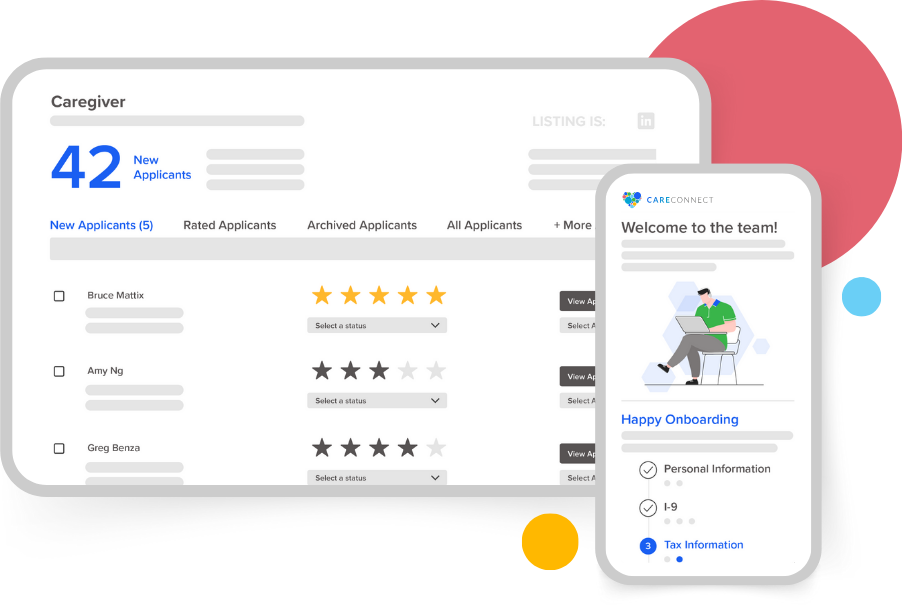
CareConnect's Home Health Care Hire is a unique Applicant Tracking System (ATS) aimed specifically at home-based care providers. This software streamlines the hiring process, reducing onboarding times and ensuring quality care providers are quickly and efficiently integrated into your team.
Best for Applicant Tracking Systems (ATS) for Home Care Agencies
Expert Take
CareConnect Home Health Care Hire excels in providing a specialized applicant tracking system tailored for home care agencies. Its industry-specific features, efficient onboarding process, and strong support infrastructure make it a standout choice for agencies. However, the need for training and lack of transparent pricing slightly impact its overall usability and value perception.
Pros
- Free 'Silver' ATS tier available
- AI-driven predictive shift matching
- Integrated occupational health scheduling
- Seamless HHAeXchange & AlayaCare sync
- Specialized for home care workflows
Cons
- Mobile app reported as buggy
- Training modules may freeze
- Support difficult to reach for caregivers
- Advanced analytics require paid upgrade
- App UI criticized in reviews
Best for teams that are
- Home care agencies needing AI-driven shift matching and scheduling
- Agencies requiring integrated occupational health and compliance screening
- Providers wanting a mobile-first caregiver onboarding experience
Skip if
- General corporate recruiters outside the home care industry
- Large hospital systems requiring a full-suite enterprise HRIS
- Agencies not needing shift-based scheduling or mobile workforce tools
Best for teams that are
- Home care agencies needing AI-driven shift matching and scheduling
- Agencies requiring integrated occupational health and compliance screening
- Providers wanting a mobile-first caregiver onboarding experience
Skip if
- General corporate recruiters outside the home care industry
- Large hospital systems requiring a full-suite enterprise HRIS
- Agencies not needing shift-based scheduling or mobile workforce tools
Pros
- Free 'Silver' ATS tier available
- AI-driven predictive shift matching
- Integrated occupational health scheduling
- Seamless HHAeXchange & AlayaCare sync
- Specialized for home care workflows
Cons
- Mobile app reported as buggy
- Training modules may freeze
- Support difficult to reach for caregivers
- Advanced analytics require paid upgrade
- App UI criticized in reviews
Expert Take
CareConnect Home Health Care Hire excels in providing a specialized applicant tracking system tailored for home care agencies. Its industry-specific features, efficient onboarding process, and strong support infrastructure make it a standout choice for agencies. However, the need for training and lack of transparent pricing slightly impact its overall usability and value perception.
PayPro ATS for Contractors

PayPro Applicant Tracking Software (ATS) is a powerful tool designed to cater to contractors' specific needs. It efficiently manages candidate pools, automates data collection, and streamlines recruitment, enabling contractors to save time and resources while hiring the best talent.
Best for Applicant Tracking Systems (ATS) for Contractors
Expert Take
PayPro ATS for Contractors excels in providing contractor-specific features that streamline recruitment processes. Its automation capabilities and self-service options enhance usability, while its market credibility is supported by industry-specific design. However, pricing transparency is limited due to its enterprise model.
Pros
- Automated certified payroll & Davis-Bacon compliance
- Seamless ATS to onboarding data flow
- Exceptional, responsive customer support team
- Mobile-friendly application for field workers
- Integrated union reporting and tracking
Cons
- Onboarding workflow setup can be complex
- No transparent public pricing available
- Reporting customization has some limitations
- Interface updates can be disorienting
- Time clock features occasionally reported as glitchy
Best for teams that are
- Companies using PayPro for payroll and workforce management
- Businesses wanting seamless flow from hire to tax/onboarding
- Organizations prioritizing tax credit screening integration
Skip if
- Organizations seeking a standalone, best-of-breed modern ATS
- Companies not utilizing PayPro's broader workforce suite
- Recruiters needing advanced candidate relationship management
Best for teams that are
- Companies using PayPro for payroll and workforce management
- Businesses wanting seamless flow from hire to tax/onboarding
- Organizations prioritizing tax credit screening integration
Skip if
- Organizations seeking a standalone, best-of-breed modern ATS
- Companies not utilizing PayPro's broader workforce suite
- Recruiters needing advanced candidate relationship management
Pros
- Automated certified payroll & Davis-Bacon compliance
- Seamless ATS to onboarding data flow
- Exceptional, responsive customer support team
- Mobile-friendly application for field workers
- Integrated union reporting and tracking
Cons
- Onboarding workflow setup can be complex
- No transparent public pricing available
- Reporting customization has some limitations
- Interface updates can be disorienting
- Time clock features occasionally reported as glitchy
Expert Take
PayPro ATS for Contractors excels in providing contractor-specific features that streamline recruitment processes. Its automation capabilities and self-service options enhance usability, while its market credibility is supported by industry-specific design. However, pricing transparency is limited due to its enterprise model.
Recruiterflow ATS & CRM
Best for Applicant Tracking Systems (ATS) for Staffing Agencies

Recruiterflow is specifically designed for recruiting agencies, staffing agencies, and executive search firms, making it an ideal solution for this industry. Its AI-first approach streamlines the recruitment process, automating routine tasks, and enhancing candidate engagement. Its combined ATS and CRM features provide an all-in-one solution for managing the entire recruitment lifecycle.
Best for Applicant Tracking Systems (ATS) for Staffing Agencies
Expert Take
Recruiterflow ATS & CRM is a specialized solution for staffing agencies, offering a comprehensive suite of features that streamline recruitment processes. Its AI-driven automation and integrated ATS and CRM capabilities make it a strong contender in its category. While it may require training for optimal use, its depth and customization options justify its premium positioning.
Pros
- Unified ATS and CRM platform
- Powerful 'Recipes' for workflow automation
- One-click sourcing Chrome extension
- Highly responsive customer support
- Transparent pricing with no hidden fees
Cons
- Data import process can be slow
- Mobile app lacks advanced analytics
- Reporting customization has limitations
- Starting price may be high for solos
- UI design considered dated by some
Best for teams that are
- Staffing and recruiting agencies focusing on automation.
- Executive search firms needing email sequencing tools.
- Agencies wanting a modern, easy-to-use interface.
Skip if
- Internal HR or corporate talent acquisition teams.
- Teams requiring a robust, fully-featured mobile app.
- Large enterprises needing complex ERP integrations.
Best for teams that are
- Staffing and recruiting agencies focusing on automation.
- Executive search firms needing email sequencing tools.
- Agencies wanting a modern, easy-to-use interface.
Skip if
- Internal HR or corporate talent acquisition teams.
- Teams requiring a robust, fully-featured mobile app.
- Large enterprises needing complex ERP integrations.
Pros
- Unified ATS and CRM platform
- Powerful 'Recipes' for workflow automation
- One-click sourcing Chrome extension
- Highly responsive customer support
- Transparent pricing with no hidden fees
Cons
- Data import process can be slow
- Mobile app lacks advanced analytics
- Reporting customization has limitations
- Starting price may be high for solos
- UI design considered dated by some
Expert Take
Recruiterflow ATS & CRM is a specialized solution for staffing agencies, offering a comprehensive suite of features that streamline recruitment processes. Its AI-driven automation and integrated ATS and CRM capabilities make it a strong contender in its category. While it may require training for optimal use, its depth and customization options justify its premium positioning.
CareSmartz360 Recruiter ATS
Best for Applicant Tracking Systems (ATS) for Home Care Agencies

CareSmartz360's intelligent applicant tracking system is purpose-built for home care agencies, facilitating efficient and targeted recruitment processes. The software leverages AI to match candidates with job responsibilities, potentially halving the time recruiters spend hiring.
Best for Applicant Tracking Systems (ATS) for Home Care Agencies
Expert Take
CareSmartz360 Recruiter ATS is a specialized applicant tracking system designed for home care agencies, leveraging AI to optimize recruitment processes. Its industry-specific features and efficiency in reducing hiring time make it a standout choice. However, the lack of transparent pricing information and potential learning curve for new users are noted tradeoffs.
Pros
- Integrated 'Red-Flag' candidate screening tool
- Multilingual mobile app (7+ languages)
- Automated license expiration tracking
- Zero-cost implementation and onboarding
- Seamless applicant-to-employee data conversion
Cons
- Steep learning curve for new users
- Customization needed for unique workflows
- Occasional mobile app sync glitches
- Lack of 24/7 support availability
- Pricing for large tiers not public
Best for teams that are
- Home care agencies seeking an all-in-one platform with billing and EVV
- Medicaid-funded agencies requiring state-specific compliance tools
- Multi-location franchises needing scalable operational management
Skip if
- Recruiters looking for a standalone ATS without operational features
- Hospitals or acute care facilities with complex clinical workflows
- Small agencies wanting a free or simple job board poster
Best for teams that are
- Home care agencies seeking an all-in-one platform with billing and EVV
- Medicaid-funded agencies requiring state-specific compliance tools
- Multi-location franchises needing scalable operational management
Skip if
- Recruiters looking for a standalone ATS without operational features
- Hospitals or acute care facilities with complex clinical workflows
- Small agencies wanting a free or simple job board poster
Pros
- Integrated 'Red-Flag' candidate screening tool
- Multilingual mobile app (7+ languages)
- Automated license expiration tracking
- Zero-cost implementation and onboarding
- Seamless applicant-to-employee data conversion
Cons
- Steep learning curve for new users
- Customization needed for unique workflows
- Occasional mobile app sync glitches
- Lack of 24/7 support availability
- Pricing for large tiers not public
Expert Take
CareSmartz360 Recruiter ATS is a specialized applicant tracking system designed for home care agencies, leveraging AI to optimize recruitment processes. Its industry-specific features and efficiency in reducing hiring time make it a standout choice. However, the lack of transparent pricing information and potential learning curve for new users are noted tradeoffs.
Crelate Recruitment CRM
Best for Applicant Tracking Systems (ATS) for Staffing Agencies

Crelate is a robust recruitment CRM, ATS, and staffing software specifically designed for staffing agencies. It aims to streamline the hiring process with an all-in-one solution, addressing the need for efficient candidate tracking, relationship management, and recruitment workflow automation in the industry.
Best for Applicant Tracking Systems (ATS) for Staffing Agencies
Expert Take
Crelate Recruitment CRM excels in providing a comprehensive solution tailored for staffing agencies, combining CRM and ATS functionalities. Its robust features, including workflow automation and analytics, are well-documented and supported by industry recognition, making it a top choice for recruitment professionals.
Pros
- Unified ATS and CRM platform
- Agentic AI for automated sourcing
- SOC 2 Type 2 & GDPR compliant
- Robust Open API & Zapier support
- Intuitive and customizable interface
Cons
- Base plan lacks advanced AI
- Reports of slow search performance
- Extra costs for training/add-ons
- Support response times vary
- Mobile app has limited functionality
Best for teams that are
- Executive search and professional recruiting firms.
- Full-desk recruiters needing flexible workflows.
- Agencies wanting an all-in-one ATS and CRM.
Skip if
- High-volume industrial staffing agencies.
- Internal corporate HR departments.
- Teams needing extensive HRIS integrations.
Best for teams that are
- Executive search and professional recruiting firms.
- Full-desk recruiters needing flexible workflows.
- Agencies wanting an all-in-one ATS and CRM.
Skip if
- High-volume industrial staffing agencies.
- Internal corporate HR departments.
- Teams needing extensive HRIS integrations.
Pros
- Unified ATS and CRM platform
- Agentic AI for automated sourcing
- SOC 2 Type 2 & GDPR compliant
- Robust Open API & Zapier support
- Intuitive and customizable interface
Cons
- Base plan lacks advanced AI
- Reports of slow search performance
- Extra costs for training/add-ons
- Support response times vary
- Mobile app has limited functionality
Expert Take
Crelate Recruitment CRM excels in providing a comprehensive solution tailored for staffing agencies, combining CRM and ATS functionalities. Its robust features, including workflow automation and analytics, are well-documented and supported by industry recognition, making it a top choice for recruitment professionals.
Oleeo ATS Software
Best for Applicant Tracking Systems (ATS) for Private Equity Firms

Oleeo's ATS Software is a robust, AI-driven applicant tracking system specifically designed for Private Equity firms. Its intelligent automation quickly identifies top-tier candidates based on CV analysis and response evaluation, streamlining recruitment and saving valuable time.
Best for Applicant Tracking Systems (ATS) for Private Equity Firms
Expert Take
Oleeo ATS Software excels in providing a tailored applicant tracking solution for private equity firms, leveraging AI-driven capabilities to enhance recruitment processes. Its market credibility is supported by industry-specific features and a user-friendly interface. While pricing transparency is limited due to enterprise pricing, the product's value is evident through its efficiency and automation.
Pros
- Highly customizable enterprise workflows
- ISO 27001 & Cyber Essentials Plus certified
- Native AI tools for diversity & inclusion
- Excellent customer support ratings
- Bulk processing for high-volume hiring
Cons
- Steep learning curve for new users
- Complex initial implementation process
- Interface less intuitive than competitors
- Reporting features can lack depth
- High entry cost for small teams
Best for teams that are
- Public sector, government, and law enforcement agencies
- Large enterprises with complex diversity and compliance needs
- High-volume recruiters requiring intelligent automation
Skip if
- Small businesses and startups with simple hiring processes
- Agencies or executive search firms
- Teams with limited budgets for implementation and training
Best for teams that are
- Public sector, government, and law enforcement agencies
- Large enterprises with complex diversity and compliance needs
- High-volume recruiters requiring intelligent automation
Skip if
- Small businesses and startups with simple hiring processes
- Agencies or executive search firms
- Teams with limited budgets for implementation and training
Pros
- Highly customizable enterprise workflows
- ISO 27001 & Cyber Essentials Plus certified
- Native AI tools for diversity & inclusion
- Excellent customer support ratings
- Bulk processing for high-volume hiring
Cons
- Steep learning curve for new users
- Complex initial implementation process
- Interface less intuitive than competitors
- Reporting features can lack depth
- High entry cost for small teams
Expert Take
Oleeo ATS Software excels in providing a tailored applicant tracking solution for private equity firms, leveraging AI-driven capabilities to enhance recruitment processes. Its market credibility is supported by industry-specific features and a user-friendly interface. While pricing transparency is limited due to enterprise pricing, the product's value is evident through its efficiency and automation.

Workable is specialized for the contracting industry, providing a one-stop solution for all HR functions, from hiring to payroll. It streamlines the employee lifecycle, making it a perfect tool for contractors who need an efficient way to manage a diverse and constantly changing workforce.
Best for Applicant Tracking Systems (ATS) for Contractors
Expert Take
Workable HR Platform excels in providing a comprehensive HR solution tailored for contractors, with strong capabilities in applicant tracking and payroll management. It is recognized for its market credibility and usability, though its pricing model may limit transparency. Overall, it stands out as a leading solution in its niche.
Pros
- AI sourcing from 400M+ profiles
- Posts to 200+ job boards
- ISO 27001 & SOC 2 certified
- 270+ native software integrations
- User-friendly mobile app
Cons
- Pricing increases with employee count
- Texting & video are paid add-ons
- Reporting less robust than enterprise tools
- Limited workflow customization
- Mixed customer support reviews
Best for teams that are
- Mid-sized companies needing AI sourcing and global hiring
- Remote or distributed teams requiring easy collaboration
- Organizations wanting a modern, mobile-friendly interface
Skip if
- High-volume retail hiring where cost-per-hire is critical
- Enterprises needing highly complex, custom compliance workflows
- Small businesses with very low hiring volume
Best for teams that are
- Mid-sized companies needing AI sourcing and global hiring
- Remote or distributed teams requiring easy collaboration
- Organizations wanting a modern, mobile-friendly interface
Skip if
- High-volume retail hiring where cost-per-hire is critical
- Enterprises needing highly complex, custom compliance workflows
- Small businesses with very low hiring volume
Pros
- AI sourcing from 400M+ profiles
- Posts to 200+ job boards
- ISO 27001 & SOC 2 certified
- 270+ native software integrations
- User-friendly mobile app
Cons
- Pricing increases with employee count
- Texting & video are paid add-ons
- Reporting less robust than enterprise tools
- Limited workflow customization
- Mixed customer support reviews
Expert Take
Workable HR Platform excels in providing a comprehensive HR solution tailored for contractors, with strong capabilities in applicant tracking and payroll management. It is recognized for its market credibility and usability, though its pricing model may limit transparency. Overall, it stands out as a leading solution in its niche.

CEIPAL is an AI-powered Applicant Tracking System designed for recruitment agencies. It streamlines the hiring process, enhancing efficiency and resulting in better hiring outcomes. Its AI capabilities automate screening and shortlisting, addressing the key industry need for speed and accuracy in candidate selection.
Best for Applicant Tracking Systems (ATS) for Recruitment Agencies
Expert Take
CEIPAL ATS stands out as a leading solution for recruitment agencies due to its AI-driven automation and extensive customization options. It is recognized for its robust integration capabilities and in-depth analytics, making it a valuable tool for enhancing recruitment efficiency and outcomes.
Pros
- Starts at $24/user/month
- AI-driven passive candidate sourcing
- SOC 2 Type II & ISO 27001
- Automated resume harvesting
- Integrated VMS and Workforce Management
Cons
- Slow loading times reported
- Cluttered user interface
- Steep learning curve for new users
- Mobile app functionality limits
- Occasional integration glitches
Best for teams that are
- IT staffing firms and high-volume recruiting agencies
- Cost-conscious agencies needing VMS integration
- Firms requiring integrated workforce management
Skip if
- Users prioritizing a modern, clutter-free interface
- Agencies needing highly customizable reporting tools
- Small teams wanting a zero-learning-curve solution
Best for teams that are
- IT staffing firms and high-volume recruiting agencies
- Cost-conscious agencies needing VMS integration
- Firms requiring integrated workforce management
Skip if
- Users prioritizing a modern, clutter-free interface
- Agencies needing highly customizable reporting tools
- Small teams wanting a zero-learning-curve solution
Pros
- Starts at $24/user/month
- AI-driven passive candidate sourcing
- SOC 2 Type II & ISO 27001
- Automated resume harvesting
- Integrated VMS and Workforce Management
Cons
- Slow loading times reported
- Cluttered user interface
- Steep learning curve for new users
- Mobile app functionality limits
- Occasional integration glitches
Expert Take
CEIPAL ATS stands out as a leading solution for recruitment agencies due to its AI-driven automation and extensive customization options. It is recognized for its robust integration capabilities and in-depth analytics, making it a valuable tool for enhancing recruitment efficiency and outcomes.
Tracker RMS Recruitment Software
Best for Applicant Tracking Systems (ATS) for Recruitment Agencies
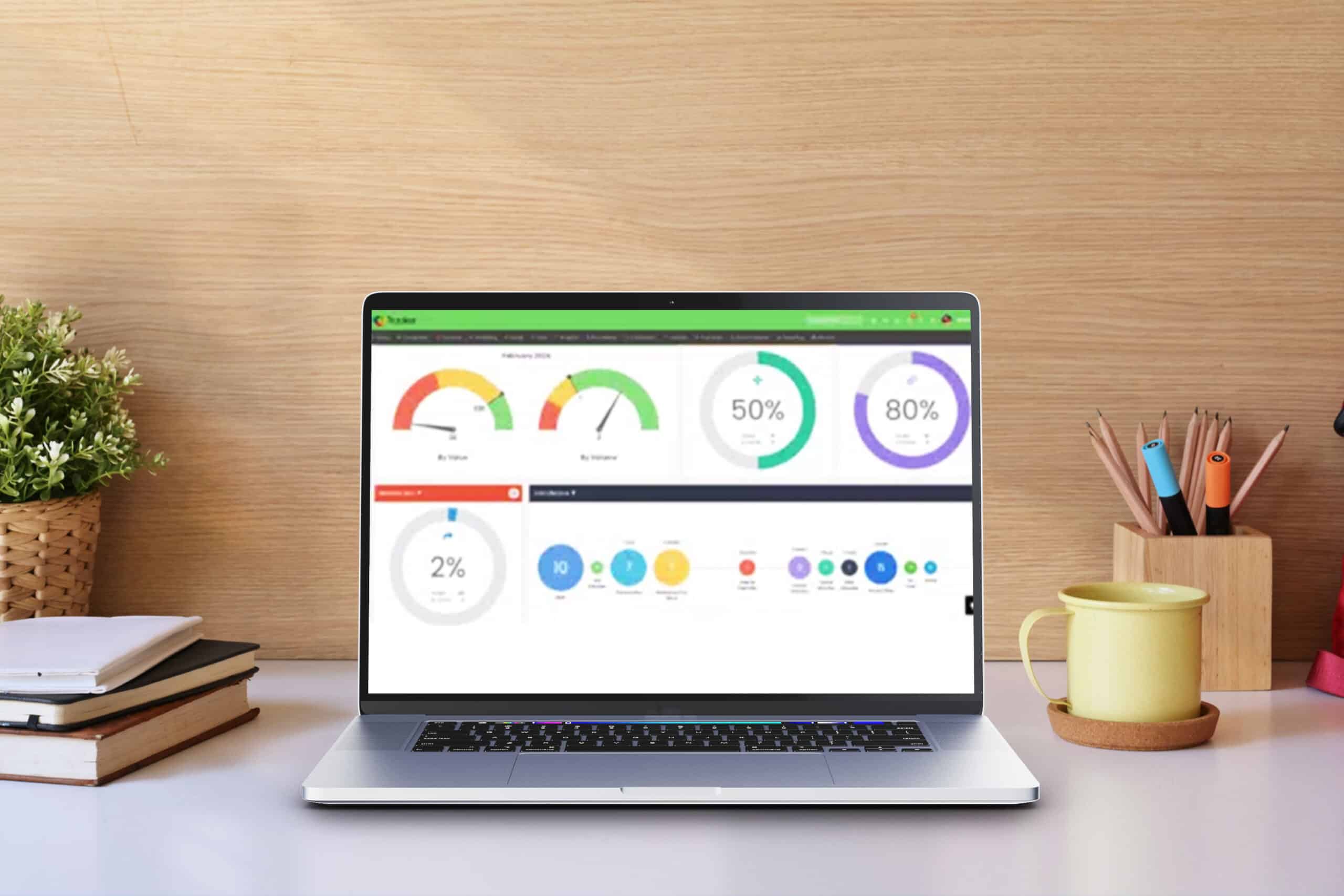
Tracker RMS provides a fully integrated Applicant Tracking System (ATS) specifically tailored for recruitment agencies. It streamlines the recruitment process by enabling recruiters to source candidates, nurture and match applicants, ultimately resulting in more successful placements.
Best for Applicant Tracking Systems (ATS) for Recruitment Agencies
Expert Take
Tracker RMS is a specialized ATS designed for recruitment agencies, offering comprehensive features for candidate sourcing and matching. Its market credibility is supported by industry-specific design and integration capabilities. While pricing transparency is limited, the product's depth and usability make it a strong choice for its target audience.
Pros
- Unified ATS and CRM platform
- SOC 2 Type II & ISO 27001 certified
- Highly responsive live customer support
- Robust automation and sequencing tools
- Seamless Outlook and Gmail integration
Cons
- Mobile app functionality is limited
- Steep learning curve for new users
- Add-on modules increase monthly cost
- Limited VoIP provider options
- Interface can feel clunky to some
Best for teams that are
- Staffing agencies wanting an all-in-one ATS and CRM
- Recruiters prioritizing relationship building features
- Firms needing integrated mobile and SMS marketing
Skip if
- Users seeking a cutting-edge, modern user interface
- Agencies requiring advanced AI features out of the box
- Teams that prefer separate specialized tools over suites
Best for teams that are
- Staffing agencies wanting an all-in-one ATS and CRM
- Recruiters prioritizing relationship building features
- Firms needing integrated mobile and SMS marketing
Skip if
- Users seeking a cutting-edge, modern user interface
- Agencies requiring advanced AI features out of the box
- Teams that prefer separate specialized tools over suites
Pros
- Unified ATS and CRM platform
- SOC 2 Type II & ISO 27001 certified
- Highly responsive live customer support
- Robust automation and sequencing tools
- Seamless Outlook and Gmail integration
Cons
- Mobile app functionality is limited
- Steep learning curve for new users
- Add-on modules increase monthly cost
- Limited VoIP provider options
- Interface can feel clunky to some
Expert Take
Tracker RMS is a specialized ATS designed for recruitment agencies, offering comprehensive features for candidate sourcing and matching. Its market credibility is supported by industry-specific design and integration capabilities. While pricing transparency is limited, the product's depth and usability make it a strong choice for its target audience.

Ashby is a comprehensive and data-driven Applicant Tracking System (ATS) specifically designed for private equity firms. It offers a full suite of best-in-class recruiting tools, from sourcing to scheduling and candidate management. It's tailored to meet industry-specific needs, providing enhanced data analytics and candidate surveys to streamline recruitment processes and improve decision-making.
Best for Applicant Tracking Systems (ATS) for Private Equity Firms
Expert Take
Ashby ATS is a specialized Applicant Tracking System designed for private equity firms, offering comprehensive recruiting tools and data-driven insights. Its industry-specific features and strong integration capabilities make it a top choice for its target market, despite some limitations in pricing transparency.
Pros
- Unified ATS, CRM, and Scheduling
- BI-grade native analytics dashboards
- Automated complex interview scheduling
- Modern, fast user interface
- Strong adoption by tech unicorns
Cons
- Steep learning curve for admins
- New 'elevated seat' pricing costs
- Sourcing email lookup caps
- Limited mobile app functionality
- English-only interface support
Best for teams that are
- High-growth tech startups and scale-ups needing advanced analytics
- Data-driven talent teams wanting customizable reporting
- Companies using modern tech stacks (Slack, G-Suite, etc.)
Skip if
- Global firms requiring multi-language support (currently English-only)
- Non-tech industries with traditional, high-volume hourly hiring
- Teams wanting a simple tool with zero learning curve
Best for teams that are
- High-growth tech startups and scale-ups needing advanced analytics
- Data-driven talent teams wanting customizable reporting
- Companies using modern tech stacks (Slack, G-Suite, etc.)
Skip if
- Global firms requiring multi-language support (currently English-only)
- Non-tech industries with traditional, high-volume hourly hiring
- Teams wanting a simple tool with zero learning curve
Pros
- Unified ATS, CRM, and Scheduling
- BI-grade native analytics dashboards
- Automated complex interview scheduling
- Modern, fast user interface
- Strong adoption by tech unicorns
Cons
- Steep learning curve for admins
- New 'elevated seat' pricing costs
- Sourcing email lookup caps
- Limited mobile app functionality
- English-only interface support
Expert Take
Ashby ATS is a specialized Applicant Tracking System designed for private equity firms, offering comprehensive recruiting tools and data-driven insights. Its industry-specific features and strong integration capabilities make it a top choice for its target market, despite some limitations in pricing transparency.