
Route Planning & Optimization Software
These are the specialized categories within Route Planning & Optimization Software. Looking for something broader? See all Field Service & Operations Software categories.
Elite EXTRA Multi-Stop Route Planner
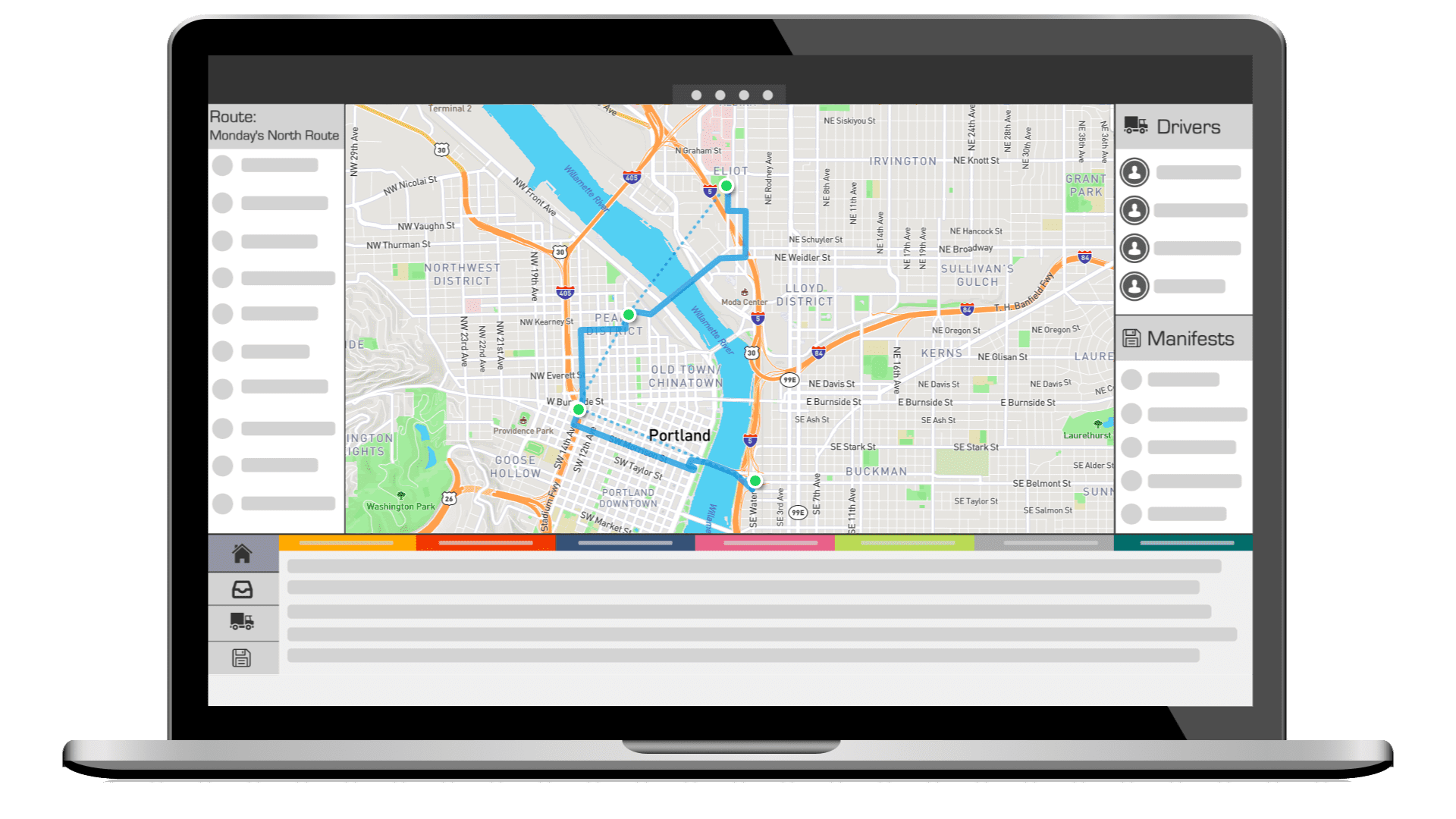
Elite EXTRA provides an effective solution for businesses needing multi-route planning. With its core feature of building multiple stop routes for multiple drivers, it directly caters to the needs of companies handling many deliveries. It optimizes for the fastest, most efficient route, saving time and fuel costs, and includes dispatching, tracking, and optimization features.
Best for Multi-Stop Route Planning Tools for Drivers
Expert Take
Elite EXTRA excels in multi-stop route planning by offering robust optimization features, real-time tracking, and dispatching capabilities. Its integration with major couriers and cloud-based architecture enhances its value for businesses with complex delivery needs, positioning it as a top-tier solution in its category.
Pros
- Access to third-party fleets (DoorDash/Uber)
- Automated returns policy enforcement
- Deep integration with Epicor & CDK
- Real-time driver tracking & visibility
- Responsive US-based customer support
Cons
- Driver app causes high battery drain
- Implementation fees start at $1,000
- Desktop interface creates tab clutter
- Steep learning curve for new users
- Custom pricing required for enterprise
Best for teams that are
- Automotive, lumber, or wholesale industries needing ERP integration
- Companies using a mix of internal fleets and third-party couriers (e.g., DoorDash)
- Enterprises requiring automated returns management workflows
Skip if
- Small businesses or solo drivers seeking a low-cost, instant-setup tool
- Users wanting transparent pricing without requesting a custom quote
- Simple operations that do not need complex integrations
Best for teams that are
- Automotive, lumber, or wholesale industries needing ERP integration
- Companies using a mix of internal fleets and third-party couriers (e.g., DoorDash)
- Enterprises requiring automated returns management workflows
Skip if
- Small businesses or solo drivers seeking a low-cost, instant-setup tool
- Users wanting transparent pricing without requesting a custom quote
- Simple operations that do not need complex integrations
Pros
- Access to third-party fleets (DoorDash/Uber)
- Automated returns policy enforcement
- Deep integration with Epicor & CDK
- Real-time driver tracking & visibility
- Responsive US-based customer support
Cons
- Driver app causes high battery drain
- Implementation fees start at $1,000
- Desktop interface creates tab clutter
- Steep learning curve for new users
- Custom pricing required for enterprise
Expert Take
Elite EXTRA excels in multi-stop route planning by offering robust optimization features, real-time tracking, and dispatching capabilities. Its integration with major couriers and cloud-based architecture enhances its value for businesses with complex delivery needs, positioning it as a top-tier solution in its category.
Geotab Fleet Dispatch Software
Geotab's fleet dispatch software offers optimal route planning specifically designed for delivery fleets. With in-depth route planning and the ability to create efficient sequences of stops and waypoints, it addresses the industry's need for time and fuel efficiency, improved customer service, and reduced operational costs.
Best for Route Optimization Tools for Delivery Fleets
Expert Take
Geotab Fleet Dispatch Software excels in providing optimal route planning and real-time tracking for delivery fleets. Its capabilities are well-documented and supported by industry recognition, making it a top choice for businesses seeking efficiency and reliability in fleet management.
Pros
- FedRAMP Authorized & FIPS 140-3 validated
- Marketplace with 250+ integrations
- Economic-based route optimization
- Scalable to 5M+ vehicles
- Granular open API access
Cons
- Pricing hidden behind resellers
- Mobile app has low ratings
- Steep learning curve for UI
- Support quality varies by reseller
- Advanced routing is an add-on
Best for teams that are
- Fleets already using Geotab telematics devices for vehicle tracking and health
- Dispatchers needing to assign ad-hoc jobs to drivers in real-time
- Fleets wanting to combine routing data with engine health and safety metrics
Skip if
- Companies needing complex multi-stop optimization without third-party add-ons
- Businesses not using Geotab hardware or telematics devices
- Planners needing strategic, fixed-route modeling capabilities out of the box
Best for teams that are
- Fleets already using Geotab telematics devices for vehicle tracking and health
- Dispatchers needing to assign ad-hoc jobs to drivers in real-time
- Fleets wanting to combine routing data with engine health and safety metrics
Skip if
- Companies needing complex multi-stop optimization without third-party add-ons
- Businesses not using Geotab hardware or telematics devices
- Planners needing strategic, fixed-route modeling capabilities out of the box
Pros
- FedRAMP Authorized & FIPS 140-3 validated
- Marketplace with 250+ integrations
- Economic-based route optimization
- Scalable to 5M+ vehicles
- Granular open API access
Cons
- Pricing hidden behind resellers
- Mobile app has low ratings
- Steep learning curve for UI
- Support quality varies by reseller
- Advanced routing is an add-on
Expert Take
Geotab Fleet Dispatch Software excels in providing optimal route planning and real-time tracking for delivery fleets. Its capabilities are well-documented and supported by industry recognition, making it a top choice for businesses seeking efficiency and reliability in fleet management.
Onfleet Last-Mile Delivery Software
Best for Route Planning Tools for Courier and Parcel Delivery

Onfleet is a powerful dispatch and route managing tool, tailored for couriers and delivery businesses. It optimizes operations through smart planning, tracking, and analytics, addressing the unique challenges of last-mile delivery.
Best for Route Planning Tools for Courier and Parcel Delivery
Expert Take
Onfleet excels in optimizing last-mile delivery with its robust routing and dispatch capabilities. Its market credibility is reinforced by industry recognition and strong integration options. While pricing transparency is limited due to enterprise models, its usability and customer experience remain highly rated.
Pros
- HIPAA compliant with BAA availability
- Highly rated intuitive driver mobile app
- Advanced route optimization with predictive ETAs
- Robust REST API for custom integrations
- Real-time customer tracking and notifications
Cons
- High starting price ($550/mo minimum)
- No native mobile app for dispatchers
- Occasional sync glitches with POS integrations
- Limited live phone support on lower plans
- UI can feel clunky in dark mode
Best for teams that are
- Delivery businesses prioritizing premium customer experience
- Data-driven operations needing excellent API integrations
- Companies managing third-party courier fleets needing dispatcher visibility
Skip if
- Budget-conscious startups (high cost compared to competitors)
- Operations that don't need advanced customer notification features
- Users who prefer a light-mode, simple interface over a dark dashboard
Best for teams that are
- Delivery businesses prioritizing premium customer experience
- Data-driven operations needing excellent API integrations
- Companies managing third-party courier fleets needing dispatcher visibility
Skip if
- Budget-conscious startups (high cost compared to competitors)
- Operations that don't need advanced customer notification features
- Users who prefer a light-mode, simple interface over a dark dashboard
Pros
- HIPAA compliant with BAA availability
- Highly rated intuitive driver mobile app
- Advanced route optimization with predictive ETAs
- Robust REST API for custom integrations
- Real-time customer tracking and notifications
Cons
- High starting price ($550/mo minimum)
- No native mobile app for dispatchers
- Occasional sync glitches with POS integrations
- Limited live phone support on lower plans
- UI can feel clunky in dark mode
Expert Take
Onfleet excels in optimizing last-mile delivery with its robust routing and dispatch capabilities. Its market credibility is reinforced by industry recognition and strong integration options. While pricing transparency is limited due to enterprise models, its usability and customer experience remain highly rated.

Route4Me offers industrial-grade route planning and optimization software specifically designed to automate last-mile workflows for service and repair teams. The software simplifies complex tasks, assists in managing large scale operations, and improves efficiency, addressing the unique needs of businesses in this industry.
Best for Route Optimization for Service and Repair Teams
Expert Take
Route4Me stands out in the industry because it specifically caters to the needs of service and repair teams. It simplifies the complexity of managing multiple routes and last-mile deliveries, which is a common challenge in this industry. Users love its ability to automate route planning, reducing manual effort, and improving efficiency. The scalability of the software also means it can grow with your business, making it a valuable long-term investment.
Pros
- Automated route planning
- Last-mile workflow optimization
- Scalability for large operations
- Industry-specific features
- Customer support
Cons
- Requires technical knowledge
- Limited customization options
- Pricing transparency
Best for teams that are
- Businesses needing highly customizable routing with specific add-on features
- Mixed fleets requiring granular control over constraints and business rules
Skip if
- Small teams wanting an all-inclusive price (add-ons increase cost)
- Users seeking a simple, pre-packaged solution without configuration
Best for teams that are
- Businesses needing highly customizable routing with specific add-on features
- Mixed fleets requiring granular control over constraints and business rules
Skip if
- Small teams wanting an all-inclusive price (add-ons increase cost)
- Users seeking a simple, pre-packaged solution without configuration
Pros
- Automated route planning
- Last-mile workflow optimization
- Scalability for large operations
- Industry-specific features
- Customer support
Cons
- Requires technical knowledge
- Limited customization options
- Pricing transparency
Expert Take
Route4Me stands out in the industry because it specifically caters to the needs of service and repair teams. It simplifies the complexity of managing multiple routes and last-mile deliveries, which is a common challenge in this industry. Users love its ability to automate route planning, reducing manual effort, and improving efficiency. The scalability of the software also means it can grow with your business, making it a valuable long-term investment.

Badger Maps is a SaaS solution specifically tailored for field technicians and outside sales teams. It provides advanced mapping and routing tools to optimize travel routes, reduce drive time, and increase the number of service calls or sales visits per day. Its data collection automation also allows teams to save valuable time and focus more on their core tasks.
Best for Route Planning Tools for Field Technicians
Expert Take
Badger Maps excels in providing specialized route planning tools for field technicians, with strong capabilities in route optimization and data automation. Its market credibility is supported by external recognitions, and it offers a user-friendly experience despite some limitations in offline functionality. The product's value proposition is clear, with transparent pricing and robust analytics.
Pros
- Optimizes routes with up to 120 stops
- Native bi-directional CRM integrations
- HIPAA compliant for healthcare sales
- "Lasso" tool for territory management
- Built-in lead generation and prospecting
Cons
- Mobile app stability issues reported
- High starting price ($58/user/mo)
- Basic reporting and analytics features
- Route stop limit of 120
- No free version available
Best for teams that are
- Field sales representatives needing route optimization and lead generation
- Sales teams requiring CRM integration and territory visualization
Skip if
- Delivery fleets or couriers needing proof of delivery features
- Businesses looking for a free or low-cost basic navigation tool
Best for teams that are
- Field sales representatives needing route optimization and lead generation
- Sales teams requiring CRM integration and territory visualization
Skip if
- Delivery fleets or couriers needing proof of delivery features
- Businesses looking for a free or low-cost basic navigation tool
Pros
- Optimizes routes with up to 120 stops
- Native bi-directional CRM integrations
- HIPAA compliant for healthcare sales
- "Lasso" tool for territory management
- Built-in lead generation and prospecting
Cons
- Mobile app stability issues reported
- High starting price ($58/user/mo)
- Basic reporting and analytics features
- Route stop limit of 120
- No free version available
Expert Take
Badger Maps excels in providing specialized route planning tools for field technicians, with strong capabilities in route optimization and data automation. Its market credibility is supported by external recognitions, and it offers a user-friendly experience despite some limitations in offline functionality. The product's value proposition is clear, with transparent pricing and robust analytics.
Nextbillion.ai Waste Collection Software

Nextbillion.ai's Waste Collection Software is tailored to the waste management industry, providing advanced route optimization for garbage collection. It streamlines the entire collection process, minimizing waste handling costs, improving efficiency and productivity, and reducing environmental impact.
Best for Route Planning Tools for Waste & Recycling Fleets
Expert Take
Nextbillion.ai Waste Collection Software excels in route optimization for waste management, leveraging AI and real-time data to enhance efficiency. Its scalability and integration capabilities make it a top choice for large fleets, although pricing transparency is limited due to custom quotes.
Pros
- Supports 5000x5000 distance matrix size
- Specialized return-to-dump waste logic
- Handles 10,000 stops per request
- Flexible per-asset or per-order pricing
- SOC2 and ISO 27001 certified
Cons
- Console interface has reported limitations
- No live chat support available
- Communication barriers reported by some users
- Default rate limit 5 queries/second
- Smaller market presence than Google
Best for teams that are
- Tech-forward companies building custom routing solutions
- Developers requiring flexible APIs for complex constraints
- Large-scale fleets needing to optimize thousands of orders
Skip if
- Non-technical fleet managers needing a ready-to-use app
- Small fleets lacking development resources for integration
- Simple operations not needing complex custom constraints
Best for teams that are
- Tech-forward companies building custom routing solutions
- Developers requiring flexible APIs for complex constraints
- Large-scale fleets needing to optimize thousands of orders
Skip if
- Non-technical fleet managers needing a ready-to-use app
- Small fleets lacking development resources for integration
- Simple operations not needing complex custom constraints
Pros
- Supports 5000x5000 distance matrix size
- Specialized return-to-dump waste logic
- Handles 10,000 stops per request
- Flexible per-asset or per-order pricing
- SOC2 and ISO 27001 certified
Cons
- Console interface has reported limitations
- No live chat support available
- Communication barriers reported by some users
- Default rate limit 5 queries/second
- Smaller market presence than Google
Expert Take
Nextbillion.ai Waste Collection Software excels in route optimization for waste management, leveraging AI and real-time data to enhance efficiency. Its scalability and integration capabilities make it a top choice for large fleets, although pricing transparency is limited due to custom quotes.

OptimoRoute is an impeccable solution specifically tailored for industries that require efficient delivery and mobile workforce management. It utilizes sophisticated technology for planning and optimizing routes, ensuring timely deliveries and effective resource utilization. Its features are designed to meet the unique needs of delivery and field service businesses.
Best for Multi-Stop Route Planning Tools for Drivers
Expert Take
OptimoRoute excels in providing advanced route planning and optimization for delivery and field service businesses. Its strong capabilities in real-time tracking and workload distribution, combined with a user-friendly interface, position it as a leader in its category. While it offers a robust feature set, the limited third-party integrations and the need for training for some users are minor trade-offs.
Pros
- Specialized commercial truck & Hazmat routing
- Transparent per-driver pricing model
- Multi-day long-haul route planning
- Real-time tracking with breadcrumbs
- Offline-capable mobile driver app
Cons
- Drivers cannot re-optimize routes independently
- No simultaneous multi-depot planning
- Dispatcher interface can be cluttered
- Limited pre-built third-party integrations
- No return-to-depot logic for multi-day routes
Best for teams that are
- Field service businesses needing to match technician skills to jobs
- Logistics teams requiring multi-day planning and workload balancing
- High-volume fleets needing precise time window scheduling
Skip if
- Gig workers or solo drivers looking for a free or cheap mobile app
- Simple delivery needs where advanced analytics are unnecessary
- Teams wanting a free tier (only offers a free trial)
Best for teams that are
- Field service businesses needing to match technician skills to jobs
- Logistics teams requiring multi-day planning and workload balancing
- High-volume fleets needing precise time window scheduling
Skip if
- Gig workers or solo drivers looking for a free or cheap mobile app
- Simple delivery needs where advanced analytics are unnecessary
- Teams wanting a free tier (only offers a free trial)
Pros
- Specialized commercial truck & Hazmat routing
- Transparent per-driver pricing model
- Multi-day long-haul route planning
- Real-time tracking with breadcrumbs
- Offline-capable mobile driver app
Cons
- Drivers cannot re-optimize routes independently
- No simultaneous multi-depot planning
- Dispatcher interface can be cluttered
- Limited pre-built third-party integrations
- No return-to-depot logic for multi-day routes
Expert Take
OptimoRoute excels in providing advanced route planning and optimization for delivery and field service businesses. Its strong capabilities in real-time tracking and workload distribution, combined with a user-friendly interface, position it as a leader in its category. While it offers a robust feature set, the limited third-party integrations and the need for training for some users are minor trade-offs.

Route4Me is a sophisticated route planning and optimization tool specifically designed for courier and parcel delivery businesses. Its robust features automate last mile workflows and allows these businesses to efficiently manage complexity at scale.
Best for Route Planning Tools for Courier and Parcel Delivery
Expert Take
Route4Me excels as a route planning and optimization tool for courier and parcel delivery businesses, offering robust automation and scalability. Its market credibility is supported by third-party recognition, and it provides a comprehensive user experience despite its complexity for beginners. The product's value is slightly limited by its lack of a free tier.
Pros
- HIPAA-compliant telematics solution
- Extensive marketplace of modular add-ons
- Deep integrations with Geotab/Samsara
- Intuitive mobile app for drivers
- Rapid customer support response times
Cons
- High minimum monthly spend ($200+)
- Expensive add-ons for standard features
- Performance lag on large route updates
- Complex pricing structure
- No free plan for small teams
Best for teams that are
- Teams needing high customization and specific add-on modules
- Field service and sales teams requiring territory management
- Operations scaling from small to enterprise needing flexible features
Skip if
- Budget-conscious users wanting a simple flat-rate price
- Simple operations overwhelmed by modular add-ons and complexity
- Users who find per-module pricing confusing or expensive
Best for teams that are
- Teams needing high customization and specific add-on modules
- Field service and sales teams requiring territory management
- Operations scaling from small to enterprise needing flexible features
Skip if
- Budget-conscious users wanting a simple flat-rate price
- Simple operations overwhelmed by modular add-ons and complexity
- Users who find per-module pricing confusing or expensive
Pros
- HIPAA-compliant telematics solution
- Extensive marketplace of modular add-ons
- Deep integrations with Geotab/Samsara
- Intuitive mobile app for drivers
- Rapid customer support response times
Cons
- High minimum monthly spend ($200+)
- Expensive add-ons for standard features
- Performance lag on large route updates
- Complex pricing structure
- No free plan for small teams
Expert Take
Route4Me excels as a route planning and optimization tool for courier and parcel delivery businesses, offering robust automation and scalability. Its market credibility is supported by third-party recognition, and it provides a comprehensive user experience despite its complexity for beginners. The product's value is slightly limited by its lack of a free tier.
Route4Me is an all-inclusive route planning and optimization software designed specifically for route planners, dispatchers, drivers, and managers. Its functionality extends beyond route planning to automate and integrate multiple last-mile workflows, providing a comprehensive solution for field technicians.
Best for Route Planning Tools for Field Technicians
Expert Take
Route4Me excels as a comprehensive route planning and optimization tool, offering extensive automation and integration capabilities tailored for field technicians. Its user-friendly interface and robust support infrastructure further solidify its position as a leading solution in its category.
Pros
- HIPAA-compliant with BAA support
- Massive integration marketplace (Telematics/CRM)
- Mixed fleet & commercial truck routing
- Modular architecture allows deep customization
- Proven scale (3B+ miles optimized)
Cons
- Expensive add-on pricing model
- Base plan lacks optimization features
- Occasional slow processing speeds
- Navigation reported as 'choppy' by some
- Complex pricing for small businesses
Best for teams that are
- Enterprise fleets needing complex multi-driver route optimization
- Logistics and delivery businesses requiring last-mile efficiency
- Businesses needing to scale from simple routing to complex fleet management
Skip if
- Very small teams with simple routing needs or low budgets
- Users seeking a permanently free routing solution
Best for teams that are
- Enterprise fleets needing complex multi-driver route optimization
- Logistics and delivery businesses requiring last-mile efficiency
- Businesses needing to scale from simple routing to complex fleet management
Skip if
- Very small teams with simple routing needs or low budgets
- Users seeking a permanently free routing solution
Pros
- HIPAA-compliant with BAA support
- Massive integration marketplace (Telematics/CRM)
- Mixed fleet & commercial truck routing
- Modular architecture allows deep customization
- Proven scale (3B+ miles optimized)
Cons
- Expensive add-on pricing model
- Base plan lacks optimization features
- Occasional slow processing speeds
- Navigation reported as 'choppy' by some
- Complex pricing for small businesses
Expert Take
Route4Me excels as a comprehensive route planning and optimization tool, offering extensive automation and integration capabilities tailored for field technicians. Its user-friendly interface and robust support infrastructure further solidify its position as a leading solution in its category.
Workiz Route Optimization
Workiz's Route Optimization software is a powerful tool that addresses the unique needs of service and repair teams. With features such as real-time GPS tracking, workflow management, and time-saving route optimization, this software significantly enhances operational efficiency and reduces fuel costs.
Best for Route Optimization for Service and Repair Teams
Expert Take
Our analysis shows Workiz excels at simplifying complex field operations for growing teams, particularly through its 'Genius' AI features and seamless dispatching workflow. Research indicates it offers one of the most user-friendly setups in the industry, allowing businesses to operationalize route optimization and tracking quickly. While pricing is premium, the depth of integrations and the all-in-one communication suite provide a cohesive ecosystem that replaces multiple disparate tools.
Pros
- Superior ease of setup (8.9/10 rating)
- Integrated route optimization and GPS tracking
- Extensive integration ecosystem (QuickBooks, Zapier)
- Strong dispatching capabilities for teams
- Built-in communication suite with call masking
Cons
- High starting price ($225/mo)
- Reports of restrictive annual contracts
- Mobile app stability issues reported
- Reporting features less robust than competitors
- Offline functionality limitations
Best for teams that are
- Service pros like locksmiths or junk removal needing all-in-one FSM
- Teams wanting to combine scheduling, invoicing, and dispatching
Skip if
- Pure logistics or delivery fleets with high-volume stop density
- Large enterprises needing advanced driver behavior monitoring
Best for teams that are
- Service pros like locksmiths or junk removal needing all-in-one FSM
- Teams wanting to combine scheduling, invoicing, and dispatching
Skip if
- Pure logistics or delivery fleets with high-volume stop density
- Large enterprises needing advanced driver behavior monitoring
Pros
- Superior ease of setup (8.9/10 rating)
- Integrated route optimization and GPS tracking
- Extensive integration ecosystem (QuickBooks, Zapier)
- Strong dispatching capabilities for teams
- Built-in communication suite with call masking
Cons
- High starting price ($225/mo)
- Reports of restrictive annual contracts
- Mobile app stability issues reported
- Reporting features less robust than competitors
- Offline functionality limitations
Expert Take
Our analysis shows Workiz excels at simplifying complex field operations for growing teams, particularly through its 'Genius' AI features and seamless dispatching workflow. Research indicates it offers one of the most user-friendly setups in the industry, allowing businesses to operationalize route optimization and tracking quickly. While pricing is premium, the depth of integrations and the all-in-one communication suite provide a cohesive ecosystem that replaces multiple disparate tools.