
Partner Relationship Management (PRM) Platforms
These are the specialized categories within Partner Relationship Management (PRM) Platforms. Looking for something broader? See all CRM & Sales Software categories.

PartnerTap's Channel Partner Sales solution is specifically designed for investors who are looking to streamline their partner sales efforts. It offers powerful tools for collaboration, data sharing, and sales forecasting, enabling users to unlock new sales opportunities and drive revenue growth.
Best for Partner & Channel Sales Platforms for Investors
Expert Take
PartnerTap Channel Sales excels in providing a robust platform for investors to manage and optimize their partner sales efforts. It offers secure data sharing and advanced collaboration tools, which are essential for driving revenue growth. While customization options are limited, the platform's strengths in sales forecasting and data-driven decision-making make it a top choice for investors.
Pros
- Automates mapping for millions of accounts
- Zero-PII security architecture protects data
- Free edition includes unlimited account mapping
- Native integrations with Salesforce and HubSpot
- Real-time pipeline sharing and attribution
Cons
- Steep learning curve for some users
- Header matching can be finicky
- Enterprise pricing is not transparent
- Occasional CRM integration friction reported
- Some users desire better note-sharing
Best for teams that are
- Enterprise B2B sales teams needing automated account mapping and co-selling
- Companies with large ecosystems wanting to identify revenue whitespace
- Organizations using Salesforce that need secure data sharing with partners
Skip if
- Small businesses with simple affiliate programs or few partners
- Companies looking for a partner marketplace rather than co-selling tools
- Teams that do not use a major CRM like Salesforce or HubSpot
Best for teams that are
- Enterprise B2B sales teams needing automated account mapping and co-selling
- Companies with large ecosystems wanting to identify revenue whitespace
- Organizations using Salesforce that need secure data sharing with partners
Skip if
- Small businesses with simple affiliate programs or few partners
- Companies looking for a partner marketplace rather than co-selling tools
- Teams that do not use a major CRM like Salesforce or HubSpot
Pros
- Automates mapping for millions of accounts
- Zero-PII security architecture protects data
- Free edition includes unlimited account mapping
- Native integrations with Salesforce and HubSpot
- Real-time pipeline sharing and attribution
Cons
- Steep learning curve for some users
- Header matching can be finicky
- Enterprise pricing is not transparent
- Occasional CRM integration friction reported
- Some users desire better note-sharing
Expert Take
PartnerTap Channel Sales excels in providing a robust platform for investors to manage and optimize their partner sales efforts. It offers secure data sharing and advanced collaboration tools, which are essential for driving revenue growth. While customization options are limited, the platform's strengths in sales forecasting and data-driven decision-making make it a top choice for investors.
MioCommerce Cleaning Business Software
Best for Partner & Channel Sales Platforms for Cleaning Companies

MioCommerce Cleaning Business Software is specifically designed to cater to the needs of cleaning businesses. It offers a seamless way to manage customer relationships, generate sales faster, and deliver top-notch customer experiences. This industry-specific solution helps streamline operations, reduce administrative work, and improve overall efficiency.
Best for Partner & Channel Sales Platforms for Cleaning Companies
Expert Take
MioCommerce Cleaning Business Software excels in providing industry-specific solutions for cleaning businesses, integrating CRM and sales tools effectively. Its market credibility is supported by industry recognition, and it offers a user-friendly experience despite potential complexity for beginners. The software's value is enhanced by customizable pricing plans.
Pros
- Live pricing & real-time booking pages
- Free 'Forever' plan available
- Multichannel inbox consolidates communications
- Interactive quoting for instant estimates
- 1-on-1 training included in plans
Cons
- Fewer native integrations than competitors
- Lacks native promo code generation
- Mobile app focused primarily on field staff
- Advanced marketing tools require Zapier
Best for teams that are
- Residential cleaning businesses needing live pricing and booking
- Startups and growing teams needing all-in-one management
- Companies wanting to sell services via social media integration
Skip if
- Large enterprises requiring complex supply chain integrations
- Businesses not focused on service bookings or scheduling
- Companies needing highly specialized custom ERP connections
Best for teams that are
- Residential cleaning businesses needing live pricing and booking
- Startups and growing teams needing all-in-one management
- Companies wanting to sell services via social media integration
Skip if
- Large enterprises requiring complex supply chain integrations
- Businesses not focused on service bookings or scheduling
- Companies needing highly specialized custom ERP connections
Pros
- Live pricing & real-time booking pages
- Free 'Forever' plan available
- Multichannel inbox consolidates communications
- Interactive quoting for instant estimates
- 1-on-1 training included in plans
Cons
- Fewer native integrations than competitors
- Lacks native promo code generation
- Mobile app focused primarily on field staff
- Advanced marketing tools require Zapier
Expert Take
MioCommerce Cleaning Business Software excels in providing industry-specific solutions for cleaning businesses, integrating CRM and sales tools effectively. Its market credibility is supported by industry recognition, and it offers a user-friendly experience despite potential complexity for beginners. The software's value is enhanced by customizable pricing plans.
Mindmatrix Channel Enablement

Mindmatrix is a comprehensive PRM software solution designed to meet the unique needs of investors in the Partner & Channel Sales Platforms industry. It provides a holistic set of tools for partner training, marketing materials dissemination, product updates, and sales tracking, making it a one-stop-shop for partner enablement.
Best for Partner & Channel Sales Platforms for Investors
Expert Take
Mindmatrix Channel Enablement stands out as a comprehensive PRM solution tailored for investors in the Partner & Channel Sales Platforms industry. It excels in partner enablement through robust training, marketing, and sales tracking capabilities. While the custom pricing model may limit transparency, its integrative features and industry recognition affirm its premium status.
Pros
- Unified PRM and sales enablement platform
- Free, customized Proof of Concept (POC)
- Strong Salesforce and ConnectWise integrations
- Included monthly consulting/concierge services
- Consumption-based 'Active Pricing' model
Cons
- Steep learning curve for new users
- Interface can feel complex/outdated
- Requires significant customization to optimize
- Pricing not publicly available
- Implementation can be time-consuming
Best for teams that are
- Vendors needing strong Through-Channel Marketing Automation (TCMA)
- Companies unifying direct and indirect sales enablement on one platform
- Organizations requiring advanced asset personalization for partners
Skip if
- Users seeking a simple, lightweight interface for basic tracking
- Small teams that find complex, feature-heavy platforms overwhelming
- Companies that do not need sales enablement or asset management tools
Best for teams that are
- Vendors needing strong Through-Channel Marketing Automation (TCMA)
- Companies unifying direct and indirect sales enablement on one platform
- Organizations requiring advanced asset personalization for partners
Skip if
- Users seeking a simple, lightweight interface for basic tracking
- Small teams that find complex, feature-heavy platforms overwhelming
- Companies that do not need sales enablement or asset management tools
Pros
- Unified PRM and sales enablement platform
- Free, customized Proof of Concept (POC)
- Strong Salesforce and ConnectWise integrations
- Included monthly consulting/concierge services
- Consumption-based 'Active Pricing' model
Cons
- Steep learning curve for new users
- Interface can feel complex/outdated
- Requires significant customization to optimize
- Pricing not publicly available
- Implementation can be time-consuming
Expert Take
Mindmatrix Channel Enablement stands out as a comprehensive PRM solution tailored for investors in the Partner & Channel Sales Platforms industry. It excels in partner enablement through robust training, marketing, and sales tracking capabilities. While the custom pricing model may limit transparency, its integrative features and industry recognition affirm its premium status.
Channeltivity Sales Software
Best for Partner & Channel Sales Platforms for Cleaning Companies

Channeltivity is a comprehensive software solution designed to manage channel sales specifically for the cleaning industry. It offers detailed visibility into partners' pipelines, ensuring effective collaboration and efficient management of sales processes. Its robust features are tailored to meet the unique needs of cleaning companies, thus improving sales outcomes.
Best for Partner & Channel Sales Platforms for Cleaning Companies
Expert Take
Channeltivity Sales Software is a specialized tool for the cleaning industry, offering tailored features and robust integration capabilities. Its industry-specific focus and strong support infrastructure make it a top choice for managing channel sales effectively.
Pros
- Transparent public pricing model
- Clean SOC 2 Type II security
- Deep HubSpot & Salesforce bi-directional sync
- Highly rated for ease of use
- Responsive customer support team
Cons
- Expensive add-on modules ($499/mo each)
- Granular permission controls can be limited
- Shared calendar functionality is basic
- May be pricey for small businesses
- Reporting less customizable than BI tools
Best for teams that are
- High-tech companies with a reseller or distributor channel
- Companies using Salesforce or HubSpot needing PRM integration
- Organizations needing a 'PRM in a box' solution
Skip if
- Non-tech industries without a structured reseller program
- Small businesses not using indirect sales partners
- Companies needing complex inventory management features
Best for teams that are
- High-tech companies with a reseller or distributor channel
- Companies using Salesforce or HubSpot needing PRM integration
- Organizations needing a 'PRM in a box' solution
Skip if
- Non-tech industries without a structured reseller program
- Small businesses not using indirect sales partners
- Companies needing complex inventory management features
Pros
- Transparent public pricing model
- Clean SOC 2 Type II security
- Deep HubSpot & Salesforce bi-directional sync
- Highly rated for ease of use
- Responsive customer support team
Cons
- Expensive add-on modules ($499/mo each)
- Granular permission controls can be limited
- Shared calendar functionality is basic
- May be pricey for small businesses
- Reporting less customizable than BI tools
Expert Take
Channeltivity Sales Software is a specialized tool for the cleaning industry, offering tailored features and robust integration capabilities. Its industry-specific focus and strong support infrastructure make it a top choice for managing channel sales effectively.
ChannelScaler Data Management
Best for Partner & Channel Sales Platforms for Cleaning Companies

ChannelScaler provides a comprehensive channel data management solution, tailored for cleaning companies. It collects, cleans, and reports sales and inventory data, and manages claims, addressing the need for streamlined data handling and accuracy in inventory and sales management.
Best for Partner & Channel Sales Platforms for Cleaning Companies
Expert Take
ChannelScaler Data Management excels in providing a specialized solution for the cleaning industry, focusing on accurate data management and reporting. Its tailored features and robust capabilities make it a top choice for companies needing precise inventory and sales data handling. The product's emphasis on data cleansing and claims management further solidifies its position as a leading platform in its niche.
Pros
- Automated sales-out & inventory reporting
- Strong Salesforce & Oracle integrations
- SOC 2 Type II certified security
- Responsive customer support team
- Comprehensive distributor claims management
Cons
- Occasional slow platform loading times
- Resource library updates are complex
- No transparent public pricing listed
- Occasional user authentication issues
- Customization options can be limited
Best for teams that are
- Vendors selling through distributors needing inventory visibility
- Companies managing complex rebate or distributor claim processes
- Enterprises requiring automated sales-out data reconciliation
Skip if
- Service companies without physical inventory or distributors
- Small partner programs not needing automated data validation
- Businesses looking for a basic partner portal without data focus
Best for teams that are
- Vendors selling through distributors needing inventory visibility
- Companies managing complex rebate or distributor claim processes
- Enterprises requiring automated sales-out data reconciliation
Skip if
- Service companies without physical inventory or distributors
- Small partner programs not needing automated data validation
- Businesses looking for a basic partner portal without data focus
Pros
- Automated sales-out & inventory reporting
- Strong Salesforce & Oracle integrations
- SOC 2 Type II certified security
- Responsive customer support team
- Comprehensive distributor claims management
Cons
- Occasional slow platform loading times
- Resource library updates are complex
- No transparent public pricing listed
- Occasional user authentication issues
- Customization options can be limited
Expert Take
ChannelScaler Data Management excels in providing a specialized solution for the cleaning industry, focusing on accurate data management and reporting. Its tailored features and robust capabilities make it a top choice for companies needing precise inventory and sales data handling. The product's emphasis on data cleansing and claims management further solidifies its position as a leading platform in its niche.
PartnerStack Ecosystem Platform

PartnerStack, specifically designed for investors, offers a comprehensive solution to manage and diversify partner ecosystems. Its robust features focus on addressing the unique needs of investors, such as running multiple partnership programs simultaneously, simplifying channel sales, and maximizing returns on partnerships.
Best for Partner & Channel Sales Platforms for Investors
Expert Take
PartnerStack excels in managing diverse partner ecosystems, particularly for investors, with a focus on maximizing ROI and simplifying channel sales. Its comprehensive features and intuitive design position it as a leading solution in its category, despite the lack of upfront pricing information.
Pros
- Marketplace with 80,000+ active B2B partners
- Automated global payments and tax compliance
- Supports affiliate, referral, and reseller programs
- Deep bi-directional CRM integrations
- SOC 2 Type 2 compliant security
Cons
- Hidden pricing for enterprise plans
- High transaction fees on commissions
- Support response times can be slow
- Steep learning curve for complex setups
- Payouts may experience processing delays
Best for teams that are
- B2B SaaS companies wanting to recruit partners via a marketplace
- Businesses needing automated partner payments and affiliate tracking
- Companies managing a mix of referral, affiliate, and reseller partners
Skip if
- E-commerce or physical goods companies (better suited for Impact)
- Enterprise hardware vendors with complex multi-tier distribution needs
- Companies that do not need a partner recruitment marketplace
Best for teams that are
- B2B SaaS companies wanting to recruit partners via a marketplace
- Businesses needing automated partner payments and affiliate tracking
- Companies managing a mix of referral, affiliate, and reseller partners
Skip if
- E-commerce or physical goods companies (better suited for Impact)
- Enterprise hardware vendors with complex multi-tier distribution needs
- Companies that do not need a partner recruitment marketplace
Pros
- Marketplace with 80,000+ active B2B partners
- Automated global payments and tax compliance
- Supports affiliate, referral, and reseller programs
- Deep bi-directional CRM integrations
- SOC 2 Type 2 compliant security
Cons
- Hidden pricing for enterprise plans
- High transaction fees on commissions
- Support response times can be slow
- Steep learning curve for complex setups
- Payouts may experience processing delays
Expert Take
PartnerStack excels in managing diverse partner ecosystems, particularly for investors, with a focus on maximizing ROI and simplifying channel sales. Its comprehensive features and intuitive design position it as a leading solution in its category, despite the lack of upfront pricing information.

BookingKoala is an all-in-one SaaS platform designed to streamline and enhance the growth of service-based businesses, particularly cleaning companies. It caters specifically to industry needs by offering online booking, scheduling, and customer management tools, enabling businesses to automate processes, improve customer experience, and increase overall efficiency.
Best for Partner & Channel Sales Platforms for Cleaning Companies
Expert Take
BookingKoala excels as a specialized platform for cleaning companies, offering tailored features like online booking and customer management. Its industry-specific focus and competitive pricing make it a standout choice in its niche, despite some limitations in language support and integrations.
Pros
- Built-in website builder included in base plan
- Comprehensive booking and dispatch features
- Highly customizable booking forms and themes
- Affordable entry pricing at $27/month
- Supports multi-location and multi-industry setups
Cons
- Mobile app data is not encrypted
- Reports of severe multi-week service outages
- Mobile app suffers from crashes and bugs
- QuickBooks integration has reported limitations
- Steep learning curve due to feature depth
Best for teams that are
- Cleaning businesses utilizing independent contractors or providers
- Startups wanting to launch a service business quickly
- Companies needing a customizable booking form for websites
Skip if
- Large enterprises needing advanced custom reporting or analytics
- Businesses requiring complex third-party software integrations
- Users seeking a platform with extensive native marketing tools
Best for teams that are
- Cleaning businesses utilizing independent contractors or providers
- Startups wanting to launch a service business quickly
- Companies needing a customizable booking form for websites
Skip if
- Large enterprises needing advanced custom reporting or analytics
- Businesses requiring complex third-party software integrations
- Users seeking a platform with extensive native marketing tools
Pros
- Built-in website builder included in base plan
- Comprehensive booking and dispatch features
- Highly customizable booking forms and themes
- Affordable entry pricing at $27/month
- Supports multi-location and multi-industry setups
Cons
- Mobile app data is not encrypted
- Reports of severe multi-week service outages
- Mobile app suffers from crashes and bugs
- QuickBooks integration has reported limitations
- Steep learning curve due to feature depth
Expert Take
BookingKoala excels as a specialized platform for cleaning companies, offering tailored features like online booking and customer management. Its industry-specific focus and competitive pricing make it a standout choice in its niche, despite some limitations in language support and integrations.
Channel Fusion Enablement Programs
Best for Partner & Channel Sales Platforms for Cleaning Companies

Channel Fusion's Enablement Programs are specifically tailored for cleaning companies looking to optimize their partner and channel sales. The platform offers tools and insights to align partners, optimize execution, and drive measurable outcomes, providing a one-stop solution for managing channel sales.
Best for Partner & Channel Sales Platforms for Cleaning Companies
Expert Take
Channel Fusion Enablement Programs excel in providing tailored solutions for cleaning companies, enhancing partner and channel sales strategies. The platform's industry-specific tools and insights, combined with its ability to drive measurable outcomes, position it as a leading solution in its niche.
Pros
- Concierge-style 'Fusers' support team
- Modular platform scales with growth
- Integrated Learning Management System (LMS)
- Mobile apps for partner access
- Real-time predictive marketing insights
Cons
- No public pricing information
- Steep learning curve for beginners
- Occasional backend workflow glitches
- Limited public integration library
- Requires customization for best results
Best for teams that are
- Brands needing high-touch concierge support for channel partners
- Manufacturers requiring managed MDF and rebate services
- Companies wanting custom-tailored channel marketing solutions
Skip if
- Small businesses seeking a low-cost, self-service SaaS tool
- Companies without a budget for managed services or concierge
- Startups with very simple or non-existent channel programs
Best for teams that are
- Brands needing high-touch concierge support for channel partners
- Manufacturers requiring managed MDF and rebate services
- Companies wanting custom-tailored channel marketing solutions
Skip if
- Small businesses seeking a low-cost, self-service SaaS tool
- Companies without a budget for managed services or concierge
- Startups with very simple or non-existent channel programs
Pros
- Concierge-style 'Fusers' support team
- Modular platform scales with growth
- Integrated Learning Management System (LMS)
- Mobile apps for partner access
- Real-time predictive marketing insights
Cons
- No public pricing information
- Steep learning curve for beginners
- Occasional backend workflow glitches
- Limited public integration library
- Requires customization for best results
Expert Take
Channel Fusion Enablement Programs excel in providing tailored solutions for cleaning companies, enhancing partner and channel sales strategies. The platform's industry-specific tools and insights, combined with its ability to drive measurable outcomes, position it as a leading solution in its niche.
CoreView Channel & MSP Investment

CoreView has developed a unique program that empowers channel partners and managed service providers (MSPs) to bolster their profit revenues. It's a powerful tool specifically designed for investors in the Partner & Channel Sales Platforms industry, catering to their needs for efficient partner management, transparency, and profit maximization.
Best for Partner & Channel Sales Platforms for Investors
Expert Take
CoreView Channel & MSP Investment is tailored for channel partners and MSPs, focusing on profit maximization and transparent partner management. It excels in providing industry-specific solutions, though it requires technical knowledge and has limited pricing transparency.
Pros
- Virtual Tenants for granular segmentation
- Automated configuration drift detection
- Backup and restore for M365 configs
- Usage-based pricing model for MSPs
- Strong CIS benchmark integration
Cons
- Workflow automation reliability concerns
- Steep learning curve for new admins
- Opaque public pricing structure
- Interface navigation can be complex
- Implementation may require significant time
Best for teams that are
- MSPs managing multiple Microsoft 365 tenants for clients
- Resellers looking to offer M365 governance and security services
- Partners needing tools to automate M365 administration at scale
Skip if
- Companies looking to buy partner management software
- Businesses that do not service or manage Microsoft 365 environments
- Resellers not focused on cloud governance or security compliance
Best for teams that are
- MSPs managing multiple Microsoft 365 tenants for clients
- Resellers looking to offer M365 governance and security services
- Partners needing tools to automate M365 administration at scale
Skip if
- Companies looking to buy partner management software
- Businesses that do not service or manage Microsoft 365 environments
- Resellers not focused on cloud governance or security compliance
Pros
- Virtual Tenants for granular segmentation
- Automated configuration drift detection
- Backup and restore for M365 configs
- Usage-based pricing model for MSPs
- Strong CIS benchmark integration
Cons
- Workflow automation reliability concerns
- Steep learning curve for new admins
- Opaque public pricing structure
- Interface navigation can be complex
- Implementation may require significant time
Expert Take
CoreView Channel & MSP Investment is tailored for channel partners and MSPs, focusing on profit maximization and transparent partner management. It excels in providing industry-specific solutions, though it requires technical knowledge and has limited pricing transparency.
Abstrakt Commercial Cleaning Lead Gen
Best for Partner & Channel Sales Platforms for Cleaning Companies
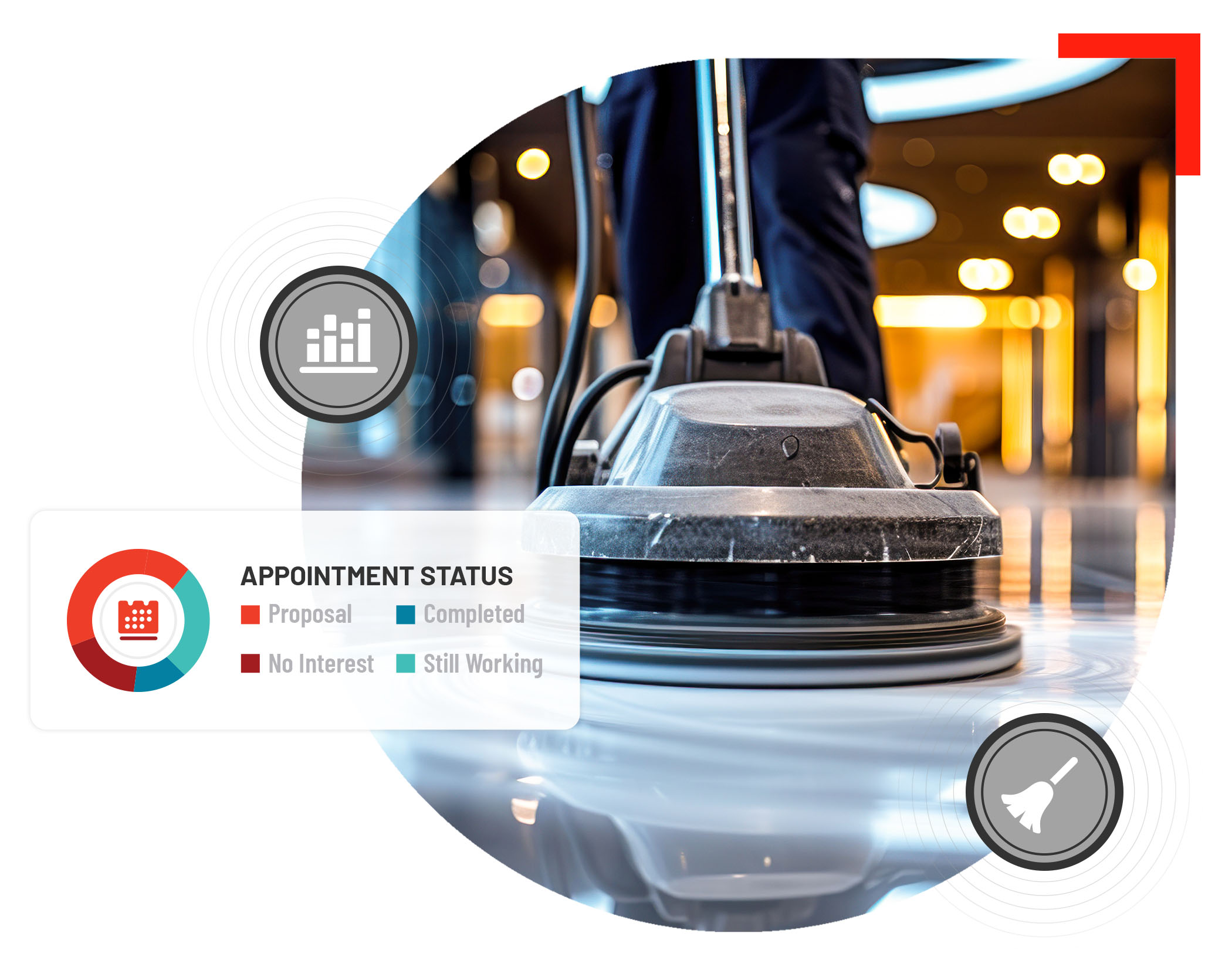
Abstrakt offers a specialized lead generation service tailored for the commercial cleaning industry. It provides sales-ready appointments, aiding businesses to expand their pipeline and close deals more effectively. The platform understands the specific needs of janitorial and cleaning companies, offering a solution that increases their efficiency and profitability.
Best for Partner & Channel Sales Platforms for Cleaning Companies
Expert Take
Abstrakt Commercial Cleaning Lead Gen excels in providing industry-specific lead generation services tailored for the commercial cleaning sector. Its focus on delivering sales-ready appointments enhances business efficiency and growth. However, the lack of transparent pricing is a notable limitation.
Pros
- Industry-specific lead generation
- Sales-ready appointments
- Highly tailored service
- Increases business growth
Cons
- Pricing not transparently listed
- May not fit all budget ranges
Best for teams that are
- Commercial cleaning firms needing consistent B2B contracts
- Companies with budgets over $3,500/mo for outsourced sales
- Businesses targeting offices, medical facilities, or industrial sites
Skip if
- Residential cleaning companies targeting individual homeowners
- Small businesses with limited marketing budgets (under $3k/mo)
- Companies wanting to manage lead generation entirely in-house
Best for teams that are
- Commercial cleaning firms needing consistent B2B contracts
- Companies with budgets over $3,500/mo for outsourced sales
- Businesses targeting offices, medical facilities, or industrial sites
Skip if
- Residential cleaning companies targeting individual homeowners
- Small businesses with limited marketing budgets (under $3k/mo)
- Companies wanting to manage lead generation entirely in-house
Pros
- Industry-specific lead generation
- Sales-ready appointments
- Highly tailored service
- Increases business growth
Cons
- Pricing not transparently listed
- May not fit all budget ranges
Expert Take
Abstrakt Commercial Cleaning Lead Gen excels in providing industry-specific lead generation services tailored for the commercial cleaning sector. Its focus on delivering sales-ready appointments enhances business efficiency and growth. However, the lack of transparent pricing is a notable limitation.