
Subscription & Membership Commerce Platforms

These are the specialized categories within Subscription & Membership Commerce Platforms. Looking for something broader? See all Ecommerce & Retail Software categories.

1

Recharge Subscriptions for Ecommerce

Best for Subscription & Membership Commerce Platforms for Ecommerce Businesses

Score
9.8 / 10
Recharge Subscriptions for Ecommerce

Recharge is a powerful SaaS solution designed specifically to handle subscription and recurring payment needs of ecommerce businesses. It enables streamlined management of subscription models, providing flexibility, automation, and customer retention tools that directly address industry-specific needs.

Best for Subscription & Membership Commerce Platforms for Ecommerce Businesses

Expert Take

Recharge Subscriptions for Ecommerce excels in managing complex subscription models with flexibility and automation. It integrates smoothly with ecommerce platforms and offers advanced analytics for customer insights. Despite limited third-party integrations, its robust capabilities make it a top choice for ecommerce businesses.

Pros

  • Market leader with 20k+ brands
  • Deep Klaviyo & headless integrations
  • Advanced bundle & flow features
  • Robust API & Developer SDKs
  • Smart churn prevention tools

Cons

  • Expensive for small businesses
  • Transaction fees on all plans
  • Legacy code causes UI glitches
  • Support can be slow/automated
  • Complex setup for advanced features

Best for teams that are

  • Shopify and BigCommerce merchants scaling subscription revenue
  • DTC brands requiring robust "Subscribe & Save" functionality
  • Businesses needing advanced analytics to reduce customer churn

Skip if

  • Merchants not using Shopify, BigCommerce, or custom builds
  • Early-stage hobbyists with very low transaction volume
  • Businesses needing complex B2B usage-based billing logic

Best for teams that are

  • Shopify and BigCommerce merchants scaling subscription revenue
  • DTC brands requiring robust "Subscribe & Save" functionality
  • Businesses needing advanced analytics to reduce customer churn

Skip if

  • Merchants not using Shopify, BigCommerce, or custom builds
  • Early-stage hobbyists with very low transaction volume
  • Businesses needing complex B2B usage-based billing logic

Pros

  • Market leader with 20k+ brands
  • Deep Klaviyo & headless integrations
  • Advanced bundle & flow features
  • Robust API & Developer SDKs
  • Smart churn prevention tools

Cons

  • Expensive for small businesses
  • Transaction fees on all plans
  • Legacy code causes UI glitches
  • Support can be slow/automated
  • Complex setup for advanced features

Expert Take

Recharge Subscriptions for Ecommerce excels in managing complex subscription models with flexibility and automation. It integrates smoothly with ecommerce platforms and offers advanced analytics for customer insights. Despite limited third-party integrations, its robust capabilities make it a top choice for ecommerce businesses.

2

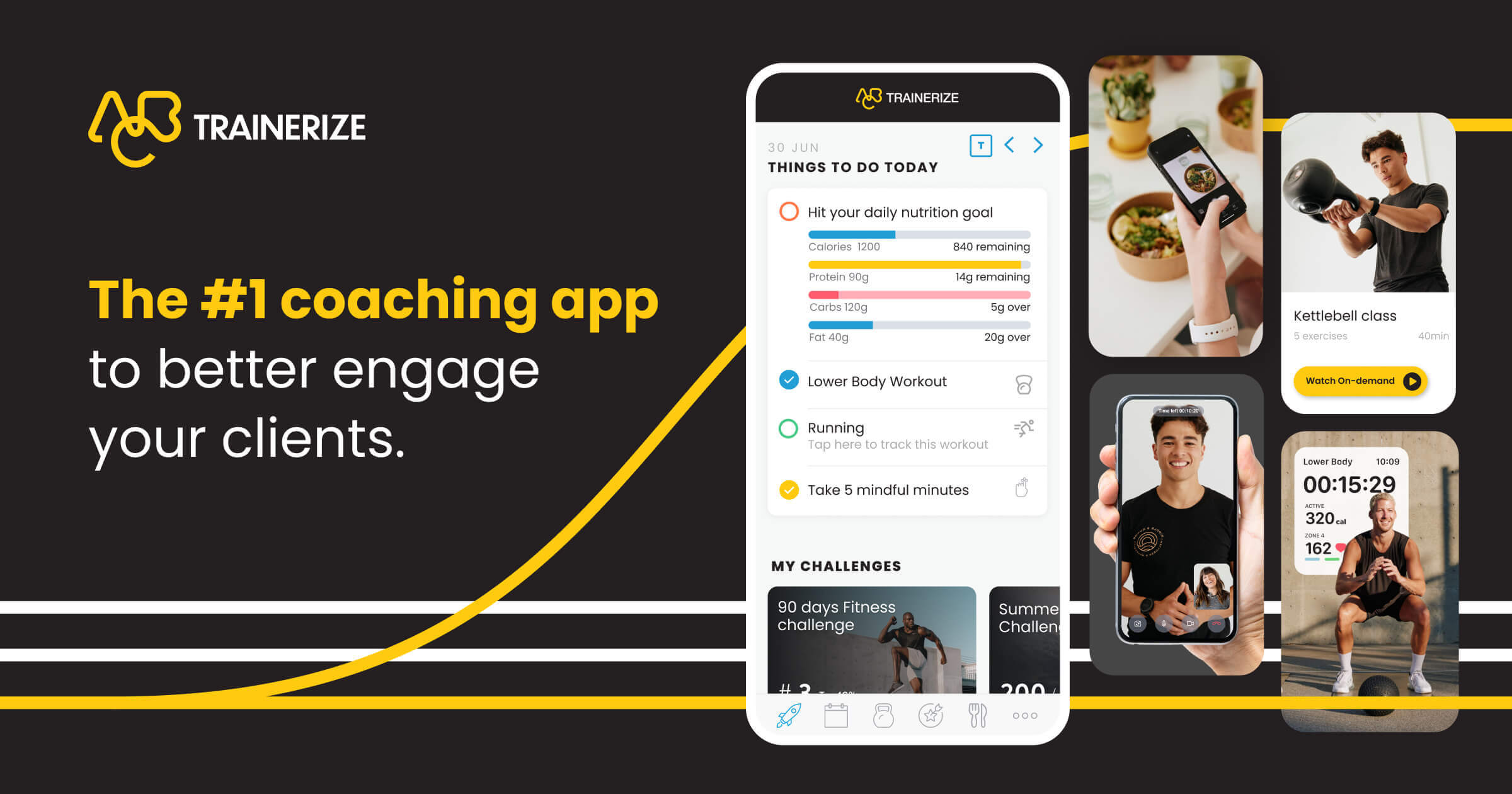
ABC Trainerize Fitness Software

Best for Subscription & Membership Commerce Platforms for Fitness Coaches
Score
9.8 / 10
ABC Trainerize Fitness Software

ABC Trainerize is a highly specialised personal training software for fitness coaches, enabling them to deliver tailored fitness programs and track client progress effortlessly. It caters to the unique needs of the fitness industry, facilitating growth by streamlining administrative tasks and enhancing client engagement.

Best for Subscription & Membership Commerce Platforms for Fitness Coaches

Expert Take

ABC Trainerize excels as a specialized platform for fitness coaches, offering tailored solutions that enhance client engagement and streamline business operations. Its market credibility is supported by industry-specific features and integration capabilities, making it a top choice for fitness professionals.

Pros

  • Comprehensive workout, nutrition, and habit coaching
  • Deep integration with Apple Watch & wearables
  • Custom branded mobile apps available
  • Scalable pricing starting at $0-$10/mo
  • Connects to 8000+ apps via Zapier

Cons

  • Not HIPAA compliant (no BAAs)
  • Extra fees for payments and video tools
  • Advanced nutrition features cost $45/mo
  • Occasional app stability and sync glitches
  • Limited free plan (1 client only)

Best for teams that are

  • Trainers wanting deep wearable integration like Apple Watch
  • Coaches offering holistic nutrition, habit, and fitness programming
  • Clubs and franchises needing a scalable member engagement app

Skip if

  • Solo coaches who find enterprise-level features overwhelming
  • Trainers wanting a simple, dedicated check-in system
  • Users who dislike complex interfaces with many add-ons

Best for teams that are

  • Trainers wanting deep wearable integration like Apple Watch
  • Coaches offering holistic nutrition, habit, and fitness programming
  • Clubs and franchises needing a scalable member engagement app

Skip if

  • Solo coaches who find enterprise-level features overwhelming
  • Trainers wanting a simple, dedicated check-in system
  • Users who dislike complex interfaces with many add-ons

Pros

  • Comprehensive workout, nutrition, and habit coaching
  • Deep integration with Apple Watch & wearables
  • Custom branded mobile apps available
  • Scalable pricing starting at $0-$10/mo
  • Connects to 8000+ apps via Zapier

Cons

  • Not HIPAA compliant (no BAAs)
  • Extra fees for payments and video tools
  • Advanced nutrition features cost $45/mo
  • Occasional app stability and sync glitches
  • Limited free plan (1 client only)

Expert Take

ABC Trainerize excels as a specialized platform for fitness coaches, offering tailored solutions that enhance client engagement and streamline business operations. Its market credibility is supported by industry-specific features and integration capabilities, making it a top choice for fitness professionals.

3
Score
9.7 / 10
Recurly Subscription Management

Recurly is a specialized subscription management and recurring billing platform, tailored for digital marketing agencies. It seamlessly integrates with leading ERP, CRM, and payment gateways, providing a streamlined solution to manage and optimize subscription-based business models.

Best for Subscription & Membership Commerce Platforms for Digital Marketing Agencies

Expert Take

Recurly excels in subscription management for digital marketing agencies with its robust feature set and seamless integrations. While the setup process can be complex, its advanced analytics and multi-gateway support make it a top choice for managing subscription-based revenue streams.

Pros

  • Recovered $1.2B in revenue (2023)
  • Supports 140+ currencies & 20+ gateways
  • Gateway failover prevents lost sales
  • PCI Level 1, SOC 2, HIPAA compliant
  • Trusted by Paramount+ and Twitch

Cons

  • Reporting features can be complex
  • Transaction fees added to monthly cost
  • Documentation can be inconsistent
  • Enterprise pricing is opaque
  • Steep learning curve for analytics

Best for teams that are

  • Mid-to-enterprise subscription businesses with complex billing needs
  • Companies prioritizing churn reduction and revenue recovery tools
  • Businesses needing a flexible billing engine that integrates with existing tech

Skip if

  • Early-stage startups or small businesses due to high costs
  • Merchants needing a full website builder rather than just a billing engine
  • Simple physical goods sellers who don't need complex recurring logic

Best for teams that are

  • Mid-to-enterprise subscription businesses with complex billing needs
  • Companies prioritizing churn reduction and revenue recovery tools
  • Businesses needing a flexible billing engine that integrates with existing tech

Skip if

  • Early-stage startups or small businesses due to high costs
  • Merchants needing a full website builder rather than just a billing engine
  • Simple physical goods sellers who don't need complex recurring logic

Pros

  • Recovered $1.2B in revenue (2023)
  • Supports 140+ currencies & 20+ gateways
  • Gateway failover prevents lost sales
  • PCI Level 1, SOC 2, HIPAA compliant
  • Trusted by Paramount+ and Twitch

Cons

  • Reporting features can be complex
  • Transaction fees added to monthly cost
  • Documentation can be inconsistent
  • Enterprise pricing is opaque
  • Steep learning curve for analytics

Expert Take

Recurly excels in subscription management for digital marketing agencies with its robust feature set and seamless integrations. While the setup process can be complex, its advanced analytics and multi-gateway support make it a top choice for managing subscription-based revenue streams.

4
Score
9.7 / 10
Omnisend Email Marketing

Omnisend is an intelligent email marketing tool designed to elevate ecommerce brands. Its automation, SMS features, and seamless integrations make it an ideal choice for marketing agencies that manage subscription and membership commerce platforms. It addresses the industry's need for efficient, streamlined communication strategies that drive revenue with minimal effort.

Best for Subscription & Membership Commerce Platforms for Marketing Agencies

Expert Take

Omnisend is a premium email marketing tool tailored for ecommerce brands, offering advanced automation and SMS features. Its strong integration capabilities and 24/7 support make it a valuable asset for marketing agencies. Despite a slight learning curve, its comprehensive feature set and pricing transparency position it as a top choice in its category.

Pros

  • 24/7 live support available on all plans including free
  • Unified email, SMS, and push notification workflows
  • Generous free plan includes all advanced features
  • Deep one-click integration with Shopify and BigCommerce
  • Intuitive drag-and-drop builder with product picker

Cons

  • Lacks advanced predictive analytics (churn, CLV)
  • Smaller email template library than competitors
  • SMS costs can be higher at high volumes
  • Fewer total integrations than market leaders
  • Reporting is less granular than enterprise tools

Best for teams that are

  • Small to mid-sized ecommerce stores (Shopify/BigCommerce)
  • Marketers wanting combined Email and SMS automation
  • Teams needing easy-to-use, pre-built retail workflows

Skip if

  • Enterprises needing advanced predictive data analytics
  • Non-ecommerce businesses (features are retail-centric)
  • Users requiring complex CRM data synchronization

Best for teams that are

  • Small to mid-sized ecommerce stores (Shopify/BigCommerce)
  • Marketers wanting combined Email and SMS automation
  • Teams needing easy-to-use, pre-built retail workflows

Skip if

  • Enterprises needing advanced predictive data analytics
  • Non-ecommerce businesses (features are retail-centric)
  • Users requiring complex CRM data synchronization

Pros

  • 24/7 live support available on all plans including free
  • Unified email, SMS, and push notification workflows
  • Generous free plan includes all advanced features
  • Deep one-click integration with Shopify and BigCommerce
  • Intuitive drag-and-drop builder with product picker

Cons

  • Lacks advanced predictive analytics (churn, CLV)
  • Smaller email template library than competitors
  • SMS costs can be higher at high volumes
  • Fewer total integrations than market leaders
  • Reporting is less granular than enterprise tools

Expert Take

Omnisend is a premium email marketing tool tailored for ecommerce brands, offering advanced automation and SMS features. Its strong integration capabilities and 24/7 support make it a valuable asset for marketing agencies. Despite a slight learning curve, its comprehensive feature set and pricing transparency position it as a top choice in its category.

5
Score
9.7 / 10
Threecolts Ecommerce Solution

Threecolts is a SaaS solution specifically designed for ecommerce businesses to maximize their profitability. The platform provides effective tools for pricing optimization, inventory management, and sales and profit tracking, addressing the core needs of subscription and membership commerce platforms.

Best for Subscription & Membership Commerce Platforms for Ecommerce Businesses

Expert Take

Threecolts offers a comprehensive suite of tools tailored for ecommerce businesses, focusing on pricing optimization, inventory management, and sales tracking. Its specialized features for subscription and membership commerce platforms make it a strong contender in its category, despite some limitations in pricing transparency.

Pros

  • Bundles 10+ premium apps for $69/mo
  • Includes industry-standard Tactical Arbitrage & InventoryLab
  • 0% commission reimbursements for <$1M sellers
  • Unified dashboard for Amazon & Walmart
  • Enterprise-grade financial recovery tools included

Cons

  • Significant bugs in InventoryLab List 2.0
  • Disjointed integration between acquired apps
  • Steep learning curve for complex tools
  • Support complaints regarding recent acquisitions
  • Tactical Arbitrage requires specific URL formats

Best for teams that are

  • Amazon and Walmart marketplace sellers managing operations
  • Resellers and private label brands optimizing profit recovery
  • Sellers needing automated feedback and inventory management

Skip if

  • DTC brands building a standalone subscription website
  • Businesses not selling on third-party marketplaces
  • Merchants seeking a primary subscription billing engine

Best for teams that are

  • Amazon and Walmart marketplace sellers managing operations
  • Resellers and private label brands optimizing profit recovery
  • Sellers needing automated feedback and inventory management

Skip if

  • DTC brands building a standalone subscription website
  • Businesses not selling on third-party marketplaces
  • Merchants seeking a primary subscription billing engine

Pros

  • Bundles 10+ premium apps for $69/mo
  • Includes industry-standard Tactical Arbitrage & InventoryLab
  • 0% commission reimbursements for <$1M sellers
  • Unified dashboard for Amazon & Walmart
  • Enterprise-grade financial recovery tools included

Cons

  • Significant bugs in InventoryLab List 2.0
  • Disjointed integration between acquired apps
  • Steep learning curve for complex tools
  • Support complaints regarding recent acquisitions
  • Tactical Arbitrage requires specific URL formats

Expert Take

Threecolts offers a comprehensive suite of tools tailored for ecommerce businesses, focusing on pricing optimization, inventory management, and sales tracking. Its specialized features for subscription and membership commerce platforms make it a strong contender in its category, despite some limitations in pricing transparency.

6
Score
9.6 / 10
FastSpring Digital Commerce Platform

FastSpring is a digital commerce platform specifically designed for SaaS, software, video games, and online companies. It provides managed payments and subscription services, allowing digital marketing agencies to confidently expand their global reach. Its comprehensive solution caters to the unique needs of agencies in managing subscriptions, improving customer retention, and scaling business operations.

Best for Subscription & Membership Commerce Platforms for Digital Marketing Agencies

Expert Take

FastSpring is a premium digital commerce platform tailored for digital marketing agencies, offering comprehensive subscription management and global payment solutions. Its strong market credibility and usability make it a top choice for agencies managing digital goods.

Pros

  • Handles global VAT and sales tax
  • Merchant of Record assumes legal liability
  • Supports 20+ currencies and languages
  • Includes fraud protection and chargeback management
  • Trusted by major enterprises like Adobe

Cons

  • Higher fees than standard payment processors
  • Reports of mandatory $150 risk fee
  • Interface described as outdated by users
  • No public pricing; requires sales quote
  • Strict risk assessment can pause accounts

Best for teams that are

  • SaaS and software companies selling digital products globally
  • Businesses needing a Merchant of Record to handle global taxes and compliance
  • Companies wanting to offload fraud protection and payment liability

Skip if

  • Sellers of physical goods requiring complex shipping logistics
  • High-volume low-margin businesses avoiding higher MoR transaction fees
  • Local merchants who do not need global tax handling features

Best for teams that are

  • SaaS and software companies selling digital products globally
  • Businesses needing a Merchant of Record to handle global taxes and compliance
  • Companies wanting to offload fraud protection and payment liability

Skip if

  • Sellers of physical goods requiring complex shipping logistics
  • High-volume low-margin businesses avoiding higher MoR transaction fees
  • Local merchants who do not need global tax handling features

Pros

  • Handles global VAT and sales tax
  • Merchant of Record assumes legal liability
  • Supports 20+ currencies and languages
  • Includes fraud protection and chargeback management
  • Trusted by major enterprises like Adobe

Cons

  • Higher fees than standard payment processors
  • Reports of mandatory $150 risk fee
  • Interface described as outdated by users
  • No public pricing; requires sales quote
  • Strict risk assessment can pause accounts

Expert Take

FastSpring is a premium digital commerce platform tailored for digital marketing agencies, offering comprehensive subscription management and global payment solutions. Its strong market credibility and usability make it a top choice for agencies managing digital goods.

7
Score
9.6 / 10
Everfit Coaching Platform

Everfit is an all-inclusive platform specifically designed for fitness and wellness coaches, personal trainers, and gym owners who want to deliver their coaching at scale. The software offers comprehensive features such as workout builder, nutrition and habit tracking, and client messaging to cater to the unique requirements of the fitness industry.

Best for Subscription & Membership Commerce Platforms for Fitness Coaches

Expert Take

Everfit Coaching Platform excels in delivering tailored solutions for fitness professionals, offering comprehensive tools for client management and engagement. Despite limited third-party integrations, its specialized features and client-centric design make it a standout choice in its category.

Pros

  • Free plan for up to 5 clients
  • Modern, intuitive user interface
  • Powerful 'Autoflow' automation for groups
  • Integrated nutrition and habit tracking
  • Custom branding options available

Cons

  • Key features require paid add-ons
  • Limited international payment localization
  • MyFitnessPal sync requires public diary
  • Rigid workout scheduling defaults
  • No built-in marketplace for all regions

Best for teams that are

  • Coaches wanting powerful automation and habit tracking features
  • Studios needing a modern, scalable platform for hybrid training
  • Trainers who want to automate client onboarding and messaging

Skip if

  • Trainers who want a completely free unlimited client plan
  • Businesses needing complex facility hardware integration
  • Coaches who prefer manual tracking over automated workflows

Best for teams that are

  • Coaches wanting powerful automation and habit tracking features
  • Studios needing a modern, scalable platform for hybrid training
  • Trainers who want to automate client onboarding and messaging

Skip if

  • Trainers who want a completely free unlimited client plan
  • Businesses needing complex facility hardware integration
  • Coaches who prefer manual tracking over automated workflows

Pros

  • Free plan for up to 5 clients
  • Modern, intuitive user interface
  • Powerful 'Autoflow' automation for groups
  • Integrated nutrition and habit tracking
  • Custom branding options available

Cons

  • Key features require paid add-ons
  • Limited international payment localization
  • MyFitnessPal sync requires public diary
  • Rigid workout scheduling defaults
  • No built-in marketplace for all regions

Expert Take

Everfit Coaching Platform excels in delivering tailored solutions for fitness professionals, offering comprehensive tools for client management and engagement. Despite limited third-party integrations, its specialized features and client-centric design make it a standout choice in its category.

8
9.6 / 10
My PT Hub

My PT Hub is a specialized personal training software solution that empowers fitness coaches to manage and grow their businesses with ease. Its industry-specific features, such as client management, workout and nutrition planning, and progress tracking, address the critical needs of personal trainers in the digital age.

Best for Subscription & Membership Commerce Platforms for Fitness Coaches

Expert Take

My PT Hub stands out in the fitness coaching software market due to its comprehensive feature set tailored for personal trainers. It offers strong client management capabilities, customizable workout plans, and integrated payment systems. The product's usability and support resources further enhance its appeal, making it a top choice for fitness professionals.

Pros

  • Unlimited clients and workouts on Premium
  • Full White Label app option available
  • Integrated payments and packages
  • Automated recurring client check-ins
  • Direct Apple Watch & Fitbit integration

Cons

  • Strict no-refund policy enforced
  • Reports of mobile app glitches
  • Forms lack flexible recurring scheduling
  • White label add-on is expensive
  • Support response can be mixed

Best for teams that are

  • Trainers with a large client base needing an unlimited pricing model
  • Coaches wanting an affordable all-in-one solution
  • Trainers needing integrated nutrition and workout tools

Skip if

  • Users who prioritize a sleek, bug-free modern user interface
  • Coaches who find complex, feature-heavy dashboards overwhelming
  • Trainers who want a minimalist, specialized coaching tool

Best for teams that are

  • Trainers with a large client base needing an unlimited pricing model
  • Coaches wanting an affordable all-in-one solution
  • Trainers needing integrated nutrition and workout tools

Skip if

  • Users who prioritize a sleek, bug-free modern user interface
  • Coaches who find complex, feature-heavy dashboards overwhelming
  • Trainers who want a minimalist, specialized coaching tool

Pros

  • Unlimited clients and workouts on Premium
  • Full White Label app option available
  • Integrated payments and packages
  • Automated recurring client check-ins
  • Direct Apple Watch & Fitbit integration

Cons

  • Strict no-refund policy enforced
  • Reports of mobile app glitches
  • Forms lack flexible recurring scheduling
  • White label add-on is expensive
  • Support response can be mixed

Expert Take

My PT Hub stands out in the fitness coaching software market due to its comprehensive feature set tailored for personal trainers. It offers strong client management capabilities, customizable workout plans, and integrated payment systems. The product's usability and support resources further enhance its appeal, making it a top choice for fitness professionals.

9
Score
9.6 / 10
Subbly Commerce Platform

Subbly is the optimal solution for ecommerce businesses seeking to establish or expand their subscription services. Its all-in-one platform simplifies the process of launching, running, and growing a subscription business model, addressing the industry's need for a streamlined, reliable, and scalable solution.

Best for Subscription & Membership Commerce Platforms for Ecommerce Businesses

Expert Take

Subbly Commerce Platform excels in providing a comprehensive solution for subscription-based ecommerce businesses. It offers strong subscription management capabilities and a user-friendly interface. While it lacks some advanced automation and third-party integrations, its core features and support make it a top choice for subscription services.

Pros

  • Native 'subscription-first' architecture
  • Built-in 'Build-a-Box' functionality
  • AI-powered churn prediction tools
  • Exceptional 10/10 rated customer support
  • Flexible 'Checkout Only' embedding mode

Cons

  • Zapier integration is invite-only
  • Extra transaction fees on referrals
  • Limited design templates available
  • Smaller third-party app ecosystem
  • Transaction fees on lower plans

Best for teams that are

  • Entrepreneurs launching subscription box businesses
  • Non-technical founders needing an all-in-one website builder
  • Subscription-first businesses wanting to avoid plugin complexity

Skip if

  • Large enterprises requiring complex custom tech stacks
  • Merchants primarily focused on one-time e-commerce sales
  • Businesses deeply committed to the Shopify ecosystem

Best for teams that are

  • Entrepreneurs launching subscription box businesses
  • Non-technical founders needing an all-in-one website builder
  • Subscription-first businesses wanting to avoid plugin complexity

Skip if

  • Large enterprises requiring complex custom tech stacks
  • Merchants primarily focused on one-time e-commerce sales
  • Businesses deeply committed to the Shopify ecosystem

Pros

  • Native 'subscription-first' architecture
  • Built-in 'Build-a-Box' functionality
  • AI-powered churn prediction tools
  • Exceptional 10/10 rated customer support
  • Flexible 'Checkout Only' embedding mode

Cons

  • Zapier integration is invite-only
  • Extra transaction fees on referrals
  • Limited design templates available
  • Smaller third-party app ecosystem
  • Transaction fees on lower plans

Expert Take

Subbly Commerce Platform excels in providing a comprehensive solution for subscription-based ecommerce businesses. It offers strong subscription management capabilities and a user-friendly interface. While it lacks some advanced automation and third-party integrations, its core features and support make it a top choice for subscription services.

10
Score
9.5 / 10
Emplifi: Social Media Management

Emplifi is a cutting-edge, AI-powered social media management tool specifically catered to marketing agencies. It is designed to amplify your agency's social media marketing, commerce, and care efforts, while effectively boosting engagement across all social media platforms.

Best for Subscription & Membership Commerce Platforms for Marketing Agencies

Expert Take

Emplifi excels as a comprehensive social media management tool for marketing agencies, offering advanced AI-driven analytics and engagement tracking. Its scalability and predictive insights position it as a leading solution in its category, despite some limitations in pricing transparency and support channels.

Pros

  • Unified marketing, commerce, and care platform
  • Advanced AI Composer using GPT-3
  • Enterprise-grade security (ISO 27001, SOC 2)
  • Unlimited users included in many plans
  • Intuitive interface compared to competitors

Cons

  • High starting cost (~$1k-$3k/mo)
  • Opaque custom-only pricing
  • Reporting customization can be limited
  • No free plan or self-serve trial
  • API limitations with TikTok/Instagram

Best for teams that are

  • Enterprise marketing teams with 20+ users
  • Brands requiring advanced social listening and analytics
  • Companies needing unified Customer Experience (CX) tools

Skip if

  • Small businesses or solopreneurs (high monthly cost)
  • Teams needing transparent, public pricing
  • Users wanting a simple, self-serve scheduling tool

Best for teams that are

  • Enterprise marketing teams with 20+ users
  • Brands requiring advanced social listening and analytics
  • Companies needing unified Customer Experience (CX) tools

Skip if

  • Small businesses or solopreneurs (high monthly cost)
  • Teams needing transparent, public pricing
  • Users wanting a simple, self-serve scheduling tool

Pros

  • Unified marketing, commerce, and care platform
  • Advanced AI Composer using GPT-3
  • Enterprise-grade security (ISO 27001, SOC 2)
  • Unlimited users included in many plans
  • Intuitive interface compared to competitors

Cons

  • High starting cost (~$1k-$3k/mo)
  • Opaque custom-only pricing
  • Reporting customization can be limited
  • No free plan or self-serve trial
  • API limitations with TikTok/Instagram

Expert Take

Emplifi excels as a comprehensive social media management tool for marketing agencies, offering advanced AI-driven analytics and engagement tracking. Its scalability and predictive insights position it as a leading solution in its category, despite some limitations in pricing transparency and support channels.

How We Rank Products

Our Evaluation Process

Products in the subscription and membership commerce platforms category are evaluated based on their documented features, such as billing automation and customer management tools. Pricing transparency is crucial, as businesses need to understand costs associated with the platform. Compatibility and integrations with existing systems are also key factors. Third-party customer feedback provides insights into user satisfaction and reliability.

Verification

  • Products evaluated through comprehensive research and analysis of subscription features and user experiences.
  • Rankings based on detailed comparisons of pricing structures, user ratings, and service offerings.
  • Selection criteria focus on platform reliability, customer support quality, and ease of use for managing subscriptions.

Score Breakdown

0.0 / 10

About Subscription & Membership Commerce Platforms

What Is Subscription & Membership Commerce Platforms?

This category covers software used to manage the complete lifecycle of recurring revenue relationships: handling complex billing logic, automating renewals and dunning processes, managing subscriber entitlements and tiers, and orchestrating the customer journey from signup to retention. It sits between CRM (which manages the sales pipeline and acquisition) and ERP (which handles the general ledger and back-office financial reporting), often serving as the financial engine that connects the two. It includes both general-purpose recurring billing engines and vertical-specific membership management tools built for sectors like digital media, associations, and physical subscription boxes.

The core problem this software solves is the operational rigidity of traditional commerce systems. Standard e-commerce platforms are built for "carts" and one-off transactions; they struggle with the concept of a relationship that changes over time (upgrades, downgrades, pauses, and usage-based metering). Subscription and membership platforms replace manual spreadsheets and disparate payment gateways with a unified system of record for recurring revenue. This matters because it allows businesses to scale beyond simple monthly fees into sophisticated monetization models—such as hybrid one-time plus recurring charges, consumption-based pricing, or tiered membership access—without requiring an army of finance staff to manually reconcile invoices every month.

Who uses these platforms? They are essential for any organization shifting from a transaction-based model to a relationship-based model. This includes SaaS companies managing thousands of seats, digital publishers gating content behind paywalls, physical goods retailers shipping monthly boxes, and professional services firms automating retainer billing. For the finance team, these platforms ensure revenue recognition compliance (ASC 606/IFRS 15). For the product team, they provide the agility to launch new pricing packages without engineering bottlenecks. For customer success teams, they offer visibility into churn risks and renewal health.

History of the Category

The trajectory of Subscription & Membership Commerce Platforms is effectively the history of the "Subscription Economy"—a shift from buying products to subscribing to outcomes. In the 1990s and early 2000s, recurring billing was largely the domain of telecommunications and utilities, managed by massive, custom-built on-premise mainframes or rigid ERP modules. If a software company wanted to charge a monthly fee, they often built a custom billing script on top of a payment gateway. There was no distinct software category; there was just "billing code" maintained by frustrated engineering teams.

The first major gap that created this category appeared in the mid-2000s with the rise of Software-as-a-Service (SaaS). As companies like Salesforce normalized the idea of renting software rather than buying perpetual licenses, the limitations of traditional ERP systems became glaring. ERPs were designed to record a sale once; they were terrible at handling prorated upgrades in the middle of a billing cycle or managing "grandfathered" pricing tiers. This operational gap birthed the first wave of cloud-native subscription management vendors, who decoupled the billing engine from the general ledger.

The late 2000s and early 2010s marked a pivotal "consolidation and definition" phase. As the "Subscription Economy" concept gained traction—evidenced by the explosion of B2C subscription boxes and digital media paywalls—buyer expectations shifted. It was no longer enough to just process a credit card every 30 days. Businesses demanded "subscription intelligence": the ability to analyze Monthly Recurring Revenue (MRR), track Churn Rates, and automate "dunning" (the process of recovering failed payments). This era saw the market split into two distinct directions: broad, horizontal billing platforms serving high-growth tech companies, and vertical-specific membership tools serving gyms, associations, and non-profits.

From 2015 to the present, the market has matured into a complex ecosystem of "monetization platforms." The shift from simple flat-rate subscriptions to complex consumption-based models (pay-per-use) forced another wave of innovation. Buyers moved from asking "Can you bill monthly?" to "Can you handle a hybrid model with a base fee, overage charges, and a one-time setup fee, all recognized correctly under new accounting standards?" Today, the category is defined by this flexibility. We have moved past the era of simple "membership databases" into an era of intelligent revenue lifecycle management, where the platform is expected not just to bill, but to actively optimize revenue through AI-driven churn prevention and dynamic pricing engines [1].

What to Look For

Evaluating Subscription & Membership Commerce Platforms requires a shift in mindset from "feature counting" to "workflow verification." The most critical evaluation criterion is flexibility in billing logic. A platform might look robust in a demo, but can it handle your specific edge cases? Ask specifically about "proration logic." If a customer upgrades from a Silver to a Gold plan on the 12th day of the month, how does the system calculate the difference? Does it issue a credit, charge the difference immediately, or add it to the next bill? The inability to configure this logic to match your business rules is a major warning sign.

Another critical factor is Revenue Recognition automation. As businesses scale, complying with accounting standards like ASC 606 becomes non-negotiable. A robust platform should automatically separate "billed revenue" (what you invoiced) from "recognized revenue" (what you have earned based on service delivery). Red flags include systems that rely heavily on manual journal entries or third-party spreadsheets to handle revenue deferrals. If the vendor says, "You can just export that to Excel to calculate deferred revenue," proceed with extreme caution.

When interviewing vendors, move beyond the standard feature list with these key questions:

  • "How does your system handle 'grandfathering' pricing for legacy customers while simultaneously rolling out price increases for new signups?" (This tests their versioning capabilities).
  • "Walk me through the dunning process: can we trigger different retry schedules for soft declines vs. hard declines?" (This tests their churn recovery sophistication).
  • "Can I decouple the billing date from the service start date?" (Crucial for B2B contracts where onboarding might delay the subscription start).
  • "Show me how a customer self-service portal handles a 'pause' request." (Many platforms claim to support pausing but actually require a cancellation and re-signup).

Finally, look for API extensibility. Your subscription platform will need to talk to your CRM, your tax calculation software, your general ledger, and your customer support desk. A "closed garden" ecosystem is a significant risk. Look for well-documented, RESTful APIs and pre-built connectors to major ERPs. If the integration relies on flat-file uploads (CSVs) rather than real-time syncing, your data latency will eventually cause customer service issues.

Industry-Specific Use Cases

Retail & E-commerce

In retail and e-commerce, the subscription platform is the operational heart of "replenishment" and "curation" models. Unlike B2B software, physical goods subscriptions involve complex logistics integration. The platform must trigger an order in the fulfillment system only after a successful payment renewal. A critical need here is inventory-aware billing: the system must know not to renew a subscription if the SKU is out of stock, or to trigger a "skip" or "swap" offer instead. Evaluation priorities often focus on the customer experience (CX) in the self-service portal. Retail buyers should look for "build-a-box" functionality where subscribers can customize their bundle each month. Unique considerations include handling shipping, tax calculations across thousands of jurisdictions, and managing "gift subscriptions" which have different expiration logic than standard recurring orders. The churn dynamics in retail are brutal, so features like "skip a month" or "change delivery frequency" are not optional—they are survival mechanisms [2].

Healthcare

For healthcare, the shift toward "value-based care" and direct primary care memberships drives the need for these platforms. Here, the priority is HIPAA compliance and data security above all else. Unlike a Netflix subscription, a healthcare membership might involve "patient adherence" tracking—where the subscription is tied to a care plan. Healthcare providers need platforms that can handle "hybrid payments," where part of the fee is paid by the member and part might be reimbursable or covered by an employer benefit. Evaluation priorities include the ability to manage family memberships (parent/child hierarchies) and integration with Electronic Health Records (EHR) systems. A unique consideration is the sensitivity of the data; the subscription platform must mask Protected Health Information (PHI) while still enabling billing triggers. As the market moves toward holistic wellness memberships, the ability to bundle services (e.g., unlimited visits) with products (e.g., supplements) is increasingly vital [3].

Financial Services

Financial services firms, including fintechs and wealth management advisories, use these platforms to manage retainer fees, advisory subscriptions, and usage-based transaction fees. The overriding need here is auditability and precision. Every cent must be accounted for, and every change to a subscription must have an immutable audit log. Evaluation priorities focus on "hierarchical billing"—the ability to bill a parent organization for the usage of hundreds of child accounts/advisors. Unlike retail, where a failed payment might just pause a shipment, in financial services, a lapse in subscription could mean a lapse in regulatory coverage or service access, carrying significant legal risks. Therefore, the "dunning" logic must be highly sophisticated, often involving manual account management intervention steps before service cut-off. Security compliance (SOC 2 Type II, PCI-DSS Level 1) is a non-negotiable gatekeeper [4].

Manufacturing

Manufacturing is undergoing a massive shift toward "Servitization" or "Equipment-as-a-Service" (EaaS). Instead of selling a compressor for $50,000, a manufacturer might sell "compressed air as a service" for a monthly fee plus usage. This requires Subscription & Membership Commerce Platforms to ingest IoT data (Internet of Things) to meter usage. The platform needs to bill based on "uptime hours," "units produced," or "gigabytes processed." Evaluation priorities shift heavily toward metering capabilities: can the system ingest millions of usage events and aggregate them into a single accurate invoice? Unique considerations include "asset-centric" billing, where the subscription is tied to a specific machine serial number rather than just a user account. This model transforms the manufacturer's cash flow from lumpy capex sales to predictable recurring revenue, but requires a billing engine capable of handling complex hardware-software service bundles [5].

Professional Services

Professional services firms (agencies, consultancies, legal firms) use these platforms to productize their services. The goal is to move away from the "feast or famine" of project-based work to steady "retainer-based" revenue. Specific needs include recurring invoicing with variable line items—for example, a flat $5,000/month retainer plus variable charges for ad spend or hours worked over a cap. Evaluation priorities include integration with project management and time-tracking software. If a consultant logs hours in a project tool, the subscription platform should ideally capture that for "overage" billing. A unique consideration is the "contract renewal" workflow. Unlike a Spotify subscription that runs forever, professional services contracts often have definitive terms (e.g., 6 or 12 months) that require a renegotiation or formal renewal event, demanding a platform that supports "renewal forecasting" and automated reminders for account managers [6].

Subcategory Overview

Subscription & Membership Commerce Platforms for Marketing Agencies

Marketing agencies face a unique challenge: they sell "time and talent," which is notoriously difficult to productize. Unlike general subscription tools that assume a standard widget is being sold, Subscription & Membership Commerce Platforms for Marketing Agencies are designed to handle high-touch, retainer-based relationships. The differentiator here is the focus on client portals and approval workflows. A generic tool might just send a PDF invoice. These specialized platforms often provide a branded portal where clients can not only pay their retainer but also view their service entitlements—for example, seeing that they have used 10 of their 15 allotted design hours for the month.

One workflow that only this specialized niche handles well is the "Retainer Rollover" logic. If a client pays for 20 hours of consulting but only uses 15, does the remaining 5 hours expire, or does it roll over to the next month? General tools struggle with this "banking" of credits. Specialized agency platforms can automate this logic, tracking the "liability" of unused hours automatically. The specific pain point driving buyers here is revenue leakage from scope creep. Agencies often do more work than the retainer covers because they lack a system that connects the billing agreement directly to the service delivery. These tools bridge that gap, ensuring that every extra hour is either billed as an overage or explicitly written off, rather than just forgotten.

Subscription & Membership Commerce Platforms for Ecommerce Businesses

While general billing platforms focus on digital access, Subscription & Membership Commerce Platforms for Ecommerce Businesses are obsessed with logistics and physical fulfillment. The key differentiator is the deep integration with shipping carriers and inventory management systems (IMS). A generic tool will happily renew a subscription for a product that has been discontinued or is backordered, leading to customer fury. These specialized tools perform "inventory checks" before processing renewals. They also handle the complexity of "box curation," allowing customers to swap flavors or sizes month-to-month without canceling the subscription.

A workflow unique to this niche is the "pre-dunning" shipment hold. If a credit card is about to expire, the system can hold the physical shipment of the box before it leaves the warehouse, saving the merchant the cost of goods and shipping for an order that hasn't been paid for. General payment gateways don't understand that a "failed payment" means "stop the warehouse picker." The primary pain point driving buyers to this niche is high churn due to lack of flexibility. E-commerce subscribers cancel when they have too much product piled up. These tools offer "skip shipment" or "change frequency" options directly in the consumer email notifications, drastically reducing churn compared to rigid "cancel only" interfaces.

Subscription & Membership Commerce Platforms for Digital Marketing Agencies

This subcategory is distinct from general marketing agency tools because of its focus on media spend reconciliation and performance-based billing. Subscription & Membership Commerce Platforms for Digital Marketing Agencies are built to handle "pass-through" costs. Digital agencies often manage thousands of dollars in ad spend on behalf of clients (on Google or Meta) and charge a percentage management fee on top. A generic subscription tool cannot dynamically calculate a bill that says: "Fixed Fee $2,000 + 10% of Ad Spend ($5,400) = Total $2,540."

The specialized workflow here is the automated ingestion of ad spend data to calculate variable billing. The platform connects to the Facebook Ads API, pulls the exact spend for the billing cycle, calculates the commission, adds the base retainer, and generates a unified invoice. The specific pain point driving buyers here is the administrative nightmare of manual reconciliation. Without this tool, finance teams spend the first week of every month downloading CSVs from ad platforms and manually typing numbers into invoices—a process prone to human error and massive delays in cash flow. These specialized platforms automate that entirely.

Subscription & Membership Commerce Platforms for Fitness Coaches

This niche caters to the "creator economy" and wellness professionals where the product is a mix of digital content and physical access. Subscription & Membership Commerce Platforms for Fitness Coaches differentiate themselves by combining billing with scheduling and content gating. A general subscription tool can bill $50/month, but it cannot stop a non-paying user from booking a spot in a limited-capacity Zoom class or walking into a gym.

One workflow unique to this niche is the "credit-based booking" system. A subscription might grant "8 class credits per month." The platform manages the allocation, consumption, and expiration of these credits in real-time as the client books sessions. If the payment fails, the booking rights are immediately revoked. The pain point driving buyers here is client accountability and access control. Fitness coaches lose money when clients book slots and don't show up, or when they access workout videos after their subscription has lapsed. These tools act as a digital bouncer, strictly enforcing the "no pay, no access" rule across both video libraries and calendar slots, which general billing tools simply cannot do.

Integration & API Ecosystem

The strength of a Subscription & Membership Commerce Platform is rarely defined by its standalone features, but by how well it "plays" with the rest of the tech stack. In a mature organization, the subscription engine is the "financial heart" that must pump data to the CRM (Salesforce/HubSpot) for sales visibility and the ERP (NetSuite/QuickBooks) for financial reporting. Gartner notes that integration complexity is often the single largest "hidden cost" in SaaS implementations, with integration-related expenses potentially increasing Total Cost of Ownership (TCO) by 20% or more [7]. The sheer volume of data exchange required—customer details, plan changes, usage data, payment status—makes a robust API ecosystem critical.

Scenario: Consider a 50-person professional services firm that uses a separate project management tool (like Asana) and a generic accounting tool (like Xero). They decide to implement a subscription management platform to handle their new "retainer" model. Without a pre-built, bi-directional integration, a dangerous disconnect occurs. An account manager extends a client's retainer in the subscription platform, but the project management tool isn't updated. The delivery team, thinking the contract has ended, stops work. The client, who just paid, is furious. Conversely, if the integration is poorly designed (e.g., one-way sync), a billing failure might occur, but the project team keeps working for weeks, accumulating "bad debt" that can never be recovered. A well-integrated system would instantly lock the project board when a payment fails, enforcing operational discipline automatically.

Security & Compliance

Security in subscription platforms goes far beyond basic encryption. Because these platforms store payment methods (credit card tokens) and often govern access to services, they are high-value targets for attackers. The stakes are incredibly high: according to the 2024 IBM Cost of a Data Breach Report, the global average cost of a data breach has reached $4.88 million, a 10% increase from the previous year [8]. For financial services or healthcare companies, a breach doesn't just mean a fine; it means a loss of trust that can permanently destroy the recurring revenue stream.

Scenario: Imagine a mid-sized fintech company that uses a subscription platform to manage access to its proprietary trading data. To save money, they choose a vendor that claims "security" but lacks SOC 2 Type II attestation and robust "shadow IT" controls. An employee who leaves the company retains access to an API key because the offboarding process wasn't automated via Single Sign-On (SSO). That former employee downloads the entire customer list. Or, consider a "tokenization" failure: the platform fails to properly isolate credit card tokens from the general database. A minor SQL injection attack exposes raw customer billing data. The company is now subject to massive GDPR fines and must notify every subscriber, leading to a churn spike that cripples their MRR for years. The "compliance" feature set—specifically PCI-DSS Level 1 certification and automated GDPR "Right to be Forgotten" workflows—is effectively an insurance policy against company-ending events.

Pricing Models & TCO

Pricing for Subscription & Membership Commerce Platforms typically falls into two camps: a flat monthly platform fee or a "revenue share" model (e.g., 1% of transaction volume). While the revenue share model looks attractive to early-stage startups because of low upfront costs, it can become punitive as you scale. Gartner estimates that "toxic spend"—spending on unused features or inefficient licensing—accounts for up to 30% of SaaS expenditure in enterprise companies [9]. Buyers must calculate the Total Cost of Ownership (TCO) not just on the license fee, but on the transaction volume.

Scenario: Let's look at a hypothetical 25-person team running a subscription box business. They evaluate two vendors. Vendor A charges $500/month flat. Vendor B charges $0/month but takes 1.5% of revenue. In Year 1, with $10,000 MRR, Vendor B costs them $150/month—a steal compared to Vendor A. The team chooses Vendor B. But by Year 3, the business hits $500,000 MRR. Suddenly, they are paying Vendor B $7,500 per month. The migration cost to switch platforms at this scale—migrating tokenized credit card data is notoriously difficult and risky—effectively locks them in. They are paying an "inertial tax" of $84,000 per year purely because they didn't forecast the TCO against their growth curve. The lesson: always negotiate a "cap" on transaction fees or a path to switch to flat pricing once volume thresholds are met.

Implementation & Change Management

Implementing a subscription platform is not a software installation; it is a business transformation. It requires changing how Sales sells (from one-time to recurring), how Finance recognizes revenue (from cash to accrual), and how Support handles customers. The failure rate is daunting: McKinsey research consistently shows that 70% of digital transformation initiatives—including major platform re-platforming—fail to meet their stated objectives [10]. This failure usually stems from "process debt" rather than software bugs.

Scenario: A manufacturing company decides to shift to an "Equipment-as-a-Service" model. They buy a top-tier subscription billing platform. However, they fail to involve the sales team in the implementation. The sales team, accustomed to receiving big commission checks upfront for selling hardware, revolts against the new "recurring revenue" compensation model, which pays smaller commissions over time. They simply stop selling the new subscription product, or worse, they sell it but enter the data incorrectly into the new system because they weren't trained on the rigorous data requirements of recurring billing (e.g., start dates, renewal terms). The system ends up filled with "garbage data," invoices are sent with errors, and customers refuse to pay. The implementation is technically a success—the software works—but commercially a failure because the change management regarding people and incentives was ignored.

Vendor Evaluation Criteria

When selecting a vendor, "feature parity" is often a mirage. Most vendors claim to do everything. The differentiation lies in the "depth" of specific capabilities. Forrester's research into recurring billing solutions emphasizes that "business adaptability" and the ability to handle complex, hybrid billing scenarios are the key differentiators for market leaders [11]. Buyers must evaluate vendors based on their "worst-case scenario" handling.

Scenario: A digital media company issues an RFP (Request for Proposal). Instead of asking "Do you support coupons?", they ask: "Demonstrate how your system handles a customer who applies a 50% off coupon for 3 months, then upgrades to a higher tier in the middle of month 2. Does the coupon carry over? Does it prorate? Can we prevent it from applying to the higher tier?" Vendor A says "Yes, we support coupons." Vendor B says "Here is our coupon logic engine that allows you to set 'stacking rules' and 'category exclusions'." Vendor B is the expert choice. In practice, Vendor A's simplistic coupon system might allow a savvy user to stack discounts and get the service for free, causing massive revenue leakage. Real evaluation requires testing the logic, not just the interface.

Emerging Trends and Contrarian Take

Emerging Trends 2025-2026

We are seeing a rapid shift toward "Agentic" Billing Workflows. It is no longer enough for a system to report that a payment failed; AI agents are now being tasked with autonomous recovery—generating personalized emails based on the customer's history and risk profile to recover the revenue without human intervention. Additionally, the line between "billing" and "usage analytics" is vanishing. As IDC forecasts that 80% of software revenue will come from service models by 2024-2027 [12], platforms are evolving into "Monetization Data Hubs" that don't just bill for usage but actively predict future consumption and prompt sales teams to upsell before the customer even hits their limit.

Contrarian Take

The "All-in-One" Platform is a Trap for the Mid-Market.

The industry marketing machine pushes the narrative that you need a massive, unified "Revenue Cloud" that handles everything from CPQ (Configure, Price, Quote) to Billing to Revenue Recognition. The reality is that for 90% of mid-market companies, these monolithic platforms are shelfware-in-waiting. They are overly complex, exorbitantly expensive to implement, and rigid. The contrarian truth is that a modular, "best-of-breed" stack—connecting a specialized billing engine via API to a lightweight ledger and a separate CRM—offers far more agility and ROI. Most businesses would be better off hiring one robust "Revenue Operations" engineer to manage these API connections than paying six-figure implementation fees for a monolithic suite that takes 12 months to deploy (and is obsolete by the time it goes live).

Common Mistakes

One of the most frequent mistakes is conflating "Merchant of Record" (MoR) with "Subscription Management." Many buyers assume their billing platform will handle global tax compliance (sales tax, VAT, GST). However, unless the vendor explicitly acts as the MoR, the legal liability for tax calculation and remittance remains with you. Buyers often sign a contract thinking their global tax headache is solved, only to realize the platform merely calculates the tax but doesn't remit it, leaving them exposed to audits in 50 different jurisdictions.

Another critical error is over-customization of the billing logic. Businesses often try to bend the software to fit their legacy, convoluted pricing models (e.g., "we bill on the third Tuesday unless it's a leap year"). Instead of simplifying their pricing strategy to fit standard SaaS best practices, they pay for expensive custom code. This creates "technical debt" that makes future upgrades impossible. If the software doesn't support your pricing model out of the box, it is usually a sign that your pricing model is too complex for the market, not that the software is lacking.

Finally, neglecting data migration strategy is a classic implementation killer. Companies assume they can just "import" their existing subscribers. They forget that they cannot export "credit card tokens" from their old provider easily due to PCI security rules. This often leads to a scenario where they have to ask all their existing customers to "re-enter their credit card details," resulting in a massive, self-inflicted churn event.

Questions to Ask in a Demo

  • "Can you demonstrate a mid-cycle upgrade with proration, and show me exactly how the invoice looks to the customer?" (Tests the billing logic engine and CX).
  • "Do you act as the Merchant of Record, or do you just integrate with a tax engine like Avalara/Vertex?" (Clarifies tax liability).
  • "How do you handle 'Grandfathering'? Show me how to increase prices for new customers while keeping existing customers on their old rate." (Tests versioning capabilities).
  • "What is your process for migrating credit card tokens from my current gateway (e.g., Stripe/Braintree) to your platform?" (Tests migration feasibility).
  • "Show me the audit log for a subscription change. Can I see who changed the price and when?" (Tests security and compliance).
  • "If I want to leave your platform in 3 years, what is the contractual SLAs for you to export my tokenized data to a new provider?" (Tests vendor lock-in).

Before Signing the Contract

Before you commit, perform a final "deal hygiene" check. First, ensure you have a "Sandbox" environment included in the contract forever, not just during implementation. You will need a place to test new pricing models without breaking your live revenue stream. Second, scrutinize the "Overage" fees. Many contracts have aggressive penalties if you exceed your transaction volume or API call limits. Negotiate these buffers upfront while you have leverage.

Check the Support SLA carefully. "24/7 Support" often means "access to a knowledge base," not a human. For a billing platform, when things break, you cannot invoice, which means you cannot collect cash. Demand defined response times for "Severity 1" issues (e.g., "Billing run failure"). Finally, look for a "Price Protection" clause for renewal. Vendor lock-in in this category is high because moving billing systems is painful; vendors know this and often hike prices significantly at renewal. A cap on future increases (e.g., "CPI + 2%") is a crucial safeguard.

Closing

Selecting a Subscription & Membership Commerce Platform is one of the most high-stakes infrastructure decisions a modern business can make. It is the operating system for your revenue. If you have specific questions about your use case or need a sounding board for your evaluation strategy, feel free to reach out.

Email: albert@whatarethebest.com