
Subscription & Membership Commerce Platforms
These are the specialized categories within Subscription & Membership Commerce Platforms. Looking for something broader? See all Ecommerce & Retail Software categories.

How big is your team?
What's your budget situation?
What's your team's technical comfort level?
What's the ONE thing this tool must do well?
Recharge Subscriptions for Ecommerce
Best for Subscription & Membership Commerce Platforms for Ecommerce Businesses

Recharge is a powerful SaaS solution designed specifically to handle subscription and recurring payment needs of ecommerce businesses. It enables streamlined management of subscription models, providing flexibility, automation, and customer retention tools that directly address industry-specific needs.
Best for Subscription & Membership Commerce Platforms for Ecommerce Businesses
Expert Take
Recharge Subscriptions for Ecommerce excels in managing complex subscription models with flexibility and automation. It integrates smoothly with ecommerce platforms and offers advanced analytics for customer insights. Despite limited third-party integrations, its robust capabilities make it a top choice for ecommerce businesses.
Pros
- Market leader with 20k+ brands
- Deep Klaviyo & headless integrations
- Advanced bundle & flow features
- Robust API & Developer SDKs
- Smart churn prevention tools
Cons
- Expensive for small businesses
- Transaction fees on all plans
- Legacy code causes UI glitches
- Support can be slow/automated
- Complex setup for advanced features
Best for teams that are
- Enterprise clients and fast-growing Shopify stores needing robust subscription features.
- Merchants requiring advanced retention tools like automated failed payment recovery.
- Established ecommerce businesses needing scalable, complex recurring billing models.
Skip if
- Newly registered users or small startups due to steep pricing and premium plans.
- Merchants seeking a completely free tool without revenue-based fees.
Best for teams that are
- Enterprise clients and fast-growing Shopify stores needing robust subscription features.
- Merchants requiring advanced retention tools like automated failed payment recovery.
- Established ecommerce businesses needing scalable, complex recurring billing models.
Skip if
- Newly registered users or small startups due to steep pricing and premium plans.
- Merchants seeking a completely free tool without revenue-based fees.
Pros
- Market leader with 20k+ brands
- Deep Klaviyo & headless integrations
- Advanced bundle & flow features
- Robust API & Developer SDKs
- Smart churn prevention tools
Cons
- Expensive for small businesses
- Transaction fees on all plans
- Legacy code causes UI glitches
- Support can be slow/automated
- Complex setup for advanced features
Expert Take
Recharge Subscriptions for Ecommerce excels in managing complex subscription models with flexibility and automation. It integrates smoothly with ecommerce platforms and offers advanced analytics for customer insights. Despite limited third-party integrations, its robust capabilities make it a top choice for ecommerce businesses.
Omnisend Email Marketing
Best for Subscription & Membership Commerce Platforms for Marketing Agencies

Omnisend is an intelligent email marketing tool designed to elevate ecommerce brands. Its automation, SMS features, and seamless integrations make it an ideal choice for marketing agencies that manage subscription and membership commerce platforms. It addresses the industry's need for efficient, streamlined communication strategies that drive revenue with minimal effort.
Best for Subscription & Membership Commerce Platforms for Marketing Agencies
Expert Take
Omnisend is a premium email marketing tool tailored for ecommerce brands, offering advanced automation and SMS features. Its strong integration capabilities and 24/7 support make it a valuable asset for marketing agencies. Despite a slight learning curve, its comprehensive feature set and pricing transparency position it as a top choice in its category.
Pros
- 24/7 live support available on all plans including free
- Unified email, SMS, and push notification workflows
- Generous free plan includes all advanced features
- Deep one-click integration with Shopify and BigCommerce
- Intuitive drag-and-drop builder with product picker
Cons
- Lacks advanced predictive analytics (churn, CLV)
- Smaller email template library than competitors
- SMS costs can be higher at high volumes
- Fewer total integrations than market leaders
- Reporting is less granular than enterprise tools
Best for teams that are
- Small to mid-sized ecommerce stores (Shopify/BigCommerce)
- Marketers wanting combined Email and SMS automation
- Teams needing easy-to-use, pre-built retail workflows
Skip if
- Enterprises needing advanced predictive data analytics
- Non-ecommerce businesses (features are retail-centric)
- Users requiring complex CRM data synchronization
Best for teams that are
- Small to mid-sized ecommerce stores (Shopify/BigCommerce)
- Marketers wanting combined Email and SMS automation
- Teams needing easy-to-use, pre-built retail workflows
Skip if
- Enterprises needing advanced predictive data analytics
- Non-ecommerce businesses (features are retail-centric)
- Users requiring complex CRM data synchronization
Pros
- 24/7 live support available on all plans including free
- Unified email, SMS, and push notification workflows
- Generous free plan includes all advanced features
- Deep one-click integration with Shopify and BigCommerce
- Intuitive drag-and-drop builder with product picker
Cons
- Lacks advanced predictive analytics (churn, CLV)
- Smaller email template library than competitors
- SMS costs can be higher at high volumes
- Fewer total integrations than market leaders
- Reporting is less granular than enterprise tools
Expert Take
Omnisend is a premium email marketing tool tailored for ecommerce brands, offering advanced automation and SMS features. Its strong integration capabilities and 24/7 support make it a valuable asset for marketing agencies. Despite a slight learning curve, its comprehensive feature set and pricing transparency position it as a top choice in its category.
ABC Trainerize Fitness Software
Best for Subscription & Membership Commerce Platforms for Fitness Coaches
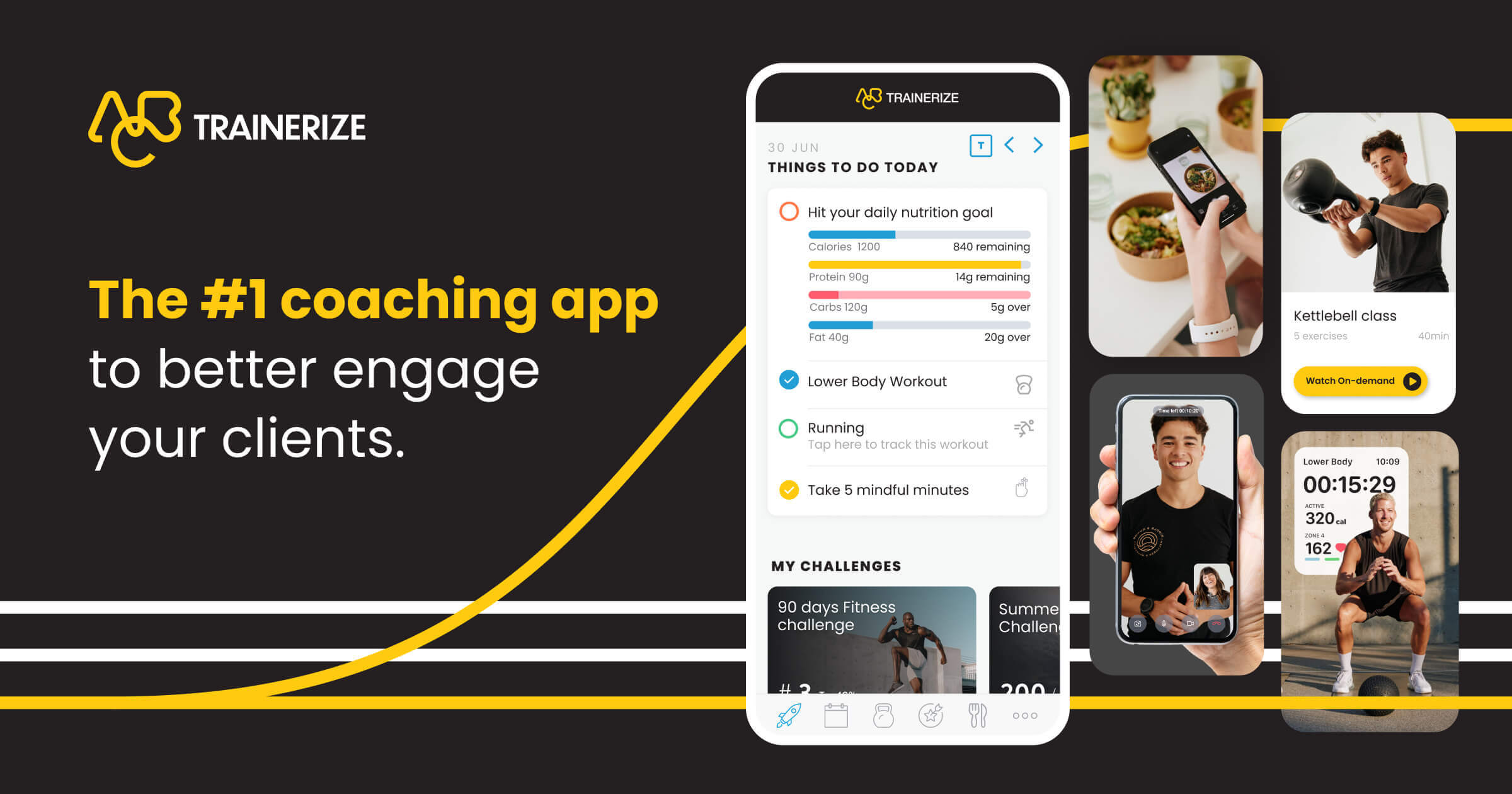
ABC Trainerize is a highly specialised personal training software for fitness coaches, enabling them to deliver tailored fitness programs and track client progress effortlessly. It caters to the unique needs of the fitness industry, facilitating growth by streamlining administrative tasks and enhancing client engagement.
Best for Subscription & Membership Commerce Platforms for Fitness Coaches
Expert Take
ABC Trainerize excels as a specialized platform for fitness coaches, offering tailored solutions that enhance client engagement and streamline business operations. Its market credibility is supported by industry-specific features and integration capabilities, making it a top choice for fitness professionals.
Pros
- Comprehensive workout, nutrition, and habit coaching
- Deep integration with Apple Watch & wearables
- Custom branded mobile apps available
- Scalable pricing starting at $0-$10/mo
- Connects to 8000+ apps via Zapier
Cons
- Not HIPAA compliant (no BAAs)
- Extra fees for payments and video tools
- Advanced nutrition features cost $45/mo
- Occasional app stability and sync glitches
- Limited free plan (1 client only)
Best for teams that are
- Trainers wanting deep wearable integration like Apple Watch
- Coaches offering holistic nutrition, habit, and fitness programming
- Clubs and franchises needing a scalable member engagement app
Skip if
- Solo coaches who find enterprise-level features overwhelming
- Trainers wanting a simple, dedicated check-in system
- Users who dislike complex interfaces with many add-ons
Best for teams that are
- Trainers wanting deep wearable integration like Apple Watch
- Coaches offering holistic nutrition, habit, and fitness programming
- Clubs and franchises needing a scalable member engagement app
Skip if
- Solo coaches who find enterprise-level features overwhelming
- Trainers wanting a simple, dedicated check-in system
- Users who dislike complex interfaces with many add-ons
Pros
- Comprehensive workout, nutrition, and habit coaching
- Deep integration with Apple Watch & wearables
- Custom branded mobile apps available
- Scalable pricing starting at $0-$10/mo
- Connects to 8000+ apps via Zapier
Cons
- Not HIPAA compliant (no BAAs)
- Extra fees for payments and video tools
- Advanced nutrition features cost $45/mo
- Occasional app stability and sync glitches
- Limited free plan (1 client only)
Expert Take
ABC Trainerize excels as a specialized platform for fitness coaches, offering tailored solutions that enhance client engagement and streamline business operations. Its market credibility is supported by industry-specific features and integration capabilities, making it a top choice for fitness professionals.

Eventgroove Platform integrates online ticketing, fundraising tools, and print-on-demand merchandise, ideal for nonprofits hosting hybrid events. It offers flexible, cost-effective solutions without monthly fees, streamlining end-to-end event management.
Best for Subscription & Membership Commerce Platforms for Ecommerce Businesses
Expert Take
Eventgroove stands out by seamlessly merging online ticketing, diverse fundraising tools, and print-on-demand merchandise into a single unified platform. It is especially powerful for nonprofits needing to run hybrid events, offering a flexible fee structure with zero monthly subscriptions. The native ability to fulfill physical custom tickets and merchandise without holding inventory makes it uniquely comprehensive for end-to-end event management.
Pros
- Combines ticketing, fundraising, and ecommerce
- Zero upfront costs or monthly fees
- Exceptional, highly responsive customer support
- Unique print-on-demand physical ticketing integration
Cons
- Platform branding is difficult to remove
- Percentage fees accumulate on high-volume sales
- Advanced seating maps require support setup
Best for teams that are
- Non-profits and event organizers looking to sell tickets online with zero platform fees.
- Organizers of virtual, hybrid, or in-person events needing integrated fundraising tools.
- Charities wanting a unified hub for ticketing, print integration, and live streaming.
Skip if
- Organizers catering to audiences without internet access, if using only digital tickets.
- Events solely focused on large corporate sponsorships where audience sizes remain small.
Best for teams that are
- Non-profits and event organizers looking to sell tickets online with zero platform fees.
- Organizers of virtual, hybrid, or in-person events needing integrated fundraising tools.
- Charities wanting a unified hub for ticketing, print integration, and live streaming.
Skip if
- Organizers catering to audiences without internet access, if using only digital tickets.
- Events solely focused on large corporate sponsorships where audience sizes remain small.
Pros
- Combines ticketing, fundraising, and ecommerce
- Zero upfront costs or monthly fees
- Exceptional, highly responsive customer support
- Unique print-on-demand physical ticketing integration
Cons
- Platform branding is difficult to remove
- Percentage fees accumulate on high-volume sales
- Advanced seating maps require support setup
Expert Take
Eventgroove stands out by seamlessly merging online ticketing, diverse fundraising tools, and print-on-demand merchandise into a single unified platform. It is especially powerful for nonprofits needing to run hybrid events, offering a flexible fee structure with zero monthly subscriptions. The native ability to fulfill physical custom tickets and merchandise without holding inventory makes it uniquely comprehensive for end-to-end event management.
Recurly Subscription Management
Best for Subscription & Membership Commerce Platforms for Digital Marketing Agencies

Recurly is a specialized subscription management and recurring billing platform, tailored for digital marketing agencies. It seamlessly integrates with leading ERP, CRM, and payment gateways, providing a streamlined solution to manage and optimize subscription-based business models.
Best for Subscription & Membership Commerce Platforms for Digital Marketing Agencies
Expert Take
Recurly excels in subscription management for digital marketing agencies with its robust feature set and seamless integrations. While the setup process can be complex, its advanced analytics and multi-gateway support make it a top choice for managing subscription-based revenue streams.
Pros
- Recovered $1.2B in revenue (2023)
- Supports 140+ currencies & 20+ gateways
- Gateway failover prevents lost sales
- PCI Level 1, SOC 2, HIPAA compliant
- Trusted by Paramount+ and Twitch
Cons
- Reporting features can be complex
- Transaction fees added to monthly cost
- Documentation can be inconsistent
- Enterprise pricing is opaque
- Steep learning curve for analytics
Best for teams that are
- Mid-to-enterprise subscription businesses with complex billing needs
- Companies prioritizing churn reduction and revenue recovery tools
- Businesses needing a flexible billing engine that integrates with existing tech
Skip if
- Early-stage startups or small businesses due to high costs
- Merchants needing a full website builder rather than just a billing engine
- Simple physical goods sellers who don't need complex recurring logic
Best for teams that are
- Mid-to-enterprise subscription businesses with complex billing needs
- Companies prioritizing churn reduction and revenue recovery tools
- Businesses needing a flexible billing engine that integrates with existing tech
Skip if
- Early-stage startups or small businesses due to high costs
- Merchants needing a full website builder rather than just a billing engine
- Simple physical goods sellers who don't need complex recurring logic
Pros
- Recovered $1.2B in revenue (2023)
- Supports 140+ currencies & 20+ gateways
- Gateway failover prevents lost sales
- PCI Level 1, SOC 2, HIPAA compliant
- Trusted by Paramount+ and Twitch
Cons
- Reporting features can be complex
- Transaction fees added to monthly cost
- Documentation can be inconsistent
- Enterprise pricing is opaque
- Steep learning curve for analytics
Expert Take
Recurly excels in subscription management for digital marketing agencies with its robust feature set and seamless integrations. While the setup process can be complex, its advanced analytics and multi-gateway support make it a top choice for managing subscription-based revenue streams.
Threecolts Ecommerce Solution
Best for Subscription & Membership Commerce Platforms for Ecommerce Businesses

Threecolts is a SaaS solution specifically designed for ecommerce businesses to maximize their profitability. The platform provides effective tools for pricing optimization, inventory management, and sales and profit tracking, addressing the core needs of subscription and membership commerce platforms.
Best for Subscription & Membership Commerce Platforms for Ecommerce Businesses
Expert Take
Threecolts offers a comprehensive suite of tools tailored for ecommerce businesses, focusing on pricing optimization, inventory management, and sales tracking. Its specialized features for subscription and membership commerce platforms make it a strong contender in its category, despite some limitations in pricing transparency.
Pros
- Bundles 10+ premium apps for $69/mo
- Includes industry-standard Tactical Arbitrage & InventoryLab
- 0% commission reimbursements for <$1M sellers
- Unified dashboard for Amazon & Walmart
- Enterprise-grade financial recovery tools included
Cons
- Significant bugs in InventoryLab List 2.0
- Disjointed integration between acquired apps
- Steep learning curve for complex tools
- Support complaints regarding recent acquisitions
- Tactical Arbitrage requires specific URL formats
Best for teams that are
- Amazon, Walmart, and eBay marketplace sellers seeking to consolidate their software tools.
- Retail and online arbitrage sellers needing automated product sourcing and repricing.
- Amazon FBA businesses wanting to streamline inventory, prep, and shipment workflows.
Skip if
- Private label sellers strictly focused on initial product research and brand launches.
- Merchants who only need a single, simple tool rather than a complex software suite.
- Sellers unwilling to navigate a steep learning curve across multiple applications.
Best for teams that are
- Amazon, Walmart, and eBay marketplace sellers seeking to consolidate their software tools.
- Retail and online arbitrage sellers needing automated product sourcing and repricing.
- Amazon FBA businesses wanting to streamline inventory, prep, and shipment workflows.
Skip if
- Private label sellers strictly focused on initial product research and brand launches.
- Merchants who only need a single, simple tool rather than a complex software suite.
- Sellers unwilling to navigate a steep learning curve across multiple applications.
Pros
- Bundles 10+ premium apps for $69/mo
- Includes industry-standard Tactical Arbitrage & InventoryLab
- 0% commission reimbursements for <$1M sellers
- Unified dashboard for Amazon & Walmart
- Enterprise-grade financial recovery tools included
Cons
- Significant bugs in InventoryLab List 2.0
- Disjointed integration between acquired apps
- Steep learning curve for complex tools
- Support complaints regarding recent acquisitions
- Tactical Arbitrage requires specific URL formats
Expert Take
Threecolts offers a comprehensive suite of tools tailored for ecommerce businesses, focusing on pricing optimization, inventory management, and sales tracking. Its specialized features for subscription and membership commerce platforms make it a strong contender in its category, despite some limitations in pricing transparency.
FastSpring Digital Commerce Platform
Best for Subscription & Membership Commerce Platforms for Digital Marketing Agencies

FastSpring is a digital commerce platform specifically designed for SaaS, software, video games, and online companies. It provides managed payments and subscription services, allowing digital marketing agencies to confidently expand their global reach. Its comprehensive solution caters to the unique needs of agencies in managing subscriptions, improving customer retention, and scaling business operations.
Best for Subscription & Membership Commerce Platforms for Digital Marketing Agencies
Expert Take
FastSpring is a premium digital commerce platform tailored for digital marketing agencies, offering comprehensive subscription management and global payment solutions. Its strong market credibility and usability make it a top choice for agencies managing digital goods.
Pros
- Handles global VAT and sales tax
- Merchant of Record assumes legal liability
- Supports 20+ currencies and languages
- Includes fraud protection and chargeback management
- Trusted by major enterprises like Adobe
Cons
- Higher fees than standard payment processors
- Reports of mandatory $150 risk fee
- Interface described as outdated by users
- No public pricing; requires sales quote
- Strict risk assessment can pause accounts
Best for teams that are
- SaaS and software companies selling digital products globally
- Businesses needing a Merchant of Record to handle global taxes and compliance
- Companies wanting to offload fraud protection and payment liability
Skip if
- Sellers of physical goods requiring complex shipping logistics
- High-volume low-margin businesses avoiding higher MoR transaction fees
- Local merchants who do not need global tax handling features
Best for teams that are
- SaaS and software companies selling digital products globally
- Businesses needing a Merchant of Record to handle global taxes and compliance
- Companies wanting to offload fraud protection and payment liability
Skip if
- Sellers of physical goods requiring complex shipping logistics
- High-volume low-margin businesses avoiding higher MoR transaction fees
- Local merchants who do not need global tax handling features
Pros
- Handles global VAT and sales tax
- Merchant of Record assumes legal liability
- Supports 20+ currencies and languages
- Includes fraud protection and chargeback management
- Trusted by major enterprises like Adobe
Cons
- Higher fees than standard payment processors
- Reports of mandatory $150 risk fee
- Interface described as outdated by users
- No public pricing; requires sales quote
- Strict risk assessment can pause accounts
Expert Take
FastSpring is a premium digital commerce platform tailored for digital marketing agencies, offering comprehensive subscription management and global payment solutions. Its strong market credibility and usability make it a top choice for agencies managing digital goods.

Everfit is an all-inclusive platform specifically designed for fitness and wellness coaches, personal trainers, and gym owners who want to deliver their coaching at scale. The software offers comprehensive features such as workout builder, nutrition and habit tracking, and client messaging to cater to the unique requirements of the fitness industry.
Best for Subscription & Membership Commerce Platforms for Fitness Coaches
Expert Take
Everfit Coaching Platform excels in delivering tailored solutions for fitness professionals, offering comprehensive tools for client management and engagement. Despite limited third-party integrations, its specialized features and client-centric design make it a standout choice in its category.
Pros
- Free plan for up to 5 clients
- Modern, intuitive user interface
- Powerful 'Autoflow' automation for groups
- Integrated nutrition and habit tracking
- Custom branding options available
Cons
- Key features require paid add-ons
- Limited international payment localization
- MyFitnessPal sync requires public diary
- Rigid workout scheduling defaults
- No built-in marketplace for all regions
Best for teams that are
- Coaches wanting powerful automation and habit tracking features
- Studios needing a modern, scalable platform for hybrid training
- Trainers who want to automate client onboarding and messaging
Skip if
- Trainers who want a completely free unlimited client plan
- Businesses needing complex facility hardware integration
- Coaches who prefer manual tracking over automated workflows
Best for teams that are
- Coaches wanting powerful automation and habit tracking features
- Studios needing a modern, scalable platform for hybrid training
- Trainers who want to automate client onboarding and messaging
Skip if
- Trainers who want a completely free unlimited client plan
- Businesses needing complex facility hardware integration
- Coaches who prefer manual tracking over automated workflows
Pros
- Free plan for up to 5 clients
- Modern, intuitive user interface
- Powerful 'Autoflow' automation for groups
- Integrated nutrition and habit tracking
- Custom branding options available
Cons
- Key features require paid add-ons
- Limited international payment localization
- MyFitnessPal sync requires public diary
- Rigid workout scheduling defaults
- No built-in marketplace for all regions
Expert Take
Everfit Coaching Platform excels in delivering tailored solutions for fitness professionals, offering comprehensive tools for client management and engagement. Despite limited third-party integrations, its specialized features and client-centric design make it a standout choice in its category.
Impact.com - Partnership Management
Best for Subscription & Membership Commerce Platforms for Marketing Agencies

Impact.com is designed specifically for marketing agencies managing multiple partnerships. The platform unifies the management of affiliates, influencers, and referrals, enabling streamlined, efficient operations. Its in-depth analytics and automation capabilities help agencies optimize their partnerships, thereby enhancing campaigns and improving ROI.
Best for Subscription & Membership Commerce Platforms for Marketing Agencies
Expert Take
Impact.com excels in providing a comprehensive platform for marketing agencies to manage partnerships efficiently. Its robust analytics and automation capabilities are well-documented, offering significant value. While pricing is custom, the platform's flexibility and support enhance its usability, making it a top choice for agencies.
Pros
- Automates full partnership lifecycle
- Access to 90k+ partner marketplace
- Advanced cross-device tracking
- SOC 1 & ISO 27001 certified
- Native Shopify & Salesforce integrations
Cons
- Steep learning curve for beginners
- Large price gap ($30 to $500)
- Not HIPAA compliant
- Mixed customer support reviews
- Transaction fees on sales
Best for teams that are
- Brands managing diverse partnerships (affiliates, influencers)
- Enterprises scaling partner programs globally
- Companies needing detailed attribution tracking
Skip if
- Small businesses with very low monthly revenue
- Simple referral programs not needing complex tracking
- Teams without dedicated partnership management resources
Best for teams that are
- Brands managing diverse partnerships (affiliates, influencers)
- Enterprises scaling partner programs globally
- Companies needing detailed attribution tracking
Skip if
- Small businesses with very low monthly revenue
- Simple referral programs not needing complex tracking
- Teams without dedicated partnership management resources
Pros
- Automates full partnership lifecycle
- Access to 90k+ partner marketplace
- Advanced cross-device tracking
- SOC 1 & ISO 27001 certified
- Native Shopify & Salesforce integrations
Cons
- Steep learning curve for beginners
- Large price gap ($30 to $500)
- Not HIPAA compliant
- Mixed customer support reviews
- Transaction fees on sales
Expert Take
Impact.com excels in providing a comprehensive platform for marketing agencies to manage partnerships efficiently. Its robust analytics and automation capabilities are well-documented, offering significant value. While pricing is custom, the platform's flexibility and support enhance its usability, making it a top choice for agencies.

My PT Hub is a specialized personal training software solution that empowers fitness coaches to manage and grow their businesses with ease. Its industry-specific features, such as client management, workout and nutrition planning, and progress tracking, address the critical needs of personal trainers in the digital age.
Best for Subscription & Membership Commerce Platforms for Fitness Coaches
Expert Take
My PT Hub stands out in the fitness coaching software market due to its comprehensive feature set tailored for personal trainers. It offers strong client management capabilities, customizable workout plans, and integrated payment systems. The product's usability and support resources further enhance its appeal, making it a top choice for fitness professionals.
Pros
- Unlimited clients and workouts on Premium
- Full White Label app option available
- Integrated payments and packages
- Automated recurring client check-ins
- Direct Apple Watch & Fitbit integration
Cons
- Strict no-refund policy enforced
- Reports of mobile app glitches
- Forms lack flexible recurring scheduling
- White label add-on is expensive
- Support response can be mixed
Best for teams that are
- Trainers with a large client base needing an unlimited pricing model
- Coaches wanting an affordable all-in-one solution
- Trainers needing integrated nutrition and workout tools
Skip if
- Users who prioritize a sleek, bug-free modern user interface
- Coaches who find complex, feature-heavy dashboards overwhelming
- Trainers who want a minimalist, specialized coaching tool
Best for teams that are
- Trainers with a large client base needing an unlimited pricing model
- Coaches wanting an affordable all-in-one solution
- Trainers needing integrated nutrition and workout tools
Skip if
- Users who prioritize a sleek, bug-free modern user interface
- Coaches who find complex, feature-heavy dashboards overwhelming
- Trainers who want a minimalist, specialized coaching tool
Pros
- Unlimited clients and workouts on Premium
- Full White Label app option available
- Integrated payments and packages
- Automated recurring client check-ins
- Direct Apple Watch & Fitbit integration
Cons
- Strict no-refund policy enforced
- Reports of mobile app glitches
- Forms lack flexible recurring scheduling
- White label add-on is expensive
- Support response can be mixed
Expert Take
My PT Hub stands out in the fitness coaching software market due to its comprehensive feature set tailored for personal trainers. It offers strong client management capabilities, customizable workout plans, and integrated payment systems. The product's usability and support resources further enhance its appeal, making it a top choice for fitness professionals.



Loading comparison data…