
NPS & Customer Feedback Platforms
These are the specialized categories within NPS & Customer Feedback Platforms. Looking for something broader? See all Customer Support & Success Software categories.

How big is your team?
What's your budget situation?
What's your team's technical comfort level?
What's the ONE thing this tool must do well?

SurveySparrow enhances customer feedback collection with a conversational UI, ideal for businesses seeking higher survey engagement and seamless omnichannel integration. Its automated workflows enable swift feedback action, transforming NPS data into effective strategies.
Best for Omnichannel Support Ticketing Platforms
Expert Take
SurveySparrow revolutionizes the traditional feedback process by replacing static forms with an engaging, conversational UI that significantly boosts completion rates. We love its omnichannel approach, allowing teams to reach customers seamlessly via WhatsApp, SMS, or embedded in-app surveys. Furthermore, its automated ticketing and workflow features empower organizations to instantly close the feedback loop, turning passive NPS data into actionable customer success strategies.
Pros
- Engaging conversational survey UI
- Omnichannel distribution options
- Enterprise-grade security compliance
- Robust automated ticketing workflows
Cons
- Opaque enterprise pricing models
- API limits on lower tiers
- Expensive dedicated CX suite
Best for teams that are
- SaaS companies needing AI-driven sentiment analysis and automated ticketing.
- Enterprises running multi-channel, automated NPS campaigns at extensive scale.
Skip if
- Teams wanting purely in-app mobile surveys without utilizing other channels.
- Organizations operating in completely offline environments without internet.
Best for teams that are
- SaaS companies needing AI-driven sentiment analysis and automated ticketing.
- Enterprises running multi-channel, automated NPS campaigns at extensive scale.
Skip if
- Teams wanting purely in-app mobile surveys without utilizing other channels.
- Organizations operating in completely offline environments without internet.
Pros
- Engaging conversational survey UI
- Omnichannel distribution options
- Enterprise-grade security compliance
- Robust automated ticketing workflows
Cons
- Opaque enterprise pricing models
- API limits on lower tiers
- Expensive dedicated CX suite
Expert Take
SurveySparrow revolutionizes the traditional feedback process by replacing static forms with an engaging, conversational UI that significantly boosts completion rates. We love its omnichannel approach, allowing teams to reach customers seamlessly via WhatsApp, SMS, or embedded in-app surveys. Furthermore, its automated ticketing and workflow features empower organizations to instantly close the feedback loop, turning passive NPS data into actionable customer success strategies.

This software is particularly suited to the customer support and success industry due to its focus on enhancing the omnichannel experience. It caters to an industry where quick, efficient and effective customer service is paramount by simplifying support operations and providing an integrated ticket management system.
Best for Omnichannel Support Ticketing Platforms
Expert Take
CloudOffix Helpdesk Cloud excels in providing a comprehensive omnichannel support solution with a focus on efficient ticket management and user-friendly customization. Its market credibility is supported by third-party recognitions, and it offers strong integration capabilities, making it a top choice in its category.
Pros
- Concurrent licensing model reduces costs
- Unified 'Total Experience' platform eliminates silos
- Native AI with ChatGPT integration
- Low-code App Builder for customization
- Omnichannel support (Email, Chat, Social)
Cons
- Very few verified third-party reviews
- Smaller integration marketplace than competitors
- Potential learning curve for customization
- Brand recognition lower than market leaders
- Advanced features still developing
Best for teams that are
- Businesses seeking a unified CRM that integrates support, sales, and HR.
- Organizations wanting highly customizable, low-code cloud workflow solutions.
Skip if
- Companies looking for a standalone, lightweight helpdesk solution.
- Teams without the time or resources to invest in initial setup and training.
Best for teams that are
- Businesses seeking a unified CRM that integrates support, sales, and HR.
- Organizations wanting highly customizable, low-code cloud workflow solutions.
Skip if
- Companies looking for a standalone, lightweight helpdesk solution.
- Teams without the time or resources to invest in initial setup and training.
Pros
- Concurrent licensing model reduces costs
- Unified 'Total Experience' platform eliminates silos
- Native AI with ChatGPT integration
- Low-code App Builder for customization
- Omnichannel support (Email, Chat, Social)
Cons
- Very few verified third-party reviews
- Smaller integration marketplace than competitors
- Potential learning curve for customization
- Brand recognition lower than market leaders
- Advanced features still developing
Expert Take
CloudOffix Helpdesk Cloud excels in providing a comprehensive omnichannel support solution with a focus on efficient ticket management and user-friendly customization. Its market credibility is supported by third-party recognitions, and it offers strong integration capabilities, making it a top choice in its category.

Designed for HR, marketing, and CX teams, SurveySparrow transforms static forms into engaging conversational surveys, boosting completion rates by up to 40%. It offers enterprise features like 360-degree assessments and is HIPAA compliant.
Best for Omnichannel Support Ticketing Platforms
Expert Take
SurveySparrow breathes life into the traditionally mundane world of data collection by transforming static forms into highly engaging, conversational experiences. Backed by claims of increasing completion rates by up to 40%, it combines an incredibly intuitive UI with enterprise-grade features like 360-degree assessments, offline surveys, and HIPAA compliance. It is an excellent choice for HR, marketing, and CX teams looking to maximize respondent engagement without sacrificing analytical depth.
Pros
- Conversational UI boosts completion rates by 40%
- Supports offline data collection via mobile app
- Comprehensive 360-degree employee assessment tools
- SOC 2, ISO 27001, and HIPAA compliant
- Over 1,500 integrations including Salesforce and HubSpot
Cons
- Higher-tier pricing requires contacting sales
- API access is heavily restricted on basic plans
- No self-hosting option for strict data sovereignty
- Occasional lag when handling very large surveys
Best for teams that are
- Market researchers and product teams wanting engaging conversational surveys.
- Businesses focusing on achieving high user engagement and response rates.
Skip if
- Developers needing complete open API access on entry-level subscription plans.
- Companies with high-volume data collection needs deterred by capped responses.
Best for teams that are
- Market researchers and product teams wanting engaging conversational surveys.
- Businesses focusing on achieving high user engagement and response rates.
Skip if
- Developers needing complete open API access on entry-level subscription plans.
- Companies with high-volume data collection needs deterred by capped responses.
Pros
- Conversational UI boosts completion rates by 40%
- Supports offline data collection via mobile app
- Comprehensive 360-degree employee assessment tools
- SOC 2, ISO 27001, and HIPAA compliant
- Over 1,500 integrations including Salesforce and HubSpot
Cons
- Higher-tier pricing requires contacting sales
- API access is heavily restricted on basic plans
- No self-hosting option for strict data sovereignty
- Occasional lag when handling very large surveys
Expert Take
SurveySparrow breathes life into the traditionally mundane world of data collection by transforming static forms into highly engaging, conversational experiences. Backed by claims of increasing completion rates by up to 40%, it combines an incredibly intuitive UI with enterprise-grade features like 360-degree assessments, offline surveys, and HIPAA compliance. It is an excellent choice for HR, marketing, and CX teams looking to maximize respondent engagement without sacrificing analytical depth.

TeamSupport's Omnichannel Support software is a robust solution designed to meet customers where they are across multiple platforms. It integrates seamlessly with support and chat platforms, making it an ideal choice for enterprises seeking to enhance customer service and satisfaction.
Best for Omnichannel Support Ticketing Platforms
Expert Take
TeamSupport Omnichannel Support excels in providing a comprehensive platform for managing customer interactions across multiple channels. Its integration capabilities, real-time analytics, and advanced ticketing system make it a strong contender in the omnichannel support space. While it may require some training, its features and enterprise-level support justify its positioning as a best-of-the-best product.
Pros
- Customer Distress Index predicts churn
- Native B2B account-based architecture
- HIPAA compliant with BAA available
- Transparent tiered pricing structure
- Strong Salesforce & Jira integrations
Cons
- User interface reported as outdated
- Mobile app performance issues
- Live chat is a paid add-on
- Search functionality can be limited
- Steeper learning curve for new users
Best for teams that are
- B2B companies managing complex, account-level customer relationships.
- SaaS support teams needing product-level tracking and health scoring.
Skip if
- High-volume B2C support teams dealing primarily with individual consumers.
- Small businesses seeking a low-cost or free helpdesk option.
Best for teams that are
- B2B companies managing complex, account-level customer relationships.
- SaaS support teams needing product-level tracking and health scoring.
Skip if
- High-volume B2C support teams dealing primarily with individual consumers.
- Small businesses seeking a low-cost or free helpdesk option.
Pros
- Customer Distress Index predicts churn
- Native B2B account-based architecture
- HIPAA compliant with BAA available
- Transparent tiered pricing structure
- Strong Salesforce & Jira integrations
Cons
- User interface reported as outdated
- Mobile app performance issues
- Live chat is a paid add-on
- Search functionality can be limited
- Steeper learning curve for new users
Expert Take
TeamSupport Omnichannel Support excels in providing a comprehensive platform for managing customer interactions across multiple channels. Its integration capabilities, real-time analytics, and advanced ticketing system make it a strong contender in the omnichannel support space. While it may require some training, its features and enterprise-level support justify its positioning as a best-of-the-best product.
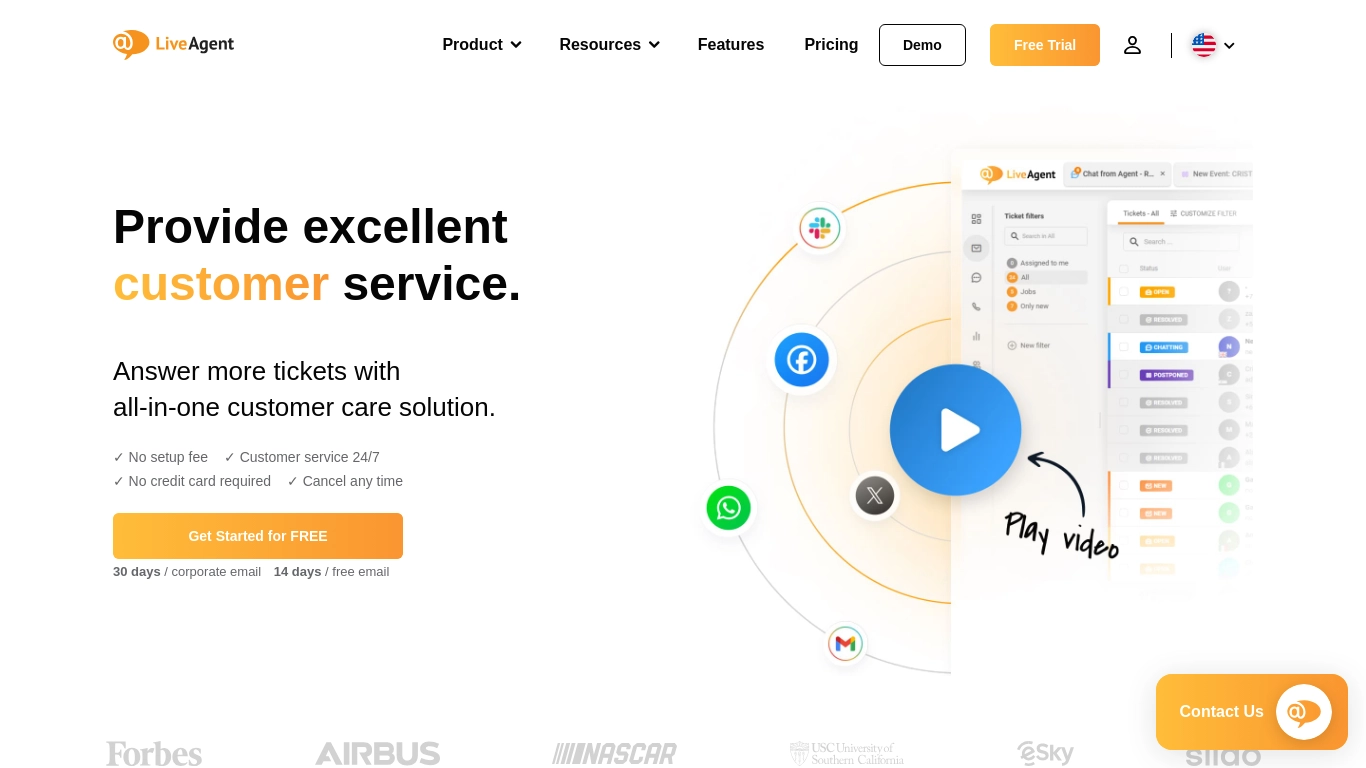
LiveAgent is a simplified customer support software specifically designed for teams. It addresses the needs of the industry by offering a unified platform that collects communication from various channels and organizes it systematically. This feature makes it easier for customer support teams to track, manage, and respond to customer queries in a timely manner.
Best for Omnichannel Support Ticketing Platforms
Expert Take
LiveAgent excels as an omnichannel support ticketing platform with strong capabilities in integration and usability. It offers extensive integration options and a unified platform for managing customer interactions, which are crucial for efficient support operations. Despite some limitations in customization and social media monitoring, it remains a top choice for customer support teams.
Pros
- Built-in call center with IVR and recording
- Universal inbox consolidates all channels
- Transparent and affordable per-agent pricing
- 24/7 customer support included
- Unlimited ticket history on paid plans
Cons
- Mobile app reported as buggy and limited
- Social media integrations cost extra on low tiers
- User interface described as dated/clunky
- AI features require own API key
- No native SOC 2 certification
Best for teams that are
- Mid-to-large businesses needing unified omnichannel support with built-in chat.
- Startups seeking a budget-friendly multi-channel system with strong live chat.
Skip if
- Small teams wanting a basic inbox without a steep learning curve.
- Businesses looking to avoid extra costs for social media and AI add-ons.
Best for teams that are
- Mid-to-large businesses needing unified omnichannel support with built-in chat.
- Startups seeking a budget-friendly multi-channel system with strong live chat.
Skip if
- Small teams wanting a basic inbox without a steep learning curve.
- Businesses looking to avoid extra costs for social media and AI add-ons.
Pros
- Built-in call center with IVR and recording
- Universal inbox consolidates all channels
- Transparent and affordable per-agent pricing
- 24/7 customer support included
- Unlimited ticket history on paid plans
Cons
- Mobile app reported as buggy and limited
- Social media integrations cost extra on low tiers
- User interface described as dated/clunky
- AI features require own API key
- No native SOC 2 certification
Expert Take
LiveAgent excels as an omnichannel support ticketing platform with strong capabilities in integration and usability. It offers extensive integration options and a unified platform for managing customer interactions, which are crucial for efficient support operations. Despite some limitations in customization and social media monitoring, it remains a top choice for customer support teams.

HappyFox is a robust AI-based support platform designed for Customer Support, IT, and Operations teams. It offers highly customizable ticketing, support center, workflows, automation, and reporting tools to effectively manage customer interactions across multiple channels. Tailored to the specific needs of this industry, it brings efficiency, speed, and customer satisfaction to the forefront of your operations.
Best for Omnichannel Support Ticketing Platforms
Expert Take
HappyFox AI Support Platform excels in providing a comprehensive omnichannel support ticketing solution with strong capabilities in automation and customization. It is recognized for its efficiency and customer satisfaction focus, making it a top choice for support teams. However, limited third-party integrations and potential complexity in setup are noted tradeoffs.
Pros
- Strong compliance (SOC 2, HIPAA, GDPR)
- Omnichannel ticket management (Email, Chat, Social)
- AI deflection via Assist AI (60% goal)
- Robust automation with Smart Rules & SLAs
- Unlimited Agent pricing model available
Cons
- Fragmented pricing with multiple paid add-ons
- Strict ticket volume caps on unlimited plans
- Clunky Knowledge Base editor interface
- Advanced features locked behind high tiers
- No free plan (only 14-day trial)
Best for teams that are
- Growing mid-market teams needing robust SLA enforcement and automated routing.
- Ecommerce stores scaling high-volume support teams and repetitive queries.
Skip if
- Small startups seeking free or highly budget-friendly pricing plans.
- Teams lacking dedicated IT support for complex initial platform configuration.
Best for teams that are
- Growing mid-market teams needing robust SLA enforcement and automated routing.
- Ecommerce stores scaling high-volume support teams and repetitive queries.
Skip if
- Small startups seeking free or highly budget-friendly pricing plans.
- Teams lacking dedicated IT support for complex initial platform configuration.
Pros
- Strong compliance (SOC 2, HIPAA, GDPR)
- Omnichannel ticket management (Email, Chat, Social)
- AI deflection via Assist AI (60% goal)
- Robust automation with Smart Rules & SLAs
- Unlimited Agent pricing model available
Cons
- Fragmented pricing with multiple paid add-ons
- Strict ticket volume caps on unlimited plans
- Clunky Knowledge Base editor interface
- Advanced features locked behind high tiers
- No free plan (only 14-day trial)
Expert Take
HappyFox AI Support Platform excels in providing a comprehensive omnichannel support ticketing solution with strong capabilities in automation and customization. It is recognized for its efficiency and customer satisfaction focus, making it a top choice for support teams. However, limited third-party integrations and potential complexity in setup are noted tradeoffs.
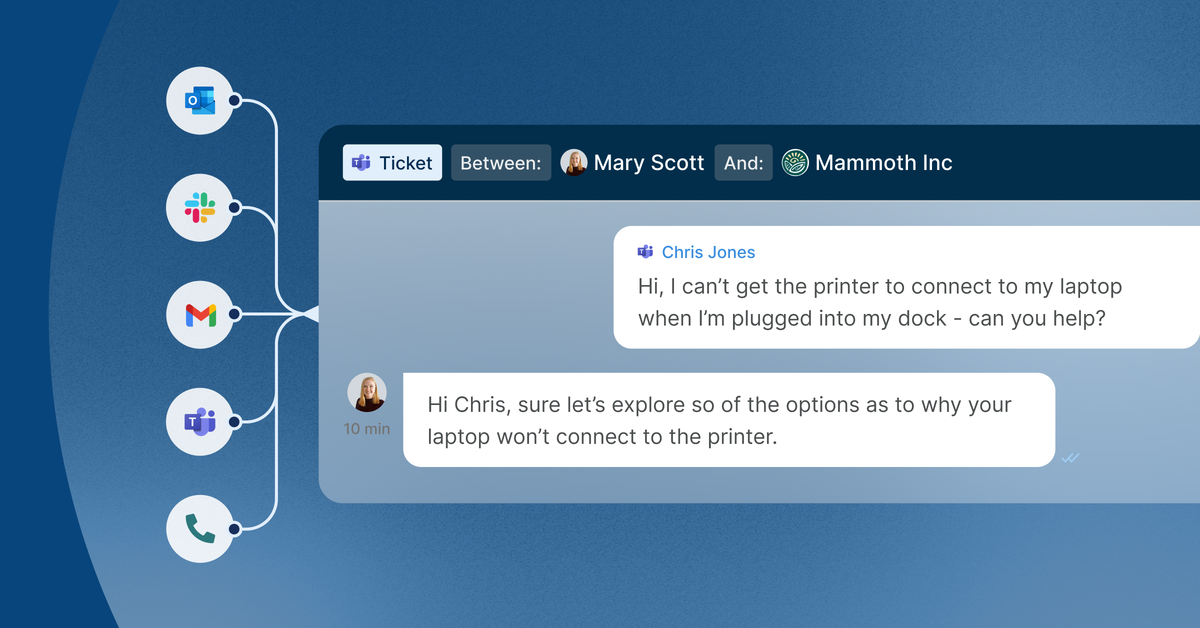
Deskpro is a dynamic omnichannel help desk solution tailored to deliver memorable customer experiences across all channels. It addresses the unique needs of the industry by offering a flexible platform that can cater to both external and internal users, enhancing customer support and success.
Best for Omnichannel Support Ticketing Platforms
Expert Take
Deskpro Omnichannel Help Desk is a premier solution in the omnichannel support ticketing platform category, offering extensive capabilities and integrations. It is recognized for its flexibility and ability to enhance customer experiences across multiple channels, making it a top choice for enterprises seeking comprehensive support solutions.
Pros
- Rare on-premise and air-gapped deployment
- HIPAA, SOC 2, and ISO 27001 certified
- Private AI keeps data secure
- True omnichannel (Voice, SMS, Social)
- Highly customizable ticketing workflows
Cons
- Steeper learning curve than competitors
- Interface described as dated/complex
- No free plan available
- Mobile app performance issues
- Reporting tools can be difficult
Best for teams that are
- Regulated industries needing strict on-premise or private cloud hosting.
- Mid-to-large organizations requiring robust multi-channel support interfaces.
Skip if
- Smaller teams seeking a simple, out-of-the-box setup without a learning curve.
- Multilingual environments needing strong built-in localization out of the box.
Best for teams that are
- Regulated industries needing strict on-premise or private cloud hosting.
- Mid-to-large organizations requiring robust multi-channel support interfaces.
Skip if
- Smaller teams seeking a simple, out-of-the-box setup without a learning curve.
- Multilingual environments needing strong built-in localization out of the box.
Pros
- Rare on-premise and air-gapped deployment
- HIPAA, SOC 2, and ISO 27001 certified
- Private AI keeps data secure
- True omnichannel (Voice, SMS, Social)
- Highly customizable ticketing workflows
Cons
- Steeper learning curve than competitors
- Interface described as dated/complex
- No free plan available
- Mobile app performance issues
- Reporting tools can be difficult
Expert Take
Deskpro Omnichannel Help Desk is a premier solution in the omnichannel support ticketing platform category, offering extensive capabilities and integrations. It is recognized for its flexibility and ability to enhance customer experiences across multiple channels, making it a top choice for enterprises seeking comprehensive support solutions.
Zoho Desk provides an efficient omnichannel support ticketing system designed specifically for customer service industry. It allows teams to track, prioritize, and automate customer inquiries, ensuring no request goes unnoticed and every customer gets a timely, appropriate response. Its in-depth reporting and analytics tools offer insights to improve performance and customer satisfaction.
Best for Omnichannel Support Ticketing Platforms
Expert Take
Zoho Desk Omnichannel Support is a leading solution in the omnichannel support ticketing space due to its comprehensive feature set, including automated ticket management and advanced analytics. It is recognized for its scalability and ability to provide valuable insights, making it a top choice for data-driven customer service operations.
Pros
- Generous free plan for 3 agents
- Unbeatable price-to-value ratio
- Deep integration with Zoho ecosystem
- HIPAA and SOC 2 compliant
- Omnichannel support including social media
Cons
- Steep learning curve for beginners
- Interface described as cluttered
- Advanced AI locked to Enterprise
- Mobile app has limited functionality
- Complex setup for advanced workflows
Best for teams that are
- Small to mid-sized teams wanting affordable omnichannel support.
- Companies heavily invested in the broader Zoho application ecosystem.
Skip if
- Enterprise teams needing highly complex, custom workflow configurations.
- Teams wanting advanced AI features without paying for top-tier plans.
Best for teams that are
- Small to mid-sized teams wanting affordable omnichannel support.
- Companies heavily invested in the broader Zoho application ecosystem.
Skip if
- Enterprise teams needing highly complex, custom workflow configurations.
- Teams wanting advanced AI features without paying for top-tier plans.
Pros
- Generous free plan for 3 agents
- Unbeatable price-to-value ratio
- Deep integration with Zoho ecosystem
- HIPAA and SOC 2 compliant
- Omnichannel support including social media
Cons
- Steep learning curve for beginners
- Interface described as cluttered
- Advanced AI locked to Enterprise
- Mobile app has limited functionality
- Complex setup for advanced workflows
Expert Take
Zoho Desk Omnichannel Support is a leading solution in the omnichannel support ticketing space due to its comprehensive feature set, including automated ticket management and advanced analytics. It is recognized for its scalability and ability to provide valuable insights, making it a top choice for data-driven customer service operations.
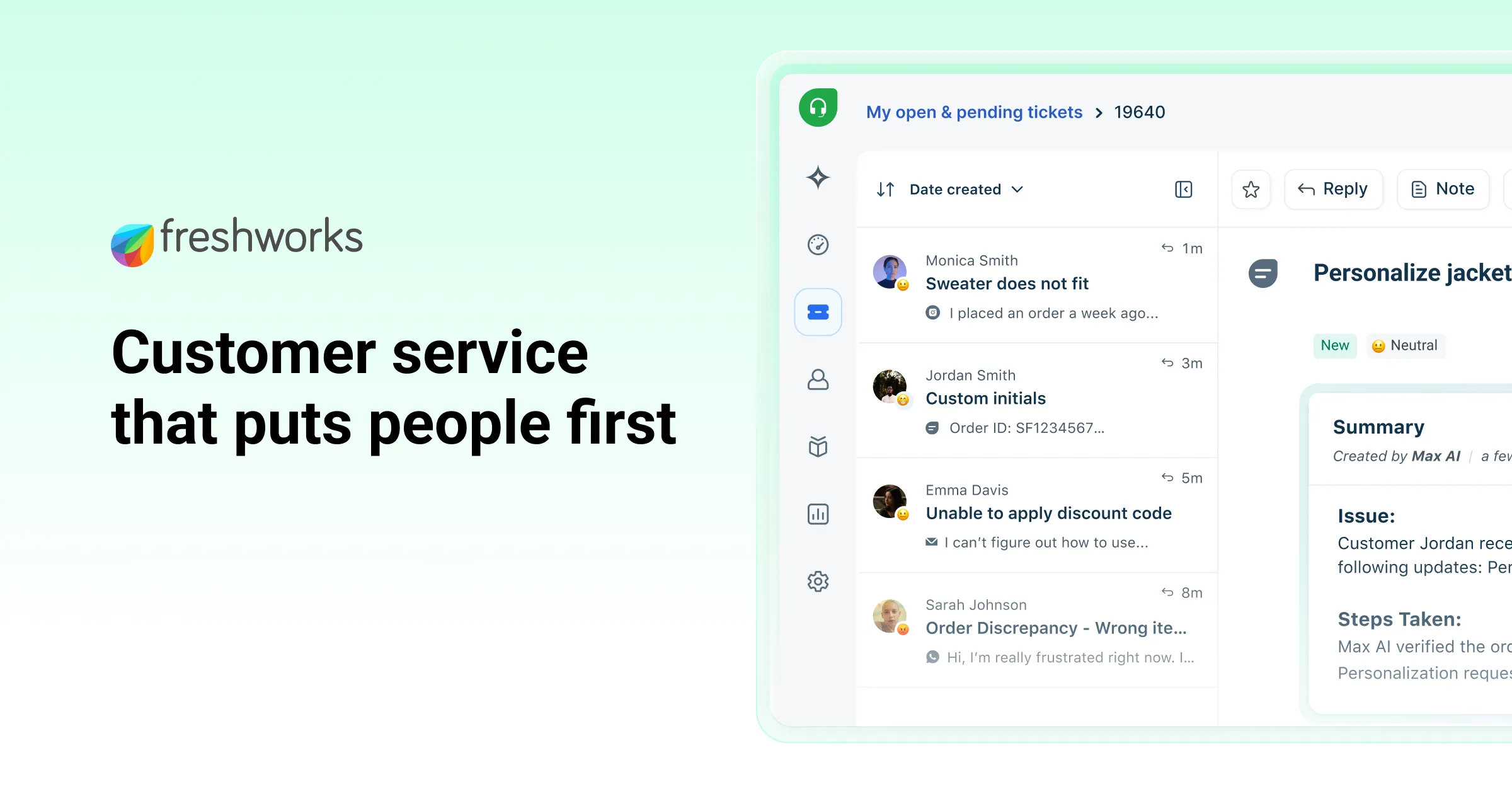
Freshdesk Omni is a comprehensive omnichannel support software, designed to streamline and increase productivity in customer interactions. Its AI-powered chatbots and ticketing system address the industry needs for efficient, round-the-clock customer support that can handle high volumes of queries.
Best for Omnichannel Support Ticketing Platforms
Expert Take
Freshdesk Omni excels as an omnichannel support platform with robust AI-driven capabilities and a comprehensive ticketing system. Its market credibility is reinforced by third-party recognitions and partnerships, while its usability and pricing transparency are well-documented. The product's integration ecosystem and security measures further enhance its standing as a top-tier solution.
Pros
- Unified inbox for email, chat, phone, social
- Intuitive interface with minimal learning curve
- Marketplace with over 1,000 integrations
- HIPAA compliant with BAA available
- Free trial available for Enterprise plan
Cons
- AI features require expensive separate add-ons
- Ticket threading logic causes duplicate tickets
- Mobile app lacks full desktop functionality
- Advanced reporting locked to higher tiers
- Support response times can be inconsistent
Best for teams that are
- Small to mid-sized businesses wanting an intuitive setup and affordable pricing.
- Startups seeking a robust free-forever tier for basic helpdesk ticketing.
Skip if
- Massive enterprises requiring deep, granular customization of their helpdesk.
- Teams needing advanced automation and analytics on budget-friendly plans.
Best for teams that are
- Small to mid-sized businesses wanting an intuitive setup and affordable pricing.
- Startups seeking a robust free-forever tier for basic helpdesk ticketing.
Skip if
- Massive enterprises requiring deep, granular customization of their helpdesk.
- Teams needing advanced automation and analytics on budget-friendly plans.
Pros
- Unified inbox for email, chat, phone, social
- Intuitive interface with minimal learning curve
- Marketplace with over 1,000 integrations
- HIPAA compliant with BAA available
- Free trial available for Enterprise plan
Cons
- AI features require expensive separate add-ons
- Ticket threading logic causes duplicate tickets
- Mobile app lacks full desktop functionality
- Advanced reporting locked to higher tiers
- Support response times can be inconsistent
Expert Take
Freshdesk Omni excels as an omnichannel support platform with robust AI-driven capabilities and a comprehensive ticketing system. Its market credibility is reinforced by third-party recognitions and partnerships, while its usability and pricing transparency are well-documented. The product's integration ecosystem and security measures further enhance its standing as a top-tier solution.
Explore Categories

Loading comparison data…