
Ecommerce Store Builders
These are the specialized categories within Ecommerce Store Builders. Looking for something broader? See all Ecommerce & Retail Software categories.

Duda is a highly customizable and scalable eCommerce website builder, perfect for eCommerce brands looking to cut down production time while maintaining brand quality. Its robust features are specifically tailored to alleviate common pain points in the industry, such as production time, personalization, and scalability.
Best for E-commerce Store Builders for Ecommerce Brands
Expert Take
Duda eCommerce Builder excels in providing a customizable and scalable platform tailored for eCommerce brands. Its focus on reducing production time while maintaining brand quality makes it a strong contender in the eCommerce store builder category. The platform's capabilities are supported by its integration options and industry recognition.
Pros
- Industry-leading Core Web Vitals performance
- Comprehensive white-labeling for agencies
- Granular client permission controls
- Server-side rendering for better SEO
- No transaction fees on native plans
Cons
- eCommerce requires paid monthly add-on
- Smaller app ecosystem than Shopify
- Native store lacks some POS features
- Migration between store types is manual
- Higher cost for single-site users
Best for teams that are
- Agencies and freelancers building websites for multiple clients
- Businesses needing white-label tools and client management features
- Users prioritizing site speed and Core Web Vitals performance
Skip if
- Individual DIYers looking for the cheapest single-site solution
- Merchants needing a massive third-party app marketplace
- Users who want full code access to the backend
Best for teams that are
- Agencies and freelancers building websites for multiple clients
- Businesses needing white-label tools and client management features
- Users prioritizing site speed and Core Web Vitals performance
Skip if
- Individual DIYers looking for the cheapest single-site solution
- Merchants needing a massive third-party app marketplace
- Users who want full code access to the backend
Pros
- Industry-leading Core Web Vitals performance
- Comprehensive white-labeling for agencies
- Granular client permission controls
- Server-side rendering for better SEO
- No transaction fees on native plans
Cons
- eCommerce requires paid monthly add-on
- Smaller app ecosystem than Shopify
- Native store lacks some POS features
- Migration between store types is manual
- Higher cost for single-site users
Expert Take
Duda eCommerce Builder excels in providing a customizable and scalable platform tailored for eCommerce brands. Its focus on reducing production time while maintaining brand quality makes it a strong contender in the eCommerce store builder category. The platform's capabilities are supported by its integration options and industry recognition.
Ecwid Ecommerce Store Builder

Ecwid is a robust online store builder designed to empower e-commerce businesses by offering seamless inventory management, order handling, payment processing, and shipping services. It is particularly beneficial in the industry due to its zero transaction fees policy, allowing retailers to keep all earnings, thus enhancing their profitability.
Best for E-commerce Store Builders for Ecommerce Businesses
Expert Take
Ecwid is a versatile e-commerce store builder that offers comprehensive features without transaction fees, making it highly attractive to profit-focused businesses. Its ability to integrate with existing websites and provide mobile management capabilities further enhances its usability and appeal.
Pros
- Embeds into any existing website
- No transaction fees on any plan
- PCI DSS Level 1 Certified
- Multichannel selling (Social & Marketplaces)
- POS integrations with Square/Clover
Cons
- Free plan discontinued (now paid Starter)
- Phone support locked to higher tiers
- No built-in blogging platform
- SEO tools less robust than competitors
- Instant Site design is basic
Best for teams that are
- Users adding a store to an existing website
- Small businesses selling primarily on social media
- Beginners wanting a free plan for very few products
Skip if
- Large stores needing a standalone website builder
- SEO-focused businesses due to URL limitations
- Users needing full design control over the storefront
Best for teams that are
- Users adding a store to an existing website
- Small businesses selling primarily on social media
- Beginners wanting a free plan for very few products
Skip if
- Large stores needing a standalone website builder
- SEO-focused businesses due to URL limitations
- Users needing full design control over the storefront
Pros
- Embeds into any existing website
- No transaction fees on any plan
- PCI DSS Level 1 Certified
- Multichannel selling (Social & Marketplaces)
- POS integrations with Square/Clover
Cons
- Free plan discontinued (now paid Starter)
- Phone support locked to higher tiers
- No built-in blogging platform
- SEO tools less robust than competitors
- Instant Site design is basic
Expert Take
Ecwid is a versatile e-commerce store builder that offers comprehensive features without transaction fees, making it highly attractive to profit-focused businesses. Its ability to integrate with existing websites and provide mobile management capabilities further enhances its usability and appeal.
Duda - AI-Ready Website Platform

Duda is an intuitive, AI-driven website builder designed specifically for ecommerce businesses. It enables professionals to build and sell high-converting websites at scale, addressing the need for quick, efficient, and effective online store creation. Its white label capabilities allow businesses to create a branded, personalized e-commerce experience.
Best for E-commerce Store Builders for Ecommerce Businesses
Expert Take
Duda excels as a premium e-commerce store builder with its AI-driven design capabilities, white-label features, and mobile-friendly interface. It is recognized for its scalability and customization options, making it a top choice for professionals. However, its limited built-in analytics and potential cost for small businesses are noted tradeoffs.
Pros
- 80% Core Web Vitals pass rate
- Full white-labeling for agencies
- AI-powered SEO and content tools
- Built-in client management portal
- Enterprise-grade AWS hosting included
Cons
- Per-site pricing scales costs quickly
- No extensive third-party app store
- eCommerce requires paid add-on
- No permanent free plan available
- Less creative freedom than Webflow
Best for teams that are
- Agencies and freelancers managing multiple client sites
- Professionals needing white-label client tools
- Users prioritizing site speed and Core Web Vitals
Skip if
- Individual DIYers on a tight budget
- Bloggers needing advanced publishing features
- Stores needing a massive third-party app marketplace
Best for teams that are
- Agencies and freelancers managing multiple client sites
- Professionals needing white-label client tools
- Users prioritizing site speed and Core Web Vitals
Skip if
- Individual DIYers on a tight budget
- Bloggers needing advanced publishing features
- Stores needing a massive third-party app marketplace
Pros
- 80% Core Web Vitals pass rate
- Full white-labeling for agencies
- AI-powered SEO and content tools
- Built-in client management portal
- Enterprise-grade AWS hosting included
Cons
- Per-site pricing scales costs quickly
- No extensive third-party app store
- eCommerce requires paid add-on
- No permanent free plan available
- Less creative freedom than Webflow
Expert Take
Duda excels as a premium e-commerce store builder with its AI-driven design capabilities, white-label features, and mobile-friendly interface. It is recognized for its scalability and customization options, making it a top choice for professionals. However, its limited built-in analytics and potential cost for small businesses are noted tradeoffs.
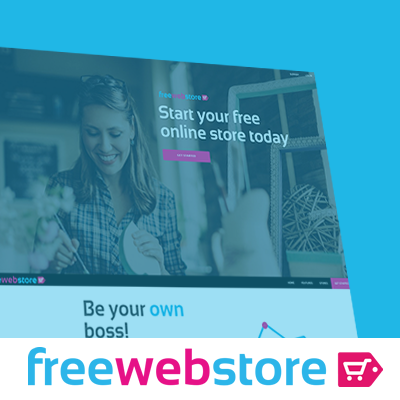
FreeWebStore is a robust and cost-effective solution for business owners looking to establish an online presence. It provides a host of free tools to build online stores, including SSL, a hosted website, and secure cart, specifically tailored to serve the needs of eCommerce industry professionals.
Best for E-commerce Store Builders for Ecommerce Stores
Expert Take
FreeWebStore eCommerce stands out in its category by offering a completely free platform with essential features like SSL and secure cart, making it accessible for small businesses. While it lacks advanced features for larger stores, its user-friendly interface and cost-effectiveness make it a strong contender for new eCommerce ventures.
Pros
- Free forever plan with unlimited products
- Supports 20+ payment gateways
- 0% commission fees on sales
- Includes free SSL certificate
- Integrated with PayPal Commerce Platform
Cons
- Free plan limited to $30k turnover
- Support restricted to AI Bot on free tier
- Fair usage limits on bandwidth (50GB)
- Ads displayed on free store footer
- No blog or staff accounts on free plan
Best for teams that are
- Hobbyists or startups with absolutely zero budget
- Users testing a product idea with minimal risk
- Micro-stores with very small product catalogs
Skip if
- Growing businesses expecting high revenue turnover
- Merchants needing advanced marketing or phone support
- Sellers requiring a modern, highly polished storefront
Best for teams that are
- Hobbyists or startups with absolutely zero budget
- Users testing a product idea with minimal risk
- Micro-stores with very small product catalogs
Skip if
- Growing businesses expecting high revenue turnover
- Merchants needing advanced marketing or phone support
- Sellers requiring a modern, highly polished storefront
Pros
- Free forever plan with unlimited products
- Supports 20+ payment gateways
- 0% commission fees on sales
- Includes free SSL certificate
- Integrated with PayPal Commerce Platform
Cons
- Free plan limited to $30k turnover
- Support restricted to AI Bot on free tier
- Fair usage limits on bandwidth (50GB)
- Ads displayed on free store footer
- No blog or staff accounts on free plan
Expert Take
FreeWebStore eCommerce stands out in its category by offering a completely free platform with essential features like SSL and secure cart, making it accessible for small businesses. While it lacks advanced features for larger stores, its user-friendly interface and cost-effectiveness make it a strong contender for new eCommerce ventures.

Weebly is an intuitive and user-friendly SaaS solution designed specifically for ecommerce brands looking to establish an online presence. It offers customizable templates, domain services, and easy-to-use tools to create an ecommerce store, blog, or website, addressing the unique needs of the ecommerce industry.
Best for E-commerce Store Builders for Ecommerce Brands
Expert Take
Weebly Website Builder is recognized for its user-friendly interface and affordability, making it accessible for ecommerce brands without technical expertise. Its customizable templates and integrated tools support ecommerce functionality, while third-party validations affirm its market credibility.
Pros
- Free plan includes ecommerce capabilities
- Intuitive drag-and-drop interface
- Seamless Square POS integration
- Unlimited storage on paid plans
- Mobile-responsive themes included
Cons
- Outdated template designs
- Limited design customization flexibility
- No AI website building tools
- Transaction fees on Pro plan
- Platform innovation has stagnated
Best for teams that are
- Small businesses looking for a simple, affordable store builder
- Users already integrated with the Square payment ecosystem
- Beginners who need a straightforward drag-and-drop interface
Skip if
- Businesses needing modern designs or advanced customization
- Growing stores requiring complex features or extensive app integrations
- Users concerned about the platform's slow development pace
Best for teams that are
- Small businesses looking for a simple, affordable store builder
- Users already integrated with the Square payment ecosystem
- Beginners who need a straightforward drag-and-drop interface
Skip if
- Businesses needing modern designs or advanced customization
- Growing stores requiring complex features or extensive app integrations
- Users concerned about the platform's slow development pace
Pros
- Free plan includes ecommerce capabilities
- Intuitive drag-and-drop interface
- Seamless Square POS integration
- Unlimited storage on paid plans
- Mobile-responsive themes included
Cons
- Outdated template designs
- Limited design customization flexibility
- No AI website building tools
- Transaction fees on Pro plan
- Platform innovation has stagnated
Expert Take
Weebly Website Builder is recognized for its user-friendly interface and affordability, making it accessible for ecommerce brands without technical expertise. Its customizable templates and integrated tools support ecommerce functionality, while third-party validations affirm its market credibility.
Hostinger Ecommerce Website Builder

Hostinger's Ecommerce Website Builder is a comprehensive solution for ecommerce businesses looking to start or scale their online presence. It employs an AI-powered store builder which can generate an ecommerce site in less than a minute, or users can pick from 150 designer-crafted and fully customizable templates. It specifically addresses the industry's need for quick, efficient, and customized online store creation.
Best for E-commerce Store Builders for Ecommerce Businesses
Expert Take
Hostinger's Ecommerce Website Builder excels in providing an affordable and user-friendly platform for small to medium-sized businesses. Its AI-powered capabilities and extensive template library offer significant customization and quick deployment options. While it may lack some advanced features for larger enterprises, its value proposition and ease of use make it a top choice in its category.
Pros
- Zero transaction fees on all sales
- AI-powered website creation in minutes
- Extremely affordable starting price (~$2.99/mo)
- Fastest loading speeds via LiteSpeed servers
- Built-in Printful integration for print-on-demand
Cons
- No third-party app store available
- Strict product limit (max 1,000 items)
- Difficult 301 redirect management
- Cannot switch templates after going live
- Renewal prices increase significantly
Best for teams that are
- Budget-conscious beginners seeking low entry prices
- Small stores with limited product catalogs
- Users wanting AI tools to generate sites quickly
Skip if
- Complex stores needing dynamic filtering or logic
- Scaling businesses expecting rapid growth
- Advanced users wanting a vast app ecosystem
Best for teams that are
- Budget-conscious beginners seeking low entry prices
- Small stores with limited product catalogs
- Users wanting AI tools to generate sites quickly
Skip if
- Complex stores needing dynamic filtering or logic
- Scaling businesses expecting rapid growth
- Advanced users wanting a vast app ecosystem
Pros
- Zero transaction fees on all sales
- AI-powered website creation in minutes
- Extremely affordable starting price (~$2.99/mo)
- Fastest loading speeds via LiteSpeed servers
- Built-in Printful integration for print-on-demand
Cons
- No third-party app store available
- Strict product limit (max 1,000 items)
- Difficult 301 redirect management
- Cannot switch templates after going live
- Renewal prices increase significantly
Expert Take
Hostinger's Ecommerce Website Builder excels in providing an affordable and user-friendly platform for small to medium-sized businesses. Its AI-powered capabilities and extensive template library offer significant customization and quick deployment options. While it may lack some advanced features for larger enterprises, its value proposition and ease of use make it a top choice in its category.

CS-Cart is a robust eCommerce platform tailored for B2B and B2C high-volume sales and rapid growth sectors. It is particularly suitable for eCommerce brands, providing over 500 features to help businesses scale and adapt to changing market demands.
Best for E-commerce Store Builders for Ecommerce Brands
Expert Take
CS-Cart is a versatile eCommerce platform designed for both B2B and B2C markets, offering extensive features and scalability. Its one-time purchase model and customization options make it a strong contender in the eCommerce store builder category, particularly for brands seeking growth without recurring fees.
Pros
- Native multi-vendor marketplace architecture
- Lifetime license option available
- Full source code access
- Unlimited vendor accounts included
- Separate admin panels for vendors
Cons
- Steep technical learning curve
- Paid support and updates after year one
- High upfront licensing cost
- Reliance on paid add-ons
- Interface can feel complex
Best for teams that are
- Businesses building multi-vendor marketplaces like Amazon or Etsy
- Enterprises requiring B2B functionality and open-source code access
- Companies needing a self-hosted solution with full control
Skip if
- Small businesses needing a simple, hosted single-seller store
- Beginners without technical resources or budget for development
- Users looking for a quick, drag-and-drop setup
Best for teams that are
- Businesses building multi-vendor marketplaces like Amazon or Etsy
- Enterprises requiring B2B functionality and open-source code access
- Companies needing a self-hosted solution with full control
Skip if
- Small businesses needing a simple, hosted single-seller store
- Beginners without technical resources or budget for development
- Users looking for a quick, drag-and-drop setup
Pros
- Native multi-vendor marketplace architecture
- Lifetime license option available
- Full source code access
- Unlimited vendor accounts included
- Separate admin panels for vendors
Cons
- Steep technical learning curve
- Paid support and updates after year one
- High upfront licensing cost
- Reliance on paid add-ons
- Interface can feel complex
Expert Take
CS-Cart is a versatile eCommerce platform designed for both B2B and B2C markets, offering extensive features and scalability. Its one-time purchase model and customization options make it a strong contender in the eCommerce store builder category, particularly for brands seeking growth without recurring fees.

Webflow Ecommerce is a no-code platform specifically designed for ecommerce brands looking to design, sell, and scale their online stores. It provides complete freedom in design customization and seamless integration with various payment and shipping platforms, addressing the industry’s needs for a flexible, robust, and user-friendly ecommerce builder.
Best for E-commerce Store Builders for Ecommerce Brands
Expert Take
Webflow Ecommerce Builder is recognized for its exceptional design flexibility and no-code capabilities, making it ideal for ecommerce brands seeking unique store designs. Its robust integration options and advanced SEO tools further enhance its appeal, despite a higher price point and complexity for beginners.
Pros
- Unmatched pixel-perfect design customization
- No-code visual builder for custom layouts
- Integrated CMS for content-rich storytelling
- SOC 2 Type II and ISO 27001 certified
- Strong SEO control and clean code
Cons
- No native customer order history portal
- Strict 15,000 item limit on top plan
- No native Point of Sale (POS) system
- Steep learning curve for beginners
- 2% transaction fee on Standard plan
Best for teams that are
- Designers and agencies wanting complete visual control over the storefront
- Brands prioritizing a unique, custom user experience over templates
- Tech-savvy users who want clean code and design freedom
Skip if
- Beginners or non-technical users intimidated by a steep learning curve
- High-volume retailers needing complex backend operations or native POS
- Merchants relying heavily on third-party apps and plugins
Best for teams that are
- Designers and agencies wanting complete visual control over the storefront
- Brands prioritizing a unique, custom user experience over templates
- Tech-savvy users who want clean code and design freedom
Skip if
- Beginners or non-technical users intimidated by a steep learning curve
- High-volume retailers needing complex backend operations or native POS
- Merchants relying heavily on third-party apps and plugins
Pros
- Unmatched pixel-perfect design customization
- No-code visual builder for custom layouts
- Integrated CMS for content-rich storytelling
- SOC 2 Type II and ISO 27001 certified
- Strong SEO control and clean code
Cons
- No native customer order history portal
- Strict 15,000 item limit on top plan
- No native Point of Sale (POS) system
- Steep learning curve for beginners
- 2% transaction fee on Standard plan
Expert Take
Webflow Ecommerce Builder is recognized for its exceptional design flexibility and no-code capabilities, making it ideal for ecommerce brands seeking unique store designs. Its robust integration options and advanced SEO tools further enhance its appeal, despite a higher price point and complexity for beginners.
Squarespace Ecommerce Website Builder

Squarespace Ecommerce Website Builder is a robust, easy-to-use platform designed specifically for ecommerce businesses. It provides a suite of customizable templates, integrated payment solutions, and powerful marketing tools to help businesses set up and manage their online stores effectively. It addresses industry needs by simplifying the process of selling products online and providing users with the tools they need to make their businesses successful.
Best for E-commerce Store Builders for Ecommerce Businesses
Expert Take
Squarespace Ecommerce Website Builder excels in providing a user-friendly platform with customizable templates and integrated payment solutions, making it a top choice for ecommerce businesses. While it offers strong marketing tools and 24/7 support, its limited third-party integrations and SEO tools present minor tradeoffs.
Pros
- Award-winning professional design templates
- Built-in scheduling and membership tools
- Drag-and-drop 'Fluid Engine' editor
- Unlimited bandwidth and storage
- 0% commerce transaction fees on Core+
Cons
- No phone support available
- Transaction fees on digital products
- Limited payment gateway options
- 10,000 product limit per site
- Fewer third-party apps than Shopify
Best for teams that are
- Creatives and artists selling portfolios or products
- Service-based businesses and subscription sellers
- Users prioritizing stunning, professional designs
Skip if
- Large retailers needing advanced inventory tools
- Sellers requiring extensive multi-currency support
- High-volume stores needing complex integrations
Best for teams that are
- Creatives and artists selling portfolios or products
- Service-based businesses and subscription sellers
- Users prioritizing stunning, professional designs
Skip if
- Large retailers needing advanced inventory tools
- Sellers requiring extensive multi-currency support
- High-volume stores needing complex integrations
Pros
- Award-winning professional design templates
- Built-in scheduling and membership tools
- Drag-and-drop 'Fluid Engine' editor
- Unlimited bandwidth and storage
- 0% commerce transaction fees on Core+
Cons
- No phone support available
- Transaction fees on digital products
- Limited payment gateway options
- 10,000 product limit per site
- Fewer third-party apps than Shopify
Expert Take
Squarespace Ecommerce Website Builder excels in providing a user-friendly platform with customizable templates and integrated payment solutions, making it a top choice for ecommerce businesses. While it offers strong marketing tools and 24/7 support, its limited third-party integrations and SEO tools present minor tradeoffs.
Shopify AI Website Builder

Shopify AI Website Builder is a tailored solution for ecommerce brands that want to quickly build effective, customizable web stores. Its AI-powered content generation and image editing capabilities help to enhance product presentation and SEO, addressing the need for impactful online presence in the ecommerce industry.
Best for E-commerce Store Builders for Ecommerce Brands
Expert Take
Shopify AI Website Builder stands out for its integration of AI-powered tools that simplify and enhance the ecommerce store creation process. Its strong market credibility, usability, and comprehensive capabilities make it a top choice for ecommerce brands looking to establish a professional online presence quickly.
Pros
- AI features included in all plans
- Generates Liquid code from prompts
- Instant store setup from description
- Unmatched app ecosystem
- Enterprise-grade scalability
Cons
- Not true drag-and-drop design
- Generic AI text output
- Advanced customization needs code
- Sidekick is internal-only
- Reliance on paid apps
Best for teams that are
- Serious merchants planning to scale and grow their business
- Businesses needing robust inventory management and multi-channel sales
- Users wanting access to a massive ecosystem of third-party apps
Skip if
- Users on a strict budget who want to avoid transaction fees
- Those wanting total visual design freedom without touching code
- Simple hobby stores that do not need powerful backend features
Best for teams that are
- Serious merchants planning to scale and grow their business
- Businesses needing robust inventory management and multi-channel sales
- Users wanting access to a massive ecosystem of third-party apps
Skip if
- Users on a strict budget who want to avoid transaction fees
- Those wanting total visual design freedom without touching code
- Simple hobby stores that do not need powerful backend features
Pros
- AI features included in all plans
- Generates Liquid code from prompts
- Instant store setup from description
- Unmatched app ecosystem
- Enterprise-grade scalability
Cons
- Not true drag-and-drop design
- Generic AI text output
- Advanced customization needs code
- Sidekick is internal-only
- Reliance on paid apps
Expert Take
Shopify AI Website Builder stands out for its integration of AI-powered tools that simplify and enhance the ecommerce store creation process. Its strong market credibility, usability, and comprehensive capabilities make it a top choice for ecommerce brands looking to establish a professional online presence quickly.