Data Visualization & Reporting Tools

These are the specialized categories within Data Visualization & Reporting Tools. Looking for something broader? See all Business Intelligence & Analytics Software categories.

1

Astrato Self-Service BI

Best for Self Service Dashboard Tools for Business Users

Score
9.8 / 10
Astrato Self-Service BI

Astrato Self-Service BI is a no-code, AI-powered analytics tool that offers plug-and-play data exploration for business professionals. This software enables users to drill, filter, and analyze data through an intuitive interface, eliminating the need for SQL or IT dependencies. It's particularly suited to businesses looking for a scalable, self-service BI solution that empowers non-technical team members to handle data analytics.

Best for Self Service Dashboard Tools for Business Users

Expert Take

Astrato Self-Service BI excels in providing a no-code, AI-powered analytics platform that empowers business users to perform data analysis independently. Its intuitive interface and scalability make it a strong choice for organizations seeking to democratize data analytics. While pricing transparency is limited, the product's capabilities and market credibility justify its premium positioning.

Pros

  • Live-query architecture (no data extracts)
  • Native writeback to Snowflake/Databricks
  • Transparent pricing starting at $12/user
  • SOC 2 Type II & HIPAA compliant
  • AI Copilot for natural language queries

Cons

  • No offline mode available
  • Fewer connectors than Power BI/Tableau
  • Limited concurrent dashboard editing
  • Performance dependency on warehouse speed
  • Smaller community/template library than giants

Best for teams that are

  • Snowflake and Databricks users wanting live-query analytics
  • Teams needing write-back capabilities to input data from dashboards
  • Organizations prioritizing a cloud-native, no-move data strategy

Skip if

  • Organizations relying on on-premise databases or legacy infrastructure
  • Users wanting to extract and store data within the BI tool itself
  • Small businesses not using a major cloud data warehouse

Best for teams that are

  • Snowflake and Databricks users wanting live-query analytics
  • Teams needing write-back capabilities to input data from dashboards
  • Organizations prioritizing a cloud-native, no-move data strategy

Skip if

  • Organizations relying on on-premise databases or legacy infrastructure
  • Users wanting to extract and store data within the BI tool itself
  • Small businesses not using a major cloud data warehouse

Pros

  • Live-query architecture (no data extracts)
  • Native writeback to Snowflake/Databricks
  • Transparent pricing starting at $12/user
  • SOC 2 Type II & HIPAA compliant
  • AI Copilot for natural language queries

Cons

  • No offline mode available
  • Fewer connectors than Power BI/Tableau
  • Limited concurrent dashboard editing
  • Performance dependency on warehouse speed
  • Smaller community/template library than giants

Expert Take

Astrato Self-Service BI excels in providing a no-code, AI-powered analytics platform that empowers business users to perform data analysis independently. Its intuitive interface and scalability make it a strong choice for organizations seeking to democratize data analytics. While pricing transparency is limited, the product's capabilities and market credibility justify its premium positioning.

2

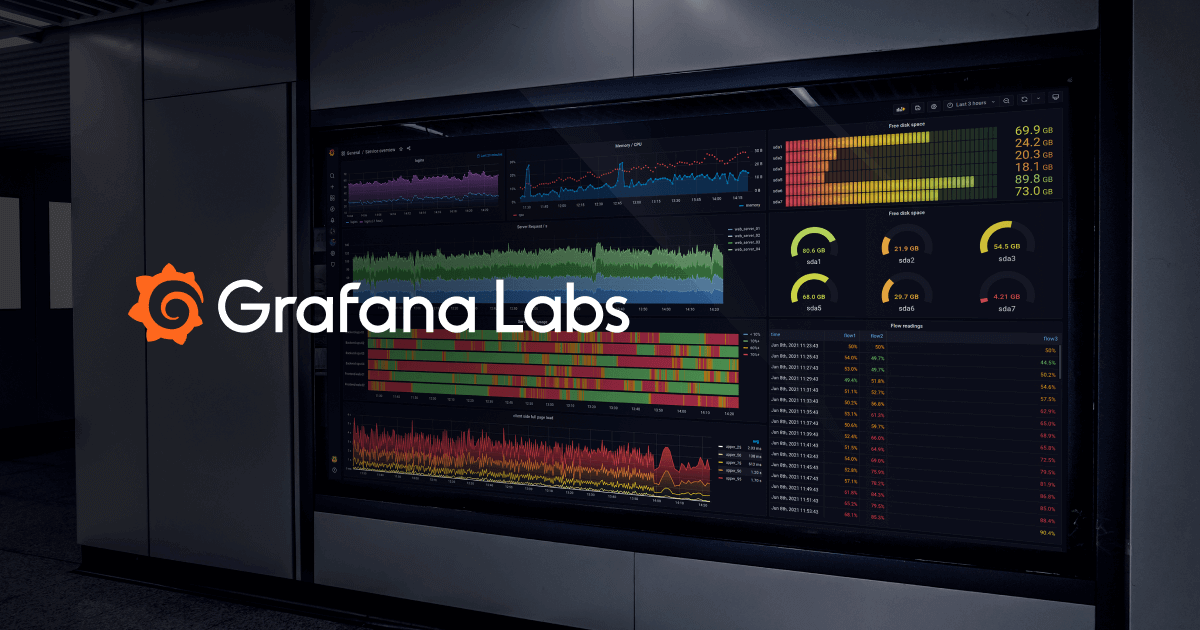
Grafana: Observability Platform

Best for Real Time Dashboard Tools for Operations Teams

Score
9.8 / 10
Grafana: Observability Platform

Grafana is a powerful open-source platform specifically designed for operations teams. It provides real-time dashboard tools that enable users to create alerts, manage on-call schedules, and learn from postmortems. Its flexible and composable nature allows it to address the dynamic needs of the industry, providing critical insights into business operations.

Best for Real Time Dashboard Tools for Operations Teams

Expert Take

Grafana excels as a real-time dashboard tool for operations teams, offering robust capabilities in data visualization and incident response. Its open-source nature and multi-datasource support enhance its flexibility and adaptability, making it a preferred choice for technical teams. While setup complexity and technical expertise requirements are noted, its comprehensive feature set and community-driven improvements solidify its position as a leading observability platform.

Pros

  • Unified visualization for metrics, logs, and traces
  • Massive ecosystem with 150+ data source plugins
  • Generous 'forever free' cloud tier
  • Vendor-neutral 'big tent' data philosophy
  • Highly customizable and flexible dashboards

Cons

  • Steep learning curve for PromQL and LogQL
  • SSO and RBAC gated behind Enterprise plans
  • High cardinality can cause frontend performance issues
  • Enterprise pricing requires $25k minimum commitment
  • Self-hosting requires significant operational effort

Best for teams that are

  • DevOps and SRE teams monitoring infrastructure and application performance
  • Technical users visualizing time-series data from sources like Prometheus
  • IT operations needing centralized observability for servers and logs

Skip if

  • Non-technical business teams (Sales/Marketing) needing simple KPI tracking
  • Users uncomfortable with query languages or complex configuration
  • Teams needing simple drag-and-drop business intelligence

Best for teams that are

  • DevOps and SRE teams monitoring infrastructure and application performance
  • Technical users visualizing time-series data from sources like Prometheus
  • IT operations needing centralized observability for servers and logs

Skip if

  • Non-technical business teams (Sales/Marketing) needing simple KPI tracking
  • Users uncomfortable with query languages or complex configuration
  • Teams needing simple drag-and-drop business intelligence

Pros

  • Unified visualization for metrics, logs, and traces
  • Massive ecosystem with 150+ data source plugins
  • Generous 'forever free' cloud tier
  • Vendor-neutral 'big tent' data philosophy
  • Highly customizable and flexible dashboards

Cons

  • Steep learning curve for PromQL and LogQL
  • SSO and RBAC gated behind Enterprise plans
  • High cardinality can cause frontend performance issues
  • Enterprise pricing requires $25k minimum commitment
  • Self-hosting requires significant operational effort

Expert Take

Grafana excels as a real-time dashboard tool for operations teams, offering robust capabilities in data visualization and incident response. Its open-source nature and multi-datasource support enhance its flexibility and adaptability, making it a preferred choice for technical teams. While setup complexity and technical expertise requirements are noted, its comprehensive feature set and community-driven improvements solidify its position as a leading observability platform.

3

Govenda Admin Reports & Dashboards

Best for Dashboard Tools for Executive and Board Reporting

Score
9.8 / 10
Govenda Admin Reports & Dashboards

Govenda is a robust SaaS solution designed to simplify board and executive reporting. Its real-time dashboards and reports provide administrators with vital information to make strategic decisions. It is tailored to meet the needs of executives and board members, eliminating the need to manually track and compile data.

Best for Dashboard Tools for Executive and Board Reporting

Expert Take

Govenda excels in providing real-time, secure, and user-friendly dashboards tailored for executive and board reporting. Its robust analytics capabilities and premium security features make it a top choice for enterprises needing strategic data insights.

Pros

  • Unlimited users and committees included
  • Gabii AI automates meeting minutes
  • 24/7 support available 365 days
  • Offline access via mobile apps
  • SOC 2 Type 2 and HIPAA compliant

Cons

  • Lacks native built-in video conferencing
  • Archive organization less intuitive than competitors
  • Setup process can be complex
  • Pricing is quote-based (not public)
  • Calendar integration features are limited

Best for teams that are

  • Corporate secretaries managing secure board meeting materials and compliance
  • Boards needing a secure portal for digital board books and e-voting
  • Governance teams tracking board member engagement and meeting attendance

Skip if

  • Teams seeking general business intelligence or data visualization tools
  • Small startups without formal board governance structures
  • Users looking for financial forecasting or operational analytics

Best for teams that are

  • Corporate secretaries managing secure board meeting materials and compliance
  • Boards needing a secure portal for digital board books and e-voting
  • Governance teams tracking board member engagement and meeting attendance

Skip if

  • Teams seeking general business intelligence or data visualization tools
  • Small startups without formal board governance structures
  • Users looking for financial forecasting or operational analytics

Pros

  • Unlimited users and committees included
  • Gabii AI automates meeting minutes
  • 24/7 support available 365 days
  • Offline access via mobile apps
  • SOC 2 Type 2 and HIPAA compliant

Cons

  • Lacks native built-in video conferencing
  • Archive organization less intuitive than competitors
  • Setup process can be complex
  • Pricing is quote-based (not public)
  • Calendar integration features are limited

Expert Take

Govenda excels in providing real-time, secure, and user-friendly dashboards tailored for executive and board reporting. Its robust analytics capabilities and premium security features make it a top choice for enterprises needing strategic data insights.

4

Phocas Financial Data Visualizations

Best for Data Visualization Tools for Financial Reporting

Score
9.8 / 10
Phocas Financial Data Visualizations

Phocas offers a powerful visualization tool specifically designed for financial reporting. It transforms complex financial data into understandable, interactive visuals, helping industry professionals enhance their communication and drive business success. It's particularly useful in the financial industry where data interpretation and communication is key.

Best for Data Visualization Tools for Financial Reporting

Expert Take

Phocas Financial Data Visualizations excels in transforming complex financial data into interactive visuals, making it a top choice for finance professionals. Its strong integration capabilities and market credibility, supported by third-party validations, reinforce its position as a premium product in the financial reporting visualization space.

Pros

  • Drill-down to transaction level
  • Integrates with 200+ ERPs
  • SOC 2 Type 2 compliant
  • Automated financial consolidation
  • Intuitive for non-technical users

Cons

  • No undo button in budgeting
  • Pricing not publicly available
  • Visualization options limited vs competitors
  • Can be expensive for small biz
  • Steep learning curve for admins

Best for teams that are

  • Manufacturing, wholesale, and retail businesses managing inventory and sales
  • Non-technical users needing easy, self-service analytics without IT help
  • Companies needing to consolidate financial data with operational ERP data

Skip if

  • Businesses requiring real-time data sync (standard sync is overnight)
  • Very small businesses or single users (pricing is geared toward teams)
  • Users needing complex CRM features (built-in CRM is simplistic)

Best for teams that are

  • Manufacturing, wholesale, and retail businesses managing inventory and sales
  • Non-technical users needing easy, self-service analytics without IT help
  • Companies needing to consolidate financial data with operational ERP data

Skip if

  • Businesses requiring real-time data sync (standard sync is overnight)
  • Very small businesses or single users (pricing is geared toward teams)
  • Users needing complex CRM features (built-in CRM is simplistic)

Pros

  • Drill-down to transaction level
  • Integrates with 200+ ERPs
  • SOC 2 Type 2 compliant
  • Automated financial consolidation
  • Intuitive for non-technical users

Cons

  • No undo button in budgeting
  • Pricing not publicly available
  • Visualization options limited vs competitors
  • Can be expensive for small biz
  • Steep learning curve for admins

Expert Take

Phocas Financial Data Visualizations excels in transforming complex financial data into interactive visuals, making it a top choice for finance professionals. Its strong integration capabilities and market credibility, supported by third-party validations, reinforce its position as a premium product in the financial reporting visualization space.

5

Sigma BI Analytics Solution

Best for Self Service Dashboard Tools for Business Users

Score
9.8 / 10
Sigma BI Analytics Solution

Sigma is a powerful SaaS solution for business intelligence and analytics that focuses on self-service capabilities for business users. It provides live access to warehouse data, enabling users to create dynamic dashboards, drill down and explore data, and bookmark important views. Its governed access ensures data integrity and security, addressing a critical need in the industry.

Best for Self Service Dashboard Tools for Business Users

Expert Take

Sigma BI Analytics Solution excels in providing self-service capabilities for business users, offering live access to warehouse data and dynamic dashboards. Its focus on data integrity and security through governed access makes it a standout choice in the self-service dashboard tools category.

Pros

  • Spreadsheet-like interface familiar to Excel users
  • Direct warehouse query (no data extracts)
  • Write-back capabilities via Input Tables
  • Snowflake BI Partner of the Year (3x)
  • Extensive security certifications (ISO/SOC2/HIPAA)

Cons

  • Performance can lag with massive datasets
  • No public pricing transparency
  • Advanced features may require SQL skills
  • Steep learning curve for complex modeling
  • Dependency on cloud data warehouse speed

Best for teams that are

  • Business users comfortable with spreadsheets using cloud data warehouses
  • Teams using Snowflake, BigQuery, or Databricks for real-time analysis
  • Organizations wanting to analyze live data without extracting it

Skip if

  • Organizations with data locked in on-premise legacy databases
  • Teams needing a tool that stores data internally rather than querying live
  • Users looking for a free or low-cost entry-level tool

Best for teams that are

  • Business users comfortable with spreadsheets using cloud data warehouses
  • Teams using Snowflake, BigQuery, or Databricks for real-time analysis
  • Organizations wanting to analyze live data without extracting it

Skip if

  • Organizations with data locked in on-premise legacy databases
  • Teams needing a tool that stores data internally rather than querying live
  • Users looking for a free or low-cost entry-level tool

Pros

  • Spreadsheet-like interface familiar to Excel users
  • Direct warehouse query (no data extracts)
  • Write-back capabilities via Input Tables
  • Snowflake BI Partner of the Year (3x)
  • Extensive security certifications (ISO/SOC2/HIPAA)

Cons

  • Performance can lag with massive datasets
  • No public pricing transparency
  • Advanced features may require SQL skills
  • Steep learning curve for complex modeling
  • Dependency on cloud data warehouse speed

Expert Take

Sigma BI Analytics Solution excels in providing self-service capabilities for business users, offering live access to warehouse data and dynamic dashboards. Its focus on data integrity and security through governed access makes it a standout choice in the self-service dashboard tools category.

6

Datarails FP&A Software

Best for Data Visualization Tools for Financial Reporting

Score
9.7 / 10
Datarails FP&A Software

Datarails is an AI-powered Financial Planning & Analysis (FP&A) software, designed specifically for Excel users in the financial industry. It automates data consolidation, reporting, and planning tasks, addressing the industry's need for efficient, accurate, and seamless data management and financial planning.

Best for Data Visualization Tools for Financial Reporting

Expert Take

Datarails FP&A Software is a premium product in the financial reporting tools category, offering robust capabilities for Excel users. Its AI-powered features and automation of data tasks make it highly efficient for financial planning. While it excels in its niche, the limited integration with non-Excel platforms and higher price point are notable tradeoffs.

Pros

  • Native Excel integration preserves existing models
  • Rapid implementation (typically 2-6 weeks)
  • AI-powered 'FP&A Genius' for instant insights
  • Connects with 200+ ERP/CRM systems
  • High-rated customer support (4.9/5)

Cons

  • Performance lags with very large datasets
  • Steep learning curve for advanced features
  • Mac add-in has feature limitations
  • Pricing is not publicly transparent
  • Dashboard customization can be limited

Best for teams that are

  • Finance teams who want to keep working strictly within Excel
  • SMB to Mid-market companies automating manual data consolidations
  • Organizations needing to visualize data while maintaining Excel models

Skip if

  • Mac-heavy environments (Excel add-in has significant compatibility issues)
  • Teams wanting to move away from spreadsheet-based processes
  • Large enterprises with complex, high-volume data needs

Best for teams that are

  • Finance teams who want to keep working strictly within Excel
  • SMB to Mid-market companies automating manual data consolidations
  • Organizations needing to visualize data while maintaining Excel models

Skip if

  • Mac-heavy environments (Excel add-in has significant compatibility issues)
  • Teams wanting to move away from spreadsheet-based processes
  • Large enterprises with complex, high-volume data needs

Pros

  • Native Excel integration preserves existing models
  • Rapid implementation (typically 2-6 weeks)
  • AI-powered 'FP&A Genius' for instant insights
  • Connects with 200+ ERP/CRM systems
  • High-rated customer support (4.9/5)

Cons

  • Performance lags with very large datasets
  • Steep learning curve for advanced features
  • Mac add-in has feature limitations
  • Pricing is not publicly transparent
  • Dashboard customization can be limited

Expert Take

Datarails FP&A Software is a premium product in the financial reporting tools category, offering robust capabilities for Excel users. Its AI-powered features and automation of data tasks make it highly efficient for financial planning. While it excels in its niche, the limited integration with non-Excel platforms and higher price point are notable tradeoffs.

7

Geckoboard KPI Dashboards

Best for Dashboard Tools for Executive and Board Reporting

Score
9.7 / 10
Geckoboard KPI Dashboards

Geckoboard is a SaaS solution that provides real-time KPI dashboards, streamlining the data visualization process for executives and board members. It allows the creation of shareable, easy-to-understand dashboards that display key business data and metrics, addressing the need for instantly accessible, comprehensible business intelligence in the industry.

Best for Dashboard Tools for Executive and Board Reporting

Expert Take

Geckoboard excels in providing real-time KPI dashboards tailored for executive and board reporting. Its integration capabilities and ease of use make it a standout in the data visualization space. While it may require an initial learning curve, its overall value and market credibility position it as a top choice for business intelligence tools.

Pros

  • Remote 'Send to TV' management
  • 90+ pre-built data integrations
  • Intuitive drag-and-drop interface
  • Real-time data visualization updates
  • Supports Raspberry Pi kiosk mode

Cons

  • No native mobile app (PWA only)
  • Limited deep data analysis tools
  • Can be expensive for small teams
  • API rate limited to 60 req/min
  • Lacks complex filtering capabilities

Best for teams that are

  • Customer support and sales teams displaying real-time metrics on TV screens
  • Non-technical users wanting simple, easy-to-read KPI visualizations
  • Organizations using Zendesk, Salesforce, or spreadsheets for key data

Skip if

  • Analysts requiring complex data transformation or deep historical analysis
  • Teams needing highly customizable report formatting or print layouts
  • Users needing to blend data from disparate sources into a single metric

Best for teams that are

  • Customer support and sales teams displaying real-time metrics on TV screens
  • Non-technical users wanting simple, easy-to-read KPI visualizations
  • Organizations using Zendesk, Salesforce, or spreadsheets for key data

Skip if

  • Analysts requiring complex data transformation or deep historical analysis
  • Teams needing highly customizable report formatting or print layouts
  • Users needing to blend data from disparate sources into a single metric

Pros

  • Remote 'Send to TV' management
  • 90+ pre-built data integrations
  • Intuitive drag-and-drop interface
  • Real-time data visualization updates
  • Supports Raspberry Pi kiosk mode

Cons

  • No native mobile app (PWA only)
  • Limited deep data analysis tools
  • Can be expensive for small teams
  • API rate limited to 60 req/min
  • Lacks complex filtering capabilities

Expert Take

Geckoboard excels in providing real-time KPI dashboards tailored for executive and board reporting. Its integration capabilities and ease of use make it a standout in the data visualization space. While it may require an initial learning curve, its overall value and market credibility position it as a top choice for business intelligence tools.

8

Phocas Self-Service Reporting

Best for Self Service Dashboard Tools for Business Users

Score
9.7 / 10
Phocas Self-Service Reporting

Phocas self-service reporting tools are designed to promote interdepartmental collaboration by making data sharing easy. It caters specifically to businesses that require a robust, self-service dashboard for data visualization and analytics, thereby ensuring teams always have the most relevant, up-to-date insights.

Best for Self Service Dashboard Tools for Business Users

Expert Take

Phocas Self-Service Reporting excels in providing user-friendly, customizable dashboards that promote data-driven collaboration. Its real-time analytics and integration capabilities make it a top choice for businesses seeking robust self-service reporting tools. While pricing may be higher for smaller businesses, its comprehensive features justify its premium positioning.

Pros

  • "Ask Phocas AI" enables natural language data querying
  • Deep pre-built integrations for Epicor, Infor, and Sage
  • Unified BI, financial statements, and budgeting platform
  • SOC 2 Type 2 and B Corp certified
  • Designed specifically for non-technical business users

Cons

  • No native multi-factor authentication (requires SSO)
  • Mobile app lacks full desktop functionality
  • Limited visualization customization options
  • Steep learning curve for admin and setup
  • Performance can slow with very large datasets

Best for teams that are

  • Mid-market manufacturers, distributors, and retailers
  • Finance teams needing integrated BI, budgeting, and financial planning
  • Non-technical users needing easy inventory and sales analysis

Skip if

  • Service-based industries or sectors outside manufacturing and retail
  • Organizations requiring a strictly on-premise solution
  • Enterprises needing highly complex, custom SQL data modeling

Best for teams that are

  • Mid-market manufacturers, distributors, and retailers
  • Finance teams needing integrated BI, budgeting, and financial planning
  • Non-technical users needing easy inventory and sales analysis

Skip if

  • Service-based industries or sectors outside manufacturing and retail
  • Organizations requiring a strictly on-premise solution
  • Enterprises needing highly complex, custom SQL data modeling

Pros

  • "Ask Phocas AI" enables natural language data querying
  • Deep pre-built integrations for Epicor, Infor, and Sage
  • Unified BI, financial statements, and budgeting platform
  • SOC 2 Type 2 and B Corp certified
  • Designed specifically for non-technical business users

Cons

  • No native multi-factor authentication (requires SSO)
  • Mobile app lacks full desktop functionality
  • Limited visualization customization options
  • Steep learning curve for admin and setup
  • Performance can slow with very large datasets

Expert Take

Phocas Self-Service Reporting excels in providing user-friendly, customizable dashboards that promote data-driven collaboration. Its real-time analytics and integration capabilities make it a top choice for businesses seeking robust self-service reporting tools. While pricing may be higher for smaller businesses, its comprehensive features justify its premium positioning.

9

Userful Operations Management

Best for Real Time Dashboard Tools for Operations Teams

Score
9.7 / 10
Userful Operations Management

Userful's Operations Management solution enables operations teams to aggregate, visualize, and distribute real-time operational data across different locations. This software fills the industry need for a comprehensive dashboard tool, integrating seamlessly with BI, ERP, and ITSM platforms, allowing industry professionals to monitor and respond to business metrics in real-time.

Best for Real Time Dashboard Tools for Operations Teams

Expert Take

Userful Operations Management excels in providing real-time data visualization and integration capabilities, making it a top choice for operations teams. Its compatibility with multiple platforms and ability to distribute data across locations enhance its usability and value, although it may require IT expertise for setup.

Pros

  • Eliminates proprietary hardware (Software-defined AV)
  • SOC 2 Type II certified security
  • Supports 96 streams of 4K60FPS
  • Centralized global display management
  • Native integrations with PowerBI & Tableau

Cons

  • Steep learning curve for beginners
  • Pricing not publicly transparent
  • Heavy reliance on network bandwidth
  • Manual software updates reported
  • Requires high-spec server hardware

Best for teams that are

  • Large enterprises managing mission-critical control rooms (NOCs/SOCs)
  • Operations teams needing centralized control over video walls and AV sources
  • Security teams requiring real-time visualization of multiple data streams

Skip if

  • Small businesses needing a simple dashboard on a single monitor
  • Teams without complex audiovisual or security operation requirements
  • Users looking for a standalone software tool without hardware integration

Best for teams that are

  • Large enterprises managing mission-critical control rooms (NOCs/SOCs)
  • Operations teams needing centralized control over video walls and AV sources
  • Security teams requiring real-time visualization of multiple data streams

Skip if

  • Small businesses needing a simple dashboard on a single monitor
  • Teams without complex audiovisual or security operation requirements
  • Users looking for a standalone software tool without hardware integration

Pros

  • Eliminates proprietary hardware (Software-defined AV)
  • SOC 2 Type II certified security
  • Supports 96 streams of 4K60FPS
  • Centralized global display management
  • Native integrations with PowerBI & Tableau

Cons

  • Steep learning curve for beginners
  • Pricing not publicly transparent
  • Heavy reliance on network bandwidth
  • Manual software updates reported
  • Requires high-spec server hardware

Expert Take

Userful Operations Management excels in providing real-time data visualization and integration capabilities, making it a top choice for operations teams. Its compatibility with multiple platforms and ability to distribute data across locations enhance its usability and value, although it may require IT expertise for setup.

10

Cube Executive Dashboard

Best for Dashboard Tools for Executive and Board Reporting

Score
9.6 / 10
Cube Executive Dashboard

Cube’s Executive Dashboard is a strategically designed tool specifically for executives and board members. It encapsulates vital business metrics, providing industry professionals with insights to make data-driven decisions. Its intuitive design offers a comprehensive view of business performance, catering to the unique needs of executive level reporting.

Best for Dashboard Tools for Executive and Board Reporting

Expert Take

Cube Executive Dashboard excels in providing a comprehensive and intuitive platform for executive-level reporting. It offers real-time data tracking and customizable dashboards, making it a valuable tool for strategic decision-making. While pricing transparency is limited, its capabilities and market credibility position it as a top-tier product.

Pros

  • Native Excel and Google Sheets integration
  • Automated data consolidation from ERPs
  • SOC 2 Type 2 security compliance
  • Fast implementation compared to legacy tools
  • Excellent customer support reputation

Cons

  • Visualizations less advanced than BI tools
  • Opaque quote-based pricing model
  • Limited dimensions for complex models
  • Occasional data import delays reported
  • Learning curve for advanced features

Best for teams that are

  • Mid-market FP&A teams who want to keep using Excel and Google Sheets
  • Finance professionals needing to automate data consolidation from ERPs
  • Startups and scale-ups needing flexible scenario planning and modeling

Skip if

  • Large enterprises requiring a non-spreadsheet, rigid planning environment
  • Non-finance users seeking standalone data visualization without Excel
  • Teams needing complex, non-financial operational BI dashboards

Best for teams that are

  • Mid-market FP&A teams who want to keep using Excel and Google Sheets
  • Finance professionals needing to automate data consolidation from ERPs
  • Startups and scale-ups needing flexible scenario planning and modeling

Skip if

  • Large enterprises requiring a non-spreadsheet, rigid planning environment
  • Non-finance users seeking standalone data visualization without Excel
  • Teams needing complex, non-financial operational BI dashboards

Pros

  • Native Excel and Google Sheets integration
  • Automated data consolidation from ERPs
  • SOC 2 Type 2 security compliance
  • Fast implementation compared to legacy tools
  • Excellent customer support reputation

Cons

  • Visualizations less advanced than BI tools
  • Opaque quote-based pricing model
  • Limited dimensions for complex models
  • Occasional data import delays reported
  • Learning curve for advanced features

Expert Take

Cube Executive Dashboard excels in providing a comprehensive and intuitive platform for executive-level reporting. It offers real-time data tracking and customizable dashboards, making it a valuable tool for strategic decision-making. While pricing transparency is limited, its capabilities and market credibility position it as a top-tier product.

How We Rank Products

Our Evaluation Process

Products in the Data Visualization & Dashboard Tools category are evaluated based on their documented features such as data connectivity, visualization options, and customization flexibility. Pricing transparency is considered, with emphasis on scalability and subscription models. Compatibility with existing business systems and third-party integrations is crucial. Evaluations also reference third-party feedback to gauge user satisfaction and reliability.

Verification

  • Products evaluated through comprehensive research and analysis of user reviews and expert opinions.
  • Rankings based on a thorough analysis of features, performance metrics, and customer satisfaction ratings.
  • Selection criteria focus on data visualization capabilities, ease of use, and integration options for dashboard tools.

Score Breakdown

0.0 / 10

About Data Visualization & Reporting Tools

WHAT IS DATA VISUALIZATION & REPORTING TOOLS?

This category covers software designed to translate raw, structured, and unstructured datasets into graphical representations and interactive summaries that facilitate human understanding and decision-making. These tools span the "presentation layer" of the data stack, handling the final mile of data delivery: connecting to data sources, modeling relationships, visualizing metrics, and distributing insights to stakeholders. The functional lifecycle of this software includes data ingestion (extracting data from operational systems), data preparation (cleaning and shaping), visual exploration (creating charts and graphs), and report distribution (sharing static or dynamic dashboards).

Data Visualization & Reporting Tools sit strictly between data storage/processing layers (such as Data Warehouses, Lakes, or ETL pipelines) and business execution systems (such as CRM or ERP). While they often possess lightweight data modeling capabilities, they are distinct from Data Engineering tools (which focus on moving data) and Data Science platforms (which focus on predictive modeling and algorithms). The category includes both general-purpose Business Intelligence (BI) platforms used by analysts to build custom dashboards, and specialized reporting solutions designed for specific functions like financial disclosure or embedded product analytics. This software is the primary interface through which the vast majority of business users interact with organizational data, bridging the gap between technical databases and non-technical decision-makers.

The core problem these tools solve is "cognitive load." Human brains are poorly adapted to processing rows and columns of text but highly efficient at pattern recognition in visual fields. By abstracting millions of database records into trend lines, heat maps, and scatter plots, these tools allow organizations to detect anomalies, track performance against KPIs, and identify correlations that would be invisible in tabular formats. They transform "data," which is abundant and often overwhelming, into "intelligence," which is curated and actionable.

HISTORY OF THE CATEGORY

The trajectory of Data Visualization & Reporting Tools since the 1990s is a story of shifting power dynamics—from the centralized control of IT departments to the decentralized freedom of business users, and now back toward a governed middle ground. Understanding this evolution is critical because many organizations are still stuck in previous eras, using modern tools with outdated mindsets.

The 1990s: The Era of IT-Led Reporting In the 1990s, reporting was synonymous with "Business Intelligence 1.0." This era was defined by heavy, on-premise stacks that required specialized hardware and deep technical expertise. The workflow was linear and slow: a business user would submit a request for a report, an IT specialist would write a SQL query, format the results, and deliver a static printout or PDF weeks later. This "report factory" model ensured data consistency but stifled agility. The tools were essentially sophisticated database query engines with rigid formatting layers. The gap they filled was the inability of early ERP systems to provide cross-module insights; businesses needed a way to see sales and inventory data in a single view, giving rise to the Data Warehouse and the reporting tools that sat atop them.

The 2000s: The Visual Disruption and Desktop Analytics The early 2000s brought a seismic shift with the introduction of desktop-based visual analytics. New market entrants recognized that the bottleneck was the IT department. They introduced "self-service" tools that allowed analysts to connect directly to spreadsheets or databases and create interactive visualizations using drag-and-drop interfaces. This decoupled analysis from reporting. Suddenly, "visualization" wasn't just a final output; it was a method of inquiry. Analysts could pivot, filter, and drill down without writing code. This period saw the "consumerization" of BI, where buyer expectations shifted from "give me a table of numbers" to "give me an interactive dashboard." However, this freedom came at a cost: "Excel hell" was replaced by "Dashboard hell," where conflicting metrics and unmanaged data copies proliferated across organizations.

The 2010s: The Cloud Transition and Market Consolidation As the 2010s progressed, the center of gravity moved to the cloud. The rise of cloud data warehouses lowered the cost of storing massive datasets, necessitating reporting tools that could query cloud-native sources efficiently. The market saw a massive wave of consolidation as legacy tech giants, realizing they had missed the visual analytics boat, acquired the disruptive leaders of the 2000s. These acquisitions reshaped the landscape, integrating standalone visualization tools into broader enterprise ecosystems (e.g., bundling visualization with CRM or productivity suites). This era also introduced "embedded analytics," where reporting was no longer a destination users visited (a dashboard portal) but a feature inside the applications they used daily.

2020-Present: The Era of Augmented Analytics Today, the focus has shifted from "seeing" data to "understanding" it through AI augmentation. The modern stack is characterized by "headless BI" (separating the metrics definition from the visualization) and Generative AI interfaces that allow users to query data using natural language. The market is correcting the governance overreach of the 2000s; modern tools now emphasize "governed self-service," trying to balance the agility of the analyst with the reliability of the central warehouse.

WHAT TO LOOK FOR

Evaluating Data Visualization & Reporting Tools requires looking beyond the "demo dazzle." Almost any tool can make a pretty chart during a controlled sales demonstration. The real differentiators lie in how the tool handles complexity, scale, and the messy reality of enterprise data. Here are the critical criteria and warning signs for buyers.

Critical Evaluation Criteria

  • Connectivity and Data "Gravity": The most beautiful visualization is useless if the data is stale or difficult to access. Look for tools that support "Live Query" or "Direct Query" capabilities, allowing the visualization layer to sit on top of your data warehouse without moving the data. If the tool forces you to import all data into its proprietary in-memory engine, you will eventually hit a scalability wall as your data grows. High-quality tools offer a hybrid model: in-memory for speed on smaller datasets, and direct query for massive datasets.
  • The Semantic Layer: Does the tool allow you to define metrics (e.g., "Gross Margin," "Churn Rate") in a central governance layer? Without this, every analyst calculates "revenue" slightly differently in their own dashboards, leading to a breakdown in trust. A robust semantic layer ensures that when the definition of a metric changes, it updates across all thousands of reports instantly.
  • Extensibility and Embedding: Modern reporting rarely lives in a silo. Evaluate the tool's API coverage. Can you embed a chart into your internal company portal? Can you trigger a Slack alert based on a data threshold? The best tools treat the dashboard as just one of many endpoints for data, offering SDKs (Software Development Kits) that allow developers to build custom data applications.
  • Governance and Lineage: Can you trace a KPI on a CEO's dashboard back to the specific database table and transformation logic that created it? "Data Lineage" features are essential for compliance and trust. Look for certification workflows that allow a data steward to mark a specific dataset or dashboard as "Verified," signaling to users that it is safe for decision-making.

Red Flags and Warning Signs

  • Proprietary Scripting Languages: Be wary of vendors that require you to learn a complex, non-standard scripting language to perform advanced calculations. While some expression logic is necessary, tools that rely heavily on proprietary code create vendor lock-in and make hiring talent difficult. SQL and Python support are the industry standards you should look for.
  • "Desktop-Heavy" Workflows: If the primary authoring experience requires a heavy desktop application installation while the viewing experience is web-based, you will face version control headaches. Modern tools should offer full authoring capabilities directly in the browser to ensure seamless collaboration.
  • Opaque Pricing Scaling: Watch out for pricing models that look cheap for 5 users but become exponentially expensive at 50. Many vendors hook buyers with low "entry" pricing but hide features like SSO (Single Sign-On), API access, or data refresh frequency behind "Enterprise" tiers that require negotiated contracts.

Key Questions to Ask Vendors

  • "Does your platform support 'write-back' capabilities, allowing users to update data or trigger workflows directly from the dashboard, or is it read-only?"
  • "How does your licensing model handle 'casual viewers' versus 'power users'? Do I have to pay a full license fee for a manager who only views one report a week?"
  • "Can you demonstrate how your tool handles a schema change in the source database? Does the dashboard break silently, or does it alert the owner?"

INDUSTRY-SPECIFIC USE CASES

Retail & E-commerce

In the retail sector, data visualization has moved beyond simple sales tracking to powering Retail Media Networks (RMNs). Retailers are increasingly becoming media publishers, selling ad space on their digital properties to suppliers. This requires sophisticated reporting tools that can visualize "closed-loop" attribution—proving to a soap manufacturer that their banner ad on the retailer's app directly led to an in-store purchase. According to recent industry analysis, the ability to visualize the "path to purchase" across online and offline channels is a primary differentiator. Retailers specifically need tools that can handle geospatial visualization (heat maps of store traffic) and complex inventory analysis (visualizing sell-through rates by region). A unique evaluation priority here is "embedded analytics": the retailer needs to share dashboards externally with thousands of suppliers, requiring a tool with robust multi-tenant security to ensure Supplier A never sees Supplier B's data [1].

Healthcare

Healthcare organizations use reporting tools to navigate the high-stakes transition to Value-Based Care (VBC). Unlike fee-for-service models, VBC reimburses providers based on patient outcomes. This necessitates dashboards that visualize HEDIS (Healthcare Effectiveness Data and Information Set) scores and patient population health trends in near real-time. A critical use case is the "care gap" report, which visualizes patients who have missed preventive screenings (e.g., mammograms or diabetic eye exams). Visualization tools in this space must be HIPAA-compliant and capable of integrating with EHR (Electronic Health Record) systems. They often require specific visualization types like control charts (to monitor process stability) and Kaplan-Meier survival curves. A key evaluation priority is the ability to handle unstructured data, such as visualizing themes from patient notes or sentiment analysis from patient feedback surveys [2].

Financial Services

The financial sector is driven by regulatory reporting and risk management. A dominant use case is compliance with the Fundamental Review of the Trading Book (FRTB), which requires banks to visualize and report market risk with extreme granularity. Financial services buyers prioritize tools that support XBRL (eXtensible Business Reporting Language) tagging and visualization, allowing them to turn static regulatory filings into interactive data experiences. Unlike other industries that prioritize "pretty" visuals, finance users demand dense, information-rich "grid" views and the ability to export pixel-perfect formats for regulatory bodies. They also require "temporal" visualization capabilities—the ability to visualize data "as of" a specific point in time to reconstruct past trading scenarios for auditors. Security is paramount; row-level security (RLS) is often insufficient, with firms requiring cell-level security [3].

Manufacturing

Manufacturing has evolved from basic production counting to the concept of the Digital Twin. Visualization tools in this sector are used to create virtual replicas of physical supply chains and factory floors. An automotive manufacturer, for example, might use a real-time dashboard to visualize the impact of a port strike on component availability, modeling rerouting scenarios dynamically. Key metrics include OEE (Overall Equipment Effectiveness) and predictive maintenance alerts. These tools must handle high-velocity time-series data from IoT sensors. A specific "red flag" for manufacturers is a tool that cannot handle sub-second data refresh rates, as operational dashboards on a factory floor need to reflect the status of machines in real-time to prevent costly downtime [4].

Professional Services

For law firms, consultancies, and agencies, reporting tools are the primary mechanism for protecting margins. The unique workflow here is visualizing "Revenue Leakage"—identifying billable hours that were worked but never invoiced. Dashboards track "Utilization Rates" (billable vs. non-billable time) and "Realization Rates" (revenue collected vs. standard rates). Professional services firms often need to generate automated, white-labeled PDF reports for clients to prove ROI. Unlike internal BI, these client-facing reports are a product deliverable. Evaluation prioritizes "pixel-perfect" formatting capabilities—ensuring that when a report is sent to a client, page breaks and branding are flawless. They also heavily utilize "What-If" analysis to model how changing billable rates or staffing levels would impact project profitability [5].

SUBCATEGORY OVERVIEW

Data Visualization Tools for Financial Reporting This subcategory is distinct from general BI because of its rigorous adherence to accounting standards and regulatory formats. While a general BI tool might focus on trends and exploration, these tools focus on precision, consolidation, and auditability. They are built to handle the "Last Mile of Finance"—the conversion of general ledger data into statutory financial statements (10-Ks, annual reports). A workflow that ONLY this specialized tool handles well is the "disclosure management" process, where narrative text is linked dynamically to data points; if a number changes in the database, it automatically updates in the paragraph of text in the report. Buyers are driven to this niche by the pain point of "version control risk"—the fear that the number in the Board deck differs from the number in the regulatory filing. For a deeper look, consult our guide to Data Visualization Tools for Financial Reporting.

Dashboard Tools for Executive and Board Reporting Executive reporting tools prioritize curation and simplicity over exploration. Unlike analyst tools designed for slicing and dicing, these tools are built to deliver a "Single Source of Truth" in a format that requires zero training to consume. They often feature "briefing book" workflows, where live dashboards are frozen into static views for board meetings, allowing executives to annotate and comment. A specific workflow unique to this niche is the "KPI cascade," where a top-level corporate metric (e.g., EBITDA) is visually decomposed into contributing factors across business units. The pain point driving buyers here is "executive disengagement"—when leaders refuse to log into complex BI portals and revert to asking for screenshots in emails. These tools meet executives where they are, often with dedicated mobile apps or "meeting mode" interfaces. Explore more in dashboard tools for executive and board reporting.

Self Service Dashboard Tools for Business Users This niche focuses on democratization and ease of use. These tools are designed for non-technical "citizen data scientists" who need to answer their own questions without waiting for the IT data queue. They excel at ad-hoc analysis, allowing users to drag-and-drop a CSV file and instantly generate charts. A workflow unique to this group is "search-driven analytics," where users type questions like "Show me sales by region for Q3" and the tool auto-generates the visualization. The driving pain point is "IT bottlenecks"—business agility is lost when every new chart request takes three weeks to fulfill. These tools shift the burden of report creation from the centralized data team to the business lines. Learn about these solutions in our guide to self service dashboard tools for business users.

Real Time Dashboard Tools for Operations Teams Operational dashboards are distinct because of their latency requirements and alerting capabilities. While a strategic dashboard might refresh daily, these tools connect to streaming data sources (Kafka, IoT sensors, API webhooks) to visualize the "now." A workflow unique to this niche is "threshold-based automation"—if a server temperature metric on the dashboard crosses a red line, the tool doesn't just show a red bar; it triggers a webhook to shut down the machine or pages an on-call engineer. The pain point here is "operational blindness"—the inability to react to incidents as they happen. Buyers look for high-contrast visuals designed for large wall-mounted screens in Network Operations Centers (NOCs) or factory floors. Read more on real time dashboard tools for operations teams.

Integration & API Ecosystem

The value of a reporting tool is directly proportional to the number of systems it can connect to. However, the quality of integration matters more than the quantity of connectors. Many buyers overlook the distinction between "import" connectors (which copy data) and "live" connectors (which query data in place). The Reality of Integration Costs: Gartner estimates that poor data integration and quality cost organizations an average of $12.9 million annually [6]. This cost manifests in "integration debt"—the maintenance required to keep fragile data pipelines running. Real-World Scenario: Consider a mid-sized professional services firm with 50 employees attempting to integrate their visualization tool with their Project Management system (e.g., Jira) and their Invoicing system (e.g., QuickBooks). A poor integration strategy relies on scheduled nightly extracts. One day, a project manager updates a project status to "Complete" in Jira at 4 PM, but the invoicing system doesn't generate the bill because the reporting tool feeding the finance team only refreshes at midnight. The result is a delay in cash flow and confusion during the 9 AM status meeting where operations sees "Complete" but finance sees "Unbilled." A robust tool would use API-based webhooks or real-time Direct Query to ensure that as soon as the status changes in the source, the dashboard reflects the "Ready to Bill" status instantly.

Security & Compliance

Security in data visualization is often a tale of two extremes: locking data down so tightly it becomes useless, or opening it up so broadly it creates risk. The modern challenge is "granular" security—managing access not just at the report level, but at the row and column level. The Risk of Self-Service: According to Gartner, through 2025, 99% of cloud security failures will be the customer’s fault, often due to misconfigured access controls in self-service environments [7]. Real-World Scenario: A healthcare provider creates a "Patient Outcomes" dashboard intended for all 500 nursing staff. The dashboard connects to a dataset containing sensitive Protected Health Information (PHI). Without Row-Level Security (RLS), a nurse in the Oncology ward logging in would see patient data from the Pediatrics ward—a HIPAA violation. A proper security implementation uses RLS filters based on the user's login credentials (e.g., `UserRole = 'Oncology_Nurse'`) to dynamically filter the dataset. The dashboard remains the same single asset, but the data view adjusts automatically to the user's permissions, ensuring compliance without creating 500 separate reports.

Pricing Models & TCO

Pricing is the most opaque aspect of this category. The industry is shifting from perpetual licenses to subscription models, but the complexity lies in the metric: Per User? Per Query? Per Capacity? The Hidden "Viewer" Tax: Research indicates that cloud waste (unused resources) accounted for approximately 32% of total cloud spend in 2024 [8]. In visualization tools, this waste often appears as "shelfware"—licenses bought for users who never log in. Real-World TCO Scenario: A 25-person marketing agency evaluates two vendors. Vendor A offers a flat rate of $75/user/month. Vendor B offers $100/creator and $10/viewer. Vendor A Calculation: 25 users * $75 * 12 months = $22,500/year. Vendor B Calculation: 3 Creators ($300) + 22 Viewers ($220) = $520/month * 12 = $6,240/year. The "cheaper" per-seat price of Vendor A is actually 3x more expensive because it ignores the reality that most users are passive consumers. Buyers must perform this role-based inventory before signing. Furthermore, usage-based pricing (paying per query) can destroy budgets if a poorly written dashboard query scans the entire database every time a user refreshes the page.

Implementation & Change Management

The greatest barrier to ROI is not technical failure, but lack of adoption. "Dashboard Rot"—where thousands of dashboards are built but never viewed—is a plague in large enterprises. The Adoption Crisis: Gartner predicts that 80% of data governance initiatives will fail by 2027 because they are not tied to business outcomes [9]. Real-World Scenario: A manufacturing firm implements a new high-end visualization tool to track factory efficiency. They spend six months building the "perfect" centralized dashboard. On launch day, adoption is zero. Why? The factory floor managers don't sit at desks; they are on the line. The implementation failed because it ignored the form factor. A successful implementation strategy would have started with a "mobile-first" pilot, delivering simplified KPIs to tablets used on the floor. Change management requires identifying "Data Champions" within the business units—power users who can bridge the gap between the technical tool and the business workflow.

Vendor Evaluation Criteria

When selecting a vendor, the Proof of Concept (POC) is your most valuable tool. However, most buyers run POCs incorrectly by using "clean" sample data provided by the vendor. The Vendor Trap: Forrester notes that customer experience quality has declined for the third consecutive year, highlighting the gap between sales promises and support reality [10]. Real-World Scenario: A retail chain evaluates a tool based on its ability to visualize sales data. The vendor's demo uses a clean dataset of 10,000 rows. The visualization is instant. The buyer signs. Two months later, they connect their actual dataset—50 million rows of transaction history with messy, null values. The dashboard takes 40 seconds to load, rendering it unusable. A proper evaluation criterion demands a "Your Data" POC: force the vendor to build a dashboard using your messy, high-volume data during the trial. Measure load times, drill-down latency, and how the tool handles broken data relationships.

EMERGING TRENDS AND CONTRARIAN TAKE

Emerging Trends 2025-2026 The dominant trend is the move toward Generative BI. We are moving away from drag-and-drop interfaces toward conversational analytics, where a user asks, "Why did sales drop in Q3?" and the system generates the chart and a textual explanation. McKinsey reports that the adoption of AI in business functions has skyrocketed, with organizations now using AI in multiple business functions rising from 33% to 50% in recent years [11]. Another trend is Metric Stores (Headless BI), which decouple the definition of metrics from the visualization tool, ensuring that "Revenue" is defined once in code and consumed by any tool (Excel, Tableau, Power BI, etc.).

Contrarian Take: The Myth of the "Single Source of Truth" The industry has spent decades chasing the "Single Source of Truth" via centralized data warehouses. This pursuit is largely a failure. The contrarian insight is that federated data governance (often called Data Mesh) is the only realistic future. The idea that a central data team can understand and curate data for every department (Marketing, Finance, HR) is a bottleneck that does not scale. Zhamak Dehghani, the creator of Data Mesh, argues effectively that centralized monoliths create entropy and that we must accept "multiple sources of truth" managed by domain experts, connected via standardized interfaces [12]. Business leaders should stop trying to centralize everything and instead invest in tools that enable safe, governed decentralization.

COMMON MISTAKES

Buyers often fall into the trap of feature hoarding. They select the tool with the most chart types (e.g., Sankey diagrams, 3D globes) rather than the one with the best adoption features. In reality, 95% of business value is derived from bar charts, line charts, and tables. Paying a premium for exotic visualization capabilities that confuse users is a classic error.

Another critical mistake is ignoring the "Data Prep" capabilities. Buyers assume their data is clean. It never is. If the reporting tool lacks lightweight ETL (Extract, Transform, Load) features to clean up date formats or group messy product categories, the analyst will be forced to do this work outside the tool (usually in Excel), breaking the automation chain. Gartner notes that poor data quality is a primary reason for the failure of analytics initiatives [13].

Finally, failing to plan for mobile consumption is fatal. Executives rarely view dashboards on 27-inch monitors; they view them on smartphones between meetings. If the tool does not automatically reflow content for mobile screens, key decision-makers will simply ignore it.

QUESTIONS TO ASK IN A DEMO

  • "Show me how a non-technical user would filter this dashboard to see only their region's data. Count the clicks."
  • "If I change the definition of 'Gross Profit' in the central model, does it automatically update every report that uses that metric, or do I have to edit them one by one?"
  • "Load a dataset with 10 million rows right now. I want to see the query performance live."
  • "How do you handle version control? If I make a mistake editing a dashboard, can I roll back to the version from yesterday?"
  • "Show me the mobile view of this dashboard. Did I have to build a separate mobile version, or did it happen automatically?"
  • "What are the specific 'export' limits? Can I export 100,000 rows to Excel, or is there a hard cap?"

BEFORE SIGNING THE CONTRACT

Final Decision Checklist

  • Data Ownership Clause: Ensure the contract explicitly states that you own your data and any metadata (calculations, models) created within the platform. If you leave the vendor, you should be able to export your logic, not just raw CSVs.
  • The "True-Up" Trap: Negotiate the terms for overage. If you exceed your user cap or data capacity in the middle of a contract year, does the vendor charge a penalty rate? Ask for a "grace period" or quarterly true-ups rather than instant penalties.
  • Support SLAs: Do not settle for "standard" support if this tool is mission-critical. Negotiate guaranteed response times for "Severity 1" issues (e.g., the CEO's dashboard is down).
  • Future-Proofing: Ask for a price-lock on renewal. SaaS vendors are notorious for 10-20% annual price hikes. Lock in your per-user rate for at least 3 years.

CLOSING

Selecting the right Data Visualization & Reporting Tool is not just a software purchase; it is a decision about how your organization sees itself. The right tool turns the lights on in a dark room; the wrong one adds more noise to the chaos. If you need help navigating the specific nuances of your data stack or want an unbiased second opinion on your shortlist, I am available to help.

Reach out to me at albert@whatarethebest.com.