Customer Analytics & Cohort Analysis Platforms

These are the specialized categories within Customer Analytics & Cohort Analysis Platforms. Looking for something broader? See all Business Intelligence & Analytics Software categories.

1

ChurnZero Success Insights

Best for Churn Analytics Tools

Score
9.8 / 10
ChurnZero Success Insights

ChurnZero Success Insights is a predictive churn analytics tool that offers detailed insights into customer behavior. It enables industry professionals to anticipate customer churn, understand their usage patterns, and effectively manage customer relationships, critical in the SaaS industry where retaining customers and expanding their lifetime value is paramount.

Best for Churn Analytics Tools

Expert Take

ChurnZero Success Insights excels in providing predictive churn analytics tailored for the SaaS industry, offering detailed customer behavior insights and robust reporting capabilities. Its focus on customer retention and proactive management makes it a valuable tool for businesses aiming to reduce churn.

Pros

  • Predictive churn analytics
  • Detailed customer behavior insights
  • Effective customer relationship management
  • Customizable alerts and notifications
  • Robust reporting capabilities

Cons

  • May require a learning curve
  • Limited integration with non-SaaS platforms

Best for teams that are

  • B2B SaaS Customer Success teams managing complex accounts
  • Mid-market to Enterprise companies needing integrated health scores
  • Teams requiring automated alerts and playbooks for churn risk

Skip if

  • B2C companies with high-volume, low-touch customer bases
  • Very small startups with limited budgets (high implementation cost)
  • Businesses without a dedicated Customer Success function

Best for teams that are

  • B2B SaaS Customer Success teams managing complex accounts
  • Mid-market to Enterprise companies needing integrated health scores
  • Teams requiring automated alerts and playbooks for churn risk

Skip if

  • B2C companies with high-volume, low-touch customer bases
  • Very small startups with limited budgets (high implementation cost)
  • Businesses without a dedicated Customer Success function

Pros

  • Predictive churn analytics
  • Detailed customer behavior insights
  • Effective customer relationship management
  • Customizable alerts and notifications
  • Robust reporting capabilities

Cons

  • May require a learning curve
  • Limited integration with non-SaaS platforms

Expert Take

ChurnZero Success Insights excels in providing predictive churn analytics tailored for the SaaS industry, offering detailed customer behavior insights and robust reporting capabilities. Its focus on customer retention and proactive management makes it a valuable tool for businesses aiming to reduce churn.

2

Mixpanel: Product & User Analytics

Best for Customer Analytics Tools with Segmentation

Score
9.8 / 10
Mixpanel: Product & User Analytics

Mixpanel is a powerful SaaS solution for businesses that want to understand and act on user behavior. It offers detailed product analytics and robust event tracking capabilities, enabling businesses to drive acquisition, growth, and retention. For professionals in the customer analytics industry, Mixpanel provides the tools necessary to segment customers and analyze their behavior in a comprehensive, data-driven manner.

Best for Customer Analytics Tools with Segmentation

Expert Take

Mixpanel excels in providing detailed user analytics and segmentation capabilities, making it a top choice for customer analytics professionals. Its robust event tracking and real-time data features are well-documented, and it maintains strong market credibility through third-party recognition. While it requires some technical expertise, its comprehensive features justify its premium positioning.

Pros

  • Powerful event-based analytics
  • Generative AI 'Spark' reporting
  • Direct Data Warehouse sync
  • SOC 2 & HIPAA compliant
  • Generous startup program (1yr free)

Cons

  • Steep learning curve
  • Expensive at high volume
  • A/B testing is Enterprise-only
  • Complex initial implementation
  • Free plan capped at 1M events

Best for teams that are

  • Product teams and SaaS companies needing deep user behavior and retention analysis
  • Startups to enterprises wanting granular event tracking and funnel analysis
  • Companies focused on understanding specific user journeys within apps or websites

Skip if

  • Marketers primarily seeking high-level traffic source and acquisition metrics
  • Non-technical users who struggle with steep learning curves for event-based tracking
  • Those needing a free, simple tool for basic pageview tracking without complex setup

Best for teams that are

  • Product teams and SaaS companies needing deep user behavior and retention analysis
  • Startups to enterprises wanting granular event tracking and funnel analysis
  • Companies focused on understanding specific user journeys within apps or websites

Skip if

  • Marketers primarily seeking high-level traffic source and acquisition metrics
  • Non-technical users who struggle with steep learning curves for event-based tracking
  • Those needing a free, simple tool for basic pageview tracking without complex setup

Pros

  • Powerful event-based analytics
  • Generative AI 'Spark' reporting
  • Direct Data Warehouse sync
  • SOC 2 & HIPAA compliant
  • Generous startup program (1yr free)

Cons

  • Steep learning curve
  • Expensive at high volume
  • A/B testing is Enterprise-only
  • Complex initial implementation
  • Free plan capped at 1M events

Expert Take

Mixpanel excels in providing detailed user analytics and segmentation capabilities, making it a top choice for customer analytics professionals. Its robust event tracking and real-time data features are well-documented, and it maintains strong market credibility through third-party recognition. While it requires some technical expertise, its comprehensive features justify its premium positioning.

3

Pendo Predict Churn Prediction

Best for Churn Analytics Tools

Score
9.8 / 10

Pendo Predict is an AI-powered churn prediction software specifically designed for businesses that need to analyze usage patterns, frequency, and engagement data to foresee customer attrition. It integrates AI models directly into the software, providing industry professionals with in-depth insights to prevent customer churn and enhance retention.

Best for Churn Analytics Tools

Expert Take

Pendo Predict is recognized for its advanced AI-powered capabilities in churn prediction, offering deep insights into customer behavior. It integrates seamlessly with existing platforms, providing valuable analytics that enhance customer retention. Despite its complexity and cost for smaller businesses, it remains a top choice for enterprises seeking to reduce churn.

Pros

  • No data science team required
  • Explainable AI (reasons for risk)
  • Direct Salesforce & HubSpot sync
  • Continuous model retraining
  • Automated churn & upsell signals

Cons

  • Opaque, expensive MAU-based pricing
  • Steep platform learning curve
  • Requires rigorous feature tagging
  • Renewal price uplifts reported
  • Complex initial setup

Best for teams that are

  • Product-led SaaS companies focused on usage-based retention
  • Product and CS teams wanting AI insights without data scientists
  • Organizations already using Pendo for product analytics

Skip if

  • Non-digital product businesses (requires software usage data)
  • Companies needing purely financial or contract-based churn analysis
  • Early-stage startups sensitive to higher pricing tiers

Best for teams that are

  • Product-led SaaS companies focused on usage-based retention
  • Product and CS teams wanting AI insights without data scientists
  • Organizations already using Pendo for product analytics

Skip if

  • Non-digital product businesses (requires software usage data)
  • Companies needing purely financial or contract-based churn analysis
  • Early-stage startups sensitive to higher pricing tiers

Pros

  • No data science team required
  • Explainable AI (reasons for risk)
  • Direct Salesforce & HubSpot sync
  • Continuous model retraining
  • Automated churn & upsell signals

Cons

  • Opaque, expensive MAU-based pricing
  • Steep platform learning curve
  • Requires rigorous feature tagging
  • Renewal price uplifts reported
  • Complex initial setup

Expert Take

Pendo Predict is recognized for its advanced AI-powered capabilities in churn prediction, offering deep insights into customer behavior. It integrates seamlessly with existing platforms, providing valuable analytics that enhance customer retention. Despite its complexity and cost for smaller businesses, it remains a top choice for enterprises seeking to reduce churn.

4

Qualtrics Market Segmentation

Best for Customer Analytics Tools with Segmentation

Score
9.8 / 10
Qualtrics Market Segmentation

Qualtrics Market Segmentation is an advanced customer analytics tool specifically designed for businesses seeking to maximize their return on investment. Leveraging machine learning and AI, it allows businesses to automatically discover new customer segments and untapped market opportunities, thereby directly addressing the industry's need for accurate and data-driven market segmentation.

Best for Customer Analytics Tools with Segmentation

Expert Take

Qualtrics Market Segmentation excels in providing advanced customer analytics through machine learning and AI, making it a top choice for businesses seeking data-driven market insights. Its capabilities and integration with existing systems are well-documented, supporting its position as a premium product in its category.

Pros

  • Advanced analytics capabilities
  • Machine learning and AI integration
  • Automated customer segment discovery
  • Untapped market opportunity identification
  • User-friendly interface

Cons

  • May require technical expertise
  • Pricing might be high for small businesses

Best for teams that are

  • Enterprise organizations conducting deep strategic market research and segmentation
  • Research teams needing advanced statistical modeling and predictive insights
  • Companies combining operational data with experience data for holistic analysis

Skip if

  • Small businesses or individuals with limited budgets due to enterprise-level pricing
  • Users seeking simple, quick surveys without complex analysis needs
  • Teams needing purely behavioral web analytics rather than survey-based research

Best for teams that are

  • Enterprise organizations conducting deep strategic market research and segmentation
  • Research teams needing advanced statistical modeling and predictive insights
  • Companies combining operational data with experience data for holistic analysis

Skip if

  • Small businesses or individuals with limited budgets due to enterprise-level pricing
  • Users seeking simple, quick surveys without complex analysis needs
  • Teams needing purely behavioral web analytics rather than survey-based research

Pros

  • Advanced analytics capabilities
  • Machine learning and AI integration
  • Automated customer segment discovery
  • Untapped market opportunity identification
  • User-friendly interface

Cons

  • May require technical expertise
  • Pricing might be high for small businesses

Expert Take

Qualtrics Market Segmentation excels in providing advanced customer analytics through machine learning and AI, making it a top choice for businesses seeking data-driven market insights. Its capabilities and integration with existing systems are well-documented, supporting its position as a premium product in its category.

5

Statsig Retention Cohort Analysis

Best for Cohort Analytics Tools for Retention Teams

Score
9.8 / 10
Statsig Retention Cohort Analysis

Statsig's Retention Cohort Analysis software is a cutting-edge tool designed specifically to help retention teams segment loyal and fickle users, thereby unlocking valuable insights into user behavior. The platform provides powerful strategies to boost engagement and reduce churn, addressing the key needs of businesses seeking to maximize customer retention.

Best for Cohort Analytics Tools for Retention Teams

Expert Take

Statsig Retention Cohort Analysis excels in providing retention teams with the ability to segment and analyze user behavior effectively. The platform's real-time insights and data visualization tools are well-documented, contributing to its strong usability and product capability. However, the lack of explicit pricing and limited integrations are notable tradeoffs.

Pros

  • Unlimited free feature flags
  • Generous free tier (2M events)
  • Native integration of experiments & retention
  • Warehouse-native deployment option
  • Trusted by OpenAI and Notion

Cons

  • Lifecycle analysis is 'Coming Soon'
  • Limited funnel exploration depth
  • Session replays capped at 1MB
  • Newer ecosystem than Amplitude
  • Less specialized for pure analytics

Best for teams that are

  • Engineering-led product teams combining analytics with A/B testing
  • Companies using feature flags to measure rollout impact on retention
  • Teams wanting to tie cohort performance directly to experiment results

Skip if

  • Marketing teams needing simple visual analytics without engineering context
  • Organizations not utilizing feature flags or experimentation workflows
  • Small teams wanting a basic, standalone dashboard for traffic stats

Best for teams that are

  • Engineering-led product teams combining analytics with A/B testing
  • Companies using feature flags to measure rollout impact on retention
  • Teams wanting to tie cohort performance directly to experiment results

Skip if

  • Marketing teams needing simple visual analytics without engineering context
  • Organizations not utilizing feature flags or experimentation workflows
  • Small teams wanting a basic, standalone dashboard for traffic stats

Pros

  • Unlimited free feature flags
  • Generous free tier (2M events)
  • Native integration of experiments & retention
  • Warehouse-native deployment option
  • Trusted by OpenAI and Notion

Cons

  • Lifecycle analysis is 'Coming Soon'
  • Limited funnel exploration depth
  • Session replays capped at 1MB
  • Newer ecosystem than Amplitude
  • Less specialized for pure analytics

Expert Take

Statsig Retention Cohort Analysis excels in providing retention teams with the ability to segment and analyze user behavior effectively. The platform's real-time insights and data visualization tools are well-documented, contributing to its strong usability and product capability. However, the lack of explicit pricing and limited integrations are notable tradeoffs.

6

ThoughtSpot Customer Analytics

Best for Customer Analytics Tools for Growth Teams

Score
9.8 / 10
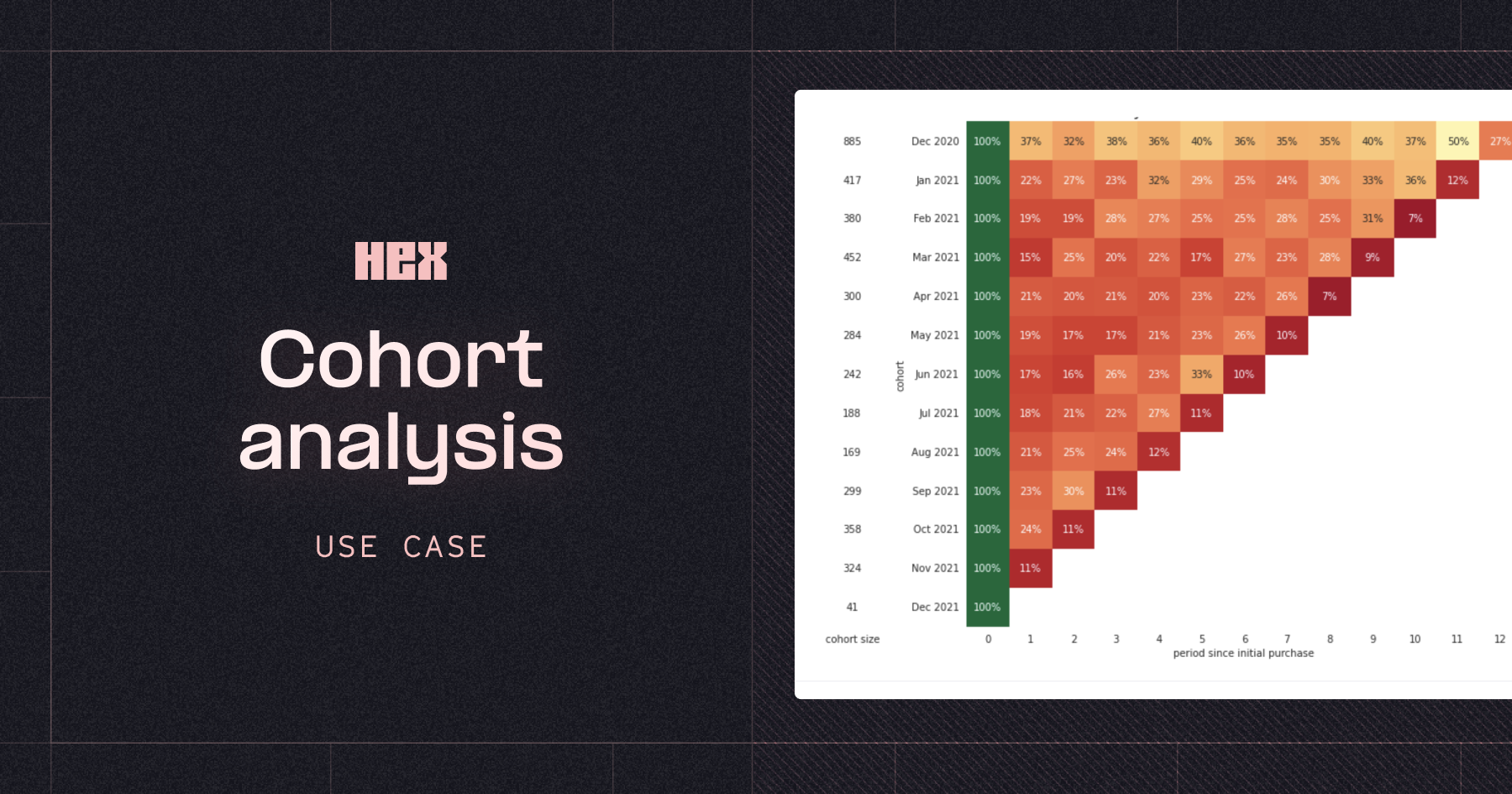
ThoughtSpot Customer Analytics

ThoughtSpot's Customer Analytics is a powerful tool for growth teams, transforming raw data into actionable insights. It enables businesses to improve customer experience and drive retention by understanding customer behavior and trends, which is crucial in the highly competitive market.

Best for Customer Analytics Tools for Growth Teams

Expert Take

ThoughtSpot Customer Analytics excels in providing growth teams with actionable insights through its robust analytics capabilities. Its real-time data processing and effective customer segmentation support data-driven decision-making. The platform's scalability and market credibility further establish it as a top choice in customer analytics tools.
Pros

  • AI-powered natural language search
  • Gartner Magic Quadrant Leader 2025
  • Strong embedded analytics SDK
  • SOC 2, ISO 27001 & HIPAA compliant
  • Scalable cloud-native architecture

Cons

  • High entry price ($15k/year min)
  • Steep learning curve for data modeling
  • Limited visualization customization options
  • Performance lag with massive datasets
  • Opaque consumption-based pricing

Best for teams that are

  • Non-technical business users who want to query data using natural language
  • Companies with a modern cloud data stack (e.g., Snowflake, Databricks)
  • Organizations wanting to democratize data access beyond data teams

Skip if

  • Small teams without a centralized, clean data warehouse infrastructure
  • Users preferring traditional, static pre-built dashboards over search
  • Companies with messy or unstructured data that isn't ready for querying

Best for teams that are

  • Non-technical business users who want to query data using natural language
  • Companies with a modern cloud data stack (e.g., Snowflake, Databricks)
  • Organizations wanting to democratize data access beyond data teams

Skip if

  • Small teams without a centralized, clean data warehouse infrastructure
  • Users preferring traditional, static pre-built dashboards over search
  • Companies with messy or unstructured data that isn't ready for querying

Pros

  • AI-powered natural language search
  • Gartner Magic Quadrant Leader 2025
  • Strong embedded analytics SDK
  • SOC 2, ISO 27001 & HIPAA compliant
  • Scalable cloud-native architecture

Cons

  • High entry price ($15k/year min)
  • Steep learning curve for data modeling
  • Limited visualization customization options
  • Performance lag with massive datasets
  • Opaque consumption-based pricing

Expert Take

ThoughtSpot Customer Analytics excels in providing growth teams with actionable insights through its robust analytics capabilities. Its real-time data processing and effective customer segmentation support data-driven decision-making. The platform's scalability and market credibility further establish it as a top choice in customer analytics tools.

7

Hex Cohort Analysis

Best for Cohort Analytics Tools for Retention Teams

Score
9.7 / 10
7
9.7 / 10
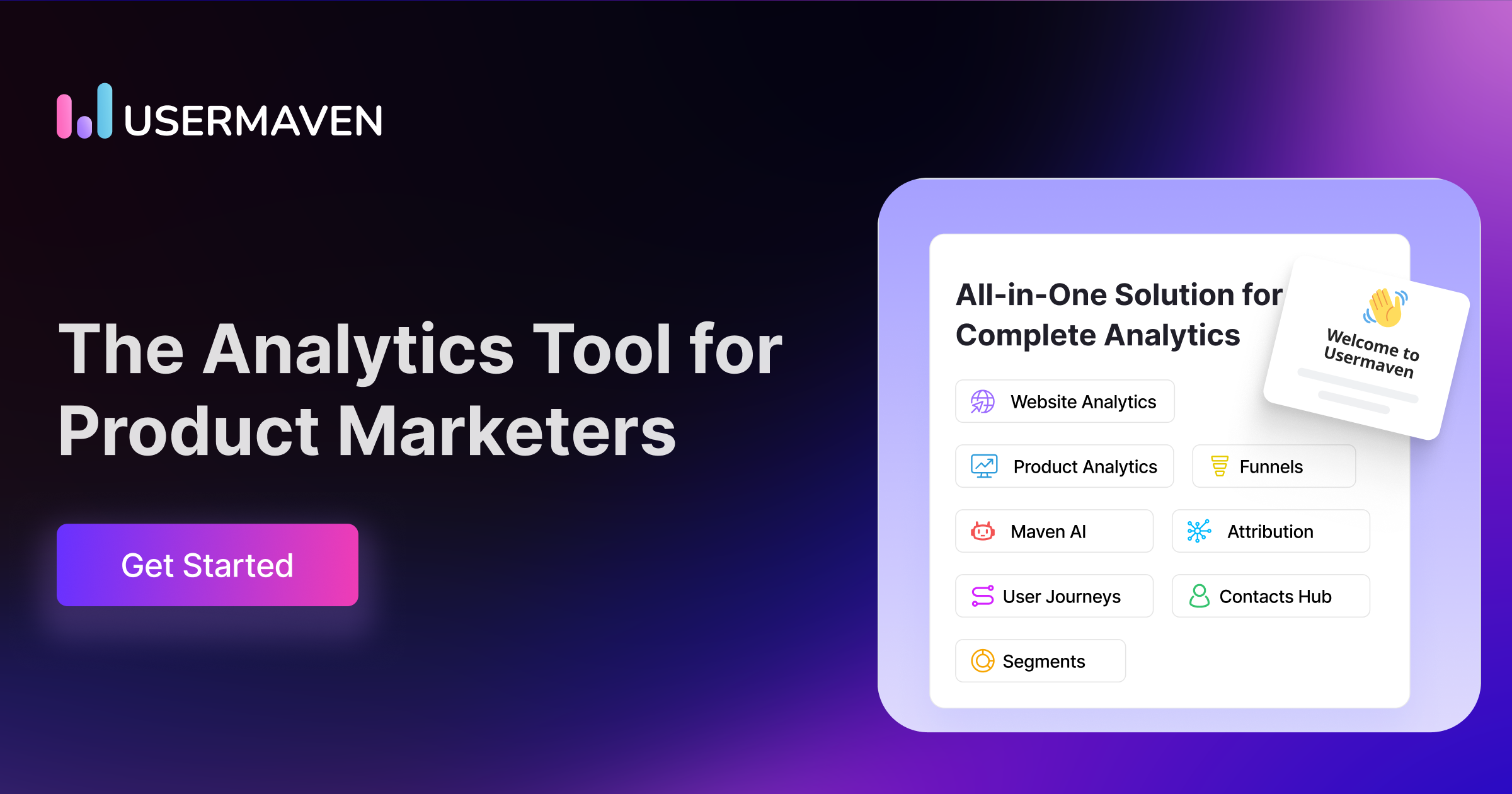
Hex Cohort Analysis

Hex Cohort Analysis is an industry-specific solution for retention teams, providing tools for tracking and analyzing the behavior of customer cohorts. It addresses the need for precise, data-driven insights in customer & cohort analytics platforms, focusing on the unique patterns of customers who share common experiences.

Best for Cohort Analytics Tools for Retention Teams

Expert Take

Hex Cohort Analysis excels in providing retention teams with precise, data-driven insights into customer behavior through its cohort analytics tools. Its user-friendly interface and customizable features make it a valuable asset for businesses aiming to enhance customer engagement. Despite limited pricing transparency, its capabilities and market credibility position it as a best-of-the-best solution.
Pros

  • Seamless SQL and Python interoperability
  • HIPAA-compliant multi-tenant option
  • Deep integration with dbt and Snowflake
  • Interactive apps for non-technical stakeholders
  • High-accuracy 'Magic' AI assistance

Cons

  • Limited native chart customization
  • Performance lag in large notebooks
  • Usage-based compute costs can scale
  • Steeper learning curve for non-coders
  • Less suitable for pixel-perfect reporting

Best for teams that are

  • Data teams using SQL/Python to build custom retention models
  • Analysts wanting to turn code-based analysis into interactive apps for stakeholders
  • Teams needing flexible, notebook-style data exploration over rigid dashboards

Skip if

  • Non-technical users seeking an out-of-the-box, no-code analytics solution
  • Teams needing simple auto-capture event tracking without data engineering
  • Marketers looking for standard pre-built web traffic reports

Best for teams that are

  • Data teams using SQL/Python to build custom retention models
  • Analysts wanting to turn code-based analysis into interactive apps for stakeholders
  • Teams needing flexible, notebook-style data exploration over rigid dashboards

Skip if

  • Non-technical users seeking an out-of-the-box, no-code analytics solution
  • Teams needing simple auto-capture event tracking without data engineering
  • Marketers looking for standard pre-built web traffic reports

Pros

  • Seamless SQL and Python interoperability
  • HIPAA-compliant multi-tenant option
  • Deep integration with dbt and Snowflake
  • Interactive apps for non-technical stakeholders
  • High-accuracy 'Magic' AI assistance

Cons

  • Limited native chart customization
  • Performance lag in large notebooks
  • Usage-based compute costs can scale
  • Steeper learning curve for non-coders
  • Less suitable for pixel-perfect reporting

Expert Take

Hex Cohort Analysis excels in providing retention teams with precise, data-driven insights into customer behavior through its cohort analytics tools. Its user-friendly interface and customizable features make it a valuable asset for businesses aiming to enhance customer engagement. Despite limited pricing transparency, its capabilities and market credibility position it as a best-of-the-best solution.

8

Usermaven Analytics Tool

Best for Customer Analytics Tools for Growth Teams

Score
9.7 / 10
Usermaven Analytics Tool

Usermaven is a comprehensive analytics platform designed specifically for growth teams looking to leverage data-driven insights to fuel their strategies. Its real-time reporting, precise attribution, and intuitive interface make it ideal for teams that need to understand customer behavior, track performance metrics, and make quick, informed decisions.

Best for Customer Analytics Tools for Growth Teams

Expert Take

Usermaven excels as a customer analytics tool with its real-time insights and precise attribution capabilities, tailored for growth teams. Its user-friendly interface and robust reporting are well-documented, supporting its premium positioning. While pricing transparency is limited to custom quotes, its feature depth justifies its value.

Pros

  • Privacy-first cookie-less tracking (GDPR compliant)
  • Bypasses ad-blockers via white-labeling
  • Unifies website and product analytics
  • Auto-capture events without coding
  • Generous free tier for startups

Cons

  • Limited e-commerce analytics depth
  • Report customization can be restrictive
  • Documentation lacks advanced use cases
  • Fewer integrations than mature rivals
  • Trends tool locked to premium plans

Best for teams that are

  • Growth teams wanting a privacy-friendly, easy-to-use GA4 alternative
  • Marketers needing auto-capture and attribution without coding skills
  • SaaS companies requiring both web and product analytics in one view

Skip if

  • Enterprises requiring complex SQL querying or raw data access
  • Teams needing deep predictive modeling or data science capabilities
  • Large organizations with highly complex custom data governance needs

Best for teams that are

  • Growth teams wanting a privacy-friendly, easy-to-use GA4 alternative
  • Marketers needing auto-capture and attribution without coding skills
  • SaaS companies requiring both web and product analytics in one view

Skip if

  • Enterprises requiring complex SQL querying or raw data access
  • Teams needing deep predictive modeling or data science capabilities
  • Large organizations with highly complex custom data governance needs

Pros

  • Privacy-first cookie-less tracking (GDPR compliant)
  • Bypasses ad-blockers via white-labeling
  • Unifies website and product analytics
  • Auto-capture events without coding
  • Generous free tier for startups

Cons

  • Limited e-commerce analytics depth
  • Report customization can be restrictive
  • Documentation lacks advanced use cases
  • Fewer integrations than mature rivals
  • Trends tool locked to premium plans

Expert Take

Usermaven excels as a customer analytics tool with its real-time insights and precise attribution capabilities, tailored for growth teams. Its user-friendly interface and robust reporting are well-documented, supporting its premium positioning. While pricing transparency is limited to custom quotes, its feature depth justifies its value.

9

Twilio Segment - Customer Data Platform
Best for Customer Analytics Tools with Segmentation

Score
9.6 / 10
Twilio Segment - Customer Data Platform

Twilio Segment provides customer analytics tools with segmentation to help businesses better understand their customers. Its unique ability to bring together clean, consented customer data for real-time insights makes it a powerful tool in the Business Intelligence & Analytics Software industry. It caters to the need for personalized customer experiences based on valuable, actionable insights.

Best for Customer Analytics Tools with Segmentation

Expert Take

Twilio Segment excels in providing clean, consented customer data for real-time insights, making it a leader in customer analytics tools. Its robust integration capabilities and compliance with GDPR enhance its market credibility, while the platform's usability and flexible APIs support a strong customer experience.

Pros

  • Real-time customer insights
  • Clean, consented data
  • Easy data integration
  • Flexible APIs
  • GDPR-compliant

Cons

  • Pricing might be high for small businesses
  • Complexity requires technical know-how
  • Limited in-built analysis tools

Best for teams that are

  • Mid-market to enterprise teams unifying data from multiple sources (web, mobile, CRM)
  • Engineering teams wanting to centralize data pipelines without building infrastructure
  • Marketers needing real-time personalization and identity resolution across channels

Skip if

  • Small businesses with limited budgets or simple data needs due to high cost
  • Non-technical teams lacking engineering resources for implementation and maintenance
  • Companies looking for a simple, out-of-the-box analytics dashboard rather than infrastructure

Best for teams that are

  • Mid-market to enterprise teams unifying data from multiple sources (web, mobile, CRM)
  • Engineering teams wanting to centralize data pipelines without building infrastructure
  • Marketers needing real-time personalization and identity resolution across channels

Skip if

  • Small businesses with limited budgets or simple data needs due to high cost
  • Non-technical teams lacking engineering resources for implementation and maintenance
  • Companies looking for a simple, out-of-the-box analytics dashboard rather than infrastructure

Pros

  • Real-time customer insights
  • Clean, consented data
  • Easy data integration
  • Flexible APIs
  • GDPR-compliant

Cons

  • Pricing might be high for small businesses
  • Complexity requires technical know-how
  • Limited in-built analysis tools

Expert Take

Twilio Segment excels in providing clean, consented customer data for real-time insights, making it a leader in customer analytics tools. Its robust integration capabilities and compliance with GDPR enhance its market credibility, while the platform's usability and flexible APIs support a strong customer experience.

10

UXCam Cohort Retention Analysis

Best for Cohort Analytics Tools for Retention Teams

Score
9.6 / 10
UXCam Cohort Retention Analysis

UXCam is a leading SaaS solution for cohort analytics, specifically designed to assist retention teams measure and improve app user retention. Its granular approach enables meticulous tracking of user behavior patterns over time, providing essential insights that directly address the needs of professionals in this industry.

Best for Cohort Analytics Tools for Retention Teams

Expert Take

UXCam Cohort Retention Analysis excels in providing detailed cohort analytics tailored for retention teams. Its user-friendly interface and real-time data tracking are complemented by customizable reports, making it a top choice for professionals seeking to improve user retention strategies. Despite requiring technical know-how, its capabilities justify its premium positioning.

Pros

  • Detailed cohort analysis
  • Effective retention strategy optimization
  • User-friendly interface
  • Real-time data tracking
  • Customizable reports

Cons

  • No predefined pricing model
  • May require technical know-how for optimal utilization
  • Limited integrations

Best for teams that are

  • Mobile-first product teams (iOS/Android) analyzing app user behavior
  • Teams needing session replays and heatmaps specifically for mobile apps
  • Developers debugging mobile app crashes and UI friction points

Skip if

  • Web-only businesses as it lacks support for web analytics
  • Teams requiring a unified view of both web and mobile user journeys
  • Marketing teams looking for broad campaign attribution tools

Best for teams that are

  • Mobile-first product teams (iOS/Android) analyzing app user behavior
  • Teams needing session replays and heatmaps specifically for mobile apps
  • Developers debugging mobile app crashes and UI friction points

Skip if

  • Web-only businesses as it lacks support for web analytics
  • Teams requiring a unified view of both web and mobile user journeys
  • Marketing teams looking for broad campaign attribution tools

Pros

  • Detailed cohort analysis
  • Effective retention strategy optimization
  • User-friendly interface
  • Real-time data tracking
  • Customizable reports

Cons

  • No predefined pricing model
  • May require technical know-how for optimal utilization
  • Limited integrations

Expert Take

UXCam Cohort Retention Analysis excels in providing detailed cohort analytics tailored for retention teams. Its user-friendly interface and real-time data tracking are complemented by customizable reports, making it a top choice for professionals seeking to improve user retention strategies. Despite requiring technical know-how, its capabilities justify its premium positioning.

How We Rank Products

Our Evaluation Process

Products in the Customer & Cohort Analytics Platforms category are evaluated based on documented features such as data integration capabilities, user interface design, and analytics depth. Pricing transparency is assessed to ensure buyers understand cost structures. Compatibility with other business systems is crucial for seamless operation. Feedback from third-party users is considered to gauge real-world performance and satisfaction levels. These criteria help identify platforms that best align with diverse business needs.

Verification

  • Products evaluated through comprehensive research and analysis of customer feedback and expert reviews.
  • Rankings based on a thorough evaluation of key features and user satisfaction metrics.
  • Selection criteria focus on data-driven insights and comparative analysis of industry standards.

Score Breakdown

0.0 / 10

About Customer Analytics & Cohort Analysis Platforms

WHAT IS CUSTOMER ANALYTICS & COHORT ANALYSIS PLATFORMS?

Customer Analytics & Cohort Analysis Platforms are specialized software systems designed to ingest, unify, and interpret behavioral and transactional data to reveal how specific groups of customers interact with a business over time. Unlike broad Business Intelligence (BI) tools that visualize what happened, these platforms focus on why it happened by tracking individual user journeys and aggregating them into behavioral cohorts. They enable organizations to move beyond aggregate metrics (like total page views or gross revenue) to granular insights such as retention curves, customer lifetime value (CLV) velocity, and propensity to churn.

This category covers software used to analyze the full customer lifecycle from acquisition to retention and expansion. It sits downstream from Customer Data Platforms (CDPs)—which focus on collecting and unifying data—and upstream from Marketing Automation Platforms (MAPs)—which focus on executing campaigns. While a CDP builds the "golden record," the Customer Analytics platform provides the intelligence layer to segment that record and predict future behaviors. It includes both general-purpose product analytics tools used by SaaS growth teams and vertical-specific analytics suites tailored for industries like retail, financial services, and healthcare.

The core problem these platforms solve is the "aggregate trap"—the misleading nature of averages. For example, a business might see stable revenue but fail to notice that high-value "whale" customers are churning while being replaced by low-value users, a trend only visible through cohort analysis. These tools are used primarily by product managers, growth marketers, and data analysts who need to answer complex questions about user behavior without writing SQL queries for every inquiry.

HISTORY: FROM DATA WAREHOUSING TO AI AGENTS

The lineage of modern Customer Analytics & Cohort Analysis Platforms traces back to the data warehousing revolution of the 1990s. Before specialized SaaS tools existed, customer analysis was the domain of IT departments and database administrators. The publication of Ralph Kimball’s The Data Warehouse Toolkit in 1996 laid the architectural foundation for dimensional modeling, allowing businesses to organize data into facts (transactions) and dimensions (customers), which is still the bedrock of analytics today [12]. However, these early On-Line Analytical Processing (OLAP) systems were rigid, expensive, and required massive on-premise hardware, limiting "analytics" to retrospective reporting for the C-suite.

The 2000s and early 2010s marked the transition from "systems of record" to "systems of engagement." As the internet boom generated behavioral data at a scale relational databases could not handle, the industry saw the rise of "Big Data" technologies like Hadoop and NoSQL. This era birthed the first generation of web analytics tools, which focused primarily on traffic and sessions rather than individual users. However, a significant gap remained: businesses could track cookies, but they struggled to track people across devices and sessions. This gap created the demand for event-based analytics—software that tracked "User X did Event Y" rather than "Page Z received View Q."

By the mid-2010s, the market consolidated around the cloud. The separation of compute and storage (popularized by modern cloud data warehouses) allowed analytics vendors to build cheaper, faster query engines. This period saw the rise of the "Modern Data Stack," where specialized ingestion tools piped data into warehouses, and specialized analytics tools sat on top. The expectation shifted from "give me a report" to "give me a prediction."

Entering the 2020s, the market has undergone another seismic shift driven by Artificial Intelligence (AI) and Machine Learning (ML). The focus is no longer just on visualizing historical data but on predictive and prescriptive analytics. Today's platforms are expected to not only tell a user that churn increased but to identify which cohort is at risk and why. As noted by Gartner, we are now entering the era of "Agentic AI," where analytics systems are evolving from passive dashboards into autonomous agents capable of executing closed-loop business outcomes based on data [22]. This evolution reflects a maturity in buyer expectations: the database is now a commodity; the value lies entirely in the actionable intelligence it generates.

WHAT TO LOOK FOR

Evaluating Customer Analytics & Cohort Analysis Platforms requires a shift in mindset from "feature counting" to "workflow validation." Many vendors claim to offer "360-degree views" and "AI-driven insights," but the reality often falls short during implementation. A critical evaluation criterion is the platform's identity resolution capability. You must ask: How does the tool handle users who switch from mobile to desktop before logging in? Does it use deterministic matching (requiring a User ID) or probabilistic matching (guessing based on IP/device)? For businesses with complex buying journeys, weak identity resolution renders cohort analysis useless because a single user appears as two or three distinct "churned" users.

Another vital factor is data latency and query speed. In the era of real-time expectations, a dashboard that takes 24 hours to update is often obsolete. Buyers should scrutinize the "ingest-to-insight" latency. Ask vendors: "If a user performs an action right now, how many seconds or minutes until that action appears in my retention cohort?" Red flags include vendors who rely on nightly batch processing for critical metrics or those who charge exorbitant fees for "real-time" access.

Data export and interoperability are also non-negotiable. Avoid "black box" platforms that ingest your data but make it difficult to extract raw event logs. A robust platform should allow you to push computed cohorts back into your CRM or marketing tools (a process known as "Reverse ETL"). Warning signs include proprietary data formats that lock you in or a lack of direct SQL access to the underlying data. Finally, be wary of pricing models based on "monthly active users" (MAU) if your business has high seasonality or a freemium model; the costs can spiral uncontrollably during viral growth spikes without a corresponding increase in revenue.

INDUSTRY-SPECIFIC USE CASES

Retail & E-commerce

In the retail sector, customer analytics goes far beyond simple sales tracking. The most critical evaluation priority is Return Rate Optimization. With online return rates averaging 15-24%—nearly three times higher than brick-and-mortar stores—retailers use cohort analytics to identify "serial returners" versus "high-value loyalists" [120]. A generic analytics tool might show strong sales growth, but a retail-specific platform will highlight that a specific cohort of customers acquired through influencer marketing has a 40% return rate, making them net-negative for profitability.

Furthermore, personalization at scale is a unique requirement for e-commerce. Research indicates that retailers excelling at personalization generate 40% more revenue from those activities than average players [137]. Therefore, buyers in this space must prioritize platforms that can ingest granular product attribute data (e.g., size, color, SKU) and correlate it with customer behavior to fuel recommendation engines. A red flag for retailers is a platform that cannot handle complex SKU-level data hierarchies.

Healthcare

Healthcare organizations face distinct challenges centered on patient outcomes and operational efficiency rather than pure revenue maximization. A primary use case is reducing appointment no-shows, which bleed revenue and disrupt care delivery. Advanced analytics platforms use predictive modeling to identify patients with a high probability of missing appointments based on factors like age, distance, and past behavior. In one case study, a predictive model identified high-risk groups (e.g., age 18-30 had a 24.6% no-show rate) allowing clinics to overbook strategically or intervene with reminders, significantly smoothing operational chaos [112].

Additionally, privacy compliance (HIPAA, GDPR) is the overriding evaluation criterion. Unlike retail, where data sharing is common, healthcare analytics must support strict data governance, role-based access control, and on-premise or private cloud deployment options. Buyers should look for platforms that offer "symptom prediction models" or population health analytics that can aggregate patient data without compromising individual privacy [114].

Financial Services

For banks and fintechs, the analytics focus is on combating "Silent Attrition". Unlike subscription businesses where a customer explicitly cancels, banking customers often "churn" by slowly moving their transactions to a competitor while keeping their account open with a minimal balance. Specialized analytics tools track "share of wallet" indicators and transaction velocity to flag these silent departures early. Research highlights that 61% of younger Millennials would switch providers for a better digital experience, making behavioral analytics on mobile app usage a critical retention defense [99].

Risk management is another unique pillar. Financial institutions require platforms that can integrate credit scoring models with behavioral data. Predictive analytics are used to assess creditworthiness using non-traditional data sources (e.g., transaction history, app usage patterns) to serve unbanked populations while managing default risk [70]. The "red flag" here is any platform that lacks robust audit trails or explainability in its AI models, as regulatory bodies require transparency in financial decision-making.

Manufacturing

Manufacturing analytics has shifted from the shop floor to the customer experience, particularly regarding Warranty Analytics and IoT. Manufacturers use these platforms to analyze warranty claims against Internet of Things (IoT) sensor data to identify root causes of product failures. By correlating usage patterns (e.g., "heavy load" vs. "operator error") with failure rates, companies can distinguish legitimate wear from misuse, potentially saving millions in warranty costs [127].

A specific need for this industry is the ability to ingest high-frequency time-series data from connected devices. General-purpose customer analytics tools often choke on the volume of sensor data generated by connected machinery. Therefore, manufacturers must evaluate platforms based on their ability to handle "machine data" alongside customer CRM data to provide a unified view of asset health and customer satisfaction [131].

Professional Services

Firms in law, consulting, and architecture use customer analytics to monitor client health and project profitability. Unlike high-volume transactional businesses, professional services rely on "relationship analytics"—tracking the frequency and sentiment of interactions (emails, meetings) combined with billable utilization rates. The goal is to predict "client drift" before a contract is lost.

Evaluation priorities here include deep integration with Time & Billing systems and CRM platforms. A critical workflow is analyzing the "EBITDA lift" potential of moving clients from one service tier to another. Analytics tools in this space must be able to model complex, multi-stakeholder relationships rather than just individual user clicks. The unique consideration is data privacy regarding client communications; tools must analyze metadata (who emailed whom) without necessarily exposing the sensitive content of privileged communications.

SUBCATEGORY OVERVIEW

Cohort Analytics Tools for Retention Teams

These tools are specialized engines designed to dissect user longevity and engagement over time. What makes this niche genuinely different from generic analytics is the depth of its survival analysis capabilities. While a general tool might show a static retention rate, a specialized cohort tool allows retention teams to visualize "shifting curves"—identifying exactly when and why users drop off (e.g., Day 1 vs. Day 7 vs. Day 30). Only these tools handle the workflow of comparing "feature-based cohorts" (e.g., users who used Feature A vs. Feature B) to isolate specific value drivers that correlate with long-term retention [43]. Buyers flock to this niche because generic tools often aggregate data too broadly, hiding the "retention leaks" that occur in specific user sub-segments. For a deeper look at these specialized solutions, explore our guide to Cohort Analytics Tools for Retention Teams.

Customer Analytics Tools with Segmentation

The differentiator for this subcategory is dynamic, behavioral segmentation. General platforms often rely on static lists (e.g., "users from New York"), but specialized segmentation tools update lists in real-time based on live actions (e.g., "users from New York who abandoned a cart in the last hour"). A workflow unique to this niche is the ability to trigger automated downstream actions immediately when a user enters a segment—such as firing a webhook to a marketing tool the moment a user exhibits "high intent" behavior [3]. The pain point driving buyers here is the "stale data" problem; generic tools often require manual CSV uploads to update segments, whereas these tools maintain live, breathing customer groups. To understand how these tools differ from standard CRMs, visit our page on Customer Analytics Tools with Segmentation.

Churn Analytics Tools

This niche moves beyond reporting past churn to predicting future risk. The genuine difference lies in propensity modeling. General analytics tools can tell you who left; Churn Analytics tools calculate a risk score (0-100) for every active user based on weighted signals like login frequency, support ticket volume, and bill payment latency. A unique workflow is the "save desk" alert system, where account managers receive prioritized lists of "at-risk" customers who are still salvageable, along with prescribed "next best actions" [27]. Buyers are driven to this niche by the high cost of acquisition; they need a "radar system" for retention rather than just an autopsy report of lost customers. Learn more about these predictive engines in our breakdown of Churn Analytics Tools.

Customer Analytics Tools for Growth Teams

These platforms are purpose-built for Product-Led Growth (PLG) mechanics. Unlike general analytics that track generic web traffic, Growth Analytics tools focus on metrics like Time to Value (TTV) and Product Qualified Leads (PQLs). The workflow only these tools handle well is the "activation funnel" analysis—tracking a user from sign-up to their first "Aha!" moment and correlating that path with conversion to paid plans. The specific pain point driving buyers here is the misalignment of traditional sales metrics (like MQLs) with a self-service product model; growth teams need to know how the product is being used, not just who downloaded a whitepaper [60]. For teams focused on viral coefficients and activation, see our review of Customer Analytics Tools for Growth Teams.

Integration & API Ecosystem

The "dirty secret" of the analytics industry is that integration is the primary point of failure. According to a 2024 report, 70% of customers struggle with matching records due to a lack of proper data matching technologies, and 65% cite integration across multiple data sources as a critical hurdle [17]. The challenge isn't just connecting systems; it's maintaining data integrity across them.

Consider a practical scenario: A 50-person professional services firm attempts to integrate their Customer Analytics platform with a legacy ERP system and a modern project management tool. A poorly designed integration might rely on "exact string matching" for client names. If the ERP lists a client as "Acme Corp" and the project tool lists them as "Acme Corporation," the analytics platform creates two separate records. The result is a fractured view of profitability where costs are attributed to one record and revenue to another, rendering the "profitability dashboard" useless. When evaluating vendors, buyers must demand "fuzzy matching" capabilities and robust API error handling that alerts admins when data syncs fail, rather than silently creating duplicate or orphaned records.

Security & Compliance

Security in customer analytics has graduated from a checkbox to a board-level imperative. Forrester’s 2024 predictions highlight that insecure AI-generated code and managing Personally Identifiable Information (PII) amidst regulatory scrutiny are top risks [111]. The proliferation of unstructured data (chat logs, emails) has made compliance exponentially harder.

In practice, consider a mid-sized healthcare tech company analyzing patient feedback. They use an analytics tool to ingest support chat logs. If the tool lacks "PII redaction" features, sensitive health information (PHI) enters the analytics database unencrypted. A breach here isn't just an IT issue; it’s a violation of HIPAA that could bankrupt the company. Buyers must verify that the platform offers granular role-based access control (RBAC) and automated PII masking. An expert quote from Forrester analyst Alla Valente underscores this: "Do you know if you're leveraging AI that is from a third party? Do you know where that data came from?" [111]. This accountability is now a requirement, not a luxury.

Pricing Models & TCO

The pricing landscape for SaaS is undergoing a structural shift. While per-seat pricing was the standard, Bain & Company reports that 65% of vendors are now introducing hybrid pricing models, layering usage or AI-metered costs on top of base fees [52]. This shift is driven by the reality that AI agents and automation reduce the number of human "seats" needed while increasing the compute load on the platform.

Let’s walk through a Total Cost of Ownership (TCO) calculation for a hypothetical 25-person growth team.

  • Model A (Per-Seat): $75/user/month. 25 users * $75 * 12 months = $22,500/year. This is predictable but penalizes wider adoption.
  • Model B (Event-Based/MTU): $1,000/month base fee (includes unlimited seats) + $0.20 per 1,000 events. If the product has 5 million events/month, the cost is $1,000 + (5,000 * $0.20) = $2,000/month or $24,000/year.

At first glance, Model A is cheaper. However, if the company grows to 50 employees, Model A doubles to $45,000. Model B might only increase slightly if event volume doesn't double linearly with headcount. The "gotcha" in usage-based pricing is the viral spike. If a marketing campaign goes viral, event volume can triple overnight, leading to a surprise bill. Smart buyers negotiate "overage forgiveness" clauses or volume caps to mitigate this risk.

Implementation & Change Management

The most common cause of implementation failure is not software bugs but "dirty data." A report by WinPure highlights that 65% of organizations still rely on manual methods like Excel for cleaning data before ingestion, a bottleneck that stalls implementation for months [86].

In a real-world scenario, a retail chain implements a new Cohort Analysis tool. The technical setup takes two weeks. However, the marketing team refuses to use the dashboard because the "Revenue" numbers don't match their legacy Excel reports. The discrepancy stems from different definitions of "revenue" (gross vs. net of returns). The implementation stalls not because the tool is broken, but because there was no data dictionary agreement upfront. Successful implementation requires a "Governance First" approach: define metrics, clean historical data, and then turn on the tool.

Vendor Evaluation Criteria

When selecting a vendor, buyers must look beyond the glossy demo. Gartner advises that D&A leaders should focus on "highly consumable data products" and ensure tools facilitate "automated discovery" [22]. The key differentiator is often the support model. Does the vendor provide a dedicated Customer Success Manager (CSM) or just a chat bot?

A concrete evaluation tactic is the "Live Data Test." Instead of watching a demo with dummy data, provide the vendor with a sanitized sample of your data (e.g., 50,000 rows of transaction logs). Ask them to load it and answer one specific question (e.g., "What is the retention rate of users who bought Item X?"). If they struggle to ingest or query your data during the POC phase, they will fail in production. This "stress test" reveals hidden weaknesses in their data ingestion pipeline that standard sales decks hide.

EMERGING TRENDS AND CONTRARIAN TAKE

Emerging Trends (2025-2026): The dominant trend reshaping this category is the rise of "Agentic AI". According to Gartner, AI agents are evolving from passive assistants to autonomous entities that can execute complex workflows across applications [81]. In customer analytics, this means the software won't just show you a segment of churning users; an AI agent will autonomously identify them, draft a retention offer, and queue it in your email platform, waiting only for human approval. We are also seeing a shift toward "Small Language Models" (SLMs) that are domain-specific, cheaper, and faster than massive LLMs, allowing for private, on-device analytics.

Contrarian Take: The "360-degree view of the customer" is a myth that is actively hurting businesses. For years, vendors have sold the utopian vision of a perfect, unified profile containing every interaction a customer has ever had. In reality, chasing this "perfect view" leads to data swamps, privacy liabilities, and endless implementation cycles. As highlighted by industry pragmatists, the obsession with a 360-degree view is often "misguided" and can feel "violating" to consumers [63]. Instead of trying to unify everything, businesses would get far higher ROI by focusing on "good enough" data for specific, high-value use cases—like preventing churn in the next 30 days—rather than spending years trying to integrate a legacy mainframe just to get a "complete" picture that provides no additional predictive power.

COMMON MISTAKES

One of the most frequent errors buyers make is overbuying complexity. Teams often purchase enterprise-grade platforms with advanced machine learning capabilities when their organization lacks the data maturity to use them. If your data is messy and siloed, an AI-powered tool will simply generate "artificial stupidity" at scale. Start with a tool that handles descriptive analytics (what happened) well before graduating to predictive engines.

Another critical mistake is ignoring the "change management" tax. Buying the software is the easy part; getting 50 product managers to stop using their individual spreadsheets and trust the central platform is the hard part. Failure to budget for training and internal evangelism leads to "shelfware"—expensive software that nobody logs into. Finally, many buyers fail to account for hidden egress fees. Some cloud analytics platforms charge low ingestion fees but massive amounts to export data, effectively holding your intelligence hostage.

QUESTIONS TO ASK IN A DEMO

  • "Can you show me the raw data schema?" (If they hesitate, it may be a black box system.)
  • "How do you handle identity resolution for a user who visits on mobile, then desktop, then logs in 3 days later?" (Look for a clear explanation of identity merging logic.)
  • "What is the exact latency between a user action and that data appearing in a dashboard?" (Don't accept "real-time"—ask for seconds/minutes.)
  • "Can I define a cohort based on a sequence of events, not just the presence of events?" (e.g., Did A, then did B within 1 hour.)
  • "Show me how to export a cohort directly to a CRM or email tool." (Test the "activatability" of the data.)
  • "How does your pricing model handle a 3x spike in event volume during a holiday sale?" (Check for penalties or caps.)

BEFORE SIGNING THE CONTRACT

Before committing, conduct a final "deal-breaker" check. Ensure you have a defined Service Level Agreement (SLA) regarding uptime and support response times—critical for tools that drive real-time decisions. Scrutinize the data ownership clause: if you leave the vendor, in what format do you get your historical data back? JSON? CSV? SQL dump? Some vendors make exit painful to lock you in.

Negotiate volume forgiveness for the first 3 months as you calibrate your event tracking. It’s common to accidentally track "noise" events during setup that bloat your bill; ensure you aren't charged for this calibration period. Finally, verify the security credentials (SOC 2 Type II, ISO 27001) are current and cover the specific cloud region where your data will reside. The contract should explicitly state that your data will not be used to train the vendor's public AI models without your consent.

CLOSING

Mastering Customer Analytics & Cohort Analysis is not just about buying the right tool; it’s about building a culture that values evidence over intuition. The landscape is evolving rapidly, with AI agents promising to automate much of the heavy lifting, but the fundamentals of clean data and clear business questions remain unchanged. If you have specific questions about your stack or need a sounding board for your evaluation strategy, feel free to reach out.

Email: albert@whatarethebest.com